
Cold sore killed UK baby at 10 days old: the warning every parent needs
Web StoryWatch this story in 15 seconds →Key takeaways
- A UK baby named Magnolia died at just 10 days old. She caught the cold sore virus, also called HSV.
- Her mother is Meg Edmonds, 22. It was her first cold sore. She never knew it could kill a baby.
- The NHS says newborns face the highest risk in their first six weeks. Anyone with a cold sore should not kiss a baby.
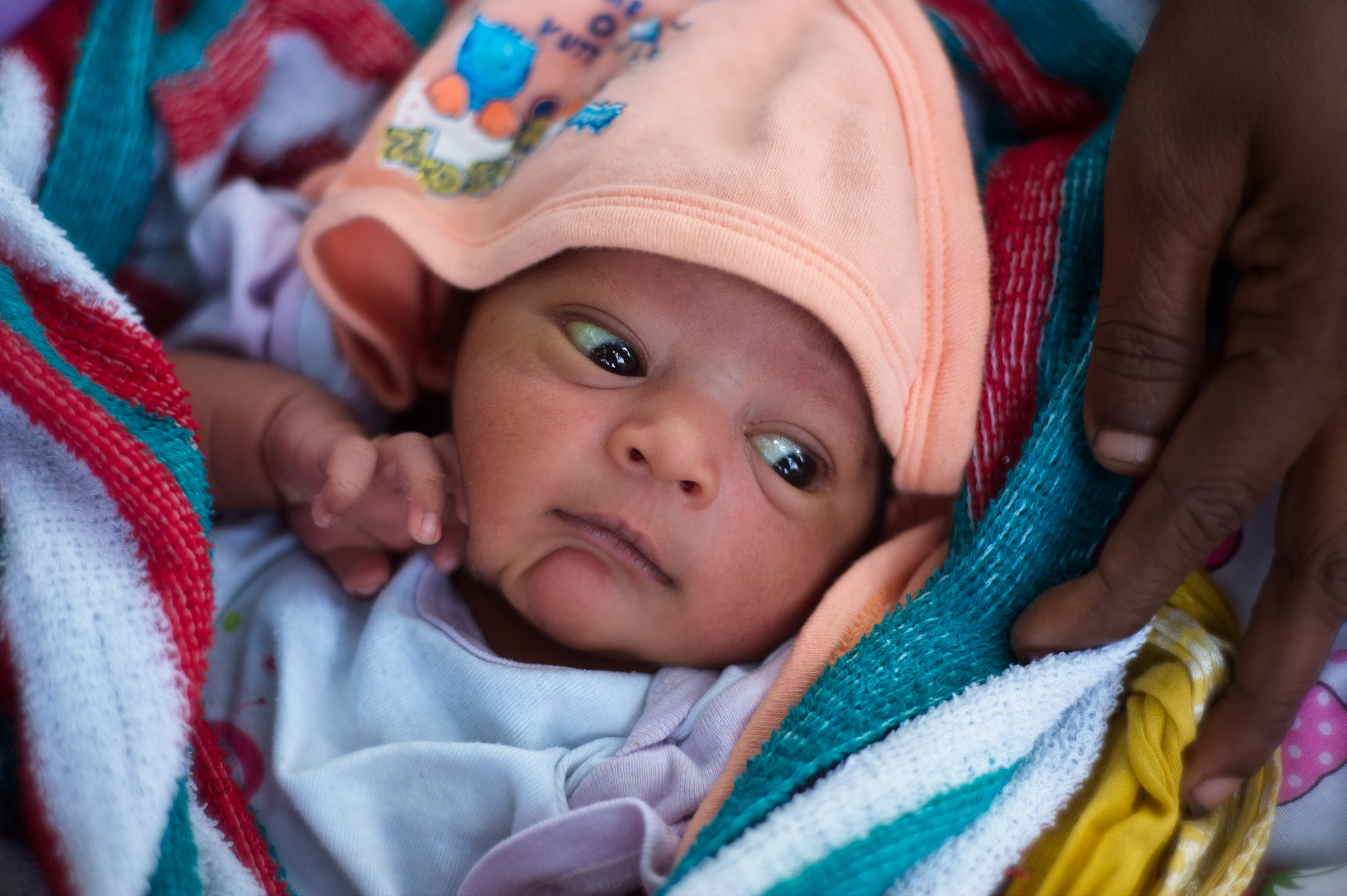
A cold sore killed a newborn baby in the UK. The baby, Magnolia, died at just 10 days old in February. She had caught the herpes simplex virus, known as HSV.
This is the same virus that causes cold sores in adults.
Her mother is Meg Edmonds, 22, from Rugeley in Staffordshire. She had never had a cold sore before.
She did not know the virus could pass to her baby and kill her. Now she is warning other parents, according to the BBC.
Thousands of people searched for this story today. Many parents asked the same question: how can a simple cold sore kill a baby?
What happened
Meg Edmonds gave birth to Magnolia after a straightforward water birth, according to the BBC. She said her daughter was born perfectly healthy. Magnolia arrived nearly two weeks late, just like her big sister.
Around the time of the birth, Meg noticed a sore on her lip. She had never had a cold sore before. She thought nothing of it, the BBC reported.
She asked health professionals about the sore. They reassured her that it was nothing to worry about.
They told her she might just need to drink more water. They said it could be linked to giving birth the day before.
Health and Me reported this.
Looking back at photos now, Meg can see the sore on her lip. It was there while she was giving birth. "I thought nothing of it at the time," she told the BBC.
Magnolia's health then got worse. She died from HSV. It is suspected the virus was passed on by her mother.
Maggie was born on February 1. She had an older sister, two-year-old Cordelia, according to the Scottish Sun.
For the first two days, Maggie was alert and fed well. On day three, she became sleepy. She would not wake for feeds, the Sun reported.
Her skin turned grey and felt cold. She developed breathing problems, a weak cry, and a rash on her chest.
Her parents took her to hospital. She died at Birmingham Children's Hospital on February 11. The virus had spread through her body. Her organs began to fail, the Sun reported.
Meg said she had done everything she could. She never kissed her baby.
She washed her hands all the time. She kept unwell visitors away from the house.
"I washed my hands constantly because I was worried in general about infections," she told the BBC. "But I never knew that if that passed to her it could kill her."
She added that the guilt is unbearable. But she reminds herself that she did not know. She acted with the knowledge she had at the time, according to the BBC.
Why it matters
Cold sores are very common in adults. For most adults, a cold sore is a painful but harmless infection. It comes and goes.
For newborn babies, the story is different. Their immune systems are still growing. The NHS says babies face the highest risk from HSV.
The first six weeks of life carry the highest risk, according to Health and Me.
The virus can spread through touch. Anyone with an active cold sore can pass it on by kissing a baby. It can also spread through herpes blisters on the breast during breastfeeding, the NHS says.
The infection can start in the eyes, mouth, or skin. It can then spread to other parts of the body. It can become life-threatening very fast.
Neonatal herpes is rare in the UK. It affects about six in every 100,000 babies. That figure comes from a British Paediatric Surveillance Unit study.
But nearly one in four infected babies dies, the Sun reported.
Meg is now speaking out as part of an infection prevention campaign. The Lullaby Trust, a UK charity for baby health, runs the campaign. She speaks alongside her partner, Ben Brookes, the baby's father.
Her message is simple. "We didn't know a cold sore could kill a baby," she told the BBC. She wants parents to learn about the danger before it is too late.
Jenny Ward is the chief executive of the Lullaby Trust. She said parents should not feel bad about setting rules for visitors. "Protecting your baby from infection is never something you need to justify," she told the BBC.
The charity gives parents a short rule to remember: THANKS. It stands for "think hands and no kisses."
Wash your hands before touching your baby. Do not kiss your baby if you feel unwell.
What happens next
Meg says she will now get cold sores for the rest of her life. She recently had another outbreak. It brought back painful memories.
"To actually have a physical reminder on my face is horrible," she said, according to Health and Me.
She hopes her story saves other babies. She wants hospitals and midwives to tell parents about the risk.
She had never seen a warning about cold sores before her loss. She had never seen one about HSV or neonatal herpes either.
The NHS gives clear steps for parents and visitors. Wash your hands well before you handle a newborn.
If you have a cold sore, do not kiss the baby. Keep the cold sore away from the baby's face and hands.
If a mother has blisters on her breast, she should not feed from that breast. She must wait until they heal. She should ask her doctor or midwife for advice, according to Health and Me.
Parents should also watch for warning signs. Get urgent medical help if a newborn seems unusual. Warning signs include poor feeding, strange irritability, or a fever of 38°C or higher.
A rash or sores on the skin, eyes, or mouth also need urgent care. So do breathing problems, unusual floppiness, or being hard to wake. The NHS warns that neonatal herpes can get worse fast, so quick treatment matters.
Pregnant women should tell their doctor or midwife. This matters if they have a history of genital herpes.
It also matters if they have any symptoms of an infection. This helps the care team plan a safe birth.
This article is for information only and is not medical advice. If you are worried about your baby, speak to a doctor or midwife.
For new parents, knowing your baby's sleep patterns helps you notice when something is off. If you have lost a baby, you are not alone. Sleep training struggles are common, but illness warning signs always need a doctor first.
Related stories
Why babies cry more in the evening: the witching hour explained
The witching hour is the fussy evening stretch most newborns hit daily. Why overtiredness, cluster feeding, and overstimulation stack up
When Do Babies Start Sleeping Through the Night by Month?
Most babies sleep through the night between 3 and 6 months, with regressions at 4 and 8 to 10 months. See the month-by-month table
Why Your Baby Wakes Up the Second You Put Them Down
Newborns wake when put down as the startle reflex, light sleep, and lost warmth hit at once. It is normal and peaks early, fading