
How to Handle a Picky Eater Without Forcing Food
Key takeaways
- Pressure at the table tends to deepen picky eating, while calm, repeated exposure gradually widens what a child accepts.
- You decide what, when, and where food is served, and your child decides whether and how much to eat.
- A new food may need 10 to 15 low-pressure exposures before a child accepts it.

Lance Cheung/Multimedia PhotoJournalist*
Image Credits: Wikimedia Commons
This article is for general information, not medical advice. Talk to your child's pediatrician if you have concerns about growth, nutrition, or eating behaviour.
The standoff is familiar. A plate of something new sits untouched. A parent bargains, then pleads, then threatens no dessert.
The child folds their arms.
Dinner ends with everyone upset and the food still on the plate. The instinct to push is understandable, since parents want their children to eat well. The trouble is that pushing usually makes picky eating worse, not better.
This article explains how to handle a picky eater without forcing food, including why pressure backfires, the division of responsibility, exposure without pressure, calm mealtimes, getting kids involved, and when to ask a pediatrician.
Why pressure backfires
Picky eating is common, and much of it is normal development. Nearly 50 percent of parents report having picky eaters at home, according to the SAFE For Children Info Bank, drawing on nutrition research. During the preschool years, growth slows and children develop a strong sense of independence, which often shows up as firm food preferences and a wish to feed themselves.
Pressure turns that normal phase into a power struggle. Research described by the Parenting with Purpose Show points to a two-way relationship: picky eating predicts more parental pressure, and more pressure predicts more picky eating.
Each side pushes harder, and the table becomes a place the child dreads. A child who feels cornered may refuse a food they would otherwise have tried.
Labelling a child as picky can add to the problem. The label frames ordinary developmental behaviour as defiance, and it steers mealtimes toward compliance instead of curiosity.
Shifting the goal from "eat this now" to "feel safe around this food" changes the whole dynamic. The child relaxes, and relaxed children try more things.
The division of responsibility
Ellyn Satter's Division of Responsibility gives parents a clear job split. Your job is to decide what food is offered, when meals happen, and where they take place.
Your child's job is to decide whether to eat and how much. That split sounds simple, and it is the hardest part of this approach to hold.
In practice, it means you serve one family meal, not a separate menu per child. You include at least one familiar, accepted food at each meal, so the child is never faced with a plate of only new things.
You do not bargain for one more bite, run a clean-plate club, or trade dessert for vegetables. The child eats what they choose from what is offered, and the meal ends without a negotiation.
Structure still matters. Regular meal and snack times keep hunger predictable, which helps a child arrive at the table ready to eat.
Grazing all day on snacks and drinks fills a small stomach and kills appetite for meals. A routine of three meals and one or two planned snacks gives appetite a rhythm.
Exposure without pressure
Repeated, low-pressure exposure is the engine of this method. UK research reported by the SAFE For Children Info Bank found that it may take 10 to 15 exposures for a child to develop a taste for a new food.
Other summaries put the range at 8 to 15 exposures. Either way, the number is higher than most parents expect, and most parents give up after three to five tries.
Exposure does not mean eating. Looking at the food, touching it, smelling it, or helping to prepare it all count as exposure.
A child who watches a new vegetable sit on the table week after week is learning that the food is safe and normal. One day, the child may nibble it, and that nibble is progress built on all the earlier sightings.
Serve new foods in small portions next to familiar ones. A few carrot sticks beside beloved chicken strips feels manageable, while a plate of only new food feels overwhelming. Try the same food in different forms: raw, roasted, blended into a sauce, or with a dip.
A child who rejects steamed broccoli may happily eat roasted broccoli trees with a dip. Praise the trying, and stay neutral about the refusing. A calm "we can try it another time" keeps the door open.
For more on keeping young children on a steady daily rhythm, see our guide on how to build a bedtime routine kids actually follow. If tantrums spill over from the table, our guide on how toddlers throw tantrums and how to respond covers calm responses. And for screen habits around meals, read how to set screen-time limits that work.
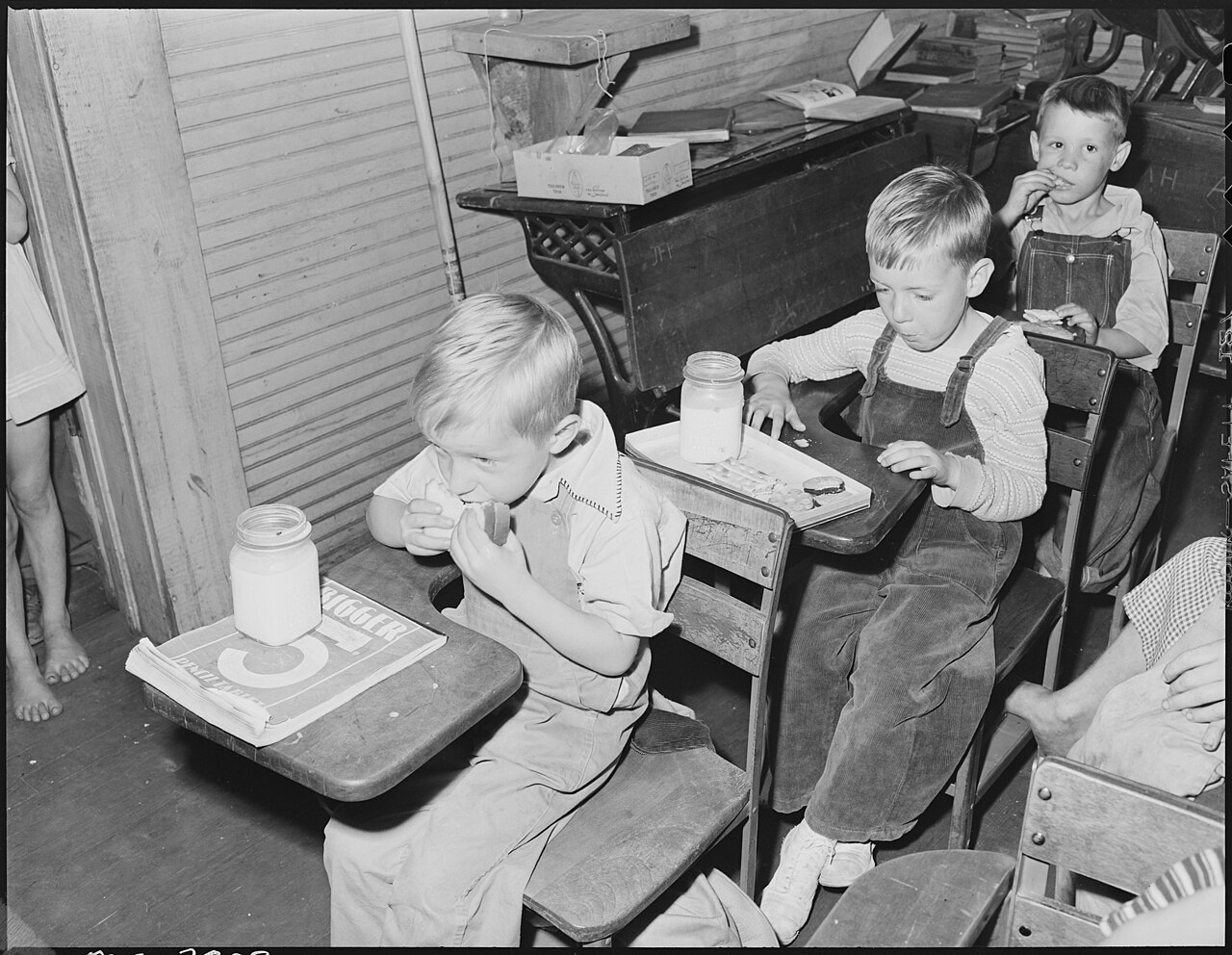
Lance Cheung/Multimedia PhotoJournalist*
Image Credits: Wikimedia Commons
Make the table calm
Calm mealtimes are a strategy, not a luxury. A tense table teaches a child that meals are stressful, and stressed children are less willing to try new things. Aim for a table where the food is the least dramatic thing happening.
Talk about the day, not the plate. Keep the meal to a reasonable length, and let it end without a post-mortem on what was or was not eaten.
Family-style serving helps. When children serve themselves, they control the amount and type of food they take, which builds a sense of ownership.
It also exposes them to every dish on the table, even the ones they skip. A child who passes the salad today still saw it, smelled it, and watched you enjoy it.
Screens and mealtime entertainment pull attention away from food and can stretch meals into battles over one more episode. Keep meals screen-free where possible, and keep your own phone away too. Modelling matters: children who see their parents eating the same foods are more open to trying them, and the SAFE For Children Info Bank notes that kids with parents who model healthy eating tend to be less picky and eat more fruits and vegetables overall.
Get kids involved
Children who help make food are more willing to eat it. Involving kids in meal planning, shopping, washing vegetables, stirring, or setting the table turns a strange food into something they had a hand in.
Ask your child to pick one vegetable to try at the shop, or to choose between two new foods for dinner. The choice gives them ownership without handing them the whole menu.
Keep tasks age-appropriate. A toddler can wash fruit, tear lettuce, or set out spoons. An older child can chop soft foods with supervision, read a recipe, or plan one meal a week.
The point is participation, not perfection. A lopsided sandwich a child made themselves often beats a perfect one made by a parent.
Playful presentation can help without turning dinner into a performance. Funny shapes, silly names, and dips can lower the barrier for a hesitant child.
A taste-test game, where the child guesses a food with eyes closed, can make trying foods feel adventurous. If the game starts to feel like pressure in disguise, drop it and return to quiet exposure.
When to ask a pediatrician
Most picky eating is a phase, and most picky eaters do not have severely restricted diets or growth problems. Still, some signs deserve professional attention.
Seek advice if your child avoids whole textures, shows pain during meals, has significant anxiety or fear around eating, has poor growth or weight concerns, or has a history of reflux, food allergies, oral-motor difficulties, or developmental differences. 1st Foundations Pediatric Therapy lists these as reasons to seek an evaluation.
A pediatrician or feeding therapist can check growth, screen for sensory or medical issues, and build a plan for your child. Bring notes about which foods your child accepts, which are refused, and how mealtimes usually go. That record helps the clinician tell a phase from a problem, and it keeps the visit focused.
Do not wait if meals have become a daily struggle or if you are worried about nutrition. Early support can expand the foods a child accepts, build confidence with new textures, and reduce stress for the whole family.
Asking for help is not a failure of parenting. It is the same move as asking a teacher about reading.
How many times should I offer a new food?
Offer it 10 to 15 times without pressure, across different meals and preparations. Most parents stop after three to five refusals, which is well short of the range research links to acceptance.
Should I cook a separate meal for my picky child?
No. Serve one family meal with at least one familiar food on the plate. Cooking separate meals teaches the child that refusing works, and it doubles the cook's workload every night.
Are rewards for eating a good idea?
Non-food rewards, such as stickers or praise for trying, can help in small doses. Avoid trading dessert for vegetables, since that teaches the child that vegetables are the punishment and dessert is the prize.
What if my child eats only a few foods?
Keep offering variety without pressure, and track whether the list is shrinking. If the accepted list keeps narrowing, or growth and weight worry you, ask a pediatrician for guidance.
Does forcing one bite ever help?
Forcing tends to backfire, since it links the food with fear and conflict. A child who is allowed to touch, smell, or lick a food without eating it is still making progress toward trying it.
Outlook
Picky eating is usually a slow fade, not a sudden fix. The method that works is unglamorous: calm meals, one family menu, repeated exposure without pressure, and a child who decides how much to eat. It takes weeks, sometimes months, for a new food to move from strange to familiar.
The payoff is a child who trusts their own appetite and a table where nobody dreads dinner. Keep offering, keep it calm, and let time do the rest.
Tags: picky eater, child nutrition, mealtimes, parenting
Latest in Parenting
- How to build a bedtime routine kids actually follow
- How toddlers throw tantrums and how to respond
- How to set screen-time limits that work
- How parents can help kids learn to read
Subscribe for one practical parenting guide each week.
Related stories

Why babies cry more in the evening: the witching hour explained
The witching hour is the fussy evening stretch most newborns hit daily. Why overtiredness, cluster feeding, and overstimulation stack up

When Do Babies Start Sleeping Through the Night by Month?
Most babies sleep through the night between 3 and 6 months, with regressions at 4 and 8 to 10 months. See the month-by-month table

Why Your Baby Wakes Up the Second You Put Them Down
Newborns wake when put down as the startle reflex, light sleep, and lost warmth hit at once. It is normal and peaks early, fading