
When Should Kids Learn to Read and How Can Parents Help
Key takeaways
- Most children start reading simple words around age 5, and read with growing fluency at ages 6 to 7.
- Reading aloud from birth builds the oral language that later reading depends on.
- Parents help most by talking about books, not by drilling flashcards.
Parents ask this question with a clock ticking in their heads. A neighbour child reads at four. Their own child is six and still sounding out every word.
Both children can be on a normal path. Reading is not a race with one start line. It is a slow build that starts at birth and pays off across years.
This article explains why there is no single right age, what milestones look like by age, why reading aloud comes first, how parents can help at each stage, and when to ask for help.
There is no single right age
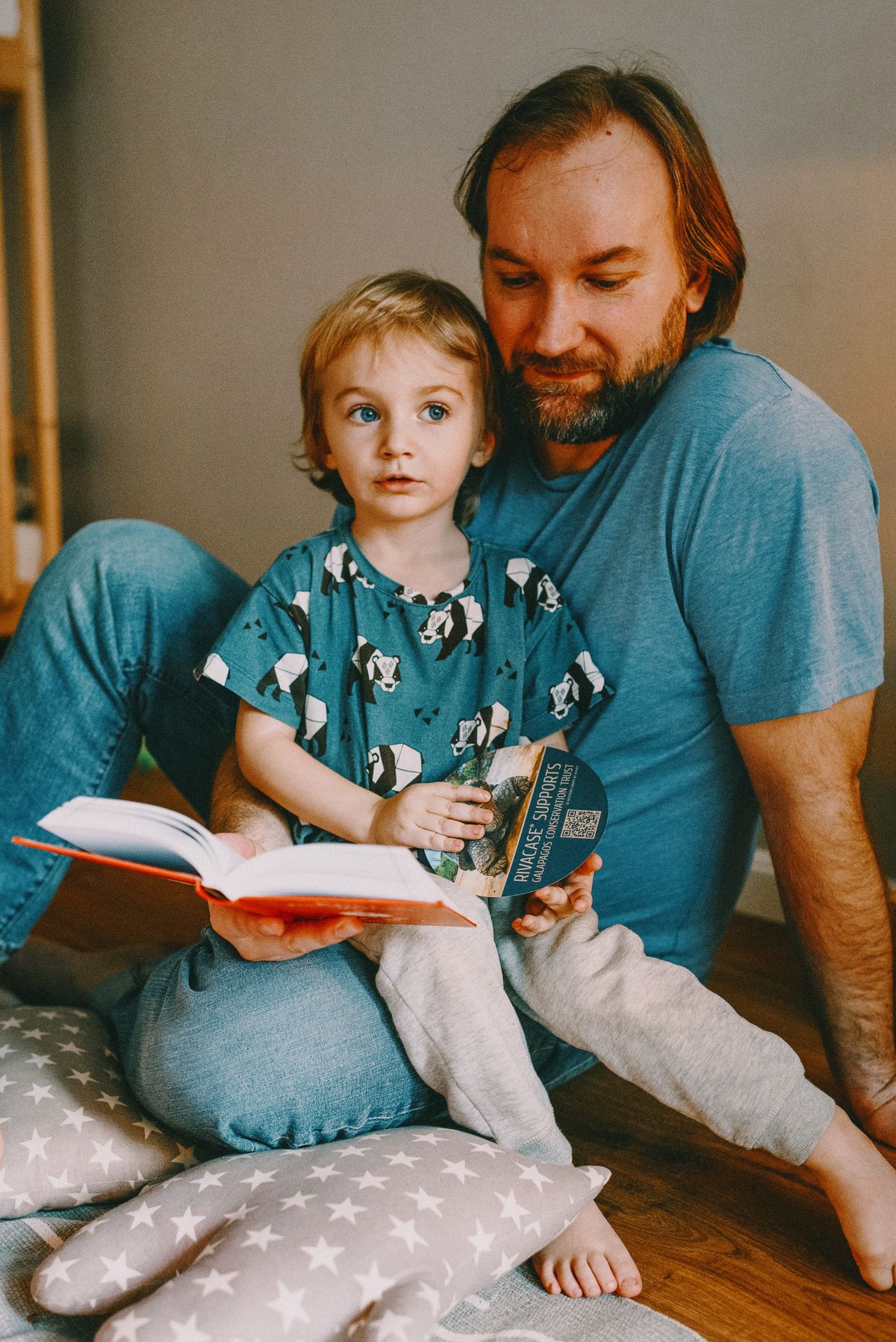
Children learn to read on different schedules. Some crack the code at four. Others take until seven or eight.
Both can become strong readers. What matters more than the start date is the steady build of skills underneath: spoken language, vocabulary, letter knowledge, and the habit of enjoying books.
Reading readiness is highly individual. There is no one-size-fits-all path, and a parent may need to try several approaches before finding the one that fits a particular child. Pressure can backfire.
A child who feels tested at every page can start to see books as work, not pleasure.
School timetables add real pressure, though. Children who fall behind their class can feel the gap and grow frustrated. The answer is not panic.
It is steady daily support at home plus a conversation with the teacher when progress stalls.
The honest framing is this: most children learn to read between kindergarten and second grade, roughly ages 5 to 7, when formal phonics instruction begins. Children who read earlier or later than that band are not automatically ahead or behind. The trend over months matters more than any single week.
Early talk matters as much as early books. Children who hear rich conversation at home arrive at reading with bigger vocabularies. If your child is still in the talking stage, read about when a baby starts talking to see how speech milestones feed into reading.
Milestones by age
Use this table as a guide, not a verdict. Children hit milestones in their own order, and a missed item at one age is rarely a crisis on its own.
| Age | What many children can do |
| --- | --- |
| Up to 1 | Respond to speech, reach for books, pat pictures, understand 50 words or more |
| Ages 1 to 3 | Name familiar pictures, pretend to read, finish sentences in favourite books, scribble |
| Age 3 | Listen to longer read-aloud books, retell a familiar story, recognise the first letter of their name |
| Age 4 | Name some letters, with a good goal of 15 to 18 uppercase letters, match some letters to sounds, notice rhymes |
| Age 5 | Read simple words, predict what happens next in a story, spot first, middle, and last sounds in short words |
| Ages 6 to 7 | Sound out unfamiliar words, self-correct while reading aloud, read familiar stories with growing fluency |
The preschool years are about print awareness: knowing that books are read left to right and top to bottom, that words are separate from pictures, and that letters carry sounds. Kindergarten turns that awareness into decoding, matching letters to sounds and blending them into words.
By the end of Grade 1, many children recognise common words such as a, and, to, and the, and adapt to different materials such as comics and simple emails. By the end of Grade 3, many read aloud with expression, use punctuation to guide meaning, and restate the main idea of a story with supporting details.
A child who loves books but reads slowly is often fine. A child who avoids books entirely, guesses wildly at every word, or cannot retell a story just heard may need a closer look. The pattern across weeks is the signal, not one hard evening.
Why reading aloud comes first
Reading aloud is the highest-leverage thing a parent can do. The American Academy of Pediatrics recommends shared reading beginning at birth and continuing at least through kindergarten, including when possible in the neonatal intensive care unit. Its policy notes that shared reading supports language, cognitive, and social-emotional development.
Perri Klass, lead author of the AAP policy statement, put the stakes plainly: "Research tells us that reading proficiency by third grade is a significant predictor of high school graduation and career success." Third grade is when school shifts from learning to read toward reading to learn. Children who arrive ready for that shift have a smoother path.
Reading aloud works because it is interactive, not because the child hears words. The AAP notes that touchscreens and other electronic devices are typically passive or solitary experiences for children, and do not offer the same benefits of interactivity and relationship building as print books. Print books invite pointing, questions, and pauses.
Screens rarely do.
University of Alabama at Birmingham education professor Kathleen Martin has said that whether a child has been read aloud to regularly is the single biggest predictor of success in learning to read. Reading aloud teaches children how stories work, how print runs left to right, and how words they never hear in conversation sound. It also builds vocabulary faster than talk alone.
Bedtime is the easiest slot. A nightly book makes reading part of the wind-down, and a calm routine helps the habit stick. If bedtime is a battle, build a bedtime routine kids will follow and put the book inside it, not after it.
How parents can help at each stage
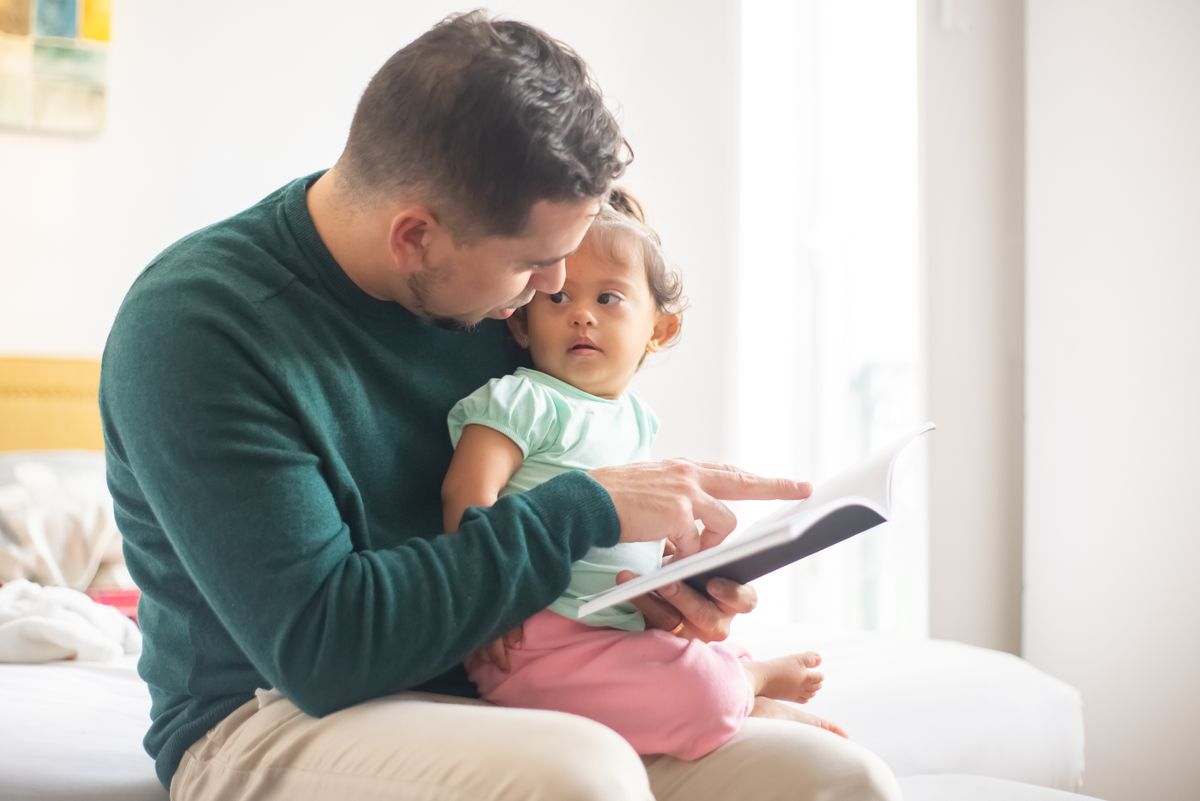
From birth to age two, keep it sensory. Board books, cloth books, and picture books all count. Let the baby hold, chew, and pat the book.
Name pictures, make animal sounds, and follow the baby's gaze. Five minutes of warm lap time beats twenty minutes of a forced lesson.
At ages two to three, let the child drive. Let them pick the book, turn pages, and finish familiar sentences. Ask simple questions: where is the cow, what does the cow say.
Reread favourites without complaint. Repetition is how young children learn the shape of stories.
At ages three to four, play with sounds. Rhymes, songs, and word games build phonological awareness, the ability to hear and play with the smaller sounds in words. Point out letters on signs, labels, and cereal boxes.
Environmental print, the logos and signs of daily life, is often the first print children recognise.
At ages four to five, connect letters to sounds. Magnetic letters, alphabet puzzles, and writing their own name all help. Sound out words together, slowly: c-a-t, then blend.
Celebrate effort, not speed. A child who tries a hard word and gets it half right is learning.
At ages five to seven, keep reading aloud even after the child can read alone. Shared reading exposes children to harder books than they can manage solo, and it keeps books joyful. Let the child pick some books and you pick others.
Ask what might happen next, and why a character acted that way.
Across all ages, talk about books. Ask questions, add to what the child says, and let the child become the storyteller. The families who see the most benefit are rarely the ones who read the most books.
They are the ones who talk the most about the books they read.
Screen time needs a boundary. Shared reading competes with video, and video usually wins unless parents set limits. Clear rules about screen time limits that work protect the quiet half hour that books need.
When to ask for help
Ask the teacher first. Teachers see a child read daily and can compare progress with classmates. Ask what the class is working on, where your child sits against that, and what support the school offers.
Bring notes from home: what you have tried, and what you have seen.
Ask the paediatrician if you see red flags. These include little interest in books by age four, trouble recognising letters by the end of kindergarten, no progress in sounding out words by mid first grade, or a child who cannot retell a simple story. Hearing and vision checks are worth ruling out early, since both feed into reading.
Early help works. Schools can assess reading skills and offer targeted support, such as small-group phonics work. The earlier a gap is spotted, the smaller it stays.
Waiting a year to see if it sorts itself out is the one move that tends to cost time.
At home, keep the tone light while help starts. Read together daily, praise effort, and keep books in reach. A child who struggles at school and finds joy in books at home has two engines, not one.
Frequently asked questions
Should I teach my child to read before school?
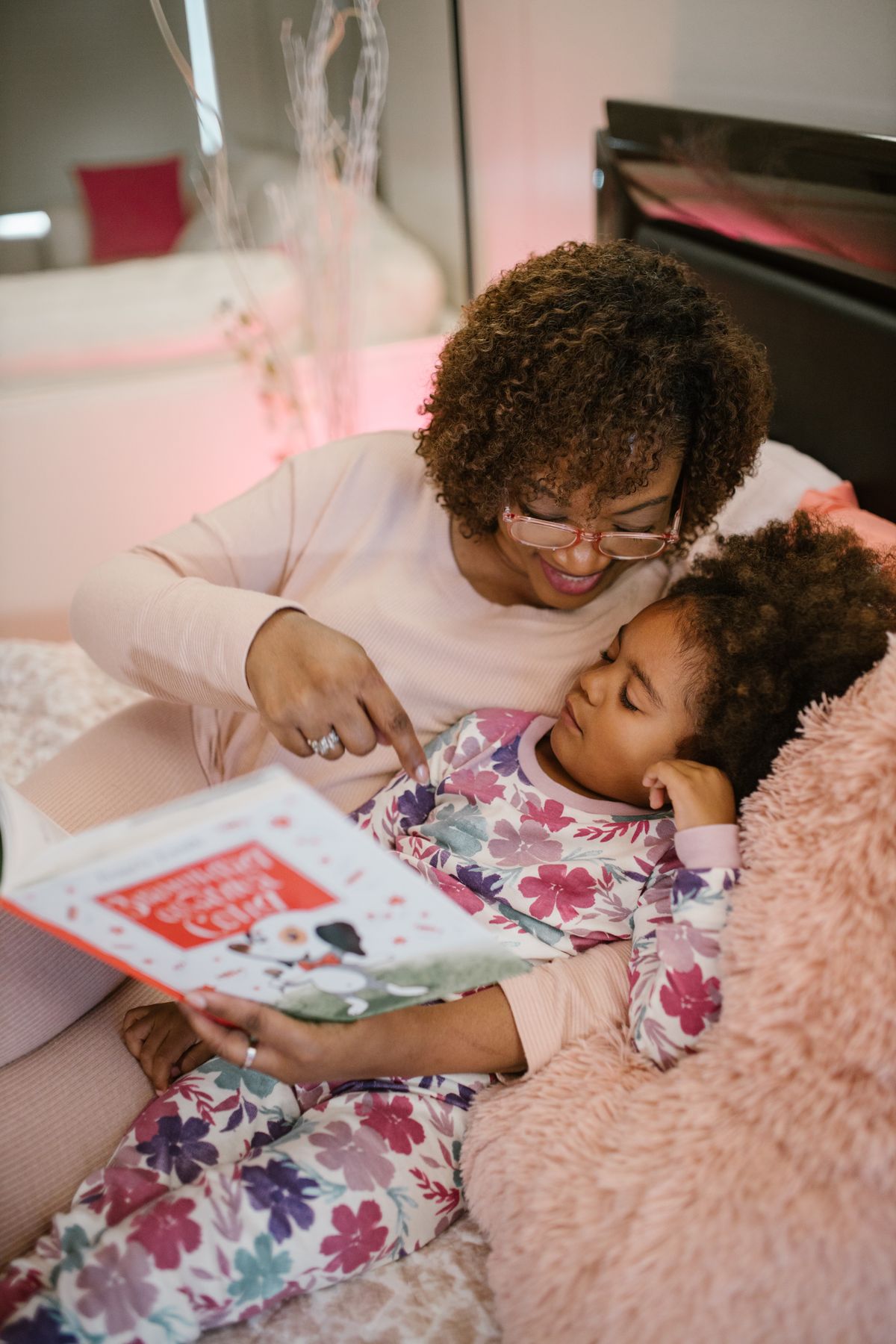
You can, but you do not have to. Reading aloud, talking, singing, and playing with sounds build the base. Formal teaching before school is optional.
A child who arrives at school loving books is already ahead.
Are phonics or whole-word methods better?
Phonics, the explicit teaching of letter-sound links, is the backbone of early reading instruction. Whole-word memory helps with common words such as the and said. Most children need both, with phonics doing the heavy lifting.
How much should we read each day?
Aim for 15 to 30 minutes of shared reading daily. Short, warm, daily sessions beat long weekend marathons. If all you have is five minutes on a hard day, take the five minutes.
My child memorised a book. Is that real reading?
It is a step toward real reading. Memorised reading shows print motivation and story sense. Pair it with pointing at words, sounding out letters, and reading new books, so memory grows into decoding.
The bottom line
Most children learn to read between ages 5 and 7, and the path there starts at birth. Read aloud daily, talk about books, play with sounds and letters, and keep reading together after your child can read alone. Watch the trend over months, not the single hard evening.
If progress stalls, ask the teacher early. The goal is not the youngest reader on the street. It is a child who reads with confidence and keeps reading for life.
Tags: reading, parenting, literacy, child development
Latest in Parenting
- How to get a baby to sleep through the night
- When does a baby start talking, and what is normal
- How to build a bedtime routine kids will follow
- How to set screen time limits that work
Subscribe for one practical parenting guide each week.
Related stories

Why babies cry more in the evening: the witching hour explained
The witching hour is the fussy evening stretch most newborns hit daily. Why overtiredness, cluster feeding, and overstimulation stack up

When Do Babies Start Sleeping Through the Night by Month?
Most babies sleep through the night between 3 and 6 months, with regressions at 4 and 8 to 10 months. See the month-by-month table

Why Your Baby Wakes Up the Second You Put Them Down
Newborns wake when put down as the startle reflex, light sleep, and lost warmth hit at once. It is normal and peaks early, fading