
Why Do Kids Ask the Same Question Repeatedly After Answers?
Key takeaways
- Repeated questions usually mean the child is still searching for an explanation, not ignoring you.
- Repetition also builds language, tests predictability, and asks for reassurance or attention.
- Calm, short, consistent answers plus one new detail work better than scolding or long lectures.
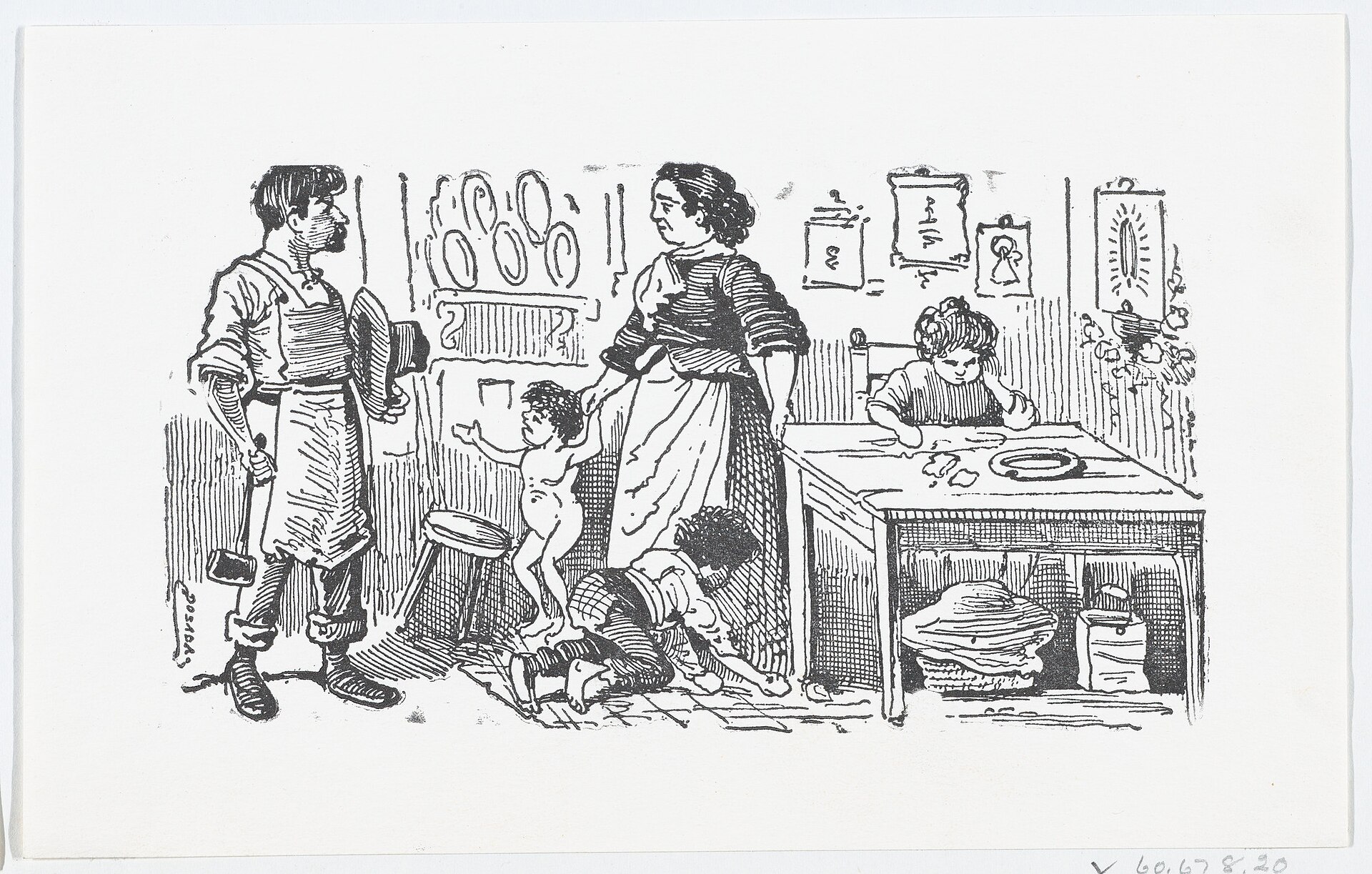
You answer the question. Ten seconds later, your child asks it again.
You answer again, more slowly this time. Ten seconds later, the same question comes back, word for word.
It feels like your child is not listening. In most cases, the opposite is true. The child is listening hard and still has not found what they were looking for.
This article explains why kids ask the same question repeatedly after you answer, including the search for explanations, language practice, predictability, reassurance, and attention. It also covers what to say and when to get extra support.
The main reason: the answer was not an explanation
A child can ask "why" several times in a few minutes. The first answer may be met with a pause, followed by the same question again.
To an adult, that repetition can look like impatience or a refusal to accept the answer. Research into young children's conversations suggests a different possibility.
A study published in Child Development in 2009, titled "Preschoolers' Search for Explanatory Information Within Adult-Child Conversation," examined questions from children between the ages of 2 and 5. The researchers looked at what happened after an adult responded.
A child who asks why the grass is wet has received an answer when told that it rained. But if the child asks again, the first response may not have supplied the kind of explanation they were looking for. The repeated question can signal that something is still missing.
The first part of the research used transcripts from the everyday conversations of six children. Their talks with parents, siblings, and visitors were followed over time, covering roughly age 2 to age 4. When an adult supplied information that actually explained something, children were more likely to accept it or move on. When the response did not explain, children were more likely to return to the same question or offer a possible answer of their own.
The second part examined conversations with 42 preschool children between 3 and 5 years old in a laboratory setting. Toys, books, and videos gave the children things to talk about.
The pattern held. Explanatory answers were more often followed by signs of satisfaction, such as agreeing or moving to a related question.
Non-explanatory answers were more often followed by repetition.
The lesson is practical. A factual answer is not always an explanatory answer.
"Because it rained" names a cause. "The rain fell on the grass overnight, so the blades are still wet" gives the child a mechanism to picture.
Children repeat the question until the mechanism clicks.
Repetition builds language
Toddlers are still developing language skills. Repetition of the same question serves to practice those skills and check that they are understood correctly. Each repetition strengthens the neural connections that support speech and comprehension.
Toddlers learn that the words they speak have the power to make things happen. They can ask for a snack, a song, or a hug, and the world responds. Repeating the question tests whether that power works every time.
The same pattern shows up with demands. A toddler may repeat a request for a snack seconds after hearing the answer.
That repetition is not intended to be manipulative or defiant, according to child development experts cited by the Times of India. It is part of how the brain, emotional life, and language skills grow together.
Repetition tests predictability and control
Young children live in a world largely controlled by adults. Adults decide schedules, food, movements, and choices. Repeating a question is one way a child can exercise control.
By repeating the question, the child checks whether the answer stays the same. Consistent answers make the child feel secure and safe. If the answer changes, the child may repeat the question more, because the change creates uncertainty.
This is part of a growing need for autonomy. Toddlers are learning that they are separate people with their own needs and preferences.
A repeated question is a small experiment in cause and effect.
"If I ask again, does the world still answer the same way?"
Predictability also explains why some questions cluster around transitions.
"When are we leaving for the beach?"
The question may be less about the time and more about whether the plan is still real. Each repetition checks that the exciting event has not vanished.
Repetition asks for reassurance and attention
Sometimes the question is not about the question at all. It is about reassurance. A child may ask a question they already know to confirm that answers are still available and that the adult is still there.
Parenting Patch describes this pattern clearly.
"Where is my brother?"
The real feeling may be "I miss my brother and want him to come home." The simple question is easier to ask than the complex feeling behind it.
The familiar question reliably produces a comfortable answer.
The Center for Childhood Development explains that familiar, rehearsed question forms are easier to pull up from memory. Forming a new question can be anxiety inducing, even for adults. A child under stress falls back on the question they know works.
Attention plays a role too. Repeated questions often arrive when a parent is busy, driving, or working.
The child may have learned that a question gets attention faster than a statement. If the adult answers, the child feels seen and connected.
If the adult is distracted, the child may ask again to reclaim that connection.
Why "later" and "in a minute" trigger more repeats
Terms such as waiting, later, or not now are hard for toddlers. Their perception of time is very immediate.
If a child hears "after dinner" or "in a minute," the child will likely repeat the request. The child cannot wait mentally, and repetition is a way to check whether the response has changed or the event is near.
Impulse control adds to this. Brain areas that control self-control are still developing in young children.
Even after hearing an answer such as "no," the child's brain may not have the capacity to stop the impulse to ask again. The thought keeps recurring, and the question follows it.
This is why a calm, concrete answer works better than a vague delay. "After lunch" is abstract.
"After we eat sandwiches, then we go to the park" gives a sequence the child can picture. A picture schedule with drawings of the day's steps can help children who cannot read yet.
What to say instead of "I already told you"
Dismissing the question usually makes it worse. "I already told you" ends the exchange without giving the child what they needed. The child then has two problems: the original confusion plus the feeling of being shut down.
Start by giving the familiar answer again, briefly. Then add one new detail.
Parenting Patch suggests this approach.
"Is that a fountain?"
For the tenth time, try "Yes, that fountain sprays water up into the air, and then the water splashes back down." The new detail gives the child something fresh to process.
Try asking what the child thinks.
"Why do you think the grass is wet?"
This turns the exchange into a joint investigation. The child's answer shows you what they already understand and what gap remains.
Rephrase the answer in simpler terms. Adults often answer at a level above the child's understanding.
Shorter sentences, concrete words, and one idea at a time land better.
"Rain fell last night. The grass is still wet from the rain."
That version beats a long explanation about weather systems.
When repetition needs a closer look
Repetitive questions are normal in toddlers and preschoolers. They usually fade as language, memory, and self-control grow. But there are cases where a closer look helps.
If a child keeps asking the same questions repeatedly well into elementary age, it can be a sign of ADHD or other developmental struggles, according to Parenting Patch. Some parents of children with ADHD report the same pattern. Strategies that help include having the child echo the answer back, writing the answer down, or texting it so the child can refer back to it.
Other signs to watch include repetition that comes with major distress, loss of previously learned skills, or difficulty with social interaction. A child who seems unable to retain answers at all, or who repeats questions in a rigid way that blocks all other activity, deserves a professional look.
If you think you are seeing signs of a developmental disorder, speak with your child's healthcare provider. This article is general information, not medical advice. A clinician who knows your child can sort normal repetition from something that needs support.
For comparison, other toddler behaviors follow similar developmental logic. Why toddlers line up toys in rows covers pattern play, and why toddlers say no even when they mean yes explains another behavior that looks defiant but is mostly developmental.
FAQ
Is it normal for a 3-year-old to ask the same question 10 times?
Yes, in most cases. Preschoolers repeat questions to build language, test predictability, and search for explanations. The behavior usually fades as their understanding and self-control grow.
Should I answer the same question every time?
Answer briefly each time, then add one new detail or ask what the child thinks. Ignoring the question or scolding usually increases repetition rather than reducing it.
What if my child asks the same question because they want attention?
That is common and normal. Give a brief moment of full attention, answer, and move on. A short, warm response satisfies the need faster than a distracted one.
How do I handle repeated questions in the car?
Keep answers short and concrete.
"The fountain is by the hospital. We pass it every Friday."
A picture schedule or a simple count of landmarks can give the child something to watch for instead of repeating the question.
When should I talk to a pediatrician about repetitive questions?
Talk to a clinician if repetition continues strongly into elementary age, comes with distress or skill loss, or interferes with daily life. A pediatrician can check for developmental concerns and suggest strategies.
The bottom line
Kids ask the same question repeatedly because they are still learning how the world works. They may be hunting for a real explanation, practicing language, testing whether answers stay steady, or asking for reassurance and attention. The repetition is work, not defiance.
Answer calmly, keep it short, and add one new detail each time. Ask what the child thinks.
Over time, the loops shorten as the child's understanding grows. The questions that test your patience today are the same ones building your child's mind.
Tags: parenting, child development, toddlers, communication
Latest in Parenting
- Why do toddlers line up toys in rows?
- Why do toddlers say no even when they mean yes?
- Why do babies stare at ceiling fans and lights?
Subscribe for one practical parenting explainer each week.
Related stories

Why babies cry more in the evening: the witching hour explained
The witching hour is the fussy evening stretch most newborns hit daily. Why overtiredness, cluster feeding, and overstimulation stack up

When Do Babies Start Sleeping Through the Night by Month?
Most babies sleep through the night between 3 and 6 months, with regressions at 4 and 8 to 10 months. See the month-by-month table

Why Your Baby Wakes Up the Second You Put Them Down
Newborns wake when put down as the startle reflex, light sleep, and lost warmth hit at once. It is normal and peaks early, fading