
How to Teach a Child to Share Without Shaming Them
Key takeaways
- Real sharing usually starts around age 3, so expect turn-taking first and full generosity later.
- Shaming a child for not sharing builds resentment, not generosity, so coach the behavior instead.
- Timers, scripts, and playdate setup do more work than lectures, and praise locks in progress.
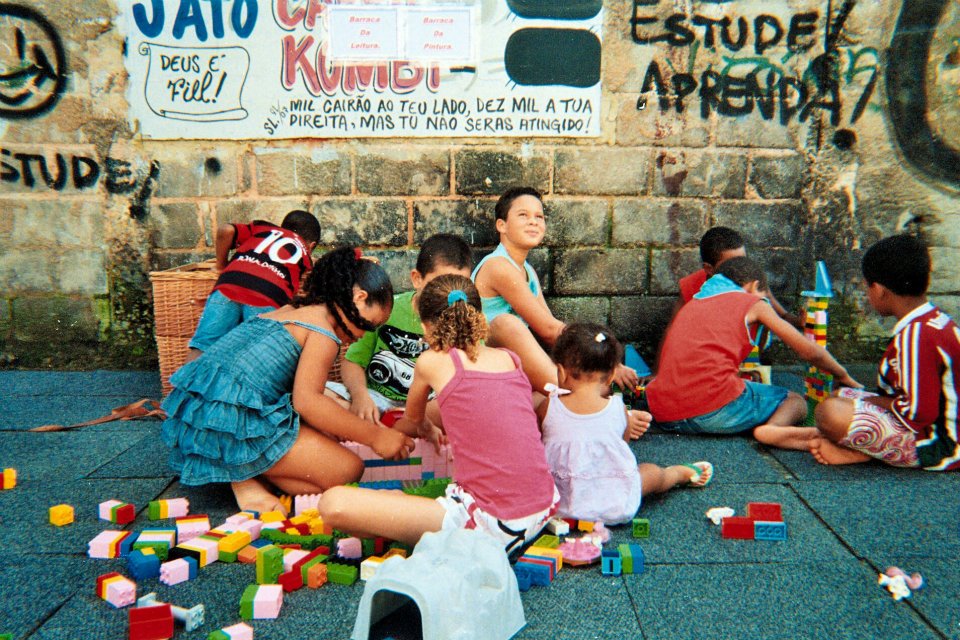
Teaching a child to share means teaching turn-taking, patience, and care for other people. It does not mean forcing a child to hand over a favorite toy on command. Young children learn generosity slowly, through practice and example, not through guilt.
This article explains how to teach a child to share without shaming them, including why young children find sharing hard, what to say instead of shaming, and how to set up playdates for success.
Why young children find sharing hard
A toddler who shouts "Mine!" is not being selfish in the adult sense. That child is learning that things belong to people, and ownership feels new and exciting.
What to Expect notes that this possessive phase is the first step toward learning how to share, not a character flaw.
Sharing also asks a lot of a small child. It requires waiting, imagining how another child feels, and trusting that the toy will come back. A 2-year-old is still building each of those skills.
Real sharing and respect for the rights of others usually flower around age 3, according to What to Expect.
That timeline matters. If you expect adult-style generosity from a toddler, you will feel frustrated every day. If you expect slow progress with setbacks, you can coach each small step.
What shaming does to a child
Shaming sounds like calling a child selfish, greedy, or mean for not sharing. It can also look like forcing a child to hand over a prized toy while other children watch. Both approaches teach the wrong lesson.
BabyCenter Canada warns that telling a child he is selfish, disciplining him for not sharing, or forcing him to hand over a prized possession fosters resentment, not generosity. The child learns that sharing means losing, and that adults side with other children over him.
Shame also targets identity instead of behavior. "You are selfish" tells a child something is wrong with who he is. "Grabbing hurts your friend, and you can ask for a turn instead" tells him what to do next time.
The second version keeps his dignity intact and gives him a skill.
There is one more cost. A shamed child often hides the behavior instead of changing it. A coached child learns words for the moment and can use them when you are not standing nearby.
Start with turns, not forced sharing
Sharing is easier when a child hears it as taking turns. A turn ends. Giving something away feels permanent to a young child.
BabyCenter Canada suggests reassuring a child that sharing is not the same as giving away, and pointing out that friends who share toys get turns with each other's toys too.
What to Expect advises asking a child's permission before offering her toy to a playmate. If she says no, do not push her. Try again later, and let her decide to share.
This approach protects trust. The child learns that adults respect her things, which makes her more willing to share them. It also mirrors how adults treat each other.
You would not grab a friend's phone and hand it to a stranger.
Turn-taking games build the same skill with less pressure. Build a block tower by adding blocks one at a time. Roll a ball back and forth and take turns saying whose turn it is.
Board games with dice and cards give older children repeated practice in waiting.
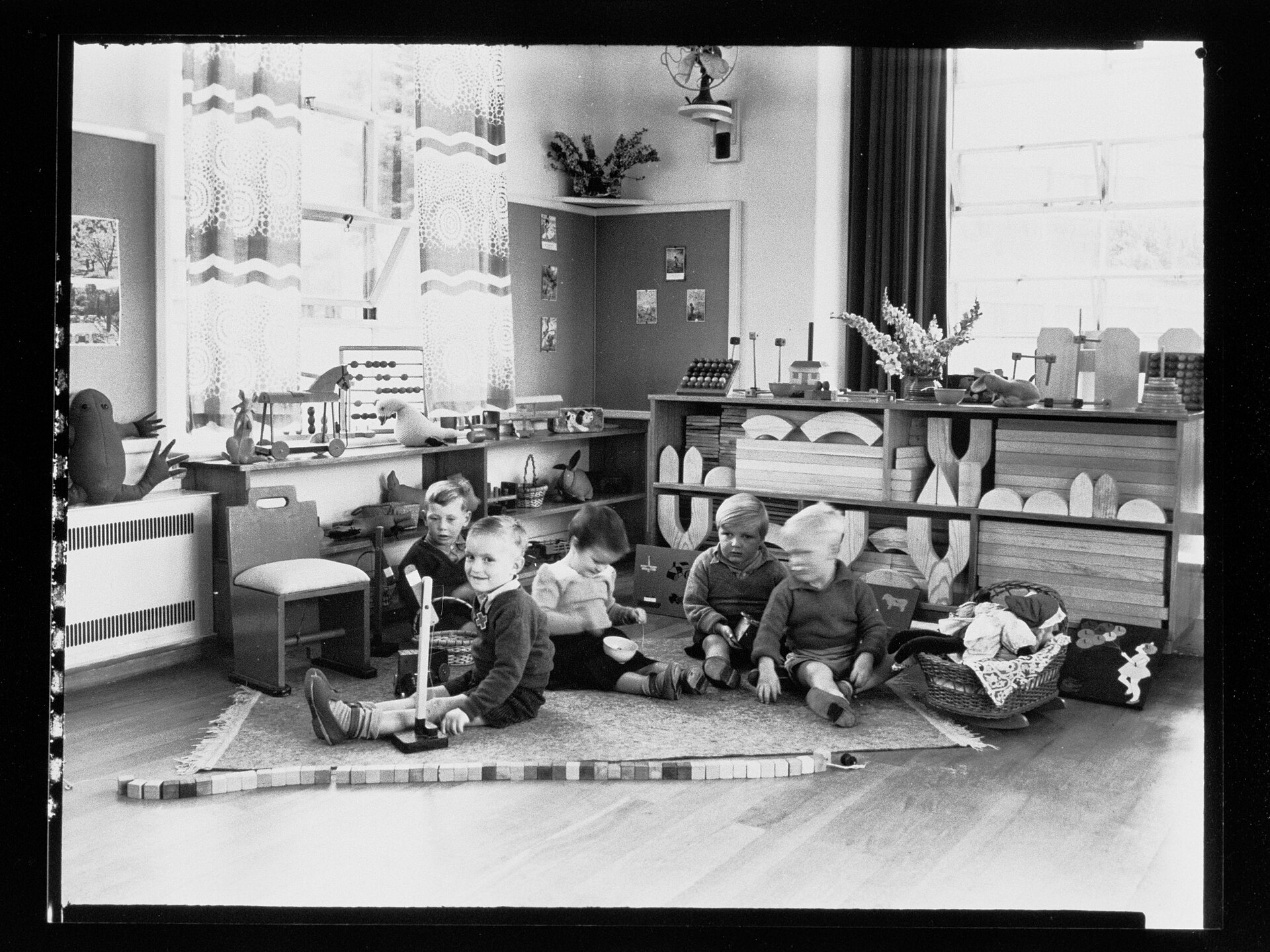
Scripts that work in the moment
Children share more when they know the words to use. Short scripts beat long explanations during a squabble. Keep your voice calm and your sentences short.
When your child grabs a toy, try this: "You want it now. Your friend is using it. You can say, 'Can I have a turn when you are done?
'" Then help the other child answer. The pair learns a full exchange, not just a rule.
When your child refuses to share, try this: "It is hard to wait. You can play with the puzzle while you wait, and I will tell you when your turn starts." Naming the feeling first lowers the heat.
Offering a plan second gives the child something to do.
When your child does share, name it right away. What to Expect offers the example, "You gave Molly a turn, that was so kind!" Praise like this points at the action, not at a label.
It tells the child exactly what worked.
Keep the same phrases across weeks. Repetition is how a script becomes a habit. Children learn through repeated practice, so the same calm lines at every playdate do more than a new lecture each time.
Set up playdates for success
Many sharing battles start before the guest arrives. A little setup prevents most of them. Ask your child to pick out special toys and put them away before a friend comes over.
BabyCenter Canada suggests exactly this step, and it works because the child keeps control of what stays private.
Then pick out toys that suit two children at once. Building blocks, art supplies, dress-up clothes, and modeling clay invite side-by-side play. A single remote-control car invites a fight.
You can also ask the visiting child to bring a toy or two. Sharing feels fairer when both children bring something to the table. It also gives your child a chance to ask for a turn, not just to give one.
For a popular toy, let a timer settle the turns. What to Expect suggests setting a kitchen timer for 5 or 10 minutes, then switching when the bell rings. The timer is neutral.
Nobody has to argue with it, and both children can hear the rule coming.
Praise the behavior, not the label
Praise works best when it is specific and immediate. "You shared" is vague. "You let Sam use the red truck, and he smiled" is a story the child can repeat.
Michele Borba, a child psychologist and parenting author, suggests pointing out the effect sharing has on the other child, since seeing that effect makes a child more likely to repeat the behavior.
Praise effort as well as results. A child who shows a toy without letting go is taking a first step. A child who waits 30 seconds before grabbing is practicing self-control.
Notice those steps out loud.
Avoid tying praise to being a "good girl" or "good boy." Labels make children chase approval instead of learning the skill. Behavior praise keeps the focus on what the child did and why it mattered.
The same rule applies to correction. Criticize the behavior, not the child. "Grabbing took your friend's turn" is a fixable problem.
"You are mean" is a verdict.

Help your child see the other side
Perspective-taking grows slowly, and you can coach it in small doses. When a squabble starts, describe what each child wants. "Josh really likes that toy, and he does not want anyone to play with it right now," BabyCenter Canada offers as an example.
That sentence teaches your child that other people have feelings about their things too.
Role reversal adds another layer. Borba suggests asking a child to imagine the other child's view after a refusal to share. A simple question works: ask how your friend felt while he watched you play.
Keep it curious, not accusing.
Stories help as well. Pause during a picture book and ask what a character wants and what the friends could do. Then link the story to real life without naming and shaming any child in public.
As children grow, this skill turns into negotiation. They start to propose trades, set timers themselves, and split sets of toys. Those are signs that sharing is becoming their skill, not just your rule.
When your child still refuses
Some days, coaching will not work. A tired child, a new sibling, or a hard day at preschool can shrink a child's patience to zero. That is normal, and it is not a reason to switch to shame.
First, check the basics. Hunger, tiredness, and overstimulation make waiting much harder. A snack, a quiet corner, or a shorter playdate can solve what a lecture cannot.
Second, use a calm consequence tied to the toy, not to the child. Borba describes a classroom rule some teachers use: "If you do not share, you do not play." In practice, that can mean the contested toy takes a short break, and the other child gets the first turn when the break ends.
The rule is predictable, and it applies to everyone.
Third, protect the friendship. If one playdate keeps collapsing over the same toy, put that toy away next time. You are not giving in.
You are choosing a battle your child can win.
Finally, look at the pattern over weeks, not minutes. A child who shared twice last month and five times this month is learning. Progress in sharing looks like a wobbly line going up, not a straight climb.
FAQ
At what age do children start to share?
Most children begin real sharing around age 3, according to What to Expect. Before that, toddlers can practice turn-taking with help, but they still struggle to wait and to see another child's point of view.
Should I force my child to share?
No. Forcing a child to hand over a toy teaches that her needs matter less than other people's, and it can make her feel insecure. Asking permission, offering turns, and coaching words work better over time.
What if my child never shares?
Look for small steps first, such as showing a toy, waiting briefly, or trading. Praise those steps. If a child shows no progress for months, or if aggression keeps growing, talk with a pediatrician or a child development specialist for guidance.
Is it okay for a child to keep some toys private?
Yes. Every child may keep a few special items out of the sharing pool. Put those toys away before guests arrive, and let the child share the rest.
Choice makes sharing easier.
The bottom line
Teaching a child to share without shaming them takes patience, scripts, and setup. Name feelings, offer turns, use a timer, and praise the behavior you want to see again. Skip labels like selfish, and skip forced handovers.
Over weeks and months, those small coached moments add up to a child who shares because it feels good, not because an adult made her feel bad.
Tags: parenting, sharing, toddlers, child development
Latest in Parenting
- How praise builds a child's confidence
- How to prepare your child for the first day of school
- Why children lie and what to do
- Why toddlers bite and how to stop it
Subscribe for one practical parenting idea each week, straight to your inbox.
Related stories

Why babies cry more in the evening: the witching hour explained
The witching hour is the fussy evening stretch most newborns hit daily. Why overtiredness, cluster feeding, and overstimulation stack up

When Do Babies Start Sleeping Through the Night by Month?
Most babies sleep through the night between 3 and 6 months, with regressions at 4 and 8 to 10 months. See the month-by-month table

Why Your Baby Wakes Up the Second You Put Them Down
Newborns wake when put down as the startle reflex, light sleep, and lost warmth hit at once. It is normal and peaks early, fading