
How to Prepare a Child for the First Day of School
Key takeaways
- Start the school sleep and morning routine a week or two before the first day, so the morning feels familiar instead of rushed.
- Rehearse the day in small ways, from the route to school to the goodbye at the door, so your child knows what comes next.
- Keep goodbyes short, warm, and confident, and plan a calm check-in after pickup to hear how the day went.
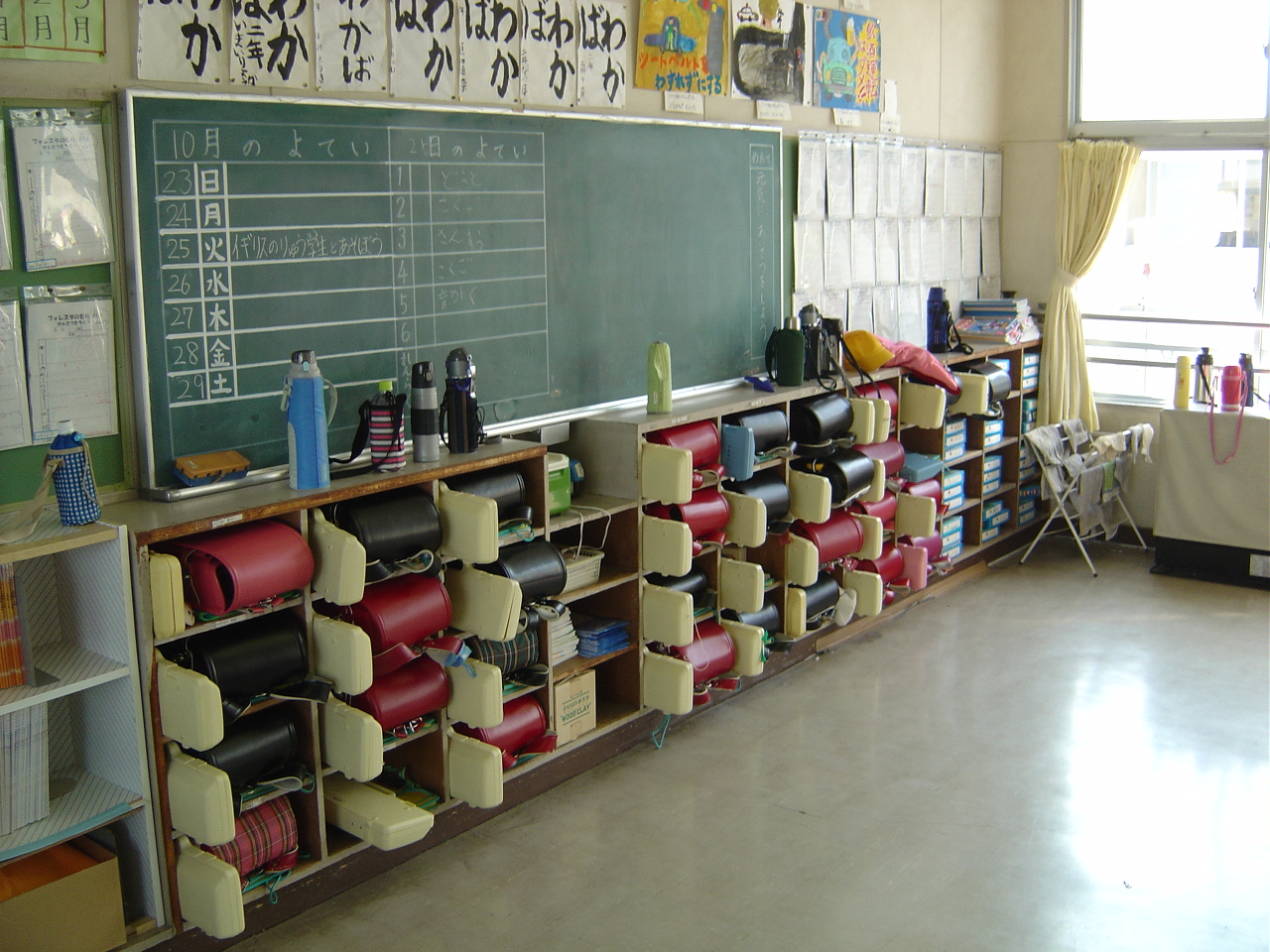
The first day of school is a big change in a small life. A child walks into a new room, meets a new teacher, and spends hours away from home for the first time, or the first time in months. That mix of excitement and nerves is normal.
Most children feel some of it, and most parents feel some of it too.
Preparation does not remove every worry. It gives a child a clear picture of what will happen and a plan for each part of the day. This article explains how to prepare a child for the first day of school, including sleep and morning routines, rehearsal, talking about feelings, packing, the goodbye, and the after-school check-in.
Start the routine a week or two early
Sleep is the first thing to fix. The American Academy of Pediatrics advises families to help children adjust to earlier bedtimes a week or two before the new school year starts. A sudden switch from late summer nights to an early alarm makes the first morning harder than it needs to be.
School-age children generally need 9 to 12 hours of sleep, according to guidance cited by Puget Sound Psychotherapy and Psychiatry from the American Academy of Pediatrics. Teenagers need 8 to 10 hours. Moving bedtime earlier by 15 to 30 minutes every few days is gentler than one big jump.
Morning practice helps just as much. Run the full routine a few times before school starts. Wake up at school time, get dressed, eat breakfast, brush teeth, and pack the bag.
The Fallbrook Union Elementary School District suggests getting up 15 to 30 minutes earlier than usual so nobody rushes. A calm morning sets the tone for the whole day.
A picture schedule can help younger children follow the steps. Draw or print simple images for each task, from getting dressed to putting on shoes. Older children may prefer a short written checklist.
Either way, the goal is the same: the child knows what comes next without being told at every step. That sense of control lowers stress, and it builds the same kind of independence that helps a child learn to share without shame and handle small social moments on their own.
Rehearse the school day before it happens
Children fear what they cannot picture. A rehearsal turns the unknown into something they have already walked through. Visit the school if you can, even if you only walk around the grounds and look at the entrance.
Point out where drop-off happens and where you will stand at pickup.
Practice the trip too. Walk the route, ride the bus route in the car, or do a drive-by of the building. The PBS SoCal expert guide suggests a drive-by or role-play in the week before school starts.
Ask what your child feels excited about and what feels worrying. Then answer the worries with facts: where the classroom is, who will meet them, and when you will return.
Role-play works well at home. Set up a pretend classroom with stuffed animals as students. Practice raising a hand, asking for help, and saying goodbye at the door.
One short session is enough. The point is not to act out the whole day. The point is to show your child that school follows a pattern, and that the pattern ends with you coming back.
Rehearsal also helps parents. You learn where the bottlenecks are, whether the bag is too heavy, or whether the shoes take too long to fasten. Fix those problems at home, on a quiet afternoon, instead of on the first morning.
Talk about feelings without planting worries
Ask open questions. "What part of school sounds fun to you?" invites a real answer.
"Are you anxious?" can plant a worry that was not there. The PBS SoCal guide warns against leading children toward anxious answers and suggests asking instead whether they feel excited, prepared, or curious.
Name the feelings your child does express. If your child says they feel scared, answer plainly: that feeling is normal, and many children feel it. Sara Bode, chair of the American Academy of Pediatrics Council on School Health, has said that jitters about the first days are common at any age, and that families can reassure a child that others feel the same way.
Rehearsing the new situation and problem-solving worries together can help a child feel ready.
Keep your own worries out of the conversation. Children read a parent's face faster than any words. If you sound nervous, your child will assume there is something to fear.
Speak about school the way you would speak about a trip: interesting, a little new, and something to look forward to. Share a happy memory from your own school days if you have one.
Make it safe to raise hard topics. The American Academy of Pediatrics advises parents to tell children they can bring up anything without judgment. A child who trusts that promise will tell you about a problem early, while it is still small.
That trust matters far beyond the first day, whether the issue is a child who lies about small things or a clash with a classmate.
Pack and plan the night before
The night before the first day is when the morning gets won or lost. Lay out clothes together and let your child choose between two outfits. Pack the backpack, fill the water bottle, and set out shoes by the door.
The Fallbrook district guide recommends picking out clothes the night before and allowing time for a good breakfast.
Keep the bag simple. A water bottle, a snack, and any supplies the school requested are enough for day one. A small comfort item, like a family photo or a note in the lunchbox, can help a younger child.
Check the school's rules first, since some classrooms limit personal items.
Breakfast deserves a real plan. The American Academy of Pediatrics suggests a morning meal with protein. A rushed child who skips breakfast starts the day hungry and distracted.
Set the table the night before if that helps. A banana, eggs, or yogurt with bread covers the basics without a long cooking session.
Confirm the logistics too. Know the drop-off spot, the pickup time, and who is allowed to collect your child. Save the school office number in your phone.
Small certainties add up to a calm morning.
Make the goodbye short and steady
Goodbye is often the hardest minute of the day. The best approach is short, warm, and confident. Walk your child to the agreed spot, give a hug or a special handshake, say when you will be back, and leave.
Lingering can make the separation harder for both of you.
A goodbye ritual helps. It can be as simple as three squeezes of the hand, a secret handshake, or the same short phrase every day. Rituals give a child something predictable to hold onto.
They also give you a clean exit: once the ritual is done, the goodbye is done.
Do not slip away without saying goodbye. A child who turns around and finds a parent gone can feel tricked, and the next goodbye gets harder. Say it plainly, smile, and go.
Teachers expect this moment and know how to help a child settle. Most tears stop within minutes once the classroom routine begins.
If your child cries, stay calm and brief. Acknowledge the feeling, restate the plan, and leave. "You feel sad, and I will be here at three o'clock" is enough.
Long explanations at the door only stretch out the hard part. Your confidence tells your child that school is safe.
What to do after pickup
Pickup is the second half of the plan. Greet your child with warmth and a few minutes of undivided attention. A walk, a snack, or ten quiet minutes at home all work.
Avoid a long list of questions right away. Many children need a little decompression time before they can describe their day.
Then ask one or two open questions. "What was the best part?" works better than "How was school?
" If your child mentions a worry, listen without fixing it at once. Ask what they think would help.
Watch for signs that adjustment is taking longer. The Fallbrook guide notes that clinging, tears, sleep trouble, or complaints of headaches and stomach pain can appear around transitions. A few days of nerves are common.
If distress lasts weeks, talk to the teacher or school counselor.
Celebrate the milestone. The first day is an achievement, even if it was imperfect. A favorite dinner, a park visit, or simply telling your child you are proud of them marks the day as something good.
That memory carries into day two.
Frequently asked questions
How far ahead should I start preparing my child?
Start the sleep and morning routine a week or two before school begins. Shift bedtime earlier by 15 to 30 minutes every few days. Add one rehearsal, such as a school visit or a practice morning, in the final week.
What if my child cries at drop-off?
Stay brief and warm. Use your goodbye ritual, state when you will return, and leave. Most children settle quickly once the classroom routine starts.
If crying lasts for weeks, speak with the teacher or school counselor.
Should I stay in the classroom on the first day?
In most cases, no. A short goodbye at the agreed spot works better than a long stay. Check your school's policy, since some schools invite parents in briefly on day one and others do not.
What should I pack for the first day?
Pack what the school asked for, plus a water bottle and a snack. A small comfort item or lunchbox note can help a younger child if the school allows it. Keep the bag light enough for your child to carry alone.
The bottom line
A good first day is built in the week before it happens. Shift sleep earlier, rehearse the morning, pack the night before, and keep the goodbye short and confident. Then greet your child warmly at pickup and listen to how the day went.
Nerves are normal, and most children settle within days once the routine takes hold.
Tags: parenting, school, children, routines
Latest in Parenting
- How the way you praise a child builds confidence
- How to teach a child to share without shaming
- How to help a shy child make friends
Subscribe for one practical parenting idea each week.
Related stories

Why babies cry more in the evening: the witching hour explained
The witching hour is the fussy evening stretch most newborns hit daily. Why overtiredness, cluster feeding, and overstimulation stack up

When Do Babies Start Sleeping Through the Night by Month?
Most babies sleep through the night between 3 and 6 months, with regressions at 4 and 8 to 10 months. See the month-by-month table

Why Your Baby Wakes Up the Second You Put Them Down
Newborns wake when put down as the startle reflex, light sleep, and lost warmth hit at once. It is normal and peaks early, fading