
How to Help a Shy Child Make Friends
Key takeaways
- Shyness is a temperament, not a defect, and one real friendship can change a shy child's school life.
- Small, repeated practice beats big crowded events for building social confidence.
- Parents help most by coaching skills, arranging one-on-one time, and praising brave effort.

A shy child is not a broken child. Shyness usually means a child takes longer to warm up to new people and new settings, and watches before joining in. WebMD notes that shyness is not a medical condition, and children may outgrow it on their own with support.
That watching habit can look like rejection to other children. A child who stands ten feet away and stares may seem uninterested, even when the child badly wants to join. Parents can break that loop with steady coaching, not pressure.
This article explains what shyness is, why pushing rarely works, and which steps help a shy child make friends, including social scripts, one-on-one playdates, school teamwork, and signs that extra help is needed.
What shyness looks like in children
Shy children often show physical signs when they face unfamiliar people. WebMD lists trembling, a fast heart rate, stomach ache, blushing, and sweating among them. Behaviour signs include avoiding social contact, feeling self-conscious, and worrying about what others think.
These signs do not mean a child is unfriendly. They mean the child's alarm system fires fast in new social settings. A child who feels watched may freeze, go quiet, or cling to a parent.
Shyness also differs from social anxiety. WebMD draws the line plainly: shyness is a personality trait, while anxiety is a mental health condition. A child whose shyness blocks school, sleep, or daily life may need a professional check, and that step is covered later in this article.
Why shy children get stuck in a loop
Psychology Today describes a cycle that traps many shy children. A child feels uneasy, so the child avoids other children. Less contact means less practice with conversation, turn-taking, and sorting out small arguments.
Less practice then makes the next social moment feel harder. The child avoids again, and the gap widens. Other children may read the withdrawal as disinterest and stop inviting the child.
Research cited in that article adds a useful detail. Psychologist Heidi Gazelle of the University of North Carolina at Greensboro presented a three-part description of anxious, solitary children to almost 700 third graders. The children she studied wanted to interact, but shyness held them back.
The good news sits inside the same finding. These children wanted connection. They did not lack interest, they lacked a workable way in.
That is a coaching problem, and coaching works.
Start with acceptance, not a label
The first step is to stop calling the child shy in front of other people. WebMD advises parents not to label a child as shy, because the child may adopt the label as an identity. A softer phrase works better, such as saying the child takes time to warm up to people.
Teach friendship as a set of skills
Friendship rests on skills, and skills can be practised. Child psychologist Michele Borba lists 25 ways to help children make and keep friends, and most of them are small, teachable moves. Listening, greeting, taking turns, apologising, and calming down all appear on her list.
Pick one skill at a time. Explain what it is, show how it looks, practise it at home, and then let the child try it with a peer. Moving to the next skill too fast leaves none of them solid.
Social scripts help most at the start. Psychology Today notes that much of what people say to each other is routine, not witty banter. A greeting with eye contact, a clear voice, and a friendly smile can start a friendship.
Practise a few scripts by role play at home. Useful ones include:
- "Hi, my name is Sara. Can I play too?"
- "That looks fun. What are you building?"
- "Thanks, that was kind of you."
- "Do you want to take turns? You go first."
Keep scripts short. A child who memorises a long speech will sound rehearsed and may freeze when the other child answers in an unexpected way. Two or three lines are enough.
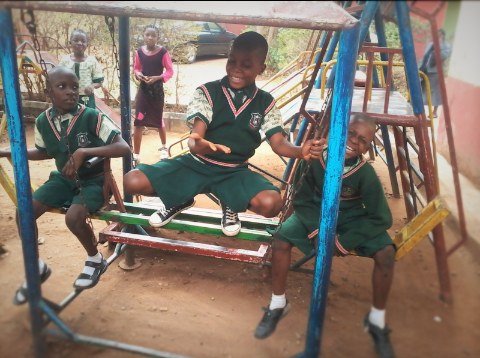
Follow the child's interests
Children make friends by doing fun things together. Psychology Today advises parents to follow the child's interests, because a shared activity gives children something to do and talk about. A child who is focused on a game or a project worries less about being judged.
Look for the activity the child already likes. Drawing, football, building blocks, nature walks, coding clubs, and music groups can all serve as bridges. The activity matters less than the fit.
Choose settings with structure where possible. A club with a clear task gives shy children a role and a reason to talk. Open, unstructured crowds with no activity often feel hardest for them.
WebMD makes the same point in simpler terms: encourage the child to join sports or school activities that peers already enjoy. Most friendships start between people with similar interests, so shared interests are a practical place to begin.
Use one-on-one playdates first
Big birthday parties can overwhelm a shy child. One guest at home often works better. Psychology Today reports that many shy children feel more comfortable with one other person than with a crowd, and that a single mutual friendship helps children feel happier and less likely to be bullied.
Keep the playdate short, about one to two hours. Plan one activity the guest will enjoy, plus a snack. Keep siblings out of the way where possible, and keep screens off so the two children actually interact.
Host at home when you can. WebMD suggests playdates at home, where the child feels most comfortable, because home gives the child a sense of control. The child knows where things are, which game to suggest, and where to take a quiet break.
Talk through the plan before the guest arrives. Agree on what to play first, what to do if the guest wants something else, and how to end the visit politely. A short preview removes much of the fear of the unknown.
Teach children to respond warmly
Gazelle's research found a pattern that parents can use directly. Shy children who responded warmly when a peer approached them had an easier social life. They were accepted by peers and had about as many friends as more outgoing children.
Teach the child to notice friendly moves from others. A classmate who shares a pencil, asks a question, or offers a seat is opening a door.
The right response is short and warm. A smile and a simple thank-you will do.
Practise this at home with small moments. Hand the child something and wait for a warm reply. Ask a question and coach a friendly answer.
These tiny reps build a habit that matters more than any single big event.
Also teach the child to look outward. Psychology Today suggests talking about thoughts and feelings in daily life, books, and shows. A child who wonders how the other child feels will focus less on their own nerves.
Set small goals and praise brave effort
Big goals scare shy children. Small goals build momentum. WebMD suggests setting a goal the child can realistically reach, such as talking to the child they want to befriend.
When the child meets it, mark the win.
Keep the goal about effort, not outcome. "Say hello to one new person today" is a goal the child controls. "Make a new best friend by Friday" is not, and it sets the child up to fail.
Praise the effort, not the result. WebMD advises praising children when they face an unfamiliar situation bravely, because that praise builds the confidence that makes the next attempt easier. A child who tried and stumbled still deserves credit for trying.
Work with the teacher
Teachers see the child in settings parents never see. WebMD suggests meeting the teacher, who may have a clearer view of how the child behaves at school and better ideas for improving social skills. A short meeting can change a whole term.
Ask where the child sits, who the child talks to, and which parts of the day feel hardest. Lunch and break time are often the roughest stretches for shy children, because structure drops away. A teacher who knows this can seat the child near a kind classmate or assign a small shared task.
Ask the teacher not to single the child out. Forcing a shy child to perform in front of the class usually backfires. Quiet roles, such as handing out materials or working in a pair, give the child a way to belong without a spotlight.
What not to do
Do not force a shy child onto a stage, into a large party, or into a leadership role as a cure. Forced exposure without skills often ends in rejection, and Psychology Today warns that exposure to more rejection will not build social confidence. The child needs guidance plus practice, not pressure alone.
A related guide on praise shows how encouragement shapes confidence: How praise builds confidence in children.
When to seek extra help
Most shy children grow more confident with time and practice. Some need more support, and asking for it is a strength, not a failure. WebMD advises seeking professional psychological help if the child's shyness interferes with health or daily life.
Watch for warning signs that go past ordinary shyness. These include refusing school, losing interest in activities the child once enjoyed, frequent stomach aches or headaches before social events, and withdrawing from family life. Persistent sadness or talk of hopelessness needs prompt attention.
Parents can also ask the school counsellor about social skills groups. Practising with other children who face the same challenge feels safer than practising alone in a busy classroom. Small-group work gives shy children reps without a crowd watching.
Frequently asked questions
Will my shy child grow out of it?
Many shy children grow more confident as they build social skills and find settings that suit them. Some keep a quiet style for life, and that is fine. The goal is a satisfying social life that fits the child, not a new personality.
Should I tell the teacher my child is shy?
Yes, a short private conversation helps. Ask the teacher to describe the child as someone who takes time to warm up, rather than labelling the child shy. Teachers can then pair the child kindly and avoid surprise spotlights.
The bottom line
A shy child needs skills, practice, and patience, in that order. Teach one script, arrange one playdate, praise one brave try, and repeat. Small wins stack up, and a child who feels accepted at home will risk more outside it.
Start this week with one low-pressure step. Invite one classmate over, practise one greeting, or ask the teacher one question. One real friendship is a worthy goal, and it is within reach.
Tags: shy child, friendship, parenting, social skills
Latest in Parenting
- How praise builds confidence in children
- How to prepare your child for the first day of school
- How to teach your child to share without shaming
Subscribe for one practical parenting idea each week, written in plain language.
Related stories

Why babies cry more in the evening: the witching hour explained
The witching hour is the fussy evening stretch most newborns hit daily. Why overtiredness, cluster feeding, and overstimulation stack up

When Do Babies Start Sleeping Through the Night by Month?
Most babies sleep through the night between 3 and 6 months, with regressions at 4 and 8 to 10 months. See the month-by-month table

Why Your Baby Wakes Up the Second You Put Them Down
Newborns wake when put down as the startle reflex, light sleep, and lost warmth hit at once. It is normal and peaks early, fading