
Why Toddlers Repeat the Same Book or Show Endlessly: Science Explains
Key takeaways
- Toddlers demand repetition because their brains learn through predictable patterns, and knowing what comes next frees up attention for learning.
- A University of Sussex study found 3-year-olds remembered new words a week later only when they heard the same story repeatedly, not different stories.
- The behavior is a learning strategy, not a lack of imagination. Children move on by themselves once the material is mastered.
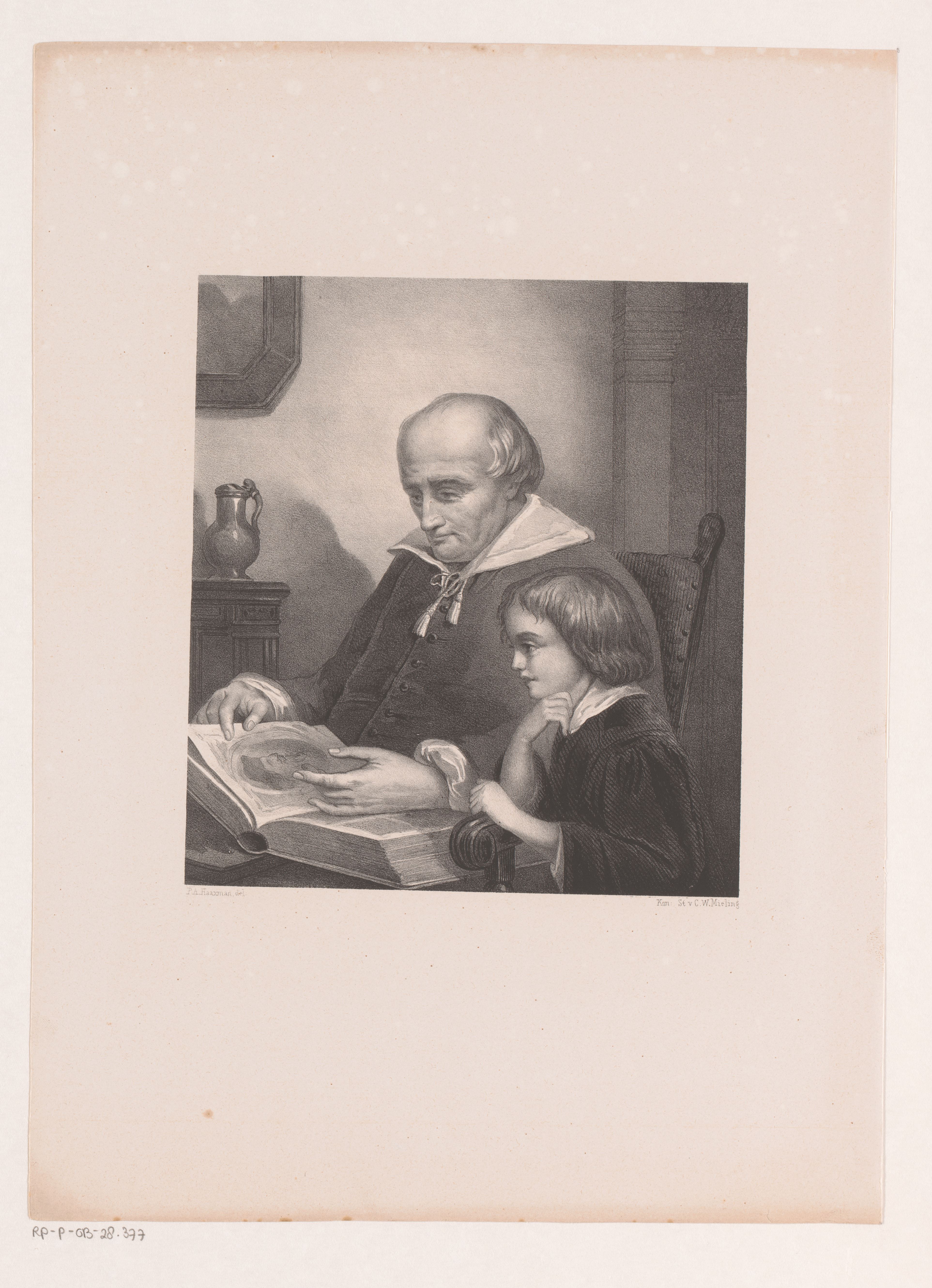
Every parent of a toddler knows the drill. The same picture book, requested for the fortieth night in a row.
The same episode, watched until the dialogue is memorized by the entire household. The adult is bored to tears. The child is riveted.
It turns out the child is the one using the material correctly. Repetition is not a failure of curiosity in toddlers.
It is the mechanism of learning itself, and a series of elegant experiments from the University of Sussex proved it with made-up words like "sprock" and "tannin."
This article explains why toddlers repeat the same book or show endlessly, what the research found, and why parents should lean into it rather than fight it.
The brain prefers the familiar
A toddler's world is mostly new. Every outing delivers a flood of unfamiliar sights, sounds, and rules.
In that context, a known story is a rare patch of solid ground. When a child already knows what happens next, their brain spends less energy tracking the plot and more energy on the details: new words, jokes, emotional beats.
Psychologists call this cognitive load. Learning a word from a story requires linking a sound to an object in a picture while following a narrative.
That is a lot of simultaneous work for a 3-year-old. Familiarity with the story lowers the load, leaving attention free for the word itself.
There is also a mastery motive. Toddlers love being right.
Anticipating the next page, shouting out the next line, and correcting a parent who "accidentally" skips a word are all ways of demonstrating competence. The repetition gives them a stage where they cannot fail, which is deeply satisfying at an age when most of life is just beyond reach.
The experiment with the made-up words
Dr. Jessica Horst and her team at the University of Sussex designed a test that isolated repetition from everything else. They wrote their own storybooks so they could plant special target words, made-up names for weird objects, like "sprock" for a hand-held mixing device.
Because the words were invented, the researchers knew children had never heard them before.
Groups of 3-year-olds heard the stories over about a week. One group heard the same story three times in a row each visit.
Another group heard three different stories containing the same target words, so every child heard each new word exactly 12 times. The exposure was identical. Only the repetition differed.
On the final day, the researchers tested words from the first visits again. The children who had heard the same stories repeatedly remembered the words well.
The children who had heard different stories scored no better than guessing. They had forgotten the words entirely.
As Horst and co-author Zoe Flack summarized in their Frontiers for Young Minds paper, it is easier to learn new words from stories when you have heard the story before and know what is going to happen. The predictability is not a side effect of the learning.
It is the cause.
Less is more, in pictures too
A follow-up line of research from the same lab showed the principle extends beyond story choice. Flack and Horst tested whether the number of illustrations per page affected word learning in 3 and a half year olds.
Children who saw one illustration at a time learned twice as many words as children who saw two or more illustrations at once.
The explanation fits the same theory. Young children who cannot read yet do not know where to look on a busy page, so a crowded spread splits their attention.
A simple hand swipe gesture guiding the child's eyes to the right picture removed the disadvantage entirely. The findings fit cognitive load theory: learning rates depend on how complicated the task is, and less information at once means more learning.
Horst's broader message to parents is reassuring. "Children are actually really good at knowing what helps them learn," she said.
"They'll let us know when they are bored and when to move on to something new," she added. The child demanding the same book for the tenth time is not stuck. The child is working.
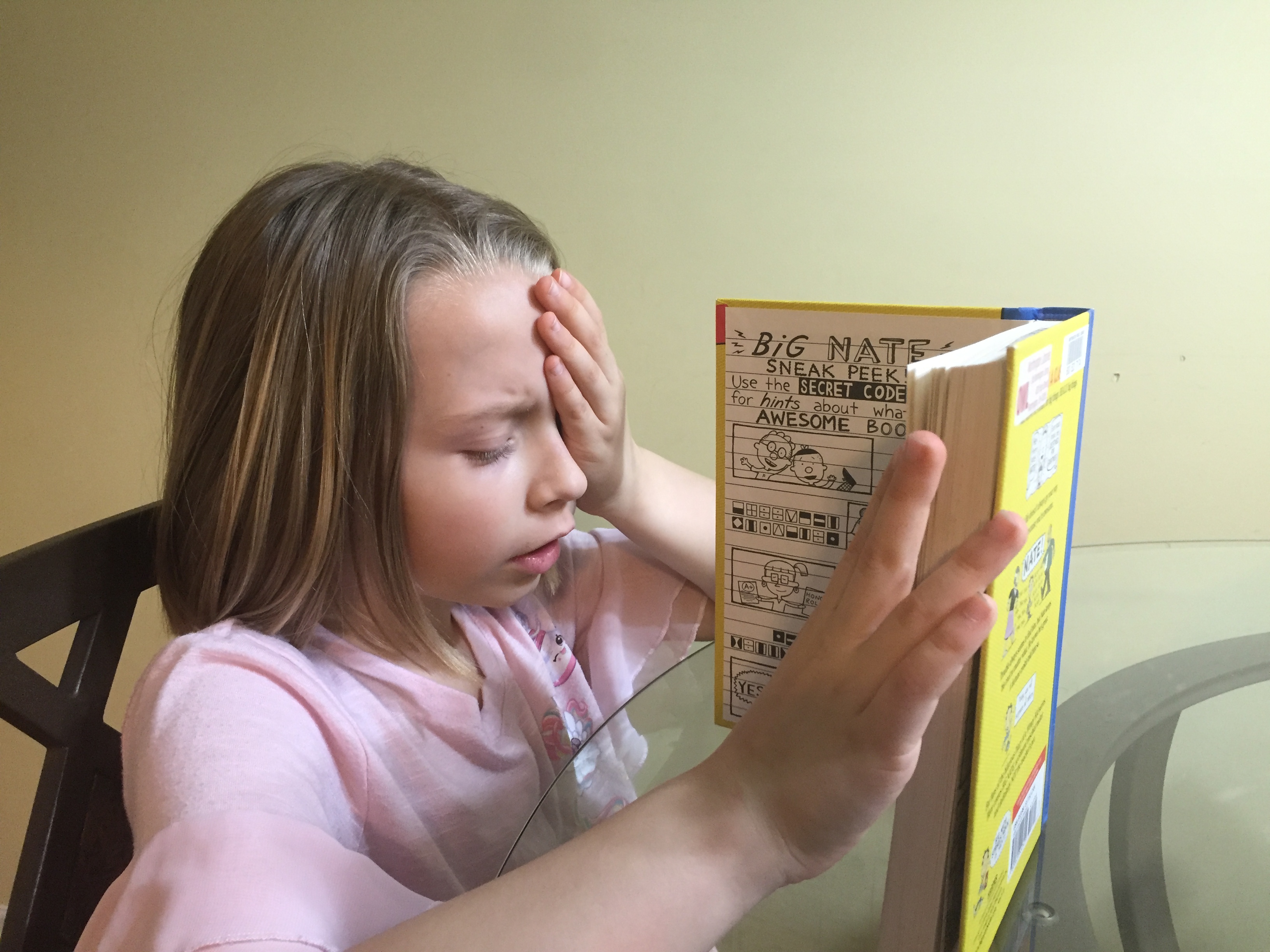
Why shows work the same way
Television episodes follow the same logic. A familiar episode is a predictable environment where the child knows the songs, the jokes, and the scary part that turns out fine.
That predictability is soothing, and it creates the same low-load conditions that help language stick.
This does not mean unlimited screen time is ideal, and researchers distinguish carefully between passive viewing and the back-and-forth of shared reading. But the repetition instinct itself is healthy.
A child rewatching a favorite episode is doing the same cognitive work as a child requesting the same bedtime story: consolidating patterns until they are automatic.
Parents can get more out of the loop by joining it. Pausing to ask what happens next, letting the child "read" the familiar parts, and connecting a story word to real life all multiply the benefit.
The fiftieth reading is not wasted. It is where the deepest learning happens, because the plot is fully automatic and every scrap of attention goes to the language.
When repetition fades on its own
The intense phase is temporary. Children abandon a beloved book or show the moment it stops teaching them anything, usually without ceremony.
One day the request simply stops coming, replaced by a new obsession. That transition is the signal that mastery is complete.
There are a few variations worth noting. Some children repeat for comfort during stressful periods, such as starting daycare or welcoming a sibling, and the familiar story acts as an anchor.
Others fixate on one element, a single song or scene, and skip the rest. Both are normal expressions of the same drive.
What repetition is not, in the vast majority of cases, is a sign of a problem. Developmental specialists look at the whole picture: whether the child is learning, playing, and connecting.
A passionate, joyful fixation on one story sits comfortably inside typical development.
Common questions about toddler repetition
Is it bad for toddlers to watch the same show repeatedly?
The repetition itself is not harmful. It reflects how young brains consolidate learning.
What matters more is total screen time, whether viewing is interactive, and whether it displaces sleep, outdoor play, and conversation.
How many times is normal for the same book?
There is no upper limit that research has identified. Some children request the same book dozens of times.
As long as the child is engaged and happy, the repetition is doing its job.
Should I force variety?
Gentle offers of new books are fine, but forcing variety against resistance tends to backfire. A useful trick is to rotate in one new book alongside the favorite, so novelty arrives without threatening the familiar anchor.
Does this apply to songs too?
Absolutely. The same mechanism explains why toddlers demand the same song on every car ride.
Predictable lyrics and melodies are easy to memorize, and singing along is early language practice.
The bottom line
Toddlers repeat the same book or show endlessly because repetition is their learning technology. The Sussex experiments showed that identical word exposure only sticks when the story is familiar, and follow-up work proved that simpler presentations teach more.
So the next time the request comes for the fortieth reading, take it as a compliment to the method. The boredom is yours. The learning is theirs.
And like the games of peekaboo they once loved, this phase will pass exactly when its work is done.
Tags: toddler behavior, repetition, word learning, child development
Latest in Parenting
- What is object permanence and when do babies develop it
- Why babies love peekaboo at a certain age
- Why toddlers suddenly become picky eaters
- Why toddlers resist getting dressed every morning
Subscribe for one practical parenting explainer every morning.
Related stories

Why babies cry more in the evening: the witching hour explained
The witching hour is the fussy evening stretch most newborns hit daily. Why overtiredness, cluster feeding, and overstimulation stack up

When Do Babies Start Sleeping Through the Night by Month?
Most babies sleep through the night between 3 and 6 months, with regressions at 4 and 8 to 10 months. See the month-by-month table

Why Your Baby Wakes Up the Second You Put Them Down
Newborns wake when put down as the startle reflex, light sleep, and lost warmth hit at once. It is normal and peaks early, fading