
Why Do Toddlers Resist Getting Dressed? Mornings, Explained
Key takeaways
- Dressing resistance is usually a mix of a toddler's drive for independence and the fact that dressing is one of the most complex motor tasks they face.
- Between 18 and 36 months, children feel a strong urge to do things themselves, even when the skills are not fully there yet.
- Sensory sensitivities affect up to 1 in 6 children, so scratchy tags and tight seams can feel genuinely overwhelming.

Few mornings in a house with a toddler start peacefully. The shirt goes on backward, the socks feel "wrong," the chosen outfit from yesterday is suddenly unacceptable, and a two-minute task stretches to twenty. Parents tend to read this as defiance.
Child development research reads it differently.
Getting dressed is one of the most demanding things a toddler does all day, and the resistance is usually a signal about development, not disobedience. This article explains why toddlers resist getting dressed every morning, including what the independence drive is, how dressing skills actually develop, the role of sensory sensitivities, and the strategies that make mornings calmer.
What the independence drive is
Between 18 and 36 months, children develop a powerful urge to do things on their own. The Canadian parenting resource Naître et grandir describes this as a years-long journey: toddlers want to eat, dress, and tidy up by themselves, even while unsure they can manage it. The famous cry of "No, I want to do it by myself!
" is not a rejection of the parent. It is a developmental milestone announcing itself.
That urge collides with reality every morning. A toddler may insist on dressing alone, then melt down when the sleeve will not cooperate. Naître et grandir notes that children need encouragement and a sense that their parents believe they can do what they set their minds to, whether that is eating, getting dressed, or putting away toys.
Criticism or impatience at this stage can leave a child feeling ashamed rather than capable.
The inconsistency is also normal. A child who dresses themselves proudly on Monday may demand to be dressed like a baby on Tuesday. That back-and-forth is part of how autonomy builds, not a sign of regression.
How dressing skills actually develop
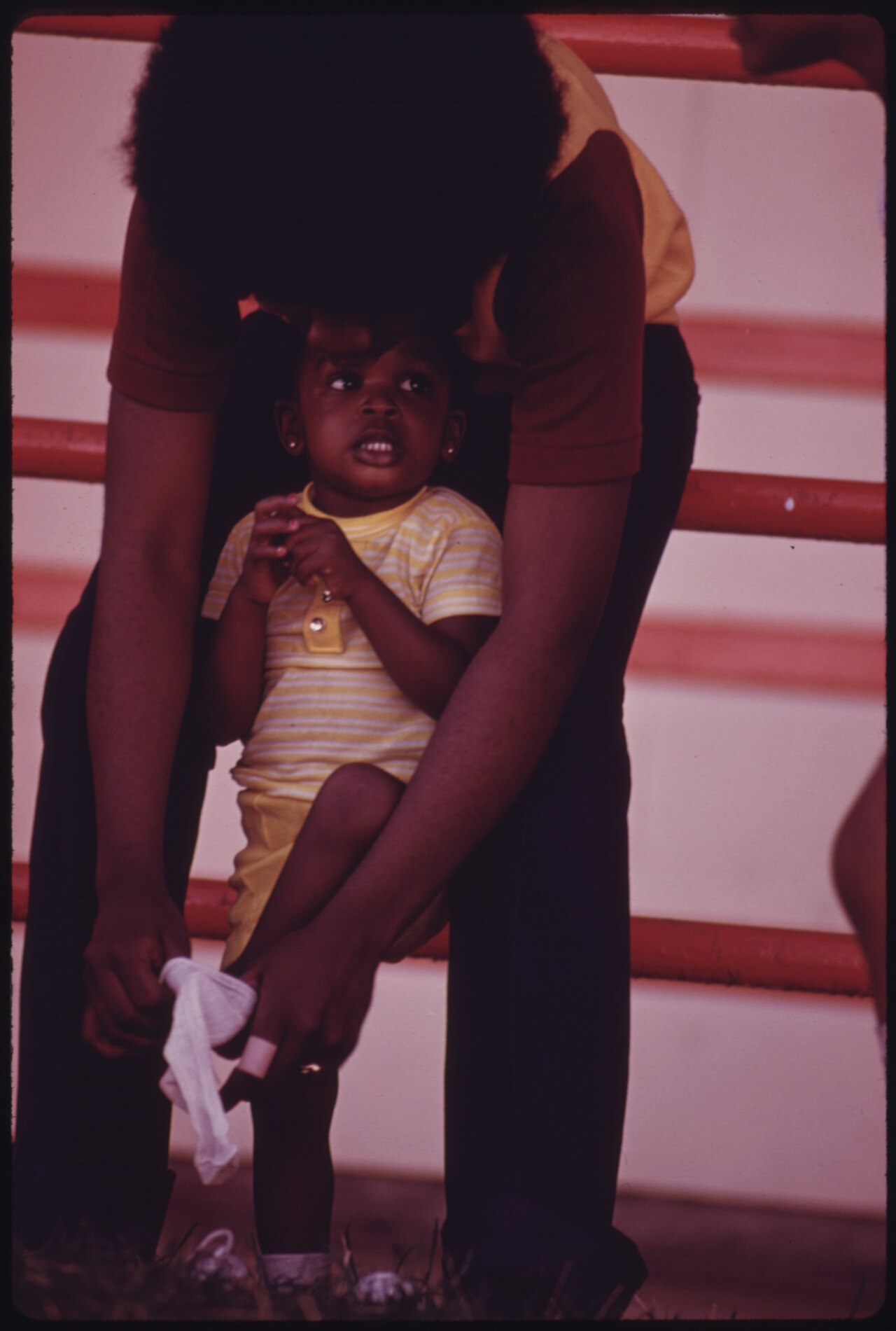
Dressing looks trivial to adults because it stopped requiring thought decades ago. For a toddler, it combines gross motor control, fine motor precision, balance, and sequencing all at once. A child must know which garment goes first, orient a sleeve correctly, balance on one foot for pants, and coordinate both hands on a hem or button.
The timeline is slower than most parents expect. Around 12 months, many toddlers cooperate by holding out an arm or leg. Between 18 months and 2.
5 years, most start removing simple items like socks and hats, often before they can put anything on. Full independent dressing, including buttons and zippers, typically does not settle in until closer to age 4, because the fine motor control those fasteners demand develops last. These milestones are summarized in a detailed Medium analysis of toddler clothing and independence, which cites the CDC's Learn the Signs, Act Early milestone tracker.
That uneven timeline explains the morning chaos. A two-year-old may be able to pull on elastic-waist pants but be genuinely unable to manage a buttoned shirt. When parents expect the whole outfit to go smoothly, the child experiences a task that is half within reach and half impossible, which is exactly the recipe for frustration.
The mismatch between wanting independence and lacking the skill is the same tension behind toddler picky eating, where control matters more than the food itself.
Why sensory issues make it worse
For some children, the battle is not about independence at all. It is about how the clothes feel.
Research suggests up to 1 in 6 children experience sensory processing challenges affecting how they perceive touch, texture, pressure, and fit, according to a 2025 analysis by children's author Jeff Bender, who founded the sensory-friendly clothing brand Lion+Owl after navigating the issue with his own kids. These sensitivities are more common in neurodivergent children, including those with ADHD or autism, but they also appear in children without any diagnosis.
Clothing is one of the most frequent triggers. Tactile discomfort can activate a child's stress response, making it harder to regulate emotions or transition into the day. A tag that feels mildly annoying to an adult can feel physically overwhelming to a small nervous system.
That is why the protests sound so specific: seams feel wrong, waistbands feel too tight, a shirt that was fine yesterday is unbearable today. The child is not being dramatic. The sensation changed, or their tolerance for it did.
Bender's advice reframes the whole problem: when kids feel uncomfortable, behavior is often the messenger. The morning meltdown over pants may be the first place stress shows up, the way anxiety often surfaces first in routine transitions.
What actually helps in the morning
Offer limited choices. Instead of dictating the outfit, let the toddler choose between two acceptable options. Naître et grandir recommends exactly this: rather than asking a child to pick from every sweater, have them pick between two.
The child gets real control, and the parent keeps the morning moving.
Build a practice-friendly wardrobe. Clothes either work with the skills a toddler is building or against them. Wide, stretchy necklines, elastic waistbands instead of buttons, and clear front-back cues (like a bold chest print) let a child practice successfully.
Save complicated fasteners for occasions when an adult expects to help anyway.
Respect the sensory signals. Believe the child when something feels uncomfortable. Removing scratchy tags, choosing seamless socks, and favoring soft pre-washed fabrics can dramatically cut morning friction.
If a specific texture consistently causes distress, it is worth discussing with a pediatrician or occupational therapist.
Allow extra time. Naître et grandir suggests adding 10 minutes to the schedule when a child is learning to do things alone. Rushing a toddler through dressing teaches them that independence gets punished with stress.
The time invested now pays back later, when the child can dress without help.
Split the task. For a child who wants to do it alone but cannot finish, divide the job: "You do the shirt, I'll help with the pants." Offering guidance instead of taking over, especially after age 3, tells the child you believe in their ability while keeping the morning on track.
When resistance signals something more
Most dressing battles are developmental and fade as skills mature. But persistent, intense distress deserves attention. If a child cannot tolerate most clothing textures, has meltdowns far beyond the morning routine, or shows delays in motor milestones, a pediatrician or occupational therapist can assess whether sensory processing or developmental issues are at play.
Naître et grandir also cautions parents not to overcorrect: curbing a child's budding autonomy to avoid frustration can backfire into anxiety and tantrums.
Frequently asked questions
Why does my toddler want to dress themselves but then cry when I let them?
They are caught between the urge for independence and skills that are not finished developing. Between 18 and 36 months, the drive to do it alone outruns the fine motor ability, so frustration is built into the stage.
At what age can toddlers fully dress themselves?
Most manage simple pull-on items like elastic-waist pants and T-shirts between ages 3 and 4. Full independence, including buttons, zippers, and correctly oriented socks, typically develops closer to ages 4 to 5.
Why does my toddler refuse clothes they wore happily yesterday?
Sensory tolerance fluctuates. A seam that was fine yesterday can feel unbearable today, especially when the child is tired, rushed, or already stressed. It is rarely about the garment itself.
Should I just dress my toddler myself to save time?
Occasionally, yes, and Naître et grandir says not to sweat it on rushed mornings. But routinely taking over denies the practice that builds the skill. Splitting the task is the better default.
The bottom line
Toddlers resist getting dressed because the task sits at the exact intersection of their biggest developmental drives: the urge for independence, motor skills that are still under construction, and sensory systems that can find ordinary fabric genuinely distressing. Mornings get easier when parents offer limited choices, keep clothes practice-friendly, believe the sensory complaints, and allow a few extra minutes. The backward shirt is not a failure.
It is practice.
Filed under: toddlers, morning routine, child behavior, sensory processing
Latest in Parenting
- Why do toddlers suddenly become picky eaters?
- Why do toddlers prefer one parent over the other in phases?
- Why do toddlers repeat the same book or show endlessly?
- What is object permanence and when do babies develop it?
Subscribe for one research-backed parenting explainer every morning.
Related stories

Why babies cry more in the evening: the witching hour explained
The witching hour is the fussy evening stretch most newborns hit daily. Why overtiredness, cluster feeding, and overstimulation stack up

When Do Babies Start Sleeping Through the Night by Month?
Most babies sleep through the night between 3 and 6 months, with regressions at 4 and 8 to 10 months. See the month-by-month table

Why Your Baby Wakes Up the Second You Put Them Down
Newborns wake when put down as the startle reflex, light sleep, and lost warmth hit at once. It is normal and peaks early, fading