
How to Introduce a New Kitten to an Older Cat Safely
Key takeaways
- Keep the kitten in a separate room first, and swap scents before any face-to-face meeting.
- Feed both cats on opposite sides of a closed door so each scent means good things.
- The full process can take a week to several months, and rushing it is the main cause of trouble.
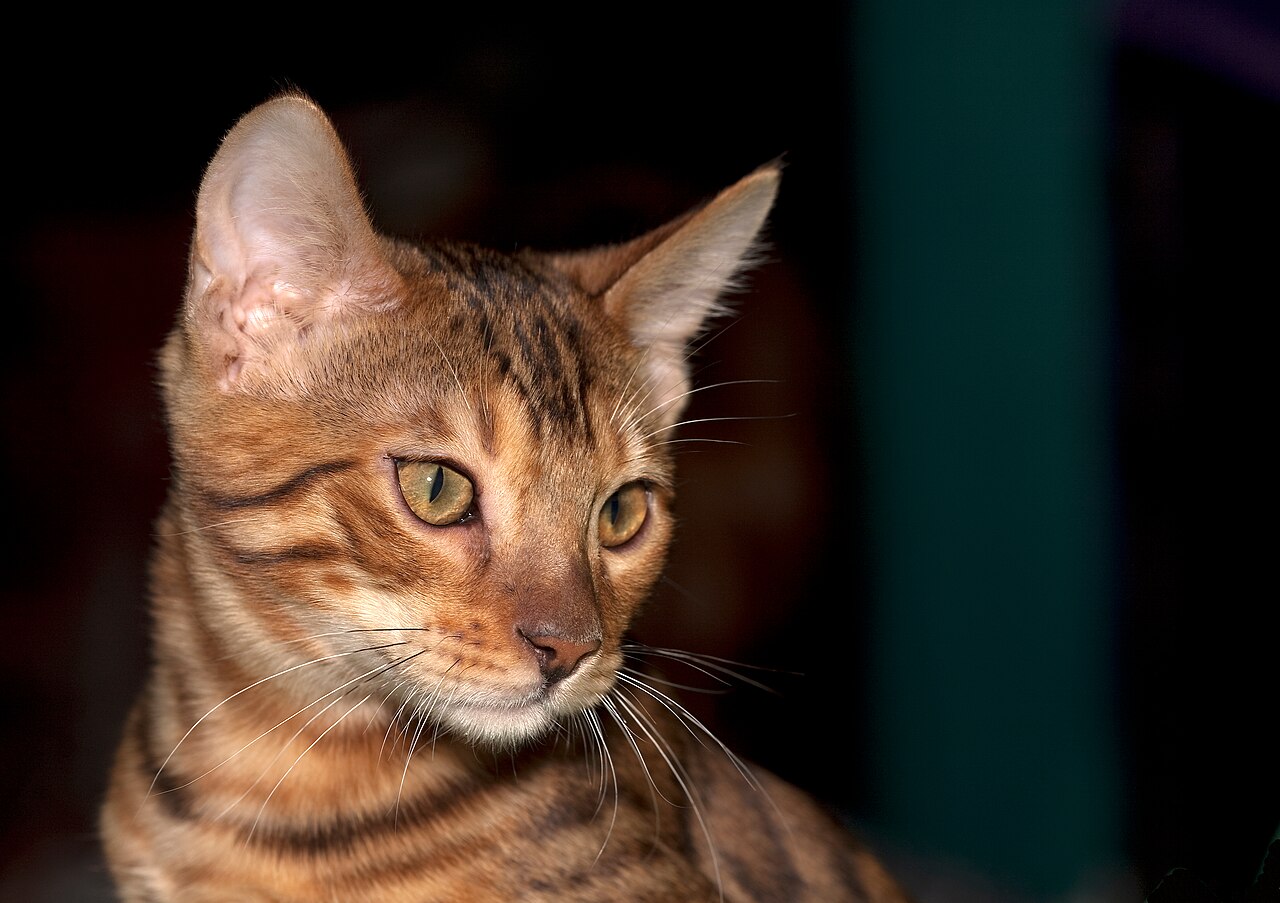
How to introduce a new kitten to an older cat is a question of patience more than technique. A kitten arrives full of energy and curiosity. The older cat sees a stranger in its home.
If the two meet too soon, the older cat may hiss, hide, or lash out, and the kitten may learn to fear its new housemate.
The safe method is slow. Cats learn about each other through smell first, then sight, then brief meetings. This article explains that sequence, including how to set up the kitten's room, how to swap scents, how to run the first meetings, and when to ask a vet for help.
This article is for general information, not veterinary advice. If either cat stops eating, hides for days, or gets hurt, contact a vet promptly.
Start with a separate room
Give the kitten a room of its own on day one. The room needs food, water, a litter box, a warm bed, a scratching post, and a few toys. A high perch or a cat tree helps, since height gives a cat a safe place to retreat.
RSPCA Victoria advises keeping the new cat in a generous-sized room with a litter tray, food, water, and a warm bed for up to a week. During that time, let the resident cat smell under the door. The door itself does useful work.
It lets both cats learn that another cat is nearby without any risk of a fight.
Keep the older cat's routine steady. Feed it at the usual times and give it attention. A resident cat that feels ignored is more likely to resent the newcomer.
Use the one-plus-one rule for litter boxes: one box per cat, plus one extra. Two cats need three boxes in different spots. The same idea applies to food and water.
Separate resources remove the most common reasons for conflict.
Before the kitten arrives, book a vet check if you have not already. A healthy kitten is easier to introduce. The vet can confirm vaccinations, check for parasites, and flag any health issue that might make the older cat wary.
Swap scents before faces
Cats live by smell. A new cat's scent on a blanket tells the resident cat a great deal before the two ever meet. The RSPCA advises swapping scents first, before the new pet comes home, when that is possible.
The method is simple. Take two clean cloths. Rub one gently on the cheeks of the older cat, where scent glands sit.
Rub the other on the kitten's cheeks. Swap the cloths, so each cat can sniff the other's scent in a safe place.
Only collect scent when both animals are calm and relaxed. The RSPCA notes that stress shows up in scent, so a frightened cat's cloth sends the wrong message. The charity compares the step to seeing photographs of someone before you meet them.
"It is almost like us seeing photographs of someone before we meet them."
Repeat the swap daily. You can also swap bedding and toys between the two rooms. Place the kitten's blanket near the older cat's bed, and the older cat's blanket near the kitten's bed.
Watch the reaction. Sniffing and calm curiosity are good signs. Hissing at the cloth means you need more time at this stage.
Feed both cats on opposite sides of the closed door. RSPCA Victoria advises feeding both cats on either side of the door so they associate food with each other's smell. Start with the dishes a few feet from the door.
If both cats eat calmly, move the dishes closer over several days. The Ontario SPCA gives the same advice, and adds that you should move the dishes apart again if either cat reacts badly.
Move to sight, then to short meetings
Once both cats eat calmly near the door and show little interest in the scent cloths, allow sight without touch. A baby gate across the doorway works well. A slightly open door held by a door stop works too.
Keep the gap too small for either cat to pass through.
Keep these visual sessions short. Five to ten minutes is enough at first. Offer treats to both cats during the session.
Play with a wand toy near each cat so the sight of the other cat pairs with something pleasant.
Watch body language closely. Relaxed ears, slow blinks, and normal eating mean the cats are coping. Flattened ears, a puffed tail, growling, or a fixed stare mean stress.
If you see those signs, end the session calmly and go back to scent swapping for a few days. That is not failure. It is the process working as it should.
When sight sessions go well, move to brief face-to-face meetings in a room with escape routes. Open the door and let the kitten walk out on its own terms. Do not carry one cat toward the other.
Let them choose how close to get.
Keep the first meeting to a few minutes. Have a blanket nearby in case you need to separate them calmly. Never pick up a fighting cat with bare hands, since redirected aggression can cause a deep bite.
Toss a blanket over one cat or clap loudly to break it up, then separate them.
End each meeting on a calm note. If the cats sniff each other and walk away, that is a success. Cats do not need to cuddle to get along.
Peaceful coexistence is a fine result.
How long does it take
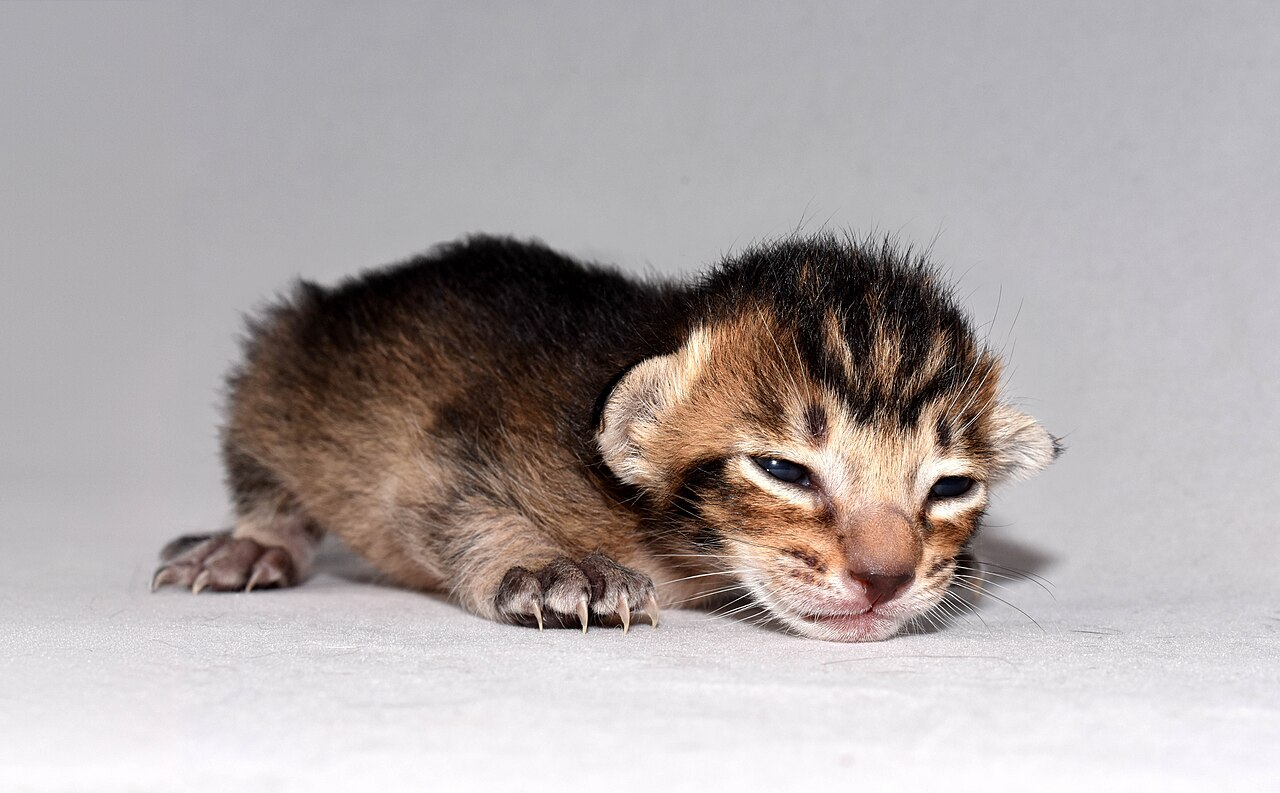
There is no fixed timetable. The RSPCA says the whole process may take a week to several months. Kittens often settle faster than adult cats, because kittens are still learning social skills.
An older cat that has lived alone for years may need more time.
A common pattern runs like this. Days one to three: separate room and scent swapping. Days four to seven: feeding near the door and scent swaps.
Week two: visual sessions through a barrier. Week three: short supervised meetings. Later weeks: longer shared time, with the kitten's room still open as a retreat.
Some pairs click in a week. Others need two months of patient work. Both outcomes are normal.
The speed that matters is the speed of the slower cat, not the speed you hoped for.
Age and health shape the timeline. A senior cat with arthritis may tire quickly and dislike a kitten that wants to play. Short meetings and high perches help that cat.
A kitten that has not learned bite inhibition may pester the older cat. Redirect the kitten to toys, and give the older cat quiet time away from the kitten every day.
Do not punish hissing or growling. Those sounds are communication, not disobedience. They tell you the cat needs more space.
Daily life with two cats
Once the cats share the house, keep the good habits going. Feed them in separate spots. Keep litter boxes in different areas.
Give each cat its own sleeping place, even if they later choose to share a bed.
Play with the kitten every day. A tired kitten is less likely to ambush a sleeping older cat.
Two 10-minute play sessions, morning and evening, suit most kittens.
Grooming and treats can build a shared routine. Brush the older cat in its favorite spot. Offer treats to both cats at the same time, a short distance apart.
Watch the older cat's weight and appetite during the first month. A cat that eats less or hides more may be stressed. A cat that starts spraying or skipping the litter box may be marking territory.
For litter box trouble, see why a cat stops using the litter box and how to stop a cat scratching furniture.
Keep the kitten's room available for weeks after the cats meet. A safe room is not a punishment. It is a bedroom the kitten can return to when the house feels too busy.
When to ask a vet for help
Most introductions settle with time. Some need professional help. Contact a vet if either cat stops eating, hides for more than a day or two, or starts overgrooming.
Injuries from fighting need prompt care. Sudden behaviour change in an older cat can also signal pain, so a checkup is wise.
A vet with behaviour experience can suggest a plan for cats that stay tense after several weeks. Options may include longer separation, calming products, or a referral to a certified behaviour specialist. Pheromone diffusers, which mimic feline facial pheromones, may help as a support, but they do not replace gradual introductions.
If tension stays severe after you have repeated the early stages, go back to full separation and start again slowly. Restarting feels like a defeat, but it is often the move that finally works.
Frequently asked questions
Can I just put the kitten and the older cat together and let them sort it out?
That is the fastest way to create a lasting feud. Cats that meet without preparation often fight, and a bad first fight can shape months of behaviour. The scent-first method takes longer up front and saves trouble later.
Should I let the older cat visit the kitten's room?
Yes, once the kitten is out exploring. Let the older cat sniff the kitten's room while the kitten is elsewhere. This site swap lets each cat learn the other's scent on its own territory, with no confrontation.
What if the older cat hisses at the kitten?
Hissing is normal early on. It means "back off," not "I hate you forever." End the session, give both cats space, and return to an earlier stage.
If hissing turns into chasing or biting, separate the cats and slow down.
Can a kitten and an older cat ever become friends?
Yes, many do. Some pairs groom each other and sleep together. Others simply coexist in peace.
Both are good outcomes. Friendship cannot be forced, but a calm introduction gives it the best chance.
Do I need to keep the cats apart at night?
At first, yes. Keep the kitten in its room at night and when you are out. Once the cats have shared the house calmly for a week or more, you can leave the door open at night.
The bottom line
A good introduction moves at the speed of the slower cat. Separate room, scent swaps, meals by the door, brief sightings, then short meetings: that sequence gives both cats the best chance to share a home in peace. Give it weeks, not hours, and the hissing usually fades into tolerance, and often into friendship.
Tags: kittens, cats, pet care, cat behaviour
Latest in Pets
- How to stop a cat scratching furniture
- Why a cat stops using the litter box
- How to calm a dog during fireworks
Subscribe for one practical pet care tip each week.
Related stories

Why Does My Dog Eat Grass and Vomit?
A UC Davis study of 1,571 owners found grass eating is normal dog behavior, not self-medication: only 10% were ill first. What the science

Why Does My Dog Stare at Me While I Eat?
Dogs stare at you while you eat because it has worked before, and mutual gaze raises bonding hormones. Learn the reinforcement science

Foods toxic to dogs: the list, with reasons
Chocolate, xylitol, grapes, onions: common foods can harm dogs. Learn what makes each one toxic, the warning signs, and what to do if your