
Foods toxic to dogs: the list, with reasons
Key takeaways
- Chocolate, xylitol, grapes, onions, and macadamia nuts top the danger list. Each harms dogs through a different mechanism.
- Small amounts can be enough. A few grapes or a stick of sugar-free gum can trigger an emergency.
- If your dog eats something on this list, call your veterinarian or the ASPCA Animal Poison Control Center at (888) 426-4435.

Photograph: Sneha G Gupta/Wikimedia Commons
Image Credits: Wikimedia Commons
Dogs will eat almost anything, which is exactly why this list matters. Plenty of ordinary human foods are harmless to us and dangerous to them. A dog's body processes certain compounds very differently.
Knowing the why behind each food helps you remember the list and act fast when it counts. This article lists foods toxic to dogs: chocolate, xylitol, grapes and raisins, onions and garlic, macadamia nuts, and what to do if your dog eats something dangerous.
A quick note before the list: this article is general information, not veterinary advice. It does not prescribe any treatment. When in doubt, call your vet.
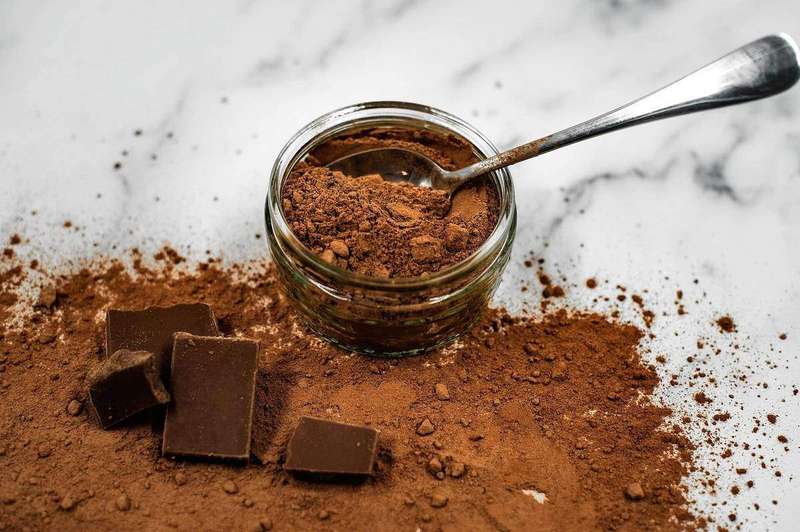
Chocolate: theobromine is the problem
Chocolate contains theobromine, a stimulant related to caffeine. Humans break it down quickly. Dogs process it very slowly, so it builds up to toxic levels.
The darker the chocolate, the more theobromine it holds. Baking chocolate and dark chocolate are the most dangerous. Milk chocolate is less so, and white chocolate the least, though it can still cause stomach upset.
Signs of chocolate toxicity include vomiting, diarrhea, panting, restlessness, tremors, and seizures, per the Ohio State University Veterinary Medical Center. As a rough threshold, theobromine becomes potentially lethal above 0.3 ounces per pound of the dog's body weight, per Vetnique. A small dog and a dark chocolate bar is a genuine emergency.
Photograph: formulatehealth/Wikimedia Commons
Image Credits: Wikimedia Commons
Xylitol and sugar-free products
Xylitol is a sugar substitute found in sugar-free gum, mints, candy, some peanut butters, and baked goods. In dogs it triggers a rapid, massive release of insulin.
That insulin spike crashes blood sugar within minutes, causing weakness, loss of coordination, and seizures. Larger doses can cause liver failure and death, per Ohio State's veterinary pharmacy.
The cruel part is how ordinary the sources look. A dropped stick of gum or a spoonful of the wrong peanut butter is all it takes. Ohio State advises checking peanut butter labels to make sure the jar is xylitol-free before sharing a spoonful with your dog.
Grapes, raisins, and currants
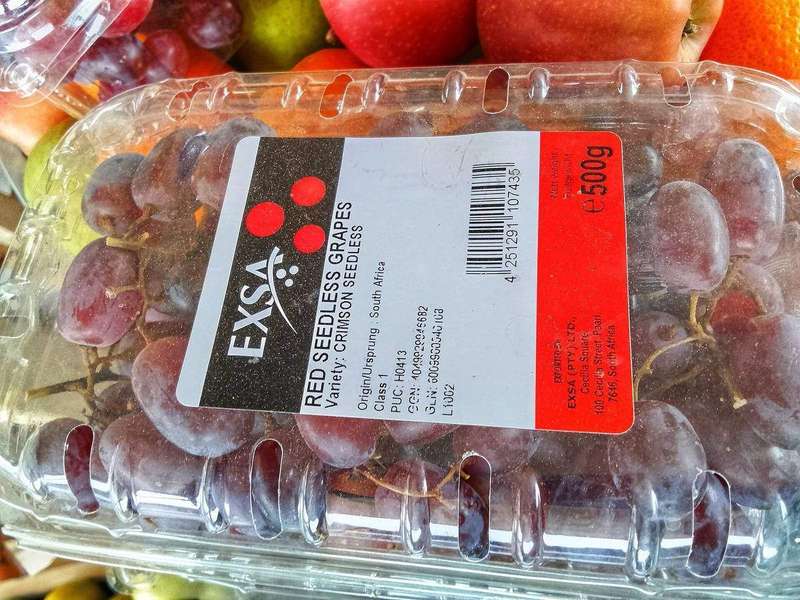
Grapes and raisins can cause sudden kidney failure in dogs. Researchers point to tartaric acid as the likely culprit, per Ohio State's veterinary pharmacy. The exact toxic dose is unknown, which is why vets say there is no safe amount.
Just a few grapes or raisins can potentially cause sudden kidney failure, per DoggoDigest. And a scary detail: a dog that ate grapes before with no problem can still react badly next time. Every dog responds differently.
Early signs include vomiting and unusual sluggishness. Because kidney damage can progress quietly, any grape or raisin ingestion deserves a vet call, not a wait-and-see.
Photograph: TheSymbyat/Wikimedia Commons
Image Credits: Wikimedia Commons
Onions, garlic, and chives
All members of the onion family, including onions, garlic, leeks, and chives, contain a compound called N-propyl disulfide. It damages red blood cells and can cause anemia in dogs, per Ohio State's veterinary pharmacy.
The danger hides in two details. First, all forms count: raw, cooked, and powdered.
Second, symptoms may not appear for several days after ingestion. Watch for weakness, vomiting, pale gums, and breathing difficulty.
This is the one people underestimate most, because onion powder sits in so many prepared foods. A little leftover seasoned meat can carry more onion than you think.
Macadamia nuts, alcohol, and the rest of the list
Macadamia nuts contain a toxin that affects a dog's muscles and nervous system, causing weakness, swollen limbs, panting, and tremors, per Ohio State. DoggoDigest notes that as few as six raw or roasted macadamia nuts can make a dog sick, with symptoms appearing within about 12 hours.
Alcohol depresses a dog's nervous system far more strongly than a human's. Beer, wine, liquor, and even raw yeast dough (which ferments into ethanol in the stomach) can cause vomiting, disorientation, breathing trouble, coma, and death. Keep drinks off low tables.
Caffeine in coffee, tea, and cola raises heart rate and can cause hyperactivity, vomiting, and cardiac problems, per PrimaDog.
Avocado is a partial exception. The flesh is generally considered safe, but the skin, leaves, and pit contain persin, which can upset a dog's digestive tract, per Ohio State.
Cooked bones, especially chicken bones, can splinter and tear the digestive tract. Fatty foods like turkey skin can trigger pancreatitis, a painful and sometimes life-threatening inflammation.
What to do if your dog eats something toxic
Act quickly and calmly. Check your dog's breathing and alertness first. Remove any remaining toxin from reach, and save the packaging or remnants so the vet can see exactly what was eaten.
Then call your veterinarian, your local animal hospital, or the ASPCA Animal Poison Control Center at (888) 426-4435, a number Vetnique lists in its emergency guidance. If symptoms are worsening, head to the nearest emergency veterinary hospital.
One firm rule: do not induce vomiting on your own. Whether vomiting helps or harms depends on what was eaten and when, and that call belongs to the vet.
FAQ
How much chocolate is dangerous for a dog?
It depends on the chocolate type and the dog's size. Theobromine turns potentially lethal above about 0.3 ounces per pound of body weight, per Vetnique, and dark or baking chocolate concentrates the most theobromine. When in doubt, call the vet with the chocolate type and your dog's weight.
Can dogs eat peanut butter?
Plain peanut butter without xylitol is generally fine in small amounts. The risk is sugar-free or "light" peanut butters that use xylitol as a sweetener, so read the label every time, as Ohio State advises.
Are grapes really that dangerous?
Yes. A small number of grapes or raisins can cause sudden kidney failure, and there is no known safe amount, per DoggoDigest and Ohio State. Treat any grape ingestion as an emergency.
Should I make my dog throw up?
No, not on your own. Inducing vomiting can make some poisonings worse, so wait for a veterinarian's instruction. Your job is to secure the toxin, note what and how much was eaten, and call for help.
The bottom line
Chocolate attacks through theobromine, xylitol through an insulin crash, grapes through the kidneys, and onions through the blood. Different poisons, one response: keep these foods out of reach and call your vet fast if they get eaten.
It is a good idea to save the ASPCA poison control number in your phone today: (888) 426-4435. Emergencies are the wrong time to go searching for it.
---
Rive News's research desk writes practical explainers backed by public sources and expert guidance.
Related stories
- Baking soda and baking powder: what's the difference?
- What is proper squat form? A step-by-step guide
- How to handle toddler tantrums without yelling
Subscribe to the Rive News newsletter for one practical explainer every week.
© 2026 Rive News. All rights reserved.
Related stories

Why Does My Dog Eat Grass and Vomit?
A UC Davis study of 1,571 owners found grass eating is normal dog behavior, not self-medication: only 10% were ill first. What the science

Why Does My Dog Stare at Me While I Eat?
Dogs stare at you while you eat because it has worked before, and mutual gaze raises bonding hormones. Learn the reinforcement science
How to introduce a new cat to your resident cat: a slow method
Introducing a new cat takes weeks, not hours: a base camp, scent swapping, and gated hellos. The step-by-step method shelters