
How to introduce a new cat to your resident cat: a slow method
Key takeaways
- Keep the cats fully separated at first. The new cat gets a base camp room, and they smell and hear each other for days before they ever meet.
- Build positive associations with scent swapping, space swapping, and feeding on opposite sides of the closed door.
- The full process takes days to several weeks. Rushing it is the main reason cat introductions fail.
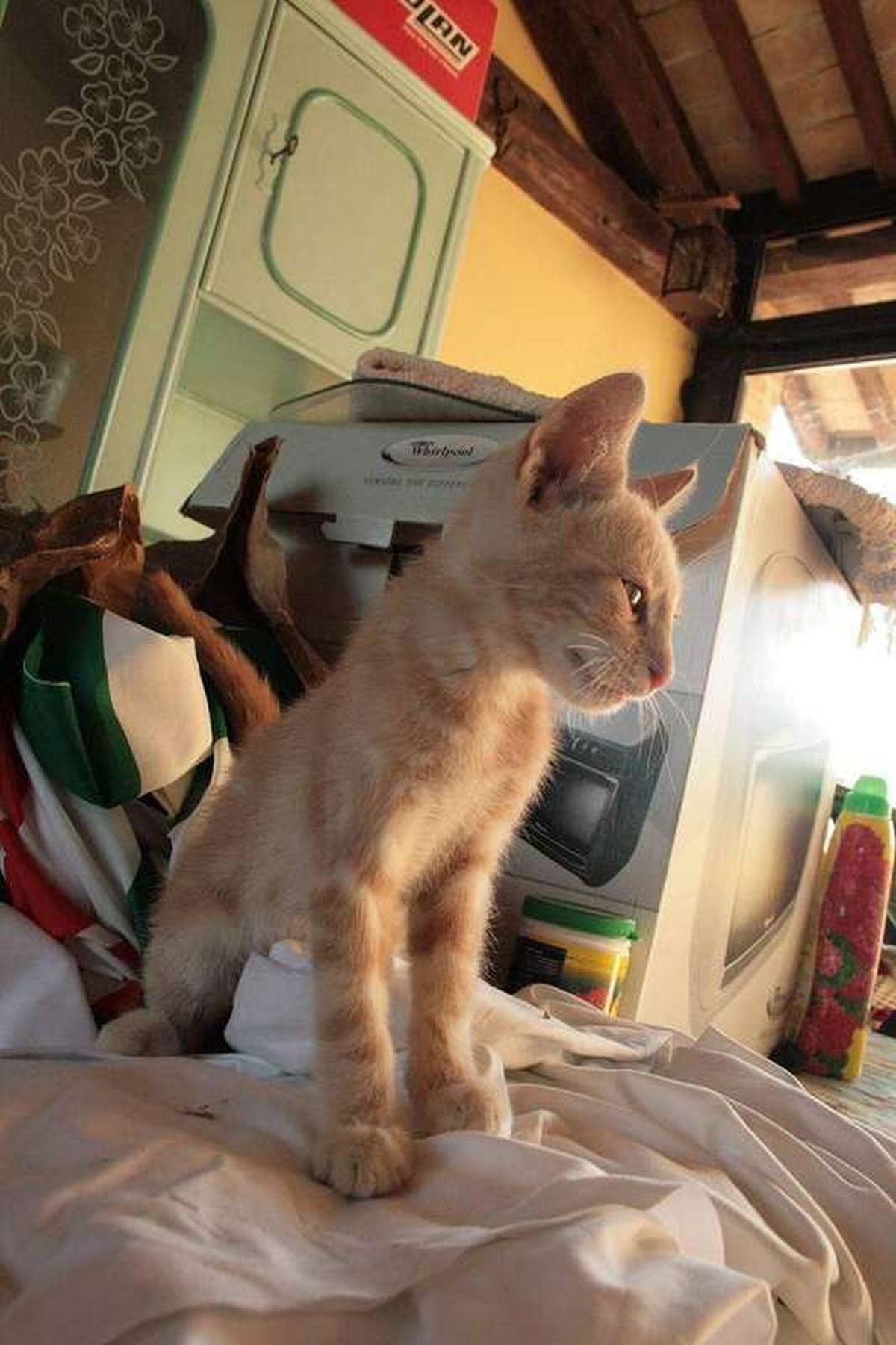
Introducing a new cat means merging two territorial animals that neither chose nor invited the arrangement. Cats read their world through scent and territory, so a stranger appearing in the living room registers as an invasion.
The method that works is slow and staged. The cats get used to each other's smell before they see each other, see each other before they touch, and touch only under supervision. Skip a stage and you risk a relationship that never recovers.
This article explains how to introduce a new cat: setting up a base camp, swapping scents before faces, letting them see each other safely, moving to supervised meetings, and when to slow down.
Set up a base camp first
Before the new cat arrives, prepare one room as their base camp. It needs a litter box, food and water bowls, a scratching post, a bed, and a hiding spot, per Houston's BARC shelter guide.
Plan for one litter box per cat, plus one extra. That rule applies from day one, so buy the extra box before the newcomer walks in, per BARC.
For the first 72 hours, do essentially nothing. Let the new cat settle into the base camp without any introduction attempts, RAIN Rescue advises. The newcomer is acclimating to the room, and through the closed door they are already using their fine-tuned senses to map what lies beyond it, including the resident cat.
The resident cat keeps the rest of the house. During this phase the two cats should be able to smell and hear each other but not see or touch each other, per BARC.
That separation is not wasted time. It is the foundation everything else builds on.
Swap scents before faces
After three to four days, start the scent exchange. Cats learn an enormous amount about each other through smell alone, so this stage does real work.
The simplest method is the bedding swap. Leave a blanket or towel with each cat, then exchange them after both cats have slept on theirs, RAIN Rescue suggests. Each cat investigates the other's scent on their own terms, with no confrontation attached.
A more deliberate technique comes from Houston's BARC guide. Gently rub one cat with a clean towel, then rub the other cat with the same towel to intermix their scents.
Then bring the towel back to the first cat and rub them again. The goal is a blended group scent rather than two rival signatures.
Catology, the Australian behavior resource, adds the placement rule. Put the scented cloth on the floor in a non-threatening spot, away from food, water, and other important resources.
If the cat hisses or postures at the cloth, the introduction needs to go slowly. Indifference or curious sniffing is a green light.
While the scent work continues, create positive experiences through the closed door. Feed both cats on opposite sides of the base camp door, so the smell of the other cat starts to predict meals, per BARC. Add extra-special treats near the door, like tiny pieces of tuna, chicken, or cheese, to strengthen the association.
Play helps too. Dangle a feather toy under the door and let the cats paw at it from opposite sides. Eventually they may play paws under the door with each other, which BARC's guide calls a genuinely encouraging sign.
Then try space swapping. Confine the resident cat elsewhere and let the new cat explore the house, or vice versa.
Each cat investigates the other's territory through scent, and they will likely rub against furniture and use the litter box to blend their smells. Catology says that should be encouraged. Repeat daily as long as both cats stay relaxed.
Let them see each other safely
Only move to visual contact when both cats are calm about the scent stage: eating well, playing, and showing no stress signs. For many pairs this lands around weeks three and four, per the Catonsville Cat Clinic's guide.
Use a real barrier, not an open door. Replace the solid door with a baby gate wrapped in mesh screening, and stack two gates if your cats are jumpers, Catonsville suggests. The cats can see and smell each other clearly without any risk of contact.
Keep pairing the sight of the other cat with good things. Feed and play with both cats within sight of each other through the gate. Relaxed tails and ears are the body language you want. Flattened ears, growling, or fixated staring mean the session should end.
Try parallel play with two wand toys, one per cat. Each cat focuses on their own toy rather than on the rival, and the shared activity builds a calm routine around the other cat's presence.
Gateway Pet Guardians, which runs this protocol for foster homes, sets the goal plainly. The aim is for each cat to remain relaxed in the other's presence.
They do not have to interact, cuddle, or become friends. Calm coexistence is a complete success.
Move to supervised meetings
When both cats can calmly see each other through the gate, usually after several good sessions, try supervised time in the same room. Choose a neutral room that neither cat strongly claims.
Keep the first meetings brief, five to ten minutes, with two people present, one per cat. Use toys to distract and create positive associations, and end every session on a positive note, per Catonsville. Short and sweet beats long and tense every time.
Increase the length gradually as the cats stay relaxed. If friendly or neutral behavior continues, extend the sessions and eventually allow short unsupervised periods of five to ten minutes, increasing from there, per Gateway Pet Guardians.
Keep resources separated even after the meetings go well. Food bowls, water, litter boxes, and resting spots should stay in different locations so neither cat feels competition for essentials. Vertical space helps enormously: tall cat towers let cats observe each other from a safe distance, which reduces confrontations.
Expect some hissing and growling along the way. Low-level grumbling is normal negotiation, not failure.
But if either cat becomes extremely agitated, separate them calmly and return to the previous stage, per Catonsville. There is no shame in repeating a stage. There is real cost in pushing past one.
When to slow down
The whole process takes anywhere from a few days to several weeks, and patience is the golden rule. Watch for the signs that you are moving too fast.
Stress signals include hiding, refusing food, excessive grooming, or a sudden change in litter box habits. If either cat shows these, stop advancing and spend more time at the current step, as Catonsville advises.
Never punish a cat for hissing or growling at the newcomer. Punishment only adds fear to an already tense situation and makes the association with the other cat worse, Gateway Pet Guardians warns. Redirect with a toy or treat, or end the session quietly.
Be honest about the outcome range. Most cats reach peaceful coexistence with a slow introduction, but some pairs settle at tolerance rather than friendship, and that is a fine result. Two cats calmly ignoring each other is a successful multi-cat home.
If fighting is serious or sustained, talk to your veterinarian or a certified cat behaviorist. Some situations need professional eyes, and asking for help early beats managing an entrenched feud.
Frequently asked questions
How long does it take for two cats to get along?
Anywhere from a few days to several weeks. The scent and separation stages alone run one to two weeks, visual contact often lands around weeks three and four, and some pairs need longer. Let the cats' behavior set the pace, not the calendar.
What if my cats hiss through the baby gate?
Some hissing is normal negotiation. Redirect with toys or treats, and end the session if either cat gets extremely agitated, per the Catonsville Cat Clinic. Persistent intense reactions mean returning to the scent-only stage for a while.
How many litter boxes do two cats need?
Three: one per cat plus one extra, in different locations, per Houston's BARC shelter guide. Separate resources in separate spots prevent the competition that sparks most multi-cat conflict.
Will my cats ever cuddle?
Maybe, maybe not. The realistic goal is relaxed coexistence, not friendship, per Gateway Pet Guardians. Many cats do become companions over time, but calm tolerance counts as a complete success.
The bottom line
A good cat introduction is a slow negotiation conducted through scent, food, and patience. Base camp first, scents before faces, gated hellos before shared rooms, and short supervised meetings to finish.
Set up the base camp before the new cat arrives, keep the stages in order, and never rush past a stage the cats have not mastered. Weeks of patience now buy years of peace later.
---
Tags: cats, new cat, cat introduction, multi-cat home, pet behavior
Rive News's research desk covers travel, money, and everyday science with sourced explainers. No PR, no sponsored placements.
Latest in Pets
- Why does my cat knead with its paws?
- Why Do Cats Purr? What the Science Says It Really Means
- Why Does My Dog Stare at Me While I Eat?
- Why Do Dogs Tilt Their Heads When You Talk?
Subscribe for one sourced explainer every morning.
Rive News (c) 2026. Corrections: reply to any article and we fix verified errors within 48 hours.
Related stories

Why Does My Dog Eat Grass and Vomit?
A UC Davis study of 1,571 owners found grass eating is normal dog behavior, not self-medication: only 10% were ill first. What the science

Why Does My Dog Stare at Me While I Eat?
Dogs stare at you while you eat because it has worked before, and mutual gaze raises bonding hormones. Learn the reinforcement science

Foods toxic to dogs: the list, with reasons
Chocolate, xylitol, grapes, onions: common foods can harm dogs. Learn what makes each one toxic, the warning signs, and what to do if your