
Cruise passenger rescued after 20 hours in Ionian Sea
Key takeaways
- A 44-year-old cruise guest spent about 20 hours in the sea.
- A cargo ship spotted the light on her lifebuoy in the dark.
- She was found alive and taken to a hospital in Greece.
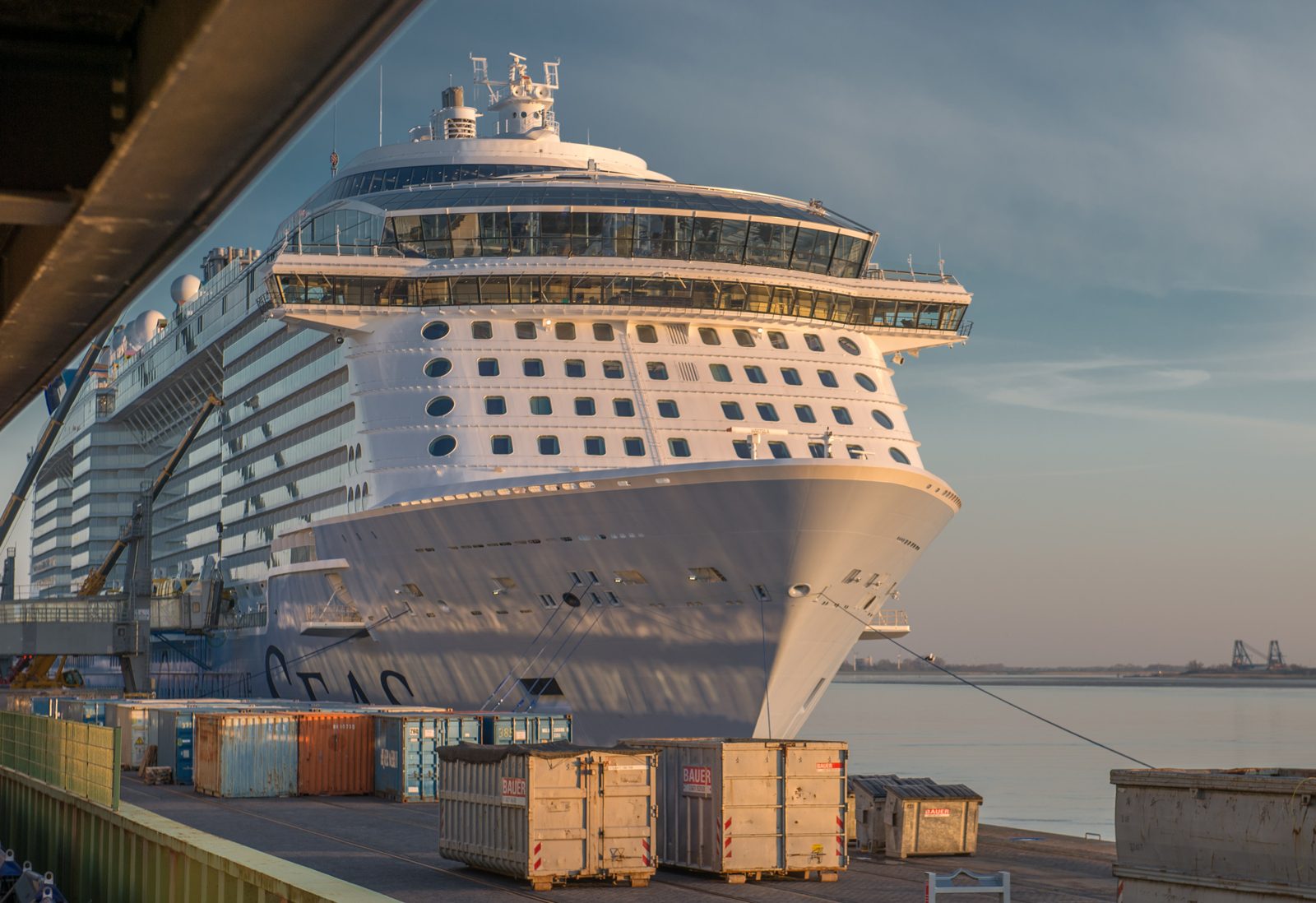
A cruise passenger was found alive after about 20 hours in the sea. She went overboard from a Royal Caribbean cruise ship. The rescue took place in the Ionian Sea near Greece.
The woman is 44 years old. She comes from El Salvador. She was a guest on the Odyssey of the Seas.
The ship was sailing near the Greek island of Zakynthos.
A cargo ship found her in the dark. The crew saw a flashing light on her lifebuoy. A lifebuoy is a floating ring that keeps a person afloat.
That small light saved her life.
What happened
The ship left Mykonos and headed for Naples. Mykonos is a Greek island. Naples is a port city in Italy.
The cruise had left Civitavecchia in Italy on October 4. Civitavecchia is the port near Rome.
On the morning of Friday, October 9, the woman went overboard. The ship was about 72 nautical miles southwest of Zakynthos. A nautical mile is a unit of distance at sea.
It equals about 1.85 km.
The exact circumstances have not been reported. One report said she appears to have jumped around 0600. She had a life preserver from the ship. A life preserver is a vest or ring that helps a person float.
Unconfirmed reports said she grabbed the preserver and went over the side. The case is still under investigation.
The cruise ship started a search at once. It circled the area. The Greek Coast Guard sent two patrol boats.
It also sent a helicopter. The Greek Air Force sent a plane. Passing ships joined the search too.
Hours passed. Night fell. Then, early on Saturday, October 10, the cargo ship MSC Rossella III spotted her.
The ship was sailing from Piraeus to Gioia Tauro in Italy. Piraeus is the main port of Athens.
The crew saw a flashing light on a lifebuoy. The woman was floating inside the ring. She was conscious.
She was suffering from mild hypothermia. Hypothermia means the body gets too cold.
Video from the Coast Guard shows the rescue. The ship shines a light on the dark water. The woman floats in the orange ring.
A crew member shouts to ask if she is okay. The crew throws her a rope. She grabs it and pulls herself toward the ship.
A Coast Guard patrol boat then reached her. The crew gave her first aid. First aid is emergency care at the scene.
The ship then sailed to the port of Katakolo on the Greek mainland. An ambulance took her to a local hospital. She went in for medical observation and tests.
The Katakolo Port Authority is now investigating the incident. The cruise had to cancel a planned port call in Naples. It stayed to help with the search.
Royal Caribbean Group owns the cruise line. The company said it launched a search and rescue effort at once. It said it is working with the authorities.
Its Care Team is supporting the guest's loved ones. The company shared no more details. It cited the privacy of the guest and her family.
Some reports said the woman was at sea for nearly 24 hours. The Coast Guard put the time at up to 20 hours. Either way, it was a very long time in open water.
Survival after that long is rare.
Why it matters
This rescue is rare for two reasons. First, few people survive that long at sea. Cold water drains strength fast.
Waves and wind make it worse. Night makes it worse still.
Second, few overboard cases end in rescue at all. From 2009 to 2019, there were 212 overboard incidents worldwide. Those involved guests and crew.
Only 48 people were rescued. Those figures come from data compiled for the Cruise Lines International Association. CLIA is the main cruise industry group.
But the risk is falling. Cruise capacity grew by 68% in that period. The rate of overboard incidents fell by nearly 35%.
In plain words, more people cruise now. Yet fewer go overboard.
CLIA says overboard incidents are exceedingly rare. It says cruise lines use robust safety measures. Robust means strong and well-tested.
Ships have railings, cameras, and fast response plans. Crews train for this exact event.
The lifebuoy light also mattered here. Without it, the cargo ship may have missed her in the dark. A small flashing light made a huge difference.
It shows why safety gear exists.
The case also shows how sea rescues work. Many ships and aircraft joined the search. A passing cargo ship made the find.
That teamwork is normal at sea. Ships must help each other in distress.
For cruise passengers, the story is a reminder. Stay behind railings. Follow crew instructions.
Tell the crew at once if you see someone in trouble. Fast action saves lives.
For more travel safety, see why cruise ships hold muster drills before sailing. A muster drill teaches passengers what to do in an emergency. Also see our report on American Airlines route cuts for more travel news.
What happens next
The investigation will continue. The Katakolo Port Authority is in charge. It will look at how the woman went overboard.
It will also look at the ship's response. No findings have been shared yet.
The woman will keep getting medical care. She reached the hospital after the rescue. Her condition has not been shared in detail.
The family has asked for privacy.
The ship has moved on. The Odyssey of the Seas is now on a new sailing. It left Rome on Sunday, October 11. It will return to Rome on Sunday, October 18. Its stops include Sicily, Naples, Santorini and Mykonos.
Royal Caribbean has not announced any policy changes. It is too early for that. Any changes would come after the investigation.
The company may review its railings, cameras, or night patrols.
The story may also shape how people view cruise safety. Some travelers will feel nervous. The numbers show the risk is very low.
But one dramatic rescue can loom large in the mind. The facts show a rare event with a rare happy ending.
The sea is vast and dark at night. A lone swimmer is hard to find. This time, a light, a lifebuoy, and many searchers made the difference.
A woman who spent a night in the Ionian Sea is alive today.
The rescue stands as a reminder. Safety gear works. Teamwork works.
And even after 20 hours at sea, hope can hold.
Related stories

The 3-1-1 liquids rule for planes: what each number means
TSA's 3-1-1 rule limits carry-on liquids to 3.4-ounce containers in one quart bag. Where the 2006 rule came from, what counts, and how

Why Is Airplane Food So Bland at Altitude?
A 2010 Fraunhofer study found altitude cuts sweet and salty perception by up to 30 percent. Low humidity, cabin pressure, and noise all

Carry-on size limits: why airlines each set their own
Airlines set their own carry-on limits because the FAA only requires each carrier to have a policy, not one global size. Why 22 x 14 x