
Why Cruise Ships Do Muster Drills Before Sailing
Key takeaways
- A muster drill teaches every passenger where to go, how to wear a life jacket, and how to respond if an emergency is announced.
- Since January 1, 2015, international rules require the drill before departure or immediately upon departure.
- The change followed the Costa Concordia disaster, when hundreds of newly boarded passengers had not yet had a drill.
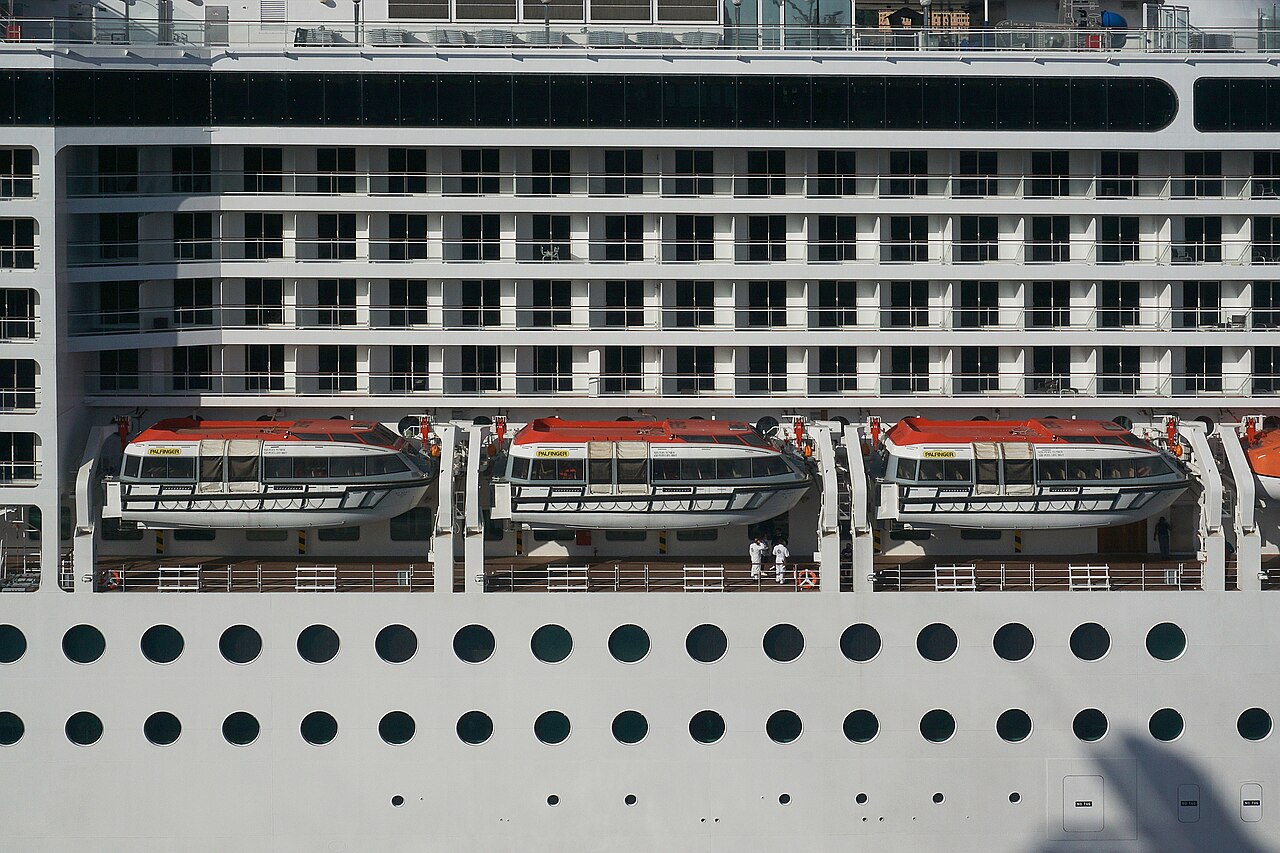
A muster drill is a short safety exercise held for every passenger on a cruise ship. During the drill, passengers gather at an assigned assembly point, often called a muster station, and learn the basic steps of an emergency response. The crew demonstrates how to put on a life jacket and explains the signals that announce an emergency.
The drill is not a formality or a welcome event. It is a rehearsal for the worst minutes of a voyage, held while the ship is still safe and calm. This article explains what a muster drill covers, why cruise ships hold it before sailing, what passengers must do during it, and what happens if someone misses it.
What a muster drill covers
Every muster drill teaches the same core skills, even though the exact format varies by ship. Passengers learn the location of their muster station, which is printed on their cabin key card and posted inside the cabin. They learn the route from their cabin to that station, so they can find it without help.
The crew demonstrates how to put on a life jacket correctly. Passengers practice tightening the straps and securing the jacket so it stays in place in water. The drill also covers the emergency signal, a series of horn blasts that tells everyone to report to their muster station.
The drill explains what happens after passengers gather. Crew members check passengers in at the station and give further instructions. In a real emergency, passengers would then be guided from the assembly station to the lifeboat embarkation point.
The drill walks through the first part of that chain, so no one has to learn it during a crisis.
A muster drill also introduces passengers to the idea that orders come from the bridge. The captain and officers direct the response, and passengers are expected to follow crew instructions rather than act on their own. That chain of command matters on a ship carrying thousands of people, where a wrong move by a few passengers can block a corridor for hundreds.
Why the drill happens before sailing
The timing of the muster drill changed after a disaster. For years, international rules allowed cruise ships to hold the passenger muster within 24 hours of embarkation, according to MarineLink. That window meant some passengers could sail, sleep, and spend a full day on board before ever learning where their muster station was.
The Costa Concordia disaster exposed the cost of that delay. The ship grounded off the coast of Italy on January 13, 2012, with about 4,200 people on board, according to Travel Weekly UK. Nearly 700 passengers had boarded that day at Civitavecchia, the port near Rome, and their drill had been scheduled for the following day.
When the emergency struck, those passengers had not yet been shown their assembly stations.
The cruise industry moved first. In February 2012, the Cruise Lines International Association announced that its member lines would hold muster drills before departure, a policy that went beyond the legal requirement at the time. The industry review behind the change examined the human factors in the Concordia evacuation, including how passengers found their way around a large ship under stress.
International law then caught up. The International Maritime Organization approved draft amendments to the Safety of Life at Sea convention, known as SOLAS, changing the rule from within 24 hours to before departure or immediately upon departure, according to gCaptain. The amended regulation, SOLAS III/19, was adopted in 2013 and took effect on January 1, 2015, according to MarineLink.
From that date, newly embarked passengers had to undergo safety drills, including mustering at the lifeboat stations, before the ship departed or immediately on departure.
The lesson behind the change is simple. An emergency can happen in the first hour of a voyage, not only on day two. A passenger who has not had a drill is a passenger the crew must find, guide, and calm from scratch, in the dark, possibly with language barriers.
A passenger who has had the drill already knows where to go.
What passengers do at the drill
The drill begins with an announcement telling passengers to report to their muster stations. Passengers bring their life jackets if the crew instructs them to do so, and they follow the posted route from their cabin. On many ships, crew members stand in corridors and stairwells to point passengers in the right direction.
At the muster station, passengers gather in an assigned area and listen to a safety briefing. The crew demonstrates the life jacket, explains the emergency signals, and points out the route to the lifeboats. The briefing also covers rules that apply during an emergency, such as using stairs instead of elevators and keeping corridors clear.
Passengers should treat the drill as a real rehearsal. That means finding the muster station from the cabin without following a crowd, noting landmarks along the way, and listening to the full briefing. It also means checking that the life jacket fits and asking a crew member for help if it does not.
The drill usually lasts less than an hour, and much of that time is spent waiting for everyone to assemble. The actual instruction is short, and it is repeated in several languages on ships with international passengers. Children take part alongside adults, since the drill covers the whole traveling party.
Like the airport security checks that repeat on some layovers, the repetition is the point, since the routine has to work when people are tired and distracted.
What happens if you miss or skip the drill
Missing the drill is not a minor oversight. Cruise lines track attendance at muster stations, and a passenger who does not show up is usually required to attend a make-up briefing. On rare occasions, when passengers arrive after the muster has finished, they are given individual or group safety briefings that meet the same SOLAS requirements, according to the industry policy reported at the time.
Passengers who refuse to take part face serious consequences. Cruise lines have removed passengers who would not attend the safety drill, a step that reflects how the industry treats the muster as a condition of sailing. The drill is mandatory, not optional entertainment, and the ship can sail without a passenger who will not complete it.
Late-arriving passengers are not left uninstructed. The policy adopted by the cruise associations requires prompt briefings for anyone who boards after the muster, so that every newly embarked passenger receives the safety information at the earliest practical opportunity. That rule closes the gap that the Concordia case exposed, when hundreds of same-day boarders were still waiting for their drill.
Why the drill still matters on modern ships
Modern cruise ships carry thousands of passengers and crew, and their size makes the drill more important, not less. A large ship has long corridors, multiple decks, and many public rooms, and a passenger who is lost during an emergency adds to the work of the crew. The drill gives every passenger one fixed destination to remember: the muster station.
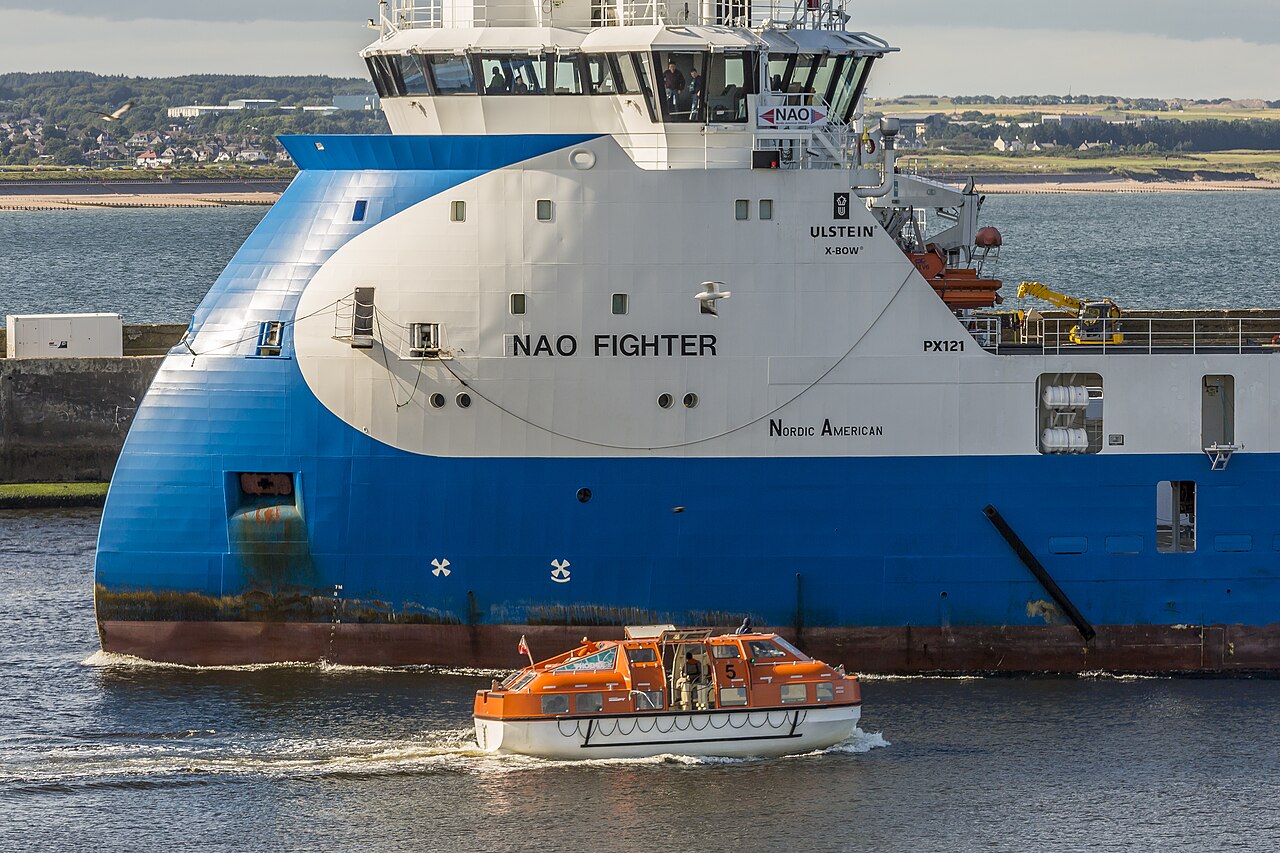
Lifeboat design also sets a hard limit on confusion. Lifeboats are designed to operate up to an adverse list of 20 degrees, according to maritime consultant Dr Tom Allan, quoted by Ship-Technology. Beyond that angle, launching boats becomes extremely difficult.
That fact underlines why an orderly, practiced muster matters, since a slow or chaotic assembly can eat into the time available for evacuation.
The drill also helps the crew. It shows officers how quickly passengers can assemble, which corridors jam, and where extra guidance is needed. That information shapes how the crew would run a real muster, and it cannot be learned from a manual alone.

Finally, the drill sets the tone for the voyage. It tells passengers that safety is organized, that the crew has a plan, and that every person on board has a role to play. A calm, orderly drill is the first sign that the ship is run with care, much like the checks before a flight.
For more on how air travel handles its own safety routines, see how the jet stream speeds up eastbound flights and why passport validity rules can decide whether you board at all.
Frequently asked questions
How long does a cruise muster drill take?
Most drills take 30 minutes to an hour, including assembly time. The briefing itself is short, and much of the time goes to getting every passenger to the right station.
Do children have to attend the muster drill?
Yes, the drill covers every passenger, including children. Families attend together so that each member learns the same muster station and the same route.
What should I bring to the muster drill?
Follow the announcement on your ship. Some lines ask passengers to bring their cabin life jackets, while others demonstrate with crew jackets. Bring your cabin key card, since it shows your muster station.
Can I skip the drill if I have cruised before?
No, the drill is required on every sailing, even for experienced cruisers. Muster stations, ships, and procedures differ, and attendance is recorded.
The bottom line
Cruise ships hold muster drills before sailing because the old 24-hour window left new passengers unprepared on their first day at sea. The Costa Concordia disaster showed that gap in the worst way, and the industry and then international law closed it. Attend the drill, learn your station, and check your life jacket.
Those few minutes are the cheapest safety investment of the whole voyage.
Tags: cruise safety, muster drill, SOLAS, cruise travel
Latest in Travel
- Why Cruise Ships Do Muster Drills Before Sailing
- How the Jet Stream Makes Eastbound Flights Faster
- Why Some Countries Require Six Months Passport Validity
- How TSA PreCheck Actually Saves Time Step by Step
Subscribe for weekly travel explainers that make trips smoother and safer.
Related stories

The 3-1-1 liquids rule for planes: what each number means
TSA's 3-1-1 rule limits carry-on liquids to 3.4-ounce containers in one quart bag. Where the 2006 rule came from, what counts, and how

Why Is Airplane Food So Bland at Altitude?
A 2010 Fraunhofer study found altitude cuts sweet and salty perception by up to 30 percent. Low humidity, cabin pressure, and noise all

Carry-on size limits: why airlines each set their own
Airlines set their own carry-on limits because the FAA only requires each carrier to have a policy, not one global size. Why 22 x 14 x