
Why You Go Through Security Again on Some Layovers
Key takeaways
- A second screening usually means you left one secure zone and must enter another, often after customs or a terminal change.
- Security standards differ by country, so airports re-screen arrivals from places they do not fully trust.
- Most same-terminal domestic connections skip re-screening, while international-to-domestic connections almost never do.
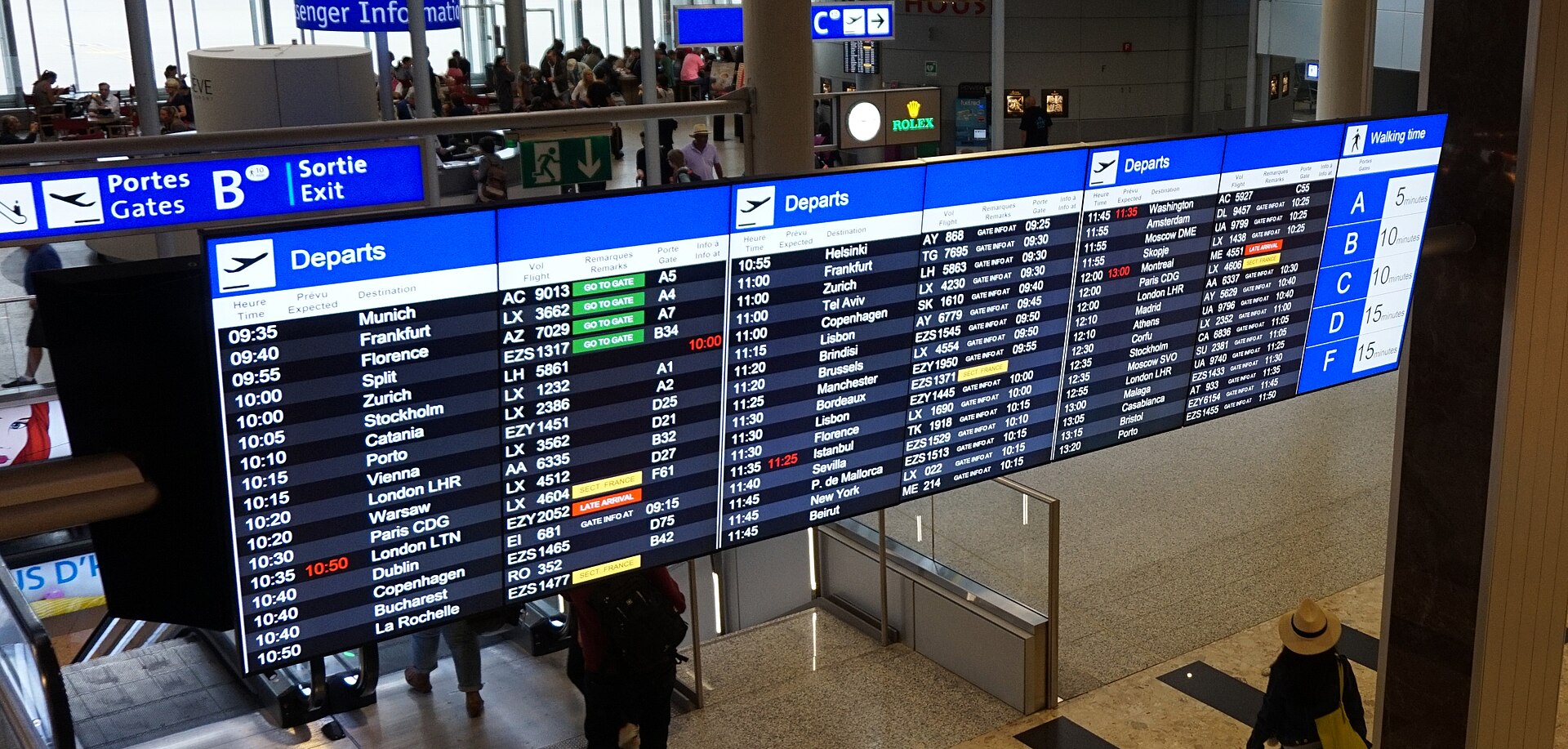
You step off one flight, follow the signs, and land in another security line. It feels redundant, since you were screened an hour ago, yet the second check is one of the most common parts of connecting travel.
The reason is simple once you see how airports are built. Security does not cover a whole airport as one bubble. It covers separate secure zones, and moving between zones often means being screened again.
This article explains why you go through security again on some layovers, including the four main triggers, the cases where you skip it, and how to plan connection times around it.
The core idea: secure zones, not whole airports
Airports divide into public areas and secure areas, often called sterile areas. You enter the sterile area through screening, and you stay inside it while you wait at the gate and board.
The catch is that the sterile area is not always one connected space. A terminal may have separate secure zones, and separate terminals may have no secure link at all.
When you leave a sterile area for any reason, you must be screened to get back in. That is the rule behind most second screenings, and it applies even if you never left the building.
Think of it like a clean room with two chambers and a corridor between them. Passing through the corridor breaks the seal, so the next chamber checks you again before it trusts you.
Trigger 1: Customs and immigration on international arrivals
The biggest trigger is the international-to-domestic connection. In the United States, arriving international passengers clear immigration, collect checked bags, pass through customs, and then recheck bags before a domestic connection.
That sequence forces travelers out of the secure area. After customs, they stand in the public part of the airport with their bags, so they must pass through TSA screening again to reach the departure gates.
The logic is about what you picked up along the way. After clearing customs, you have had access to checked bags and to items that were not screened at your origin, so the next flight needs a fresh check before you board.
The same pattern applies in many countries. First point of entry means first customs stop, and the connection after that stop means a new screening.
Travelers who connect from one international flight to another international flight may stay airside in some hubs, but the international-to-domestic case is the classic second screening, and it catches first-time travelers by surprise.
Trigger 2: Changing terminals or concourses
Terminal changes are the second big trigger. If your connection requires moving from one terminal to another, your odds of re-screening jump sharply.
Some airports run airside buses or trains that keep transferring passengers inside the secure zone. Others make travelers exit to the street or to a public shuttle, and once you exit, you are back at square one.
Even within one terminal, the layout can force a second check. A concourse with no secure link to the next concourse works like a terminal change, even though the buildings touch.
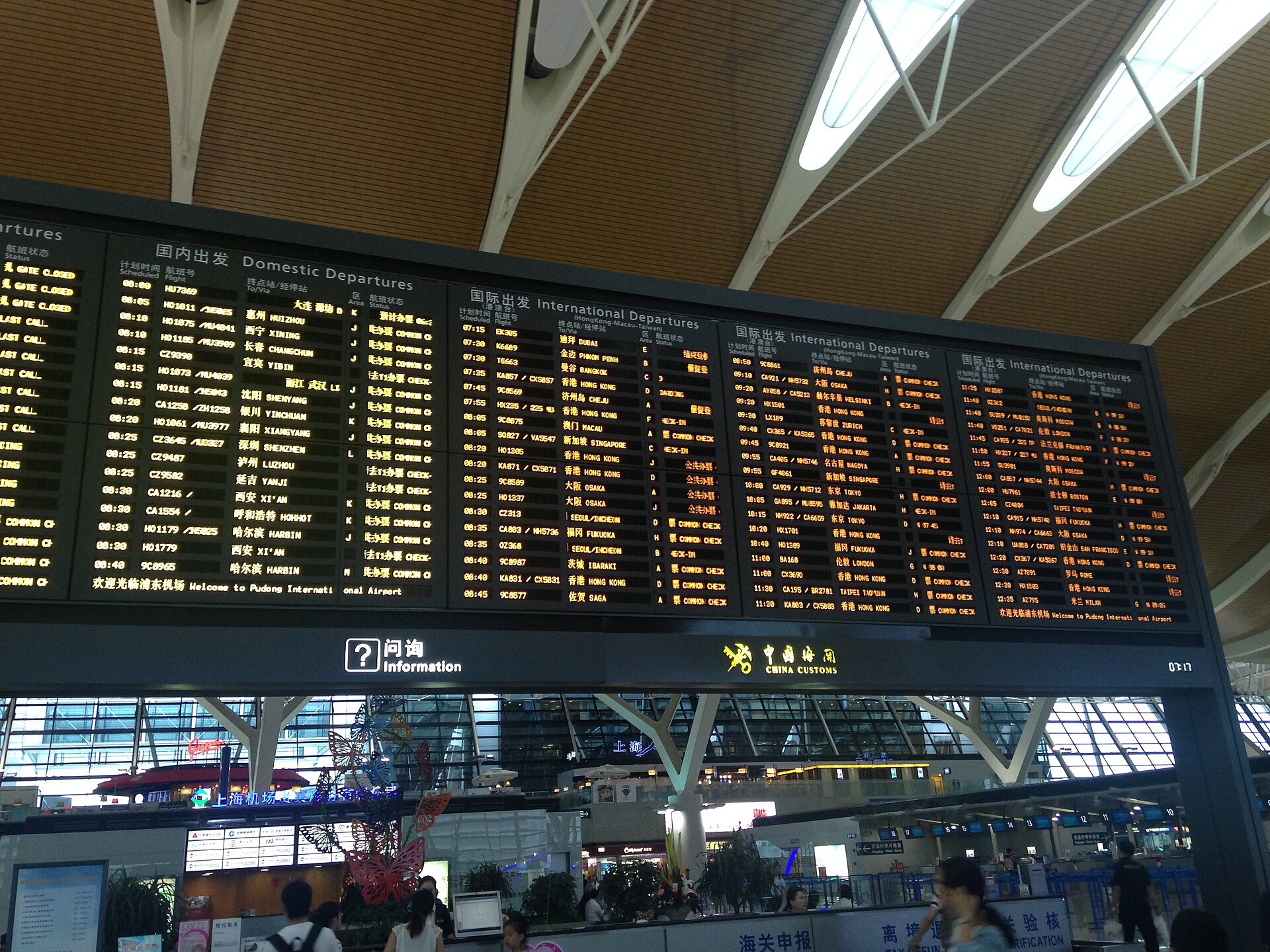
Large hubs such as Los Angeles or Paris Charles de Gaulle are known for this. A terminal change there can turn a simple layover into a long walk plus a fresh screening, which is why the airport map matters as much as the clock.
Before booking, check whether the two flights use the same terminal and whether a secure transfer route exists. The airline or airport site usually states it, and that detail is worth more than any generic advice.
Trigger 3: Different security standards between countries
Security rules are not the same everywhere. The International Civil Aviation Organization (ICAO) sets guidelines, but each country writes its own procedures, buys its own equipment, and trains its own screeners.
That gap forces re-screening. An airport that trusts its own screening may not trust the screening at the airport you flew from, especially if that airport uses older equipment or lighter checks.
Curious Expeditions describes this as a lack of global harmonization. What counts as acceptable in one nation might not meet the criteria of another, so arrivals from lower-standard origins get screened again.
Risk profiles differ too. An airport facing a higher threat level may run stricter checks than the airport you came from, and it will not waive its own rules for transfer passengers.
Sterile transit deals between specific countries exist, but they are the exception. They usually require staying on the same aircraft or inside a tightly controlled transit area, and travelers should confirm them with the airline rather than assume them.
Trigger 4: Leaving the secure zone, even briefly
Some second screenings come from ordinary choices. Stepping out to meet someone, to smoke, to recheck a bag, or to switch to a separately booked flight all mean leaving the sterile area.
Self-transfers are a common trap. If two flights sit on separate tickets, the traveler may need to collect bags, check in again, and re-clear security, even when both flights are domestic.
Even staying inside can trigger a check in rare cases. Staff, contractors, and shop goods move through the secure area, and airports run periodic re-screening when they judge the risk has changed.
The lesson is to treat the sterile area as a one-way door. Once you leave, budget for the full screening routine again, including the queue.
When you usually skip the second screening
Many connections need no second check at all. A domestic-to-domestic connection inside the same terminal, with no bag reclaim and no exit, usually means walking straight to the next gate.
Airlines design hubs for this. Gates in one secure concourse connect through walkways, trains, or buses that never leave the sterile area, so transfer passengers flow without re-screening.
International-to-international connections can also skip it at well-designed hubs. If both flights use the same terminal and the airport runs a sterile transit corridor, passengers may pass a transfer checkpoint or none at all.
London Heathrow is a mixed case. Even same-terminal transfers there often pass through a security check, which shows that airport policy, not just layout, decides the outcome.
The safe habit is to assume re-screening until the itinerary proves otherwise. If the booking shows one ticket, one terminal, and no customs stop, the odds of skipping it rise, but they never reach certainty.
Liquids, duty-free, and the second screening
The liquids rule follows you through every screening, including the second one. The standard 3-1-1 rule limits containers to 3.4 ounces inside one quart-sized bag, and it applies again at the connection.
Duty-free liquids are the classic casualty. A sealed duty-free bag bought before the first flight may not survive the second screening if it breaks the liquids limit, since duty-free rules and recognition vary by country.
Curious Expeditions advises buying liquids after the last security checkpoint. That single habit removes the most common duty-free loss on connections.
If you must carry duty-free liquids through a connection, keep the receipt and the sealed bag, and check the transit airport rules before you buy. A bargain bottle is no bargain if security takes it at the transfer.
How much time to allow
Connection time should include the second screening when it applies. Travel advisers suggest a general rule of 60 to 90 minutes between domestic flights and at least two to three hours for international itineraries, according to Citizen Daily Post.
Minimum connecting times vary widely. Some international airports post minimums as low as 30 minutes, while large airports that require a terminal change can need two hours or more.
Amsterdam Schiphol, for example, posts a minimum transfer time of around 50 minutes, but non-Schengen connections with extra checks can need more.
Tight connections deserve a plan. Keep the boarding pass and ID handy, keep liquids and laptops easy to reach, and tell staff about the tight connection, since they can sometimes point to a faster route or help at the checkpoint.
TSA PreCheck speeds the second screening when it applies, but it does not remove it. PreCheck members still re-clear security on connections that require it, just through a faster lane.
Frequently asked questions
Do I always go through security again on a layover?
No. Same-terminal domestic connections on one ticket usually skip it, while international-to-domestic connections and terminal changes usually require it. The itinerary and the airport layout decide each case.
Why do I need screening again if I never left the secure area?
You may still face re-screening if the airport treats your arrival zone as separate from your departure zone, or if it runs periodic checks. Contact with unscreened people or goods inside the airport can also trigger a fresh check.
Does TSA PreCheck exempt me from re-screening on connections?
No. PreCheck speeds up screening but does not guarantee exemption, especially on arrivals from outside the United States or at airports with different standards. Global Entry helps with customs and immigration, not with skipping security.
Will my duty-free liquids survive a connecting screening?
Not always. Duty-free rules vary by country, and liquids over the limit can be seized at the connection. Buy liquids after your final security checkpoint when you have a connection.
What if I have two separate tickets?
Treat the trip as a self-transfer. You may need to collect bags, check in again, and re-clear security, so allow far more time than a same-ticket connection.
The bottom line
A second screening on a layover is not a glitch. It means you crossed from one secure zone to another, passed through customs, changed terminals, or arrived from an airport the next one does not fully trust.
Check the terminals, check whether customs sits between your flights, and allow 60 to 90 minutes for domestic connections and two to three hours for international ones. That habit turns the surprise second line into a planned step, and it pairs with knowing how passport validity rules affect entry and why cruise muster drills happen before sailing.
Tags: layovers, airport security, connecting flights, travel tips
Latest in Travel
- How does TSA PreCheck actually save time step by step
- Why do hotel check in times exist
- What is the difference between a travel adapter and a voltage converter
- How does the jet stream make eastbound flights faster
Subscribe for one practical travel explainer each week, with steps you can follow.
Related stories

The 3-1-1 liquids rule for planes: what each number means
TSA's 3-1-1 rule limits carry-on liquids to 3.4-ounce containers in one quart bag. Where the 2006 rule came from, what counts, and how

Why Is Airplane Food So Bland at Altitude?
A 2010 Fraunhofer study found altitude cuts sweet and salty perception by up to 30 percent. Low humidity, cabin pressure, and noise all

Carry-on size limits: why airlines each set their own
Airlines set their own carry-on limits because the FAA only requires each carrier to have a policy, not one global size. Why 22 x 14 x