
Why Hotel Check In Times Exist: The Real Reasons
Key takeaways
- Hotel check-in times exist to give staff a fixed window to clean, inspect, and repair each room after checkout.
- Most hotels set checkout at 10 or 11 AM and check-in at 12 or 2 PM, leaving a one-to-three-hour turnaround.
- Early check-in is often possible, but it depends on room availability and may cost extra.
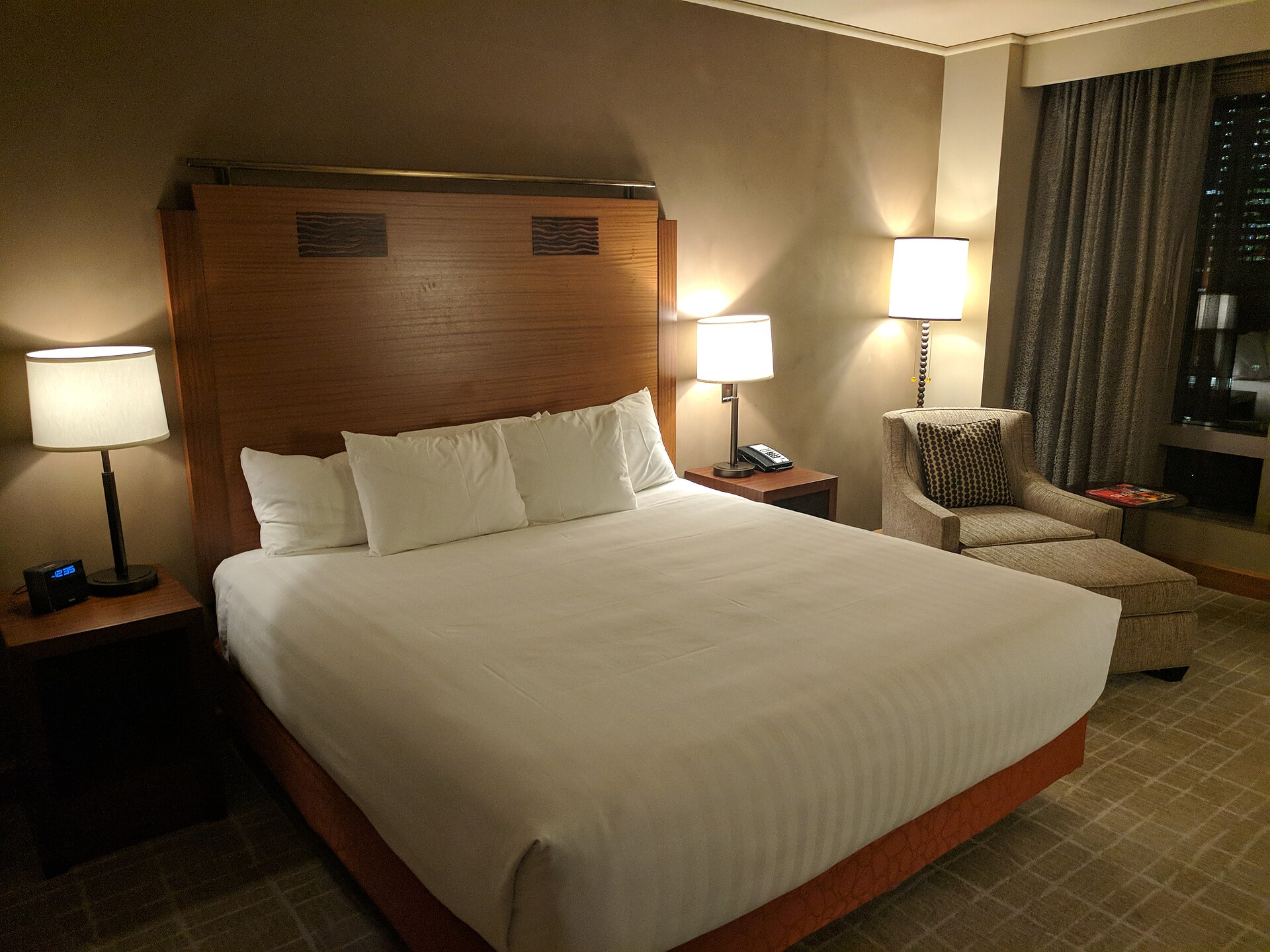
You arrive at 9 AM, bags in hand, and the front desk tells you the room is not ready. The wait feels like a policy designed to annoy travelers, but it comes from the daily rhythm of running a hotel.
A hotel room is not handed from one guest to the next like a library book. It must be cleaned, restocked, checked, and sometimes repaired, and all of that work has to fit into a short window between one guest leaving and the next one arriving.
This article explains why hotel check in times exist, including what happens during the turnaround, why the timing is standardized, and what to do when you arrive early.
The turnaround window
Most hotels set checkout between 10 and 11 AM and check-in at 12 or 2 PM, according to Moneycontrol. That gap, usually one to three hours, is the turnaround window.
The window looks generous for one room, but it is tight for a whole hotel. When dozens or hundreds of guests check out in the same hour, housekeeping teams must reset every room before the afternoon arrivals begin.
The timing is not random. It lines up the heaviest cleaning work with the hours when the fewest guests need rooms, so staff can work through the building in waves rather than chasing one-off requests all day.
Some properties run later schedules. A guide from the hotel-industry site Roommaster, cited by Aparthotel.com, says most hotels set check-in at 3 PM to 4 PM and check-out at 11 AM to 12 PM, while the apartment operator Quest lists 2 PM check-in and 10 AM check-out.
Your booking confirmation is the document that counts. It states the exact times for your property, and those times override any general rule.
What housekeeping actually does
Room cleaning is the most time-consuming part of the turnaround. Housekeeping teams replace bed linen, disinfect bathrooms, arrange fresh towels, vacuum, and restock essentials such as toiletries and bottled water, according to Moneycontrol.
The work goes beyond a quick tidy. Teams sanitize surfaces, scrub washrooms, check for stains or damage, and refill every amenity the last guest used.
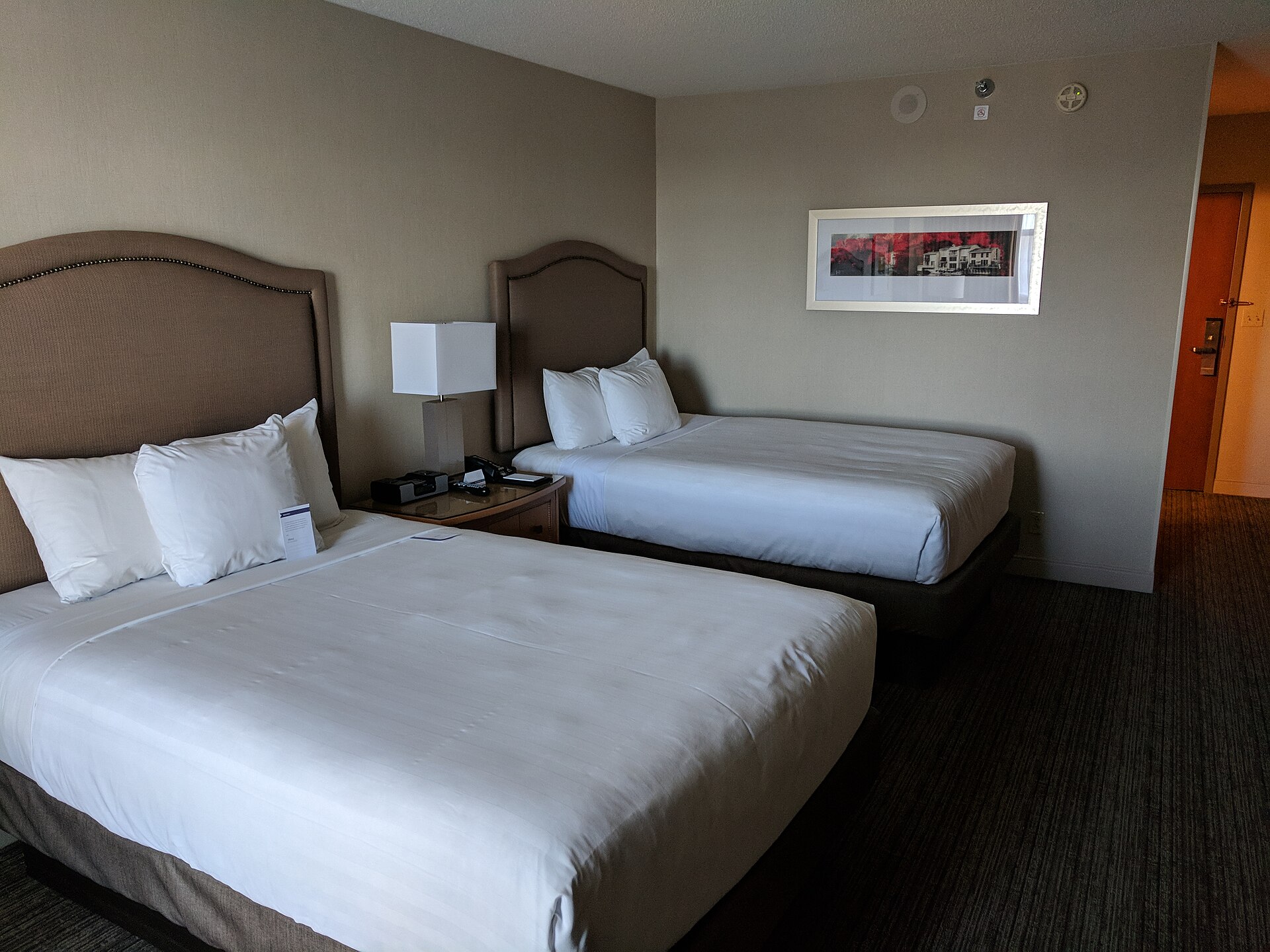
A rushed room shows. Guests notice dusty surfaces, thin towels, or a missing soap bar, and those small misses drive complaints that cost far more than an extra half hour of cleaning.
In larger hotels, the scale multiplies the task. A team may turn over hundreds of rooms in one morning, so supervisors assign rooms in a sequence that matches expected arrival times, with early-arrival rooms cleaned first when possible.
The 12 to 2 PM window exists to let that work finish properly rather than in a rush. A room handed over half-cleaned saves nobody time, since the guest will report it and the desk will have to move them.
Maintenance and quality checks
Cleaning is only the first pass. The gap between checkout and check-in also gives maintenance teams time to fix what housekeeping spots, such as faulty lights, plumbing leaks, appliance faults, or loose fittings.
Many room faults are invisible during a quick clean. A dripping tap, a dead outlet, or a wobbly handle shows up only when someone tests it, and the turnaround window is when that testing happens.
Supervisors also inspect rooms before release. NDTV notes that the midday gap lets teams check rooms against the hotel quality standard, which helps prevent guests from facing avoidable problems after they unpack.
That inspection step is why a room can sit empty yet still be "not ready." The bed may look made, but the room has not passed inspection, and the desk cannot hand over the key until it does.
Skipping this step would push the problems onto the guest. A broken shower found at 8 PM is a far worse experience than a lobby wait at 1 PM.
Why the times are standardized
Fixed check-in times make the whole hotel easier to run. A uniform schedule lets the front desk manage arrivals, lets housekeeping plan shifts, and lets supervisors track which rooms are ready, according to NDTV.
Without standard times, staff would face a steady trickle of arrivals and departures all day. Housekeeping would never know which rooms to clean first, and the desk would never know which rooms were free.
Standard times also let hotels plan laundry. Sheets and towels from hundreds of rooms move through commercial laundry in batches, and the turnaround window lines up with the laundry cycle. The same system logic shows up at airports, where a second screening on some layovers follows a fixed rule rather than a personal delay.
The pattern varies by property type. Moneycontrol notes that luxury hotels and resorts often prefer 2 PM check-in for more detailed cleaning, budget and business hotels often offer 12 PM check-in, and homestays and boutique stays are more flexible.
Metro hotels in cities such as Mumbai, Delhi, and Bengaluru often use 12 PM to suit business travelers, while leisure hubs such as Goa, Udaipur, and Jaipur more often use 2 PM because checkouts run later. The principle stays the same even as the hour shifts.
Why hotels do not just sell 24-hour stays
Travelers often ask why a room booked at 8 PM cannot be kept until 8 PM the next day. The answer is that hotels sell a night, not a personal 24-hour timer.
If every guest checked out exactly 24 hours after arriving, housekeeping would face a constant churn with no quiet window to reset rooms. Staff would move between rooms all day, and incoming guests would wait far more often.
Fixed checkout times create one predictable cleaning wave. That wave is what makes it possible to promise a clean room to the next guest at a known hour.
Some properties soften the rule with late checkout, day-use rates, or rooms set aside for 24-hour stays. Those options cost more because they break the standard cycle, and availability depends on how busy the hotel is.
The fixed schedule is a trade-off. It feels rigid to the individual traveler, yet it is what keeps hundreds of rooms turning over cleanly each day.
What to do when you arrive early
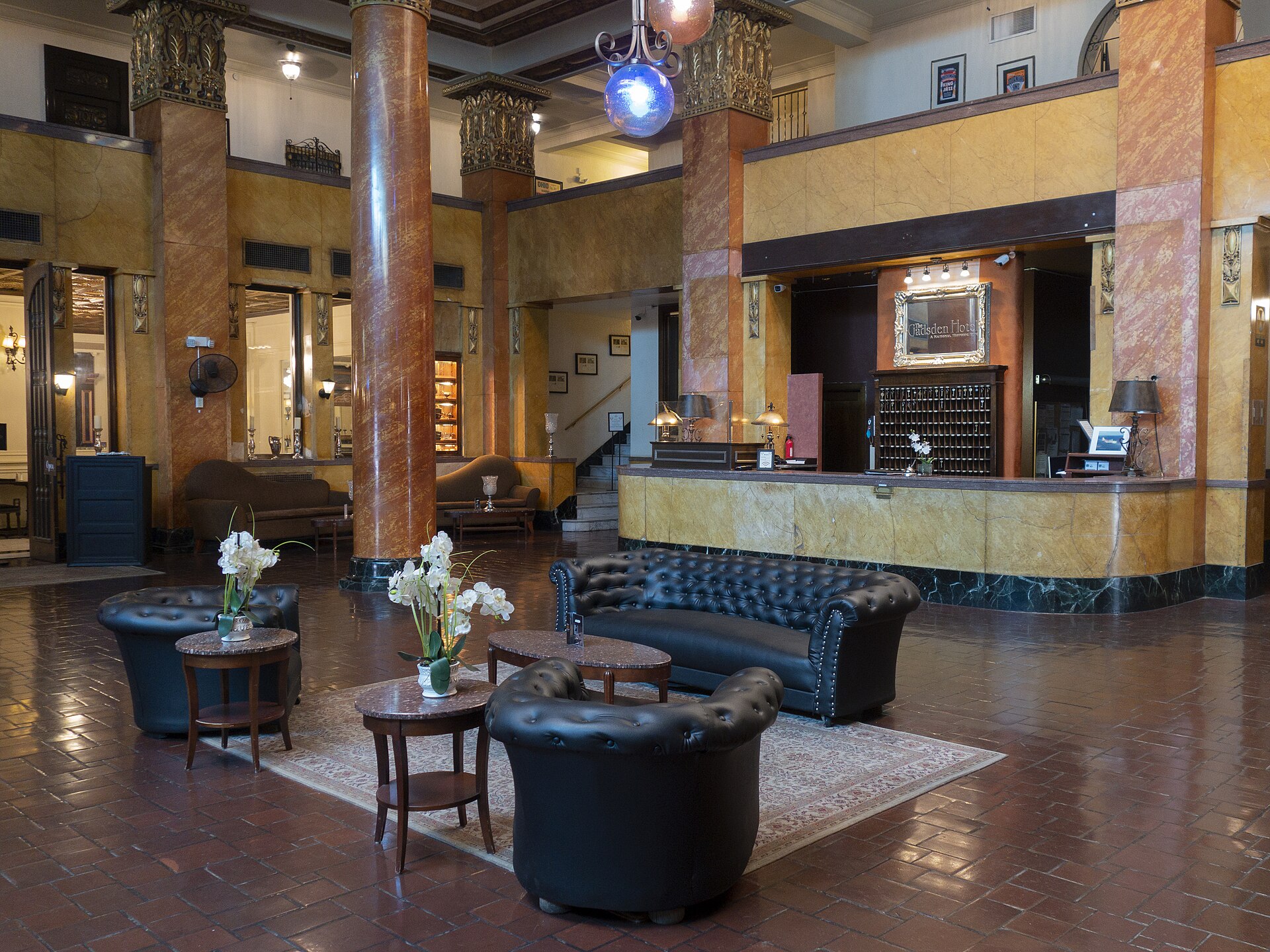
Early arrival is common, and hotels have standard ways to handle it. The best move is to message the property a day or two before arrival with your expected time, so staff can prioritize your room if one is free.
Ask about luggage storage. Most hotels will hold bags before check-in, which frees you to walk, eat, or work instead of guarding suitcases in the lobby.
Early check-in itself is generally possible but always subject to availability, and it may involve an extra charge, according to Moneycontrol. A room that is already clean and inspected can often be released early at no cost when the hotel is quiet. If you are heading onward after the stay, keep chargers and a travel adapter in your day bag so the next leg starts smoothly.
If no room is ready, ask whether the hotel can call or message you when one frees up. That beats standing at the desk, and it lets you use the wait productively.
For very early arrivals after an overnight flight, the only sure option is booking the previous night. Aparthotel.com notes that paying for the night before guarantees the room is yours when you land, which is the standard fix for dawn arrivals.
Late checkout and late arrival
Late checkout works like early check-in in reverse. Ask at check-in or the day before, and expect that a short extension may be free when the hotel is quiet, while a longer one may cost extra.
Late arrival needs the opposite message. Tell the property in advance if you will arrive after reception hours, and ask how you will get your key.
Smaller properties may close the front desk in the evening, often around 10 PM or 11 PM, according to Roommaster via Aparthotel.com. In that case, self check-in with a code, a key lockbox, or a smart lock may be the plan.
A card-guaranteed booking is normally held for late arrival, but an unannounced no-show may be treated as a cancellation. Sending your arrival time protects the booking and the room.
The same rule applies to serviced apartments, where the gap is often longer because a kitchen and living area need resetting too. Apartments take more time to turn around than a single room, so their check-in times can run later.
Frequently asked questions
Why is hotel check-in usually at 2 PM?
Because checkout usually falls at 10 or 11 AM, and staff need the gap to clean, repair, and inspect rooms. A 2 PM check-in gives a two-to-four-hour window, which suits larger or luxury properties with deeper cleaning.
Can I check in early for free?
Sometimes. If a clean, inspected room is free, many hotels release it early at no charge, especially when occupancy is low. When the hotel is busy, early check-in may be refused or charged, since it disrupts the cleaning sequence.
Why is my room not ready even though it looks empty?
The room may be cleaned but not yet inspected, or it may still need a repair. The front desk cannot hand over a key until the room passes the quality check, even if the bed looks made from the corridor.
What should I do if I arrive before check-in?
Drop your bags at luggage storage, confirm your phone number with the desk, and ask to be notified when a room frees up. Message the property before arrival so staff can plan around your time.
Do all hotels use the same check-in time?
No. Times vary by property, brand, and city, and your booking confirmation states the time that applies. Luxury resorts often use 2 PM, budget hotels often use 12 PM, and aparthotels often use 2 to 4 PM.
The bottom line
Hotel check in times exist because rooms need a fixed window for cleaning, maintenance, and inspection between guests. Checkout at 10 or 11 AM and check-in at 12 or 2 PM is the compromise that keeps that work orderly across a whole building.
Plan around it: message the property before arrival, use luggage storage if you land early, and book the previous night if you must have a room at dawn. That small planning step turns the lobby wait into a non-event, much like knowing why some layovers mean a second screening before you book a connection.
Tags: hotels, check-in, travel tips, hospitality
Latest in Travel
- Why do you go through security again on some layovers
- How does TSA PreCheck actually save time step by step
- What is the difference between a travel adapter and a voltage converter
- Why do cruise ships do muster drills before sailing
Subscribe for one practical travel explainer each week, with steps you can follow.
Related stories

The 3-1-1 liquids rule for planes: what each number means
TSA's 3-1-1 rule limits carry-on liquids to 3.4-ounce containers in one quart bag. Where the 2006 rule came from, what counts, and how

Why Is Airplane Food So Bland at Altitude?
A 2010 Fraunhofer study found altitude cuts sweet and salty perception by up to 30 percent. Low humidity, cabin pressure, and noise all

Carry-on size limits: why airlines each set their own
Airlines set their own carry-on limits because the FAA only requires each carrier to have a policy, not one global size. Why 22 x 14 x