
TSA PreCheck Saves Time Step by Step: How It Works
Key takeaways
- TSA PreCheck is a US program that gives pre-screened, low-risk travelers faster airport security screening in dedicated lanes.
- About 99% of PreCheck passengers wait less than 10 minutes, according to the TSA.
- The time saving comes from fewer steps at the checkpoint, plus a shorter lane, after a one-time enrollment.
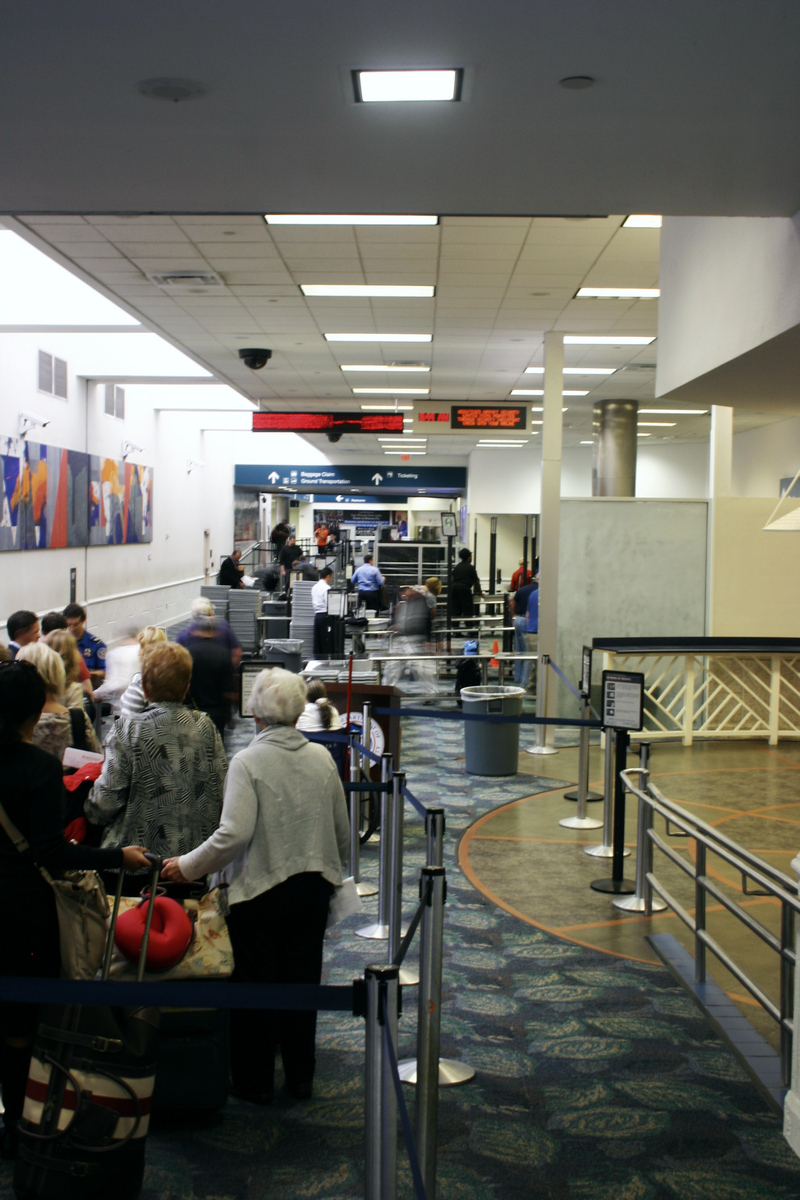
TSA PreCheck is a US government program that speeds up airport security screening for approved low-risk travelers. Members use dedicated lanes, keep more items packed, and usually reach the gate faster than travelers in the standard lane.
The saving is not one trick. It comes from a chain of small steps: a background check done before travel, a Known Traveler Number attached to each booking, a PreCheck mark on the boarding pass, and a checkpoint routine with fewer divestments.
This article explains how TSA PreCheck actually saves time step by step, including who can enroll, what enrollment costs, how the KTN works, and what happens in the PreCheck lane.
What TSA PreCheck is
TSA PreCheck is run by the Transportation Security Administration. It offers expedited screening to US citizens, US nationals, and lawful permanent residents who pass a background check and enroll.
Members are still screened. TSA notes that it uses random and unpredictable security measures throughout the airport, and no individual is guaranteed expedited screening on any given trip.
The headline benefit is speed. The TSA says about 99% of PreCheck passengers wait less than 10 minutes at security. That figure is the core promise, and it is what makes the program worth weighing against its fee.
PreCheck is available at about 200 airports in the United States, according to the Bucks County Courier Times, and it works with many participating airlines. It covers domestic flights and the US departure leg of international trips.
Families get a bonus. Children 17 and under can join an adult in the PreCheck lane for free, according to the TSA, which removes one common source of airport stress.
Step 1: Apply online
Enrollment starts with a short online application. The TSA says travelers can submit the initial application online in as little as 5 minutes.
The form asks for identity and background details. Applicants pick one of three authorized enrollment providers: CLEAR, IDEMIA, or Telos, which together run more than 1,300 enrollment locations.
Accuracy matters here. A name that does not match the ID can cause delays, and the same name should later match the flight booking, since the KTN links to the traveler, not to a nickname.
There is no need to visit the airport for this step. The online form is the paperwork part, and the in-person part comes next.
Step 2: Finish in person
After the online application, travelers complete a short in-person visit. The TSA says the visit takes about 10 minutes, including a document check, fingerprints, and a photo, plus payment.
Applicants bring proof of identity and citizenship, such as a passport, or a combination of documents the provider lists. Staff check the documents, capture fingerprints for the background check, and take a photo.
This is the only in-person step in the whole process. It is a one-time visit for the five-year membership, not a repeat interview before each trip.
Many enrollment sites accept walk-ins, and some operate in retail locations, so travelers can often fit the visit into a normal errand run.
Step 3: Pay the fee
TSA PreCheck costs $85 or less for five years, according to the TSA. The exact fee varies by provider, since each provider sets its own price within that range.
At $85, the cost works out to $17 per year. Some travel credit cards and loyalty programs reimburse the fee, which can drop the out-of-pocket cost to zero, so it pays to check card benefits before paying.
The fee covers five years of benefits if the application is approved. Renewal fees differ by provider and by online or in-person renewal, and renewal is generally cheaper than a fresh enrollment.
For travelers who fly even twice a year, the math is simple. Four screenings over five years can already repay the fee in saved time, and frequent flyers repay it far faster.
Step 4: Get the Known Traveler Number
After approval, travelers receive a Known Traveler Number, or KTN. It is a 9-digit number that marks the traveler as PreCheck approved.
The KTN is the key that connects enrollment to each flight. Without it on the booking, the traveler waits in the standard lane even with a valid membership.
Travelers should store the KTN in a password manager or another safe place. Retyping it from memory at the airport is a common way to end up in the wrong lane.
Approval timing varies. Some travelers get a KTN within days, while others wait weeks for the background check to finish, so applying well before a trip is wise.
Step 5: Add the KTN to every booking
The step most travelers botch is attachment. The KTN must be added to the airline frequent-flyer profile and to each reservation, in the Known Traveler or Secure Flight field.
If the KTN is missing from a booking, the boarding pass will not show the PreCheck mark. The airline, not the TSA, prints that mark, so the fix happens in the booking, not at the checkpoint.
Travelers should check each reservation after adding the KTN. A profile update alone does not always fix bookings made before enrollment.
This step repeats for every new booking. It takes seconds, but skipping it wipes out the whole benefit for that flight, which is why frequent flyers treat it as part of booking, not as an airport task.
Step 6: Check the boarding pass
At check-in, travelers should look for the TSA PreCheck indicator on the boarding pass. That mark is the ticket into the dedicated lane.
If the mark is missing, the traveler can still try to fix the booking before leaving for the airport, by adding the KTN and reissuing the boarding pass. At the airport, airline staff at check-in may also help.
No mark means no PreCheck lane for that segment, even with a valid KTN. The rule is strict because the lane depends on the boarding pass, not on a membership card.
This check takes five seconds and prevents the most frustrating PreCheck failure: reaching the checkpoint and being sent to the standard lane.
Step 7: Use the PreCheck lane
In the PreCheck lane, members follow a lighter screening routine. The TSA says travelers are not required to remove shoes, belts, light jackets, or a 3-1-1 compliant bag, and laptops stay in the bag.
That is the core time saving. A standard-lane traveler unpacks a laptop, pulls out liquids, removes shoes and belt, and repacks everything after screening, while a PreCheck traveler largely walks through with bags packed.
The lane itself is usually shorter, since only approved travelers use it. Shorter lines plus fewer steps per person compound into much faster throughput.
Members still show ID and pass through screening. The lane is faster, not unguarded, and TSA can still apply extra measures at random.
How much time does it really save?
The TSA figure is the anchor: about 99% of PreCheck passengers wait less than 10 minutes. Mighty Travels reports a concrete example from Atlanta, where the board showed 38 minutes for standard lanes against 6 minutes for PreCheck during a busy morning bank.
A US Travel Association study cited by Mighty Travels found that travelers with expedited screening save an average of 20 minutes per flight. Over ten round trips a year, that adds up to hours back across a five-year membership.
Savings shrink at off-peak times. When the standard lane is empty, PreCheck saves little, and during extreme holiday surges even PreCheck lanes can back up.
The value is predictability more than raw minutes. A traveler who can plan on a short wait can arrive later, book tighter connections, and stress less about making the flight.
PreCheck, Global Entry, and CLEAR
PreCheck is not the only trusted-traveler option. Global Entry, run by US Customs and Border Protection, costs $120 for five years and includes PreCheck benefits plus faster customs on international arrival.
CLEAR Plus is a private service that verifies identity with biometrics to skip the ID check line. It does not replace physical screening, so CLEAR users still need PreCheck or standard screening after the identity step.
For domestic-only flyers, PreCheck alone is usually enough. For travelers who enter the US from abroad at least once per membership, Global Entry can be the better buy because it bundles both.
Travelers should compare the three on their own routes, not on marketing. The right pick depends on how often they fly, where they fly, and whether they cross borders.
Frequently asked questions
Does TSA PreCheck guarantee faster screening?
No. The TSA says no individual is guaranteed expedited screening, since random and unpredictable measures apply. In practice, most members move faster, but the guarantee is speed on average, not on every trip.
Can children use the PreCheck lane?
Yes. Children 17 and under can join an adult in the PreCheck lane for free, according to the TSA. Teens need the PreCheck indicator on their own boarding pass in some cases, so check the current rule before travel.
What if the PreCheck mark is missing from my boarding pass?
Check that the KTN is on the reservation and that the name matches the enrollment. Reissue the boarding pass after fixing the booking, or ask airline staff at check-in for help.
Does PreCheck work on international flights?
PreCheck applies to US departure screening, including the outbound leg of international trips, at participating airports and airlines. It does not speed up arrival screening abroad or US customs on return, which is where Global Entry helps.
How long does approval take?
It varies. Some travelers are approved within days, while background checks can take weeks. Apply well before a planned trip rather than the week of departure.
The bottom line
TSA PreCheck saves time by moving the background check before travel and cutting steps at the checkpoint. Enroll once, add the KTN to every booking, check for the boarding-pass mark, and use the lighter screening routine in the dedicated lane.
The fee is $85 or less for five years, and about 99% of members wait under 10 minutes. For travelers who fly twice a year or more, that trade is hard to beat, and it pairs well with knowing why some layovers mean a second screening and how passport validity rules work.
Tags: tsa precheck, airport security, travel tips, flying
Latest in Travel
- Why do you go through security again on some layovers
- Why do hotel check in times exist
- What is the difference between a travel adapter and a voltage converter
- Why do cruise ships do muster drills before sailing
Subscribe for one practical travel explainer each week, with steps you can follow.
Related stories

The 3-1-1 liquids rule for planes: what each number means
TSA's 3-1-1 rule limits carry-on liquids to 3.4-ounce containers in one quart bag. Where the 2006 rule came from, what counts, and how

Why Is Airplane Food So Bland at Altitude?
A 2010 Fraunhofer study found altitude cuts sweet and salty perception by up to 30 percent. Low humidity, cabin pressure, and noise all

Carry-on size limits: why airlines each set their own
Airlines set their own carry-on limits because the FAA only requires each carrier to have a policy, not one global size. Why 22 x 14 x