
Why Some Countries Require Six Months Passport Validity
Key takeaways
- Many countries require a passport valid for six months beyond your trip as a buffer against delays and emergencies.
- The rule protects travelers from being stranded and protects host countries from the cost of processing expired documents.
- Airlines enforce the rule at check-in because they can be fined for carrying passengers who will be refused entry.
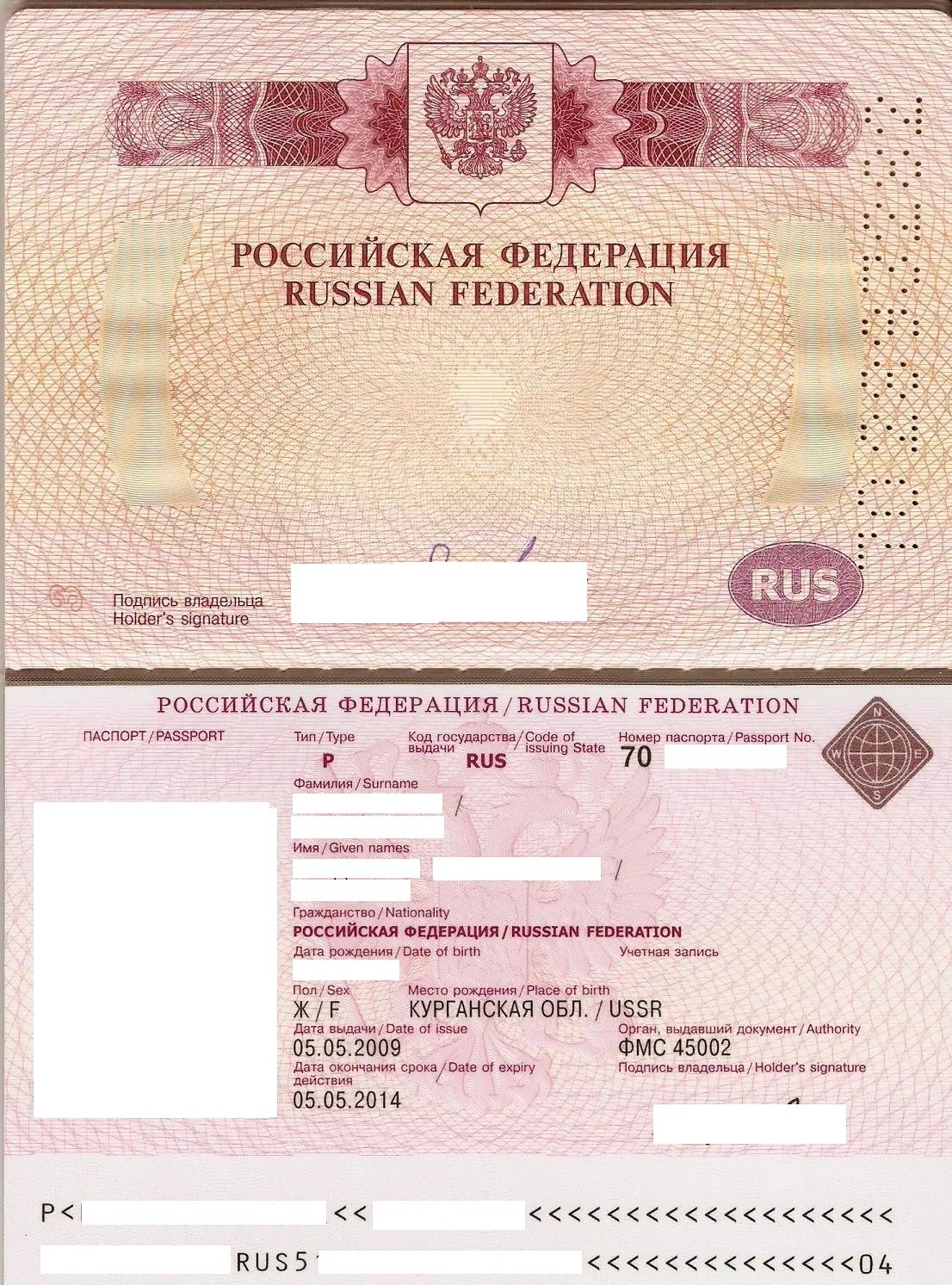
A passport can be valid and still not be enough. Many countries refuse entry to travelers whose passports expire within six months of their trip, even when the trip itself lasts only a week. The rule surprises people who assume that a passport works until its printed expiry date.
The six-month rule is a buffer, not a punishment. It gives travelers room for the unexpected and gives host countries a guarantee that a visitor can leave legally. This article explains why the rule exists, how the six-month clock works, which countries apply it, and what to check before you book.
The rule in one paragraph
The US Department of State warns that some destinations require a passport valid at least six months beyond the dates of a trip. The agency states:
> "Some destinations require that your passport be valid at least 6 months beyond the dates of your trip. Some airlines will not let you board if this requirement is not met."
That warning, reported by TheTravel, captures the practical point.
The rule is enforced before you fly, not only at the border.
The key idea is that a passport is a travel document for the whole journey, including the return. A country that admits a visitor wants proof that the visitor can still travel when the visit ends. Six months of remaining validity is the margin most countries have chosen.
Why six months
Six months sounds arbitrary, but it covers real risks. Trips run long for many reasons. Flights get delayed, illness strikes, natural disasters close airports, and legal problems can hold a traveler in place.
A passport that expires during that extra time turns a delay into a crisis, since the traveler can no longer leave on a normal document.
The buffer also prevents overstays. If a country grants a 90-day stay, it wants to know that the visitor holds a valid document for the full stay and beyond. A passport that expires mid-visit leaves the host country with a visitor it cannot easily process for departure.
Renewing a passport abroad takes time, and not every country has a fast consular service nearby.
Host countries also want to avoid emergency paperwork. A traveler with an expired passport may need an emergency travel document, consular help, and special handling at the border. That work falls on the host country and on the traveler embassy.
A six-month buffer keeps most travelers out of that situation entirely.
Airlines share the enforcement job. Carriers can be fined for transporting passengers who do not meet a destination entry requirements, according to TravBee. An airline may also have to fly a refused passenger back at its own cost.
That is why check-in staff check passport expiry dates with care, and why a traveler can be denied boarding even with a valid ticket.
How the clock works
Not every country starts the six-month clock the same way. Some count from the date you enter. Others count from the date you leave.
A few tie the requirement to a visa application date rather than to travel dates. The difference matters, so travelers should check the exact wording for each destination.
Egypt requires a passport valid for at least six months beyond the entry date, according to TheTravel. India requires a passport valid for at least six months beyond the visa application date. Those two rules sound similar, but they start at different points, and a traveler who meets one may not meet the other.
Europe Schengen Area uses a shorter rule. Travelers there generally need a passport valid for at least three months beyond the planned departure date from the region, according to TheTravel. That rule still demands a buffer, but it is half the length of the six-month standard.
The United States does not apply a strict six-month rule to every visitor. Many nationalities benefit from bilateral agreements that waive the extra buffer, according to TravBee. That is one reason the rule feels inconsistent: the same passport can face different requirements in different countries.
The safest approach is to treat six months beyond the return date as the default. If a passport expires within six months of the planned return, renew it before booking. That single habit covers most destinations, including the strictest ones.
Which countries use the rule
The six-month rule is common across Asia, the Middle East, Africa, and Latin America, and it appears in many popular destinations. China, India, Brazil, Thailand, and Egypt are among the countries that apply a six-month requirement in some form, according to travel guidance summarized by TravBee. The exact start point and the strictness of enforcement vary, so a list is only a starting point.
Some countries apply shorter rules. Schengen states use three months beyond departure, as noted above. Some Caribbean nations allow entry as long as the passport stays valid for the length of the stay, according to TravBee.
A few countries accept a passport that is valid on arrival with no extra buffer.
The variation is why travelers should never rely on a single rule of thumb for every trip. A passport that passes for one destination can fail for the next one on the same itinerary. Transit stops count too, since a connecting country can apply its own entry rules even if the traveler never leaves the airport.
The US Department of State publishes country-by-country entry requirements, and the Motley Fool notes that travelers can find passport validity rules in the Quick Facts section of each country page on the State Department site. Checking that page for every country on the itinerary, including layovers, is the most reliable step before booking.
What happens if your passport is too close to expiry
The most common outcome is denied boarding. Airline staff check documents at check-in, and a passenger who fails the destination validity rule may not be allowed onto the plane. That refusal can happen even when the passport itself is still valid, which is why travelers describe the experience as a shock.
Denied boarding costs money. The traveler may lose the flight, pay change fees, and scramble to renew a passport at short notice. Travel insurance may not cover the loss, since the cause is a document problem the traveler could have checked.
The stress is worst on trips with tight schedules, such as cruises or tours that leave on a fixed date.
Entry refusal is the second outcome. A traveler who reaches the border with too little validity can be turned away by immigration officers. That outcome is rarer, since airlines usually catch the problem first, but it is more disruptive.
The traveler must return home and rebook, often at full cost.
Renewal timing is the fix. Routine passport processing in the United States takes four to six weeks, with an expedited option available for a fee, according to travel guidance summarized by AirTraveler. Travelers who check expiry dates months ahead avoid the rush entirely.
A simple rule helps: when a passport has less than a year left, start the renewal conversation, and when it has less than six months, treat renewal as urgent for international trips.

How to check your passport before a trip
Start with the expiry date on the bio page. Compare it with the return date of the trip, not the departure date. If fewer than six months remain after the return, renew before booking, or confirm the exact rule for the destination.
Next, check the official entry requirements for every country on the itinerary. Use the US Department of State Country Information pages and look for the Quick Facts section, as the Motley Fool advises. For travelers from other countries, the equivalent source is the home country foreign ministry or the destination embassy.
Then check the airline rules. Airlines follow the destination entry requirements, but they may also apply their own checks. A quick call or a look at the airline travel documents tool can confirm what check-in staff will ask for.
The IATA Travel Centre is another widely used reference that TheTravel lists alongside the State Department.
Finally, check blank pages and passport condition. Some countries require one or two blank pages for stamps, and a damaged passport can be rejected even with plenty of validity left. A passport with water damage, torn pages, or a peeling photo page may not be accepted, whatever the expiry date says.
A short checklist helps: expiry date, six-month buffer, each country rule, transit stops, blank pages, and passport condition. Running that check once per trip takes minutes and prevents the most common document failure in international travel. The same habit helps with other trip logistics, from how security screening repeats on some layovers to why cruise ships run muster drills before sailing.

Frequently asked questions
Can I travel if my passport expires in five months?
It depends on the destination. Many countries will refuse entry or boarding with less than six months left. Renew before the trip unless the destination official rules clearly allow a shorter buffer.
Does the six-month rule apply to children?
Yes. Passport validity rules apply to every traveler, including infants and children. Each family member needs a passport that meets the destination requirement.
What if my passport expires while I am abroad?
Contact the nearest embassy or consulate of your home country for an emergency travel document. The process takes time, which is exactly the problem the six-month buffer is meant to prevent.
Do airlines really check passport expiry?
Yes. Airlines check documents at check-in and can be fined for carrying passengers who do not meet entry requirements. A denied boarding at the airport is the most common outcome of a short-validity passport.
The bottom line
Countries require six months of passport validity because travel rarely goes exactly to plan. The buffer covers delays, emergencies, and longer stays, and it keeps visitors from being stranded with an expired document. Check the expiry date against the return date, confirm the rule for every country on the itinerary, and renew early when the margin is thin.
That check is the simplest way to protect a trip.
Tags: passport, travel documents, entry rules, international travel
Latest in Travel
- Why Some Countries Require Six Months Passport Validity
- Why Cruise Ships Do Muster Drills Before Sailing
- How the Jet Stream Makes Eastbound Flights Faster
- How Does TSA PreCheck Actually Save Time Step by Step
Subscribe for weekly travel explainers that make trips smoother and safer.
Related stories

The 3-1-1 liquids rule for planes: what each number means
TSA's 3-1-1 rule limits carry-on liquids to 3.4-ounce containers in one quart bag. Where the 2006 rule came from, what counts, and how

Why Is Airplane Food So Bland at Altitude?
A 2010 Fraunhofer study found altitude cuts sweet and salty perception by up to 30 percent. Low humidity, cabin pressure, and noise all

Carry-on size limits: why airlines each set their own
Airlines set their own carry-on limits because the FAA only requires each carrier to have a policy, not one global size. Why 22 x 14 x