
How the Jet Stream Makes Eastbound Flights Faster
Key takeaways
- The jet stream is a narrow, fast river of air flowing west to east at about 30,000 to 40,000 feet.
- Eastbound planes ride it as a tailwind, gaining ground speed without flying faster through the air.
- The same wind becomes a headwind on westbound trips, which is why return flights take longer.
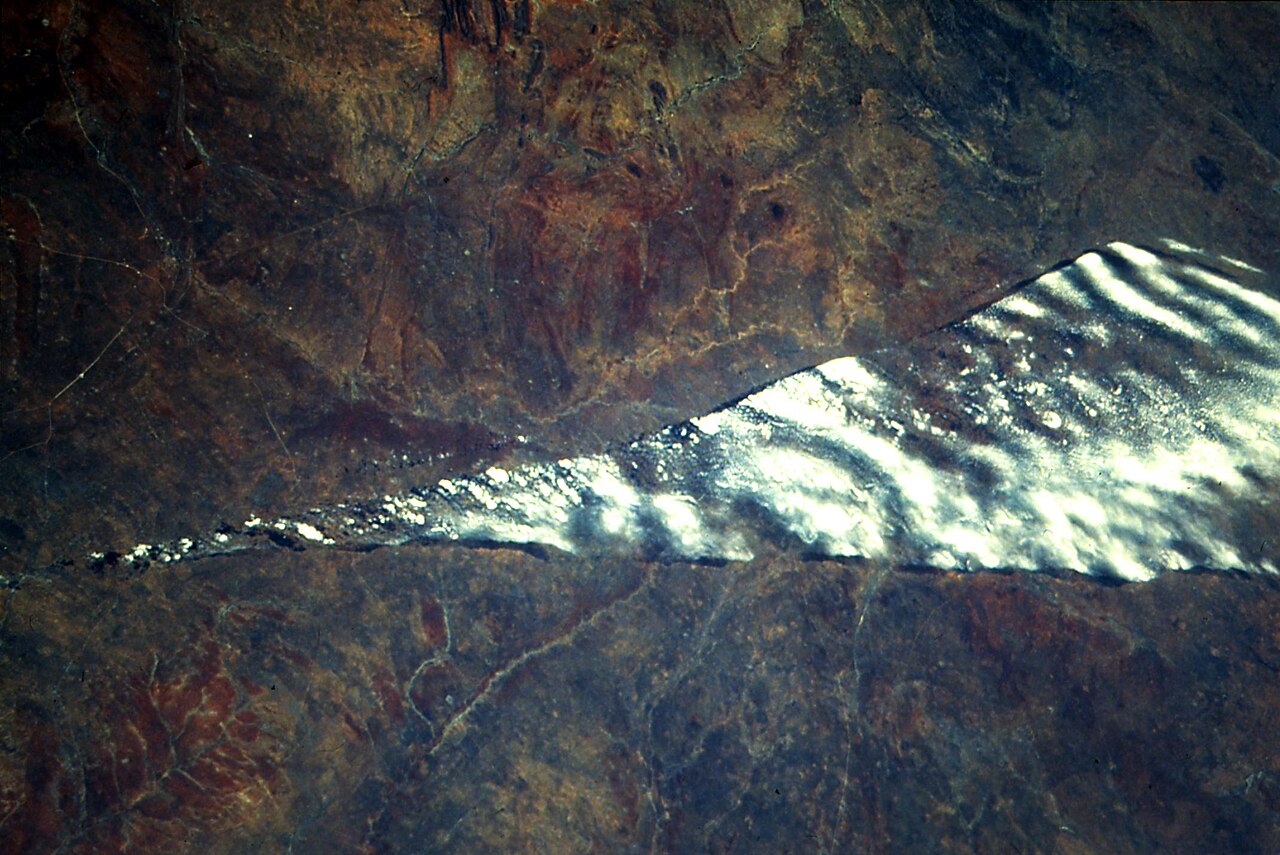
The jet stream is a narrow current of very fast air high in the atmosphere. It flows from west to east, in the same band of sky where airliners cruise, between about 30,000 and 40,000 feet, according to SlashGear. When a plane flies east inside that current, the moving air pushes it along like a river pushing a boat.
That push is why a flight from New York to London is usually shorter than the flight back. The plane does not fly harder or burn wildly more fuel to go faster. It simply rides a tailwind that adds to its speed over the ground.
This article explains what the jet stream is, how tailwinds change flight times, why ground speed and airspeed are different, and why westbound flights pay the price.
What the jet stream is
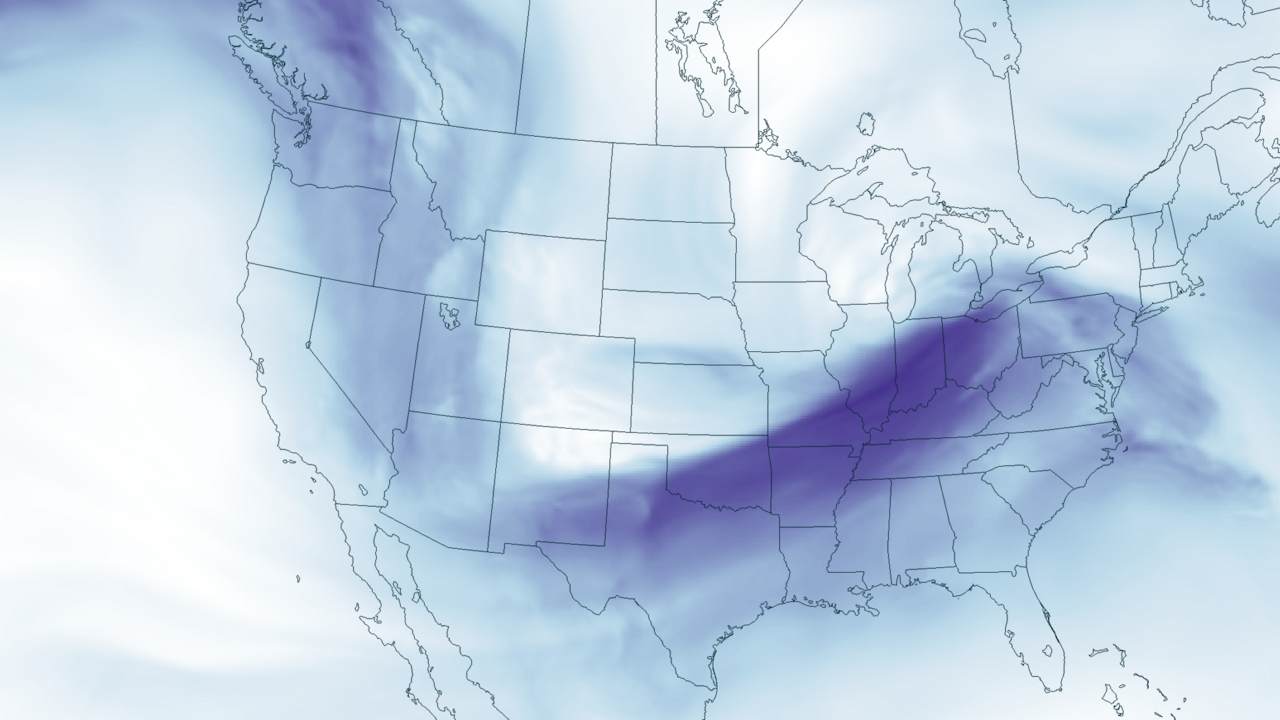
Jet streams form where warm and cold air masses meet. Warm air rises near the equator and moves toward the poles, while cold polar air sinks and flows back toward the equator, according to SlashGear. That movement creates large pressure differences, and the rotation of the Earth bends the moving air into narrow, fast currents.
The result is a river of air a few hundred miles wide that races around the planet. The polar jet stream, the one that matters most for North Atlantic flights, is strongest in winter. The temperature contrast between the poles and the tropics is greatest then, so the wind blows harder.
In summer the contrast weakens and the stream often slows.
Jet stream winds can top 200 mph over the Atlantic, according to SlashGear. On exceptional days they blow far harder. In February 2024, a weather balloon over the Washington area measured winds peaking at 265 mph between 34,000 and 35,000 feet, according to FOX Weather.
The National Weather Service office in Baltimore and Washington called it the second-strongest upper-level wind recorded in local history, with records going back to 1948.
Flight planners watch this river closely. They use satellite data and weather models to find the strongest helpful winds and to steer around the worst opposing winds. The jet stream shifts from day to day, so the best route on Monday may not be the best route on Friday.
How a tailwind speeds up a flight
A tailwind adds to a plane speed over the ground. Think of walking on a moving walkway at an airport. Your legs move at the same pace, but the walkway carries you forward faster.
A plane in a tailwind works the same way. Its engines push it through the air at a normal cruising pace, and the moving air carries the whole package forward.
The effect shows up in arrival times. Eastbound transatlantic flights often arrive 30 minutes early when the jet stream is strong. On the best days, the saving is much larger.
Pilots flying eastbound can cut more than an hour off the predicted flight time without changing their own airspeed, according to SlashGear, simply by letting the wind do part of the work.
The savings also show up in fuel. A plane that reaches its destination sooner burns less fuel, and airlines plan routes to capture that benefit. Flight controllers look to the transatlantic jet stream to save on fuel costs, according to Discover Magazine, and jet stream forecasts feed directly into flight plans.
Less fuel burned also means fewer emissions for the same trip.
The most dramatic proof came on January 15, 2018, when Norwegian flight DY7014 set a subsonic transatlantic record. The Boeing 787 flew from New York JFK to London Gatwick in 5 hours and 13 minutes, with help from a 224 mph tailwind, according to Discover Magazine. The flight reached a ground speed of 779 mph and arrived roughly 30 minutes faster than average.
The captain, Pascal Niewold, said the passengers and crew were pleasantly surprised to be landing in London already.
Ground speed is not airspeed
The record flight raises an obvious question. The speed of sound is about 767 mph, and the Norwegian jet topped that over the ground. Did it break the sound barrier?
No, and the reason is the difference between ground speed and airspeed.
Ground speed is how fast the plane moves over the Earth. Airspeed is how fast air flows over the wings. A tailwind raises ground speed without raising airspeed, because the air around the plane moves with it.
On the Norwegian flight, the ground speed of 779 mph minus the 224 mph tailwind left an airspeed of about 555 mph, according to Discover Magazine. Relative to the air around it, the plane stayed well below supersonic speed.
The same effect appeared in February 2024, when a Virgin Atlantic flight from Washington to London hit a ground speed near 800 mph, according to FOX Weather. The plane did not break the sound barrier, because its airspeed stayed near 500 to 600 mph. FOX Weather senior meteorologist Jordan Overton explained that ground speed is the airplane speed plus the winds around it, so a plane can show 800 mph over the ground while flying far slower through the air.
This distinction matters for safety. A plane is built to handle the airflow over its wings, not its speed over the ground. A strong tailwind does not strain the airframe the way supersonic flight would.
It does change the ride, since a fast, wavy jet stream can bring turbulence, and pilots may shift altitude to find smoother air.
Why westbound flights take longer
The jet stream flows one way, so the trip back faces the opposite problem. A plane flying west into the same wind meets a headwind that subtracts from its ground speed. The engines work just as hard, but the plane covers ground more slowly.
That is why westbound transatlantic flights are routinely longer than eastbound ones.
Pilots do not simply fly into the strongest headwind. They plan routes that dodge the core of the jet stream, flying north or south of it or choosing a different altitude. That detour adds miles but saves time, since a longer route in calm air beats a shorter route into a 150 mph headwind.
Flight paths that look curved or distorted on a map often reflect this trade, as SlashGear notes.
Seasonal changes shift the balance. In winter, when the jet stream is stronger, eastbound flights get bigger boosts and westbound flights face tougher headwinds. In summer, the difference between the two directions shrinks.
Travelers who notice a fast outbound flight and a slow return are seeing this seasonal pattern in action.
Turbulence is the other cost of a strong jet stream. The boundary between fast-moving jet air and slower surrounding air can be bumpy, and clear-air turbulence can appear without a cloud in sight. Pilots balance speed against comfort, and they may accept a weaker tailwind in exchange for a smoother ride.
On the record Norwegian flight, the crew noted that the flight was very smooth with almost no turbulence, which helped them use the full strength of the stream.
What this means for your trip
Travelers cannot control the jet stream, but they can understand what it does to a schedule. An early arrival on an eastbound flight is often a wind story, not a sign that the airline padded the schedule. A late arrival on a westbound flight may reflect headwinds that no pilot could avoid.
The practical lesson is to build slack into connections on westbound trips. A flight that faces a strong headwind can arrive 30 to 60 minutes late, and a tight connection may not survive that delay. Eastbound travelers can enjoy the opposite effect, but they should still expect the unexpected, since a shifting jet stream can move the fast lane away from the planned route.
The same planning logic shapes the rest of a journey. Just as pilots check the winds before departure, travelers benefit from checking the rules that decide whether they can board at all, including why some countries require six months of passport validity and how security screening repeats on some layovers. And once on board a ship instead of a plane, the safety logic changes again, which is why cruise ships run muster drills before sailing.
Frequently asked questions
How fast can the jet stream blow?
Jet stream winds over the Atlantic can top 200 mph, according to SlashGear. On rare days they have reached about 265 mph at airliner altitudes, as measured by a weather balloon near Washington in February 2024.
Do planes break the sound barrier in a strong tailwind?
No. Ground speed can exceed the speed of sound while airspeed stays well below it. The plane moves fast over the ground because the air itself is moving, not because the plane is flying supersonically.
Why is my flight to Europe shorter than my flight home?
The jet stream flows west to east, so eastbound flights get a tailwind and westbound flights face a headwind. That difference alone can shift flight times by 30 minutes or more on transatlantic routes.
Is the jet stream stronger in winter?
Yes. The temperature contrast between the poles and the tropics is greatest in winter, which strengthens the jet stream. That is when airlines see the biggest eastbound time savings and the strongest westbound headwinds.
The bottom line
The jet stream makes eastbound flights faster by adding a tailwind to a plane normal cruising speed. The plane covers more ground without flying harder, which saves time and fuel. Westbound flights pay the reverse price in headwinds, and pilots route around the worst of it.
The next time your flight lands early in Europe, credit the river of air overhead.
Tags: jet stream, air travel, flight times, aviation
Latest in Travel
- How the Jet Stream Makes Eastbound Flights Faster
- Why Cruise Ships Do Muster Drills Before Sailing
- Why Some Countries Require Six Months Passport Validity
- Why Do You Go Through Security Again on Some Layovers
Subscribe for weekly travel explainers that make trips smoother and safer.
Related stories

The 3-1-1 liquids rule for planes: what each number means
TSA's 3-1-1 rule limits carry-on liquids to 3.4-ounce containers in one quart bag. Where the 2006 rule came from, what counts, and how

Why Is Airplane Food So Bland at Altitude?
A 2010 Fraunhofer study found altitude cuts sweet and salty perception by up to 30 percent. Low humidity, cabin pressure, and noise all

Carry-on size limits: why airlines each set their own
Airlines set their own carry-on limits because the FAA only requires each carrier to have a policy, not one global size. Why 22 x 14 x