
How Does Passport Control Know You Overstayed Your Visa?
Key takeaways
- An overstay is measured against your I-94 record, which shows your authorized stay end date, not your visa stamp.
- DHS matches entry records against airline manifests, biometrics, and exit data in the ADIS system.
- Overstaying more than a year and re-entering without authorization can trigger a permanent bar from the United States.
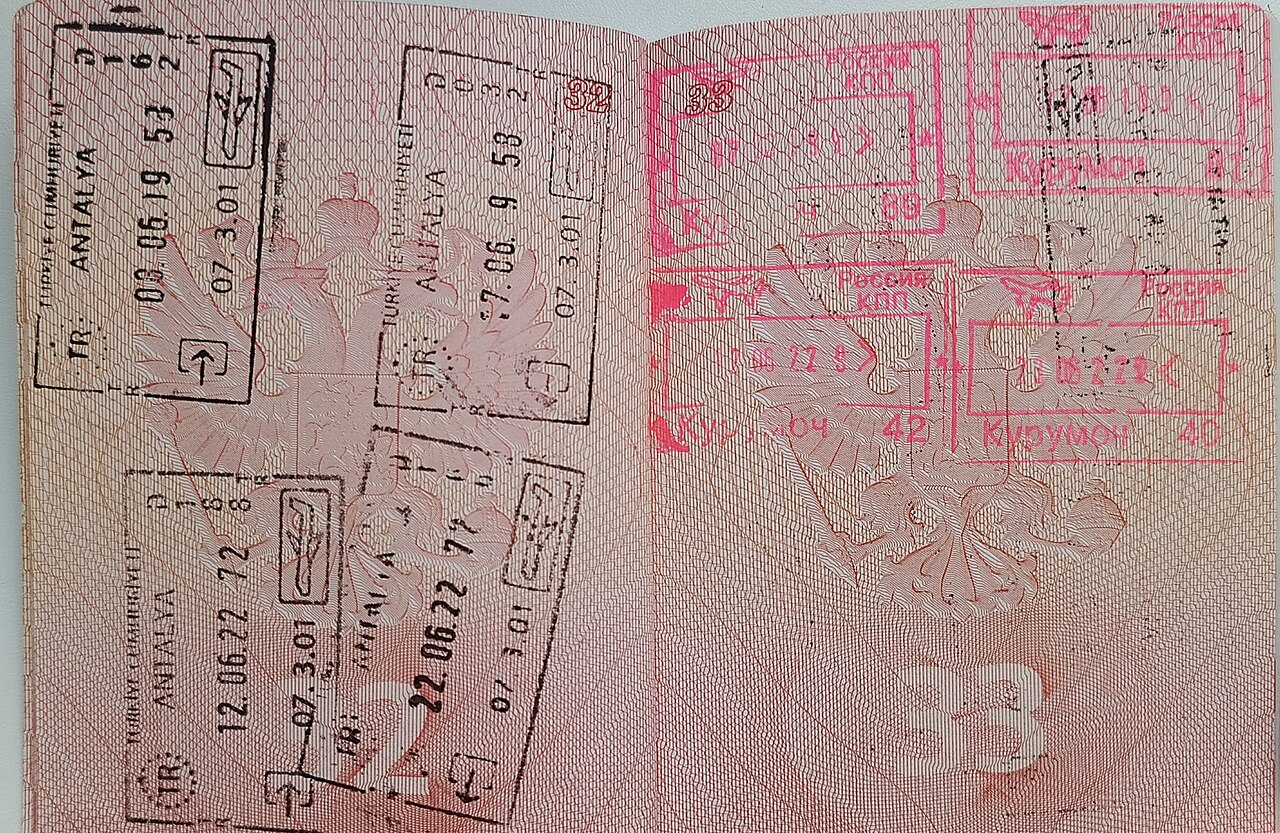
A traveler lands in the United States on a tourist visa, stays seven months instead of six, and flies home. Nobody stamps the passport on the way out.
Nobody asks questions at the departure gate. It feels like the extra month went unnoticed.
It did not. When that traveler applies for a visa again, or tries to enter on a future trip, the overstay is already in the system, waiting on the officer's screen. The notion that overstays go untracked is, as one immigration attorney puts it, categorically incorrect.
This article explains the electronic machinery behind that detection: the I-94 record that sets your deadline, the databases that match entries to exits, and the biometric net that keeps getting tighter.
Your I-94 is the real deadline, not your visa
The most misunderstood fact in this whole topic: a visa overstay is measured against your Form I-94 Arrival/Departure Record, not against your visa stamp. The visa lets you travel to the border and ask for admission. The I-94 records the admission itself, including the class of admission and the date your authorized stay expires.
Since April 2013, US Customs and Border Protection has automated the I-94 for anyone arriving by air or sea, according to LegalClarity. The record is created electronically the moment you are processed at the port of entry. You can look up your own record at the CBP I-94 website, as can the officer standing in front of you.
This distinction matters because the two documents can disagree. A tourist visa might be valid for ten years, but the I-94 might authorize only six months for a given trip.
Stay seven months and you have overstayed, even though the visa itself is still valid. Officers use the I-94 to calculate whether a previous visit ran past its authorized end date before you try to come back.
How entries get matched to exits
The Department of Homeland Security runs a system called the Arrival and Departure Information System, or ADIS. It cross-references entry records from Customs and Border Protection with departure data collected at ports of exit, including airports. When a traveler departs, the passport is scanned and that data feeds directly into DHS systems, as Immigration Defense describes.
For years, the United States lacked a reliable exit-tracking system, and travelers reasonably wondered how anyone could know they had left. That gap has narrowed sharply.
The government now collects biometric exit data, including fingerprints and facial recognition, at international airports nationwide. A DHS final rule that took effect December 26, 2025 significantly expanded the program: CBP is now authorized to collect facial biometrics from all noncitizens upon both entry and exit at land ports of entry, including vehicle lanes and pedestrian crossings, reports LegalClarity.
Airlines fill in the remaining gaps. Commercial carriers transmit passenger manifest data to CBP electronically through the Advance Passenger Information System (APIS) before the flight even lands.
The data includes name, date of birth, nationality, passport number, and flight number. Officers can flag travelers for closer inspection before they reach the booth, and the same manifest data confirms who has actually left the country.
Students and exchange visitors get an extra layer. The Student and Exchange Visitor Information System (SEVIS) tracks F, M, and J visa holders separately, so a school's report that a student stopped attending can trigger scrutiny independent of the travel records.
What the officer sees on the screen
When an officer scans your passport, the systems pull your electronic travel history from multiple sources at once: I-94 records, biometric scans, airline passenger data, and interconnected government databases holding years of crossings. The screen shows entries, exits, visa issuance dates, visa types, and restrictions.
The system also flags patterns. Frequent trips, long cumulative stays, and past violations like overstays or denials of entry all surface automatically. Even with a brand-new passport, the historical records link to your identity, so a fresh document does not reset the file.
Security checks run in parallel. Officers query national and international watchlists, including the FBI's Terrorist Screening Database and data shared through INTERPOL, plus criminal history records. An overstay sits in the same integrated picture as everything else the officer evaluates.
What an overstay actually costs you
Detection is only the first half. An overstay can trigger a legal ground of inadmissibility that blocks future visits, and the length of the block scales with the length of the overstay.
Accruing more than 180 days but less than a year of unlawful presence, then departing, generally triggers a three-year bar on re-entry. More than a year of unlawful presence triggers a ten-year bar. And if someone accrues more than a year of unlawful presence and then tries to re-enter without authorization, a permanent bar may apply, according to Immigration Defense.
CBP also reports overstay data upward. The agency submits annual Entry/Exit Overstay Reports to Congress tracking overstay rates by nationality and visa category. Your individual record feeds a federal enforcement dataset, which is one more reason the "nobody noticed" theory does not hold.
For travelers who believe their I-94 contains an error, CBP offers a correction path through its online portal by selecting the I-94 corrections issue type and uploading the passport photo page, visa, and entry stamp. Fixing the record beats explaining the discrepancy at the booth.
Why the paper stamps mislead people
The confusion is understandable. Many countries still stamp passports on entry and exit, and travelers treat the stamps as the record.
In the US system, the stamps are souvenirs of a process that is primarily electronic. The absence of an exit stamp proves nothing, because the exit was recorded when the airline scanned your passport and transmitted the manifest.
This is also why "border runs" and similar tricks fail in systems with electronic matching. The database does not care what your passport pages look like. It cares whether an exit record exists for the entry record, and whether the dates fall inside the authorized window.
Other countries run their own versions of the same machinery. The Schengen Area's Entry/Exit System, the UK's e-Borders program, and Australia's advance passenger processing all pursue the same goal: replacing the honor system with matched electronic records. The paper stamp era is ending everywhere.
FAQ
Can I check my own overstay status?
You can look up your I-94 arrival and departure history at the CBP I-94 website, which shows your admission dates and the authorized stay end date for each entry. Comparing that date against your actual departure tells you whether a past trip overstayed.
Does getting a new passport erase an overstay?
No. Border systems link travel history to your identity, not to the document. Officers see prior entries, exits, and violations even when you present a passport issued after the overstay.
What if the airline never recorded my departure?
APIS manifest data, biometric exit collection, and passport scans at departure create overlapping records, so a single missing data point rarely erases the exit. If your I-94 wrongly shows no departure, you can request a correction through CBP's online portal with supporting documents.
Do all countries track overstays this way?
Methods vary, but the direction is universal. The EU's Entry/Exit System, the UK's e-Borders, and Australia's passenger processing all match entries against exits electronically. Paper stamps are becoming the backup, not the system.
Can an overstay affect a future visa for a different country?
It can. Many visa applications ask about prior immigration violations, and some countries share data through bilateral agreements. An overstay on record in one country is a credibility problem everywhere else.
The bottom line
Passport control knows about overstays because the system never relied on stamps. Your I-94 sets an electronic deadline, airlines and biometric collection record your exit, and ADIS matches the two. If no exit appears before the deadline, the overstay flags itself.
Check your I-94 after every trip, respect the authorized stay date rather than the visa's validity, and correct errors promptly. The database remembers what the departure gate never mentioned.
Latest in Travel
- Why do pilots dim the cabin lights before night landings?
- Getting to Western Sydney Airport
- How does a contactless payment reach your bank after you tap?
Want one practical explainer like this in your inbox every morning? Subscribe to the Rive News newsletter.
Related stories

The 3-1-1 liquids rule for planes: what each number means
TSA's 3-1-1 rule limits carry-on liquids to 3.4-ounce containers in one quart bag. Where the 2006 rule came from, what counts, and how

Why Is Airplane Food So Bland at Altitude?
A 2010 Fraunhofer study found altitude cuts sweet and salty perception by up to 30 percent. Low humidity, cabin pressure, and noise all

Carry-on size limits: why airlines each set their own
Airlines set their own carry-on limits because the FAA only requires each carrier to have a policy, not one global size. Why 22 x 14 x