
What Is Jet Lag and How Do You Get Over It Faster
Key takeaways
- Jet lag is a mismatch between your body clock and local time after crossing time zones.
- Recovery takes about one day per time zone crossed, and eastbound trips usually take longer.
- Timed light exposure, local meal and sleep times, and steady hydration speed adjustment.
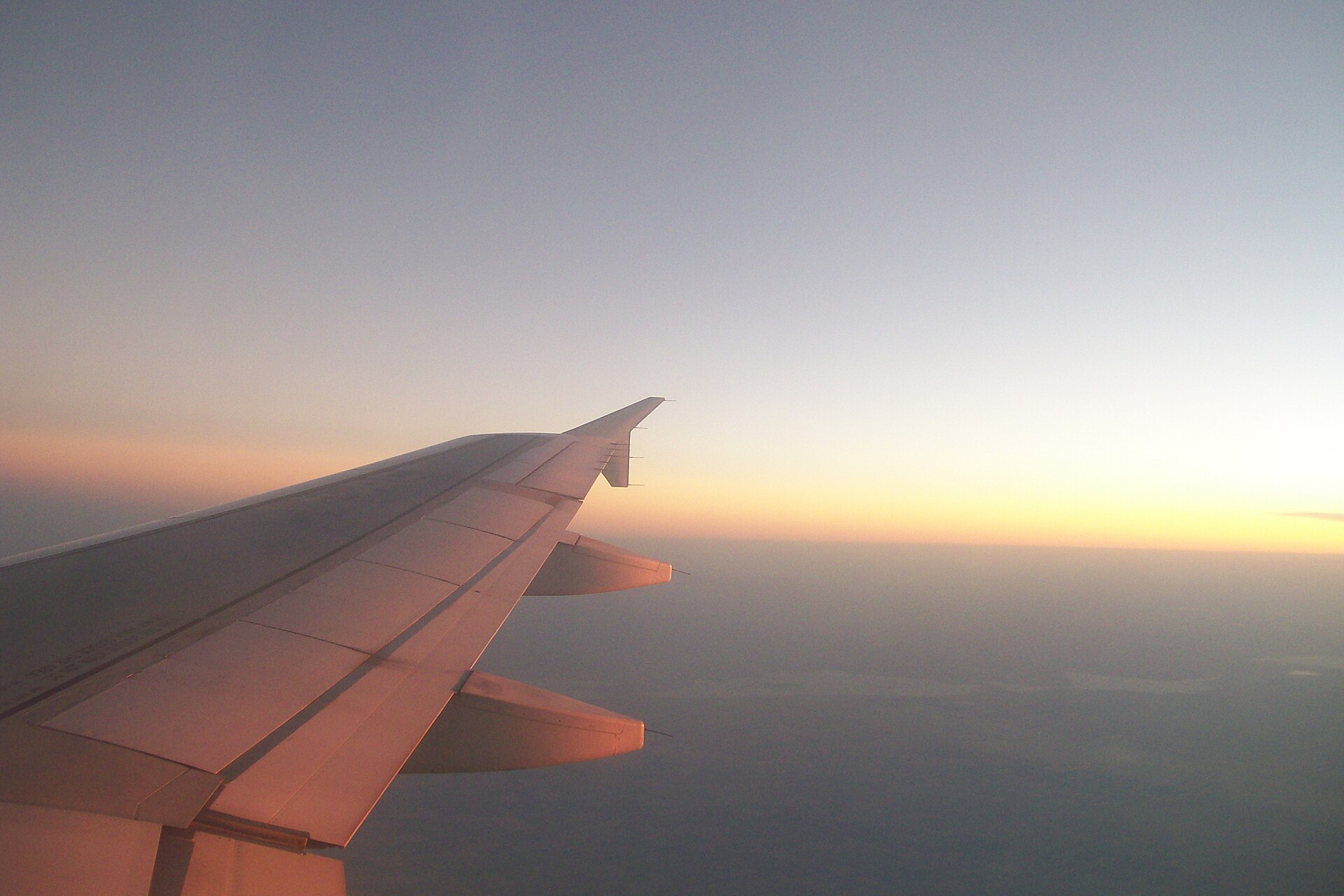
Jet lag is the tired, foggy, out-of-sync feeling that follows a long flight across time zones. You land at noon and your body insists it is 3 a.m.
You wake at 4 a.m. wide awake, then fade at midday.
Your stomach wants dinner at breakfast time.
It is not just tiredness from a long flight. It is a timing problem. Your internal clock is still set to home time, while the clocks on the wall run on destination time.
This article explains what jet lag is, including how your body clock works, why east feels worse, what helps before and during a flight, and what to do after you land.
What is jet lag?
Jet lag is a temporary sleep disorder that appears after fast travel across two or more time zones. The NHS describes its main symptoms as difficulty sleeping at bedtime, tiredness and exhaustion, difficulty staying awake during the day, poor sleep quality, and problems with concentration and memory. It can also bring indigestion, nausea, constipation, changes in appetite, and mild anxiety.
The condition needs fast travel to happen. Driving across time zones rarely causes it, because the body adjusts gradually along the way. A plane jumps you across six time zones in a single night, and your biology cannot keep up.
Most cases clear on their own within a few days. Cleveland Clinic behavioral sleep medicine specialist Michelle Drerup has said recovery from jet lag typically takes about a day for each time zone crossed. She also advises reaching out to a sleep specialist if symptoms linger or worsen beyond one week after travel.
How your body clock works
Your body runs on a circadian rhythm, an internal cycle of roughly 24 hours that controls when you feel sleepy and alert. The word circadian comes from Latin roots meaning "about a day." Light is the strongest signal that sets this clock.
Morning light tells your brain that the day has started. Darkness in the evening triggers melatonin, a hormone that signals sleep.
That clock does more than run your sleep. It times hunger, digestion, body temperature, and alertness. When you cross time zones, all of those rhythms stay locked to your old schedule for a while.
Your gut expects lunch at what is now 2 a.m. Your brain releases melatonin while the sun is high.
The mismatch is what you feel as jet lag. You are not broken. Your clock is simply reading yesterday's timetable.
Every strategy for beating jet lag comes down to one job: resetting that clock to local time as fast as possible.
Why flying east feels worse
Travelers often notice that flying east feels harder than flying west. Research backs that feeling up. The human body finds it easier to delay its clock than to advance it.
Flying west stretches the day longer, which the body handles fairly well. Flying east shortens the day, which asks the clock to fall asleep earlier and wake earlier than it wants.
A circadian model described by Live Science put numbers on the gap. Crossing three time zones east took a little more than four days to recover from. Six time zones east took more than eight days.
Nine time zones east took more than 12 days. Westbound recovery tracked closer to one day per time zone.
At 12 time zones, the difference vanished. Going either east or west took about nine days, because at that point the body cannot tell which direction is shorter. The practical lesson is simple.
If your trip is eastbound, start adjusting a day or two earlier than you think you need to.
Age plays a role too. Older travelers often take longer to adjust, and people who fly often can still feel the effects. The NHS notes that jet lag usually improves after a few days as the body clock adjusts, and medicines are not usually needed.
What helps before you fly
The best jet lag plan starts before you board. A few small shifts in the days before departure give your clock a head start.
Shift your sleep schedule by an hour a day toward destination time. If you are flying east, go to bed an hour earlier each night for two or three nights. If you are flying west, go to bed an hour later.
Move mealtimes the same way. Even a partial shift helps.
Get a full night of sleep the night before you travel. Starting a long flight already sleep-deprived makes every symptom worse, and you will be tempted to nap at the wrong local time on arrival.
Check what time it will be at your destination when you land. Plan around that moment. If you land in the morning, plan to stay awake through the day.
If you land at night, plan to sleep soon after arrival.
For a short trip of two or three days, the NHS suggests a different tactic. You could stay on your home schedule for eating and sleeping, so you avoid adjusting twice. That only works if your meetings or plans allow it.
What helps during the flight
Once you board, set your watch to destination time right away. Eat and sleep on the new schedule, not the old one. If it is night at your destination, try to sleep.
If it is daytime there, stay awake, even if your body says otherwise.
Drink water through the flight. Cabin air is dry, and dehydration makes fatigue and headaches worse. The NHS advises drinking plenty of water and keeping active by stretching and walking around the cabin.
Go easy on alcohol and caffeine. Both can disturb sleep and worsen dehydration. Alcohol may help you doze off, but the sleep it produces is shallow and broken.
Caffeine late in the flight can keep you awake when you need to sleep on arrival.
An eye mask and earplugs help if you need to sleep while the cabin is bright or noisy. Short walks up and down the aisle keep circulation going and stop stiffness. For advice on resting well on overnight flights, see our guide to sleeping on a long overnight flight.
What to do after you land
Arrival day sets the pattern for the rest of your trip. The goal is to live on local time from the first hour, even when your body protests.
Get outside in daylight. Natural light is the strongest reset signal for your body clock. A walk outside beats sitting in a bright hotel room.
Harvard Health advises that when traveling west to east, you should get up with the morning sun and avoid bright lights before bed. When traveling east to west, time outdoors in the afternoon and early evening helps.
Eat meals at local times. Food is a secondary clock-setter, and regular local mealtimes tell your gut a new schedule has started. A light first-day schedule helps too.
Heavy sightseeing can wait until day two.
Avoid long daytime naps. A short nap of 20 to 30 minutes can take the edge off, but a three-hour afternoon sleep will push your clock back toward home time. Set an alarm if you lie down.
The NHS advises changing your sleep schedule to the new time zone as quickly as possible and not sleeping during the day.
If you wake at 3 a.m., keep the room dark and quiet.
Avoid bright screens. If you cannot sleep after a while, read something dull in low light until drowsiness returns.
What about melatonin and sleeping pills?
Melatonin is a hormone the body releases in the evening to signal sleep. It is sold over the counter in some countries as a supplement. Harvard Health notes that some people take one to three milligrams before bed on the day of travel and for up to four days after arrival.
Possible short-term side effects include daytime sleepiness, dizziness, headache, and nausea.
The NHS takes a cautious line. Its guidance says melatonin tablets are not recommended for jet lag because there is not enough evidence to show they work. Prescription sleeping tablets may help in severe cases, but they can be habit-forming and should only be used for a short time.
If you consider either option, talk to a clinician first, especially if you take other medicines or have a health condition. Light, meals, and a local schedule do most of the work. Pills at best give a small nudge.
When to get help
Jet lag should fade within days. Harvard Health advises calling a health care professional if symptoms have not cleared up within two weeks. The same advice applies if you feel severely low, confused, or unable to function.
Frequent flyers with repeated problems can benefit from a plan built around their routes. A sleep specialist can help with light timing and schedule shifts for regular long-haul travel.
This article is for general information, not medical advice.
Frequently asked questions
How long does jet lag last?
A common rule is about one day of recovery per time zone crossed. A six-hour shift may take close to six days to fully settle, though most people feel much better after two or three. Eastbound trips often run longer than the rule suggests.
Can you avoid jet lag completely?
Almost never on a long-haul flight across many time zones. You can shrink it. Pre-trip schedule shifts, timed light exposure, local mealtimes, and steady hydration all reduce the severity and length.
Does jet lag affect the stomach?
Yes. The gut runs on its own clock, so appetite and digestion can feel off for a day or two. Eating at local mealtimes helps reset it.
Small, regular meals beat one large late-night meal.
Is it better to sleep on the plane?
It depends on destination time. Sleep if it is night at your destination. Stay awake if it is day there.
Matching sleep to destination time starts the adjustment before you land.
The bottom line
Jet lag is your body clock running on home time in a new place. You cannot skip the adjustment, but you can speed it. Shift your schedule before you fly, live on local time from the moment you board, get daylight on arrival, and keep naps short.
Eastbound trips deserve extra patience, since the clock resists moving earlier. For more trip planning help, read our guides on packing a carry bag for a week and what to do if your passport is lost abroad.
Tags: jet lag, travel tips, sleep, circadian rhythm
Latest in Travel
- Sleep on a Long Overnight Flight
- Pack a Carry Bag for a Week
- Passport Lost Abroad
- Find Cheap Flights With Flexible Dates
Subscribe for one practical travel guide in your inbox each week.
Related stories

The 3-1-1 liquids rule for planes: what each number means
TSA's 3-1-1 rule limits carry-on liquids to 3.4-ounce containers in one quart bag. Where the 2006 rule came from, what counts, and how

Why Is Airplane Food So Bland at Altitude?
A 2010 Fraunhofer study found altitude cuts sweet and salty perception by up to 30 percent. Low humidity, cabin pressure, and noise all

Carry-on size limits: why airlines each set their own
Airlines set their own carry-on limits because the FAA only requires each carrier to have a policy, not one global size. Why 22 x 14 x