
Super Typhoon Champi nears Taiwan: 200+ flights cancelled across the region
Web StoryWatch this story in 15 seconds →Key takeaways
- Taiwan issued a land warning on Thursday as Typhoon Champi moved toward its northeast coast.
- Airlines cancelled 125 flights in Taiwan and over 100 in Japan. More than 11,000 passengers are hit in Japan.
- The storm comes closest late Friday. Then it turns north toward the seas off Shanghai.
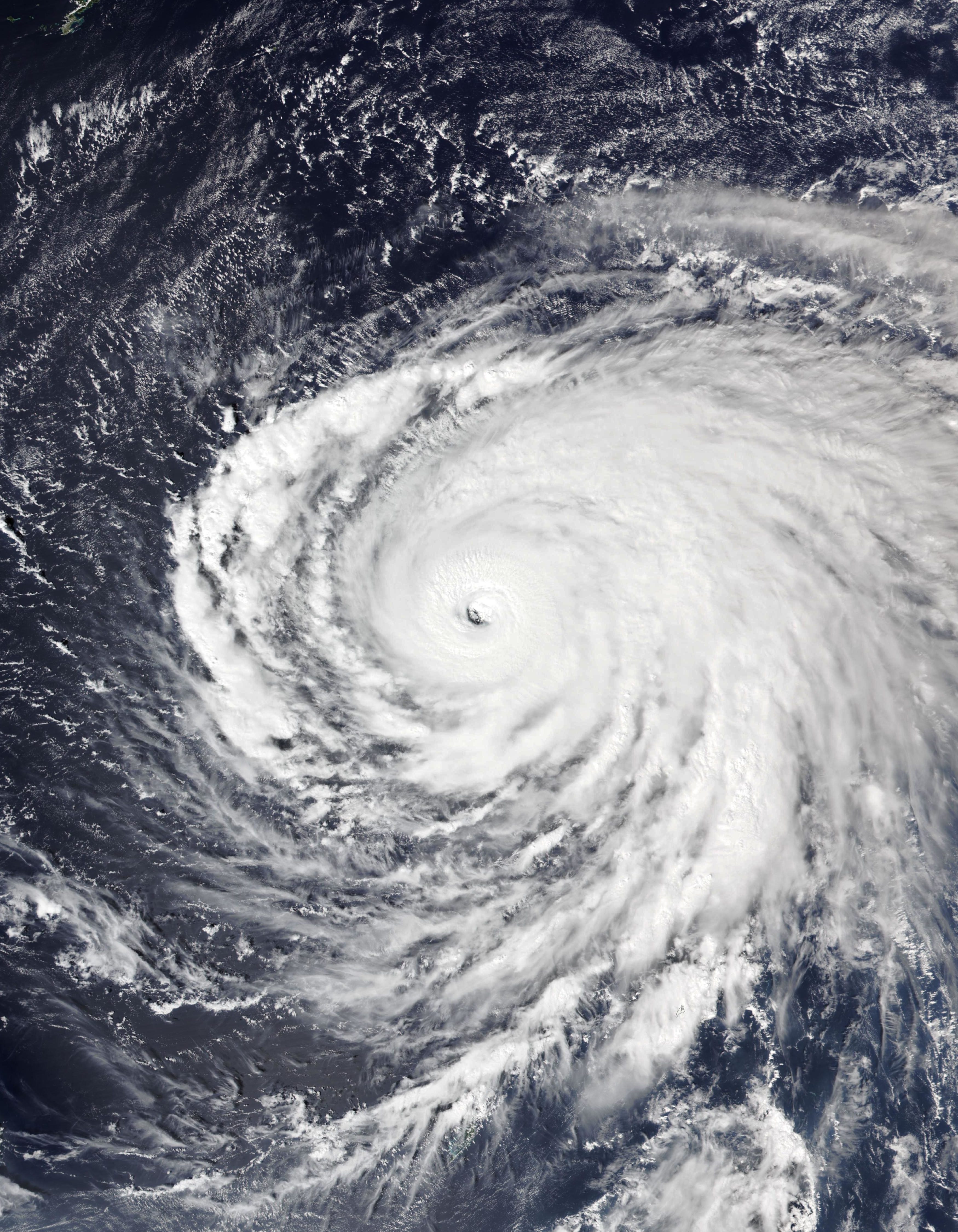
Taiwan is bracing for a powerful storm. Typhoon Champi is heading for the island's northeast coast. It forced more than 200 flight cancellations across Taiwan and Japan on Thursday.
What happened
Taiwan issued a land warning on Thursday morning. A land warning is an official alert. It tells people that a typhoon will hit land soon.
At one point, Champi was a super typhoon. A super typhoon is one of the strongest tropical storms. Reuters said it was one of the strongest Pacific storms of 2026.
The storm weakened a little on Thursday. But it still packed gusts of more than 227 kph near its centre. That equals about 141 mph, Taiwan's Central Weather Administration said.
Early Thursday, Champi sat about 250 km southeast of Yilan county. Yilan lies on Taiwan's northeast coast. The storm's wind radius reached 320 km, wide enough to cover most of Taiwan.
In the Philippines, the same storm is called Rosal. It grew strong over the northwest Pacific this month. Satellite pictures showed a large, well-formed eye.
Why flights are stopping first
Airlines feel a typhoon before anyone else. They cannot land planes in 227 kph winds. Taking off is not safe either.
Taiwan cancelled 125 flights on Thursday. The transport ministry reported the number. Most of them were domestic flights inside Taiwan.
Japan cancelled more than 100 flights too. Three big carriers made the cuts. They are Japan Airlines, ANA and Skymark.
The cancellations run from Thursday to Sunday. Over 11,000 passengers are affected. Many will need new tickets.
Strong winds can push planes off course. Heavy rain can blind pilots on landing. So airlines keep planes on the ground.
Big airline cuts have happened before. Earlier this month, low-cost carriers cut winter schedules in Europe. Read about those flight cuts in Europe here.
Why it matters
Big waves are a second danger. Mobile phone alerts went out to coastal towns. They warned of waves over 6 metres high, about 20 feet.
Such waves can sweep people off piers and beaches. Heavy rain is a third danger. Nearly one metre of rain may fall in two days.
One metre is about 3 feet. The worst rain will hit northern mountain areas. That includes the hills near the capital, Taipei.
Taiwan's president asked people to get ready. President Lai Ching-te posted on Facebook. He told people to avoid the mountains and the coast.
He wrote: "A little more preparation means less risk." Taiwan faces typhoons every year. It has strong sea walls and fast warning systems.
That keeps casualties low, Reuters reported. No evacuations had been reported on Thursday. The rail network was still running.
The storm is also hitting a large military exercise. The United States and Japan are holding a drill called Keen Sword. About 56,000 Japanese and American troops are taking part.
Forces from five other countries joined too. They include the Philippines and Australia. The drill happens every two years and rehearses missile defence.
The US military said training will be adjusted day by day. Safety comes first for all participants.
What happens next
Champi will come closest to Taiwan late Friday. It will pass off the northeast coast. Then it will turn north toward the seas off Shanghai.
The administration said the impact could last nearly two days. Rain and wind will hit Taiwan first. Then the storm will move north toward Japan.
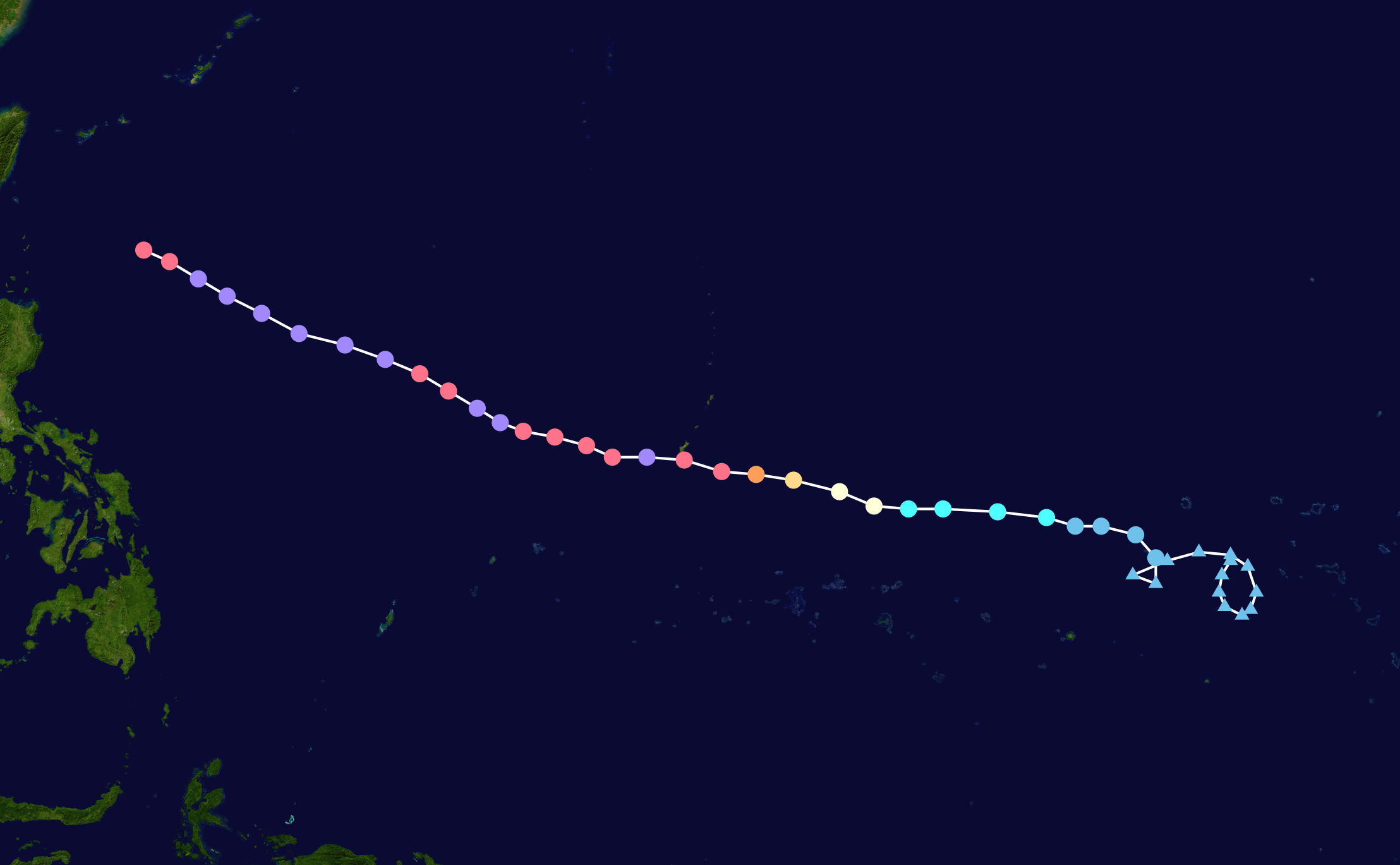
The storm may pass over Yonaguni first. Yonaguni is Japan's westernmost inhabited island. It sits in Okinawa Prefecture, so people there should prepare now.
Travellers should check their flights before leaving home. Airlines update their lists many times a day. A phone app is the fastest way to see changes.
Travel insurance can help when storms cancel trips. It can cover new tickets and hotel nights.
Sudden airport shutdowns have hit other cities too. A security strike once disrupted Sydney Airport. Storms can close airports even faster than strikes.
Typhoons are more common in summer. But they can also strike in autumn. This storm proves it, with strong winds and heavy rain.
Champi should weaken as it moves north. Cooler seas give storms less fuel. But Taiwan and Japan still face two rough days.
After the storm passes, airlines will restart flights one by one. Runways must be checked first. Fallen trees must be cleared from roads.
Taiwan has done this many times before. It will do it again. The skies should clear as the storm moves away.
Related stories

The 3-1-1 liquids rule for planes: what each number means
TSA's 3-1-1 rule limits carry-on liquids to 3.4-ounce containers in one quart bag. Where the 2006 rule came from, what counts, and how
Why Is Airplane Food So Bland at Altitude?
A 2010 Fraunhofer study found altitude cuts sweet and salty perception by up to 30 percent. Low humidity, cabin pressure, and noise all
Carry-on size limits: why airlines each set their own
Airlines set their own carry-on limits because the FAA only requires each carrier to have a policy, not one global size. Why 22 x 14 x