
UK airport drop-off charges face review after fees jump by a third
Web StoryWatch this story in 15 seconds →Key takeaways
- The UK government will review airport drop-off charges after a sharp rise in fees.
- Prices at big UK airports rose by a third on average since the summer of 2025.
- Gatwick and Stansted now charge £10 for a short drop-off at the terminal.
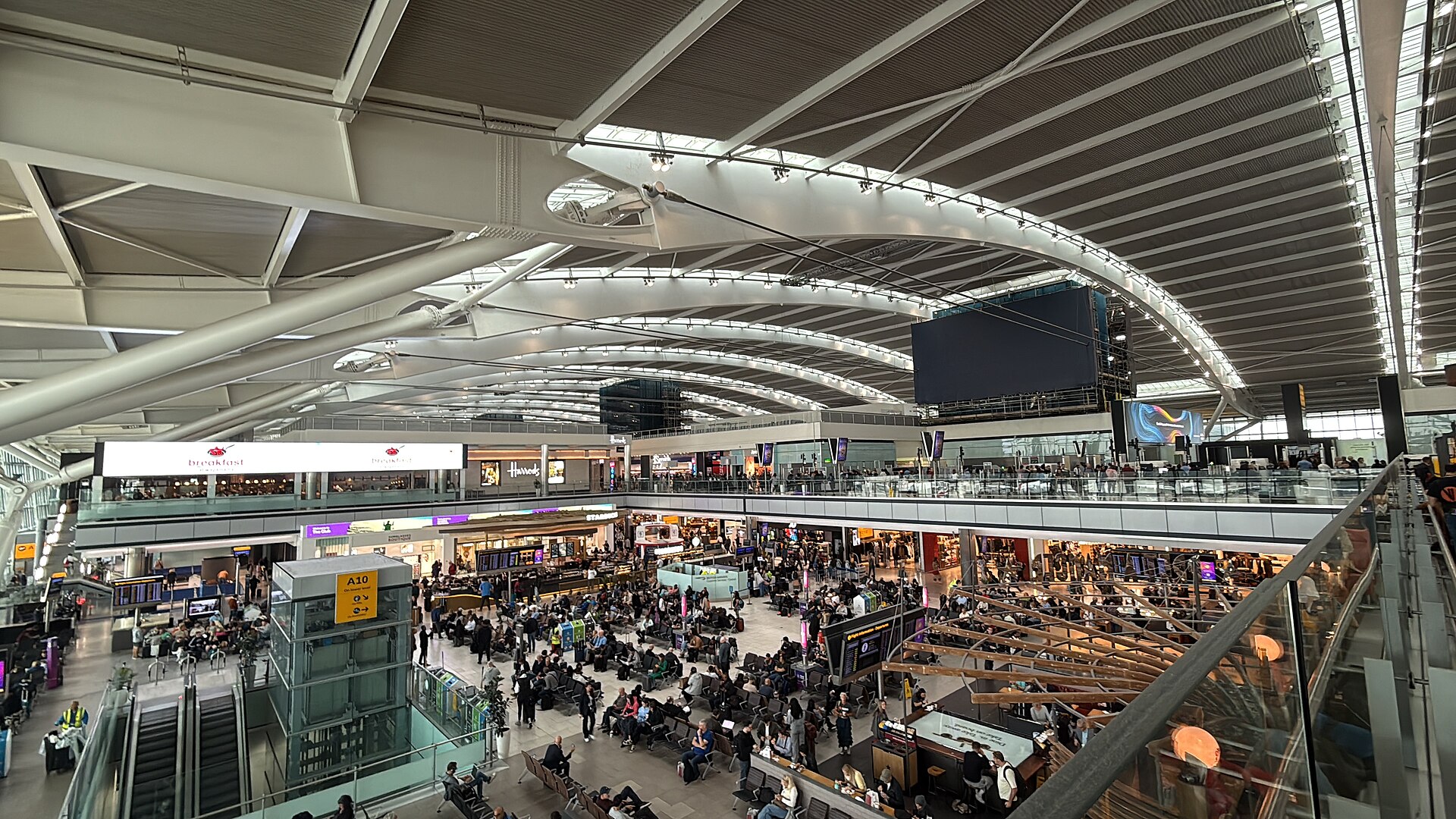
Dropping someone at a UK airport now costs more than ever. The government has stepped in. It will review the drop-off charges at airports across the country.
The review follows a sharp rise in prices. Fees at major UK airports rose by about a third in one year. Many drivers say the fees feel unfair.
The government says it wants travel to stay fair and open to all.
This is what the review means. These are the new prices. And these are the free options many drivers miss.
What happened
The Department for Transport has committed to a review of airport drop-off charges. The review will look at the fees drivers pay to stop near the terminal. It comes after years of price rises.
The RAC studied the prices in July 2026. It found a clear pattern. Fees at major UK airports rose by about one third since the summer of 2025. That is a fast rise for a short stop at the kerb.
Gatwick and Stansted are now the most costly. Both charge £10 for a short drop-off. A year ago, both charged £7. That is a £3 rise in one year.
Edinburgh now charges £8.50. It charged £6 last year. Bournemouth now charges £8. It charged £5 last year. Leeds Bradford also charges £8. London City charges £8 too.
London City only started its charge in 2026. Its fee covers five minutes. That works out at £1.60 per minute. The RAC says that is the highest per-minute rate in the UK.
Belfast International now charges £5 for 10 minutes. That is £2 more than last year. Heathrow, the busiest airport in the UK, charges £7 for 10 minutes.
The RAC found a wider trend. Sixteen of the 20 busiest UK airports raised their fees in the past year. The average charge across those airports is now £7.
The government has asked airports to show restraint. It wants airports to hold back on more rises. This matters most where public transport options are weak.
At those airports, many travellers have no choice but to arrive by car.
Why it matters
The fees hit almost every traveller who arrives by car. A friend or family member drives you to the terminal. You get out with your bags.
The driver pays the fee. The whole stop may last two minutes.
Many drivers feel the charge is too high for such a short stop. The RAC surveyed drivers about the fees. Four in five drivers called them a "rip-off".
Only one in ten said they understood why airports charge the fees at all.
The RAC welcomed the review. Rod Dennis is a senior policy officer at the RAC. He said the review will be "music to the ears of drivers".
He said the fees are a growing source of anger.
The RAC also points to other countries. None of the top 10 airports in the European Union charge for drop-offs, according to the RAC. At most big airports abroad, drivers can stop near the terminal for free.
Airports defend the charges. Airports UK speaks for UK airports. Its chief executive is Karen Dee.
She said the charges are part of the airport business model. She said UK airports are mostly private firms. They pay full business taxes.
Many airports abroad are public and get state support.
She also said airports offer free drop-off points. Drivers can use car parks further from the terminal. A shuttle bus then takes passengers to the building.
The free options take more time. But they cost nothing.
The Aviation Environment Federation backs the fees for a different reason. It says the charges cut traffic and air pollution near airports. High fees push some travellers to trains and buses.
That means fewer cars at the terminal.
The review now sits between these two views. Drivers want lower fees. Airports say the fees pay for services and cut traffic.
The government must weigh both sides.
The move fits a wider push on travel costs. Earlier this month, the government said it would scrap extra charges for parents who sit with their children on flights. That change will arrive in time for next summer's holidays.
The drop-off review is part of the same effort to ease costs for families.
What happens next
The review is still at an early stage. The government has not yet set out a full timetable. It has not said what the review will change.
For now, drivers should expect the current fees to stay in place.
The Department for Transport said the review aims to make sure travel stays open to all. It said passengers must be treated fairly. It also said it hopes airports will show restraint on price rises while the review runs.
Drivers can already cut the cost. Most big airports offer a free drop-off point. It is often in a long-stay car park.
A free shuttle bus runs to the terminal. The trip takes longer. But the drop-off itself is free.
At Heathrow, the long-stay car parks offer free drop-off time. At Gatwick, the long-stay car parks give up to two hours free. At Stansted, the mid-stay car park offers an hour free.
Drivers should check the airport's own site before they travel. The rules and time limits change often.
Pay on time if you use the paid zone. Cameras read your number plate at most airports. You must pay online by the deadline the airport sets.
A missed payment can turn a small fee into a large fine.
The review will test whether the fees are fair. It will test whether airports use the money well. And it will test whether free options are clear enough for drivers.
Until it reports, the best move for drivers is simple. Use the free car-park drop-off when you can. And check the fee before you drive to the terminal.
For more on airports, read about how airport security scanners see inside bags. For another airport story, see the new terminal at Hollywood Burbank Airport.
What to watch
Watch for the review's terms. The government will set out what it will study. Watch for any cap on fees.
Watch for new rules on free drop-off points. And watch for the review's date. Until then, the fees stay as they are.
Related stories

The 3-1-1 liquids rule for planes: what each number means
TSA's 3-1-1 rule limits carry-on liquids to 3.4-ounce containers in one quart bag. Where the 2006 rule came from, what counts, and how

Why Is Airplane Food So Bland at Altitude?
A 2010 Fraunhofer study found altitude cuts sweet and salty perception by up to 30 percent. Low humidity, cabin pressure, and noise all

Carry-on size limits: why airlines each set their own
Airlines set their own carry-on limits because the FAA only requires each carrier to have a policy, not one global size. Why 22 x 14 x