
Why Do Flight Prices Change When You Search Twice?
Key takeaways
- Airlines do not raise prices based on your search history or cookies; no audit has ever proven personalized fare inflation.
- Prices move because seats sell out of cheap fare buckets, and the next search lands in a pricier bucket.
- A 2020 Consumer Reports test of over 700 searches found price changes happened equally with and without cookies.
You check a flight on Tuesday: $250. You check again on Thursday: $310. The natural conclusion is that the airline watched you looking and raised the price just for you. Switch to incognito mode, search again, and the number sometimes stops moving, which feels like proof.
It is not proof. The cookie theory of flight pricing is one of travel's most persistent myths, and the evidence against it is substantial.
Prices really do change between searches. The reason is inventory, not surveillance.
This article explains how airline pricing actually works, why a second search so often shows a higher number, and what the research says about the cookie story.
The cookie myth and why it feels true
The theory goes like this: airlines and booking sites track your repeated searches through cookies, conclude you really want the flight, and nudge the price up to pressure you into buying. It feels plausible because we know companies collect our data, and we have all watched ads follow us around the internet.
The theory falls apart against how airline pricing systems actually operate. Airlines use revenue management systems that adjust fares based on supply, demand, competition, and time until departure, not on one person's browsing behavior.
As aviation analyst Robert Mann is quoted saying, airline pricing algorithms respond to aggregate demand signals, not individual search patterns. As aviation analyst Robert Mann is quoted saying, airline pricing algorithms respond to aggregate demand signals, not individual search patterns.
The incognito "proof" has a simpler explanation. Clearing cookies or switching browsers often means hitting a different server, a cached price, or a different currency and tax calculation. The number changes, but the cause is plumbing, not punishment.
Confirmation bias does the rest. You notice the times the price rises after you search.
You do not track the countless times it stays flat or drops. The myth survives on the memorable cases.
Fare buckets: the machine that actually moves prices
Here is what really happens between your two searches. An airline does not have one price per flight.
Every economy cabin is divided into roughly 20 different fare buckets, each with its own price and restrictions. SmarterTravel describes the letter codes: Y, B, M, H, Q, V, W, T, S, K, L, G, with Y typically the most expensive and G the cheapest.
When a flight opens for booking, about 330 days before departure, the system allocates seats to each bucket based on historical booking patterns for that route. As the cheapest buckets sell out, the system automatically closes them and the next search lands in a higher bucket.
Nothing about you changed. Forty other people simply bought the cheap seats first.
Airlines file their fares and rules through ATPCO, the industry clearinghouse that distributes them to global distribution systems, travel agencies, and other sellers, as Air Traveler Club explains. But the decision of which booking classes stay open or closed never leaves the carrier. It belongs to the airline's own revenue management system.
This is why prices can also drop between searches. If a flight is not selling as expected, the algorithm reopens cheaper buckets to drive bookings. The same machinery produces both directions of movement.
What the investigations actually found
The cookie theory has been tested more than once. In 2012, the US Department of Transportation launched an inquiry into discriminatory pricing practices following public concern. The investigation concluded there was no evidence that airlines were using personal data to inflate prices for returning visitors.
A 2020 study by Consumer Reports ran the cleanest test: identical devices searching for the same flights, once with cookies enabled and once without. Over 700 test searches showed no consistent pattern of higher prices for repeat sessions. Price fluctuations occurred equally across both setups, driven by timing and availability.
Researchers who have put airline websites up against a global distribution system used as a control found that price gaps came down to currency and taxes, regional rules, commercial deals, availability shifting hour to hour, or stale cached prices. The closest documented example of device signals shaping what a shopper sees is the Orbitz case, and that involved hotel rankings, not airline seats.
The public record, in short, shows no verified case of a major carrier pricing one traveler differently because of search history. A higher second quote alone does not prove repeat searching caused the increase.
The real reasons prices move between your searches
Several forces move fares hour to hour, and all of them are about the market, not about you.
Demand signals come first. If many people are booking a route, algorithms read that as high demand and raise prices. Your search is one drop in that bucket; the algorithm cannot see it, and would not care if it could.
Time until departure matters enormously. Fares typically rise as the flight date approaches, especially within 21 days of travel, because late bookers tend to be less price-sensitive business travelers. The difference between Tuesday's and Thursday's search is two days closer to departure.
Competitor pricing moves the whole market. Airlines monitor rival carriers' fares in real time and adjust to stay competitive or to capitalize on gaps. A competitor's sale ending can lift your route's price overnight.
Booking pace triggers automatic adjustments. Revenue management systems compare actual sales against historical booking curves. If bookings run ahead of schedule, prices go up.
If they lag, discounts appear. With industry profit margins around 3.9% in 2026, per SmarterTravel, airlines squeeze every dollar from each seat because the alternative is operating at a loss.
What actually helps you pay less
Clearing cookies accomplishes exactly nothing for fares. What works is timing and flexibility, because those interact with the real pricing machinery.
Book earlier rather than later on routes you know you will fly. The cheapest buckets sell first, and they rarely come back once the flight fills. For leisure routes, the sweet spot is usually several weeks out; for business-heavy routes, even earlier.
Be flexible on dates and times. A Tuesday departure can sit in a cheaper bucket than the Friday flight on the same route. Nearby airports sometimes draw from entirely different fare structures.
Compare across channels, but understand the differences. An airline's own site, an online travel agency, and a metasearch engine can show different prices for the same flight because of currency handling, cached availability, and commercial deals, not because one of them is punishing your curiosity.
Set a price alert and buy when the fare fits your budget. Trying to time the absolute bottom is a losing game against algorithms that update continuously. A good fare you actually book beats a perfect fare you missed while refreshing.

Travelers heading abroad should also know how a contactless payment reaches your bank after you tap, since foreign transaction quirks can add their own surprises to the trip budget.
FAQ
Should I use incognito mode when searching for flights?
It does no harm, but it does not lower prices. Studies show fare changes happen identically with and without cookies. Use it if you like a clean session, not as a pricing strategy.
Do airlines charge Mac users more than PC users?
No verified evidence supports this for airfares. The famous device-based pricing story is Orbitz showing different hotel rankings to Mac users years ago. Airline fares come from filed fare buckets, not your device type.
Why did the price drop after I waited?
The revenue management system likely reopened cheaper buckets because the flight was not selling as expected. Falling prices are the same inventory machinery working in reverse.
Do prices change while I am checking out?
They can, if the last cheap-bucket seat sells while you decide. Most sites hold the quoted fare for a short window once you reach payment, but availability is live until the ticket is issued.
The bottom line
Flight prices change between searches because seats sell out of cheap fare buckets and algorithms react to market-wide demand, not because cookies told the airline you were interested. The 700-search Consumer Reports test and the 2012 DOT inquiry both came up empty on the personalization theory.
Stop clearing cookies and start watching the calendar. Timing, flexibility, and booking before the cheap buckets empty are the only levers that actually work.
Latest in Travel
- Why do pilots dim the cabin lights before night landings?
- Getting to Western Sydney Airport
- How does a contactless payment reach your bank after you tap?
Want one practical explainer like this in your inbox every morning? Subscribe to the Rive News newsletter.
Related stories

The 3-1-1 liquids rule for planes: what each number means
TSA's 3-1-1 rule limits carry-on liquids to 3.4-ounce containers in one quart bag. Where the 2006 rule came from, what counts, and how
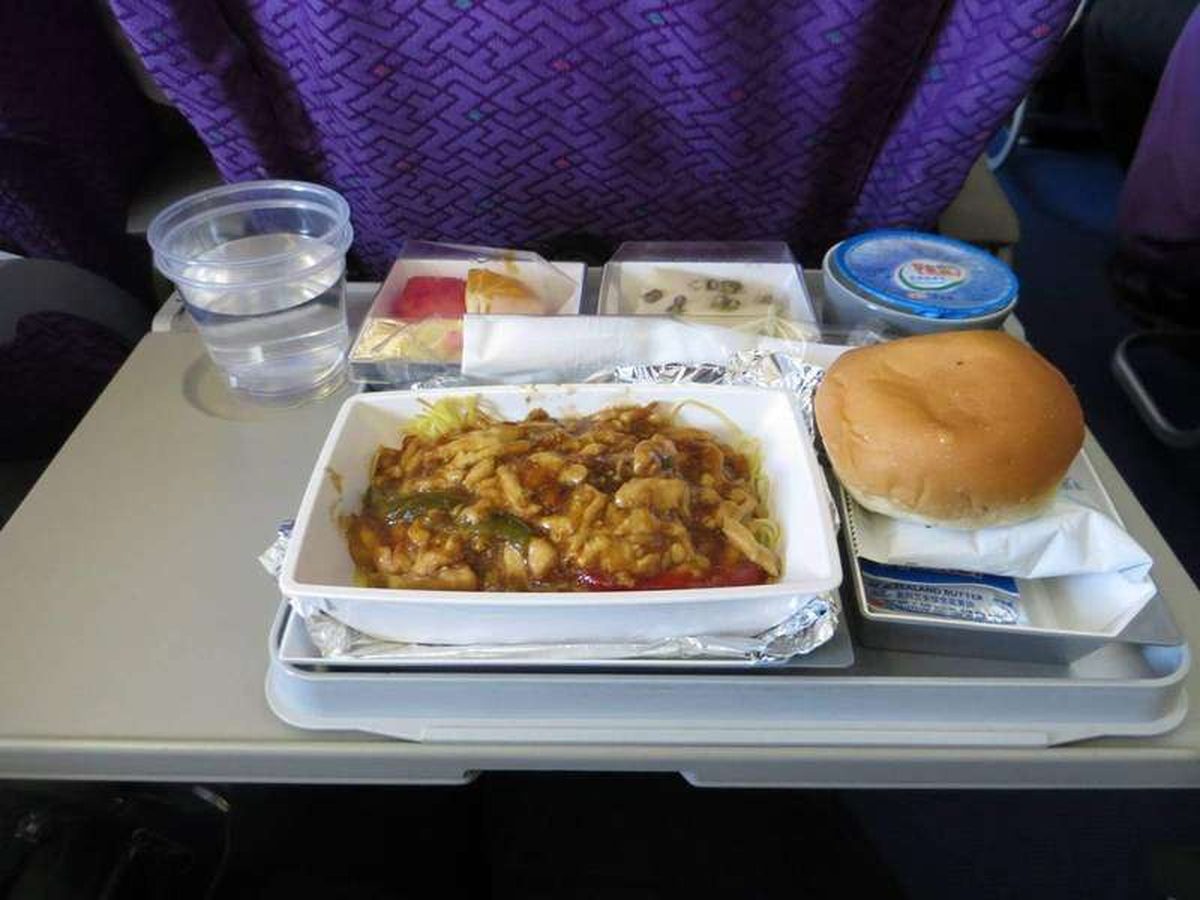
Why Is Airplane Food So Bland at Altitude?
A 2010 Fraunhofer study found altitude cuts sweet and salty perception by up to 30 percent. Low humidity, cabin pressure, and noise all
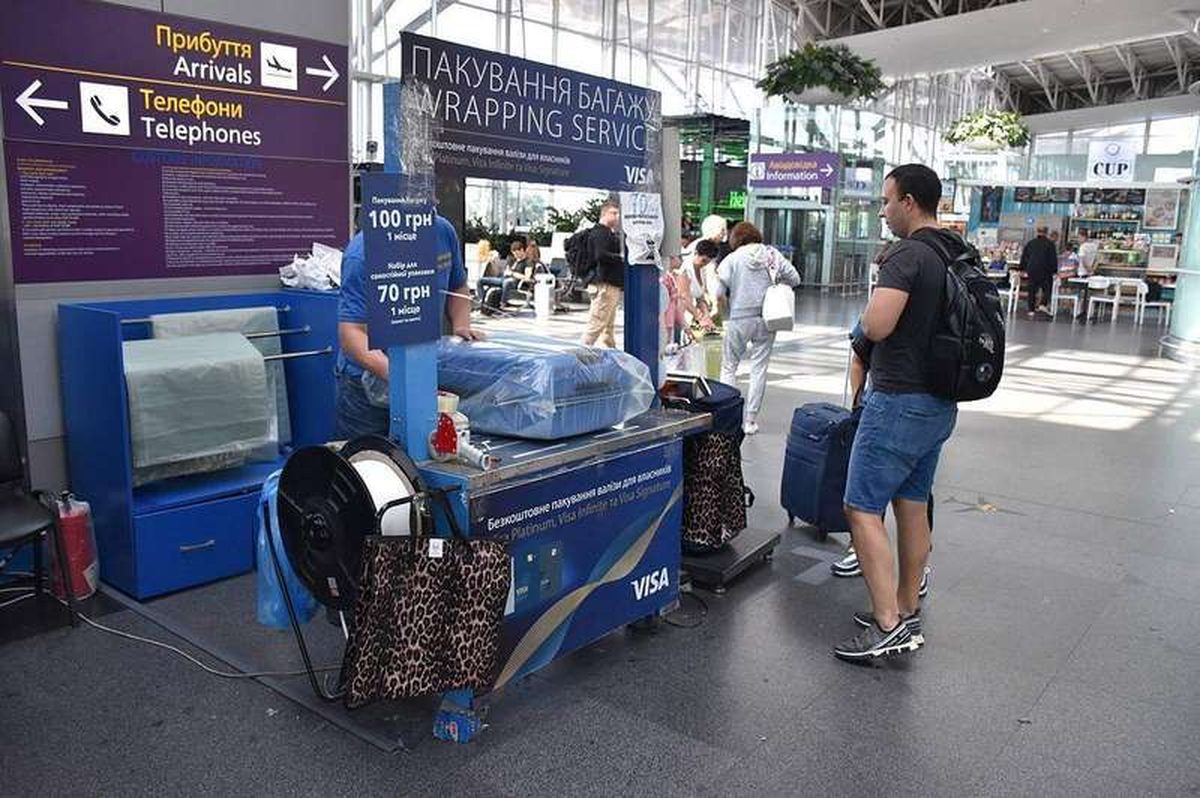
Carry-on size limits: why airlines each set their own
Airlines set their own carry-on limits because the FAA only requires each carrier to have a policy, not one global size. Why 22 x 14 x