
Why does my car battery keep dying overnight?
Key takeaways
- The three most common causes are an old battery (3 to 5 years), a parasitic drain, and a failing alternator.
- A healthy battery reads 12.6 volts or more with the engine off. Normal parked drain is under 50 milliamps.
- You can find the culprit with a multimeter and a fuse-by-fuse check that takes under an hour.
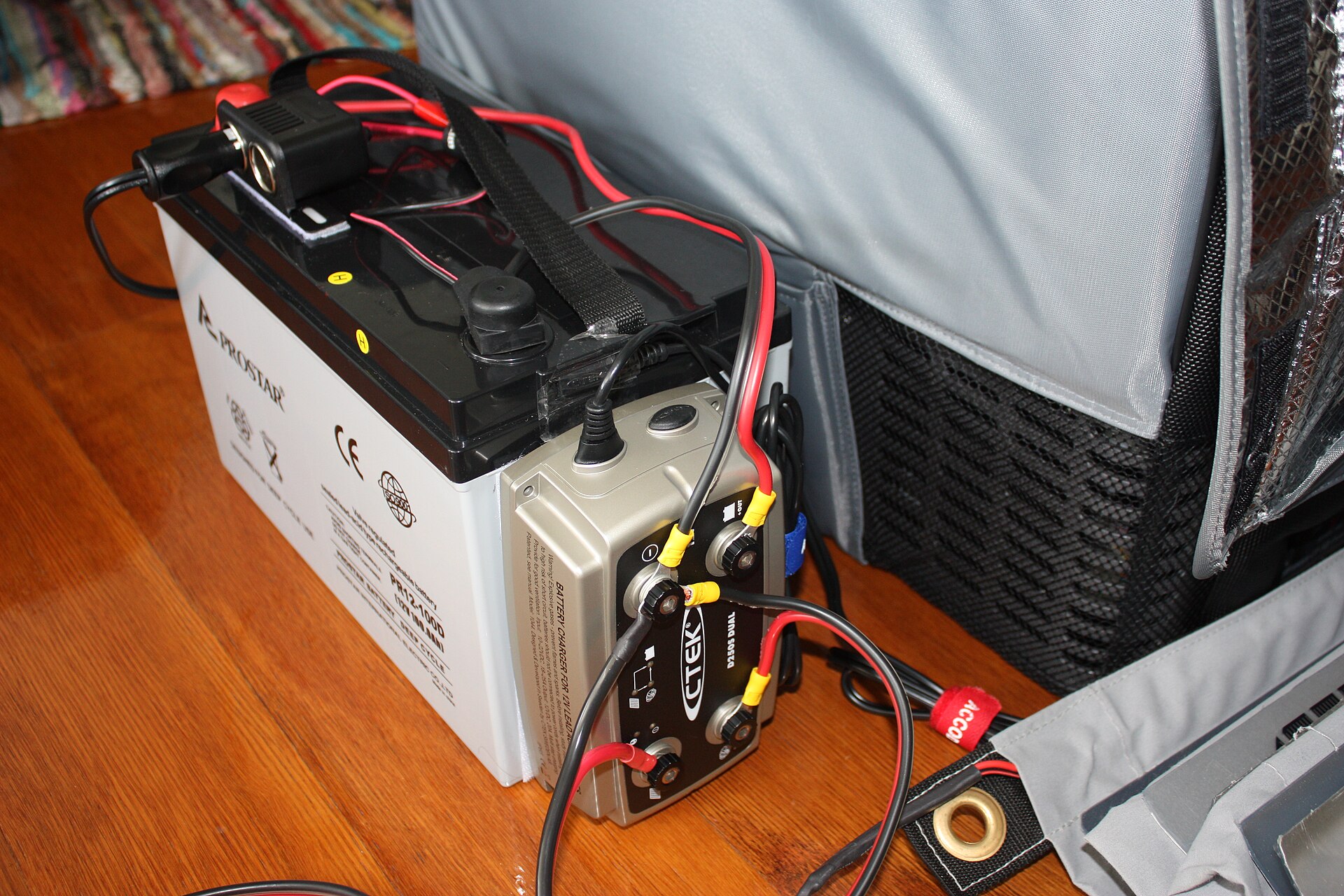
A car battery that dies overnight, then works after a jump-start, is telling you something specific. Either the battery can no longer hold a charge, the alternator is not refilling it, or something keeps drawing power after you park, according to AutoZone's DIY guide.
The third problem has a name: parasitic drain. Your clock, alarm, and a few computer modules always sip a tiny current, but anything beyond a small trickle will empty the battery by morning. This article covers what drains a car battery overnight, how to diagnose it with a multimeter, and how to stop it from happening again.
What actually drains a car battery overnight
A parked car is never fully off. Modules that manage the alarm, keyless entry, and engine computer stay awake briefly after shutdown, then go to sleep.
A normal sleeping car draws under 50 milliamps, according to AutoZone. At that rate, a healthy battery can sit for weeks.
Trouble starts when something never sleeps. Rick's Free Auto Repair Advice notes that a module kept awake by a fault can draw 8 to 10 amps at full power, which is enough to fully drain a battery overnight. That is roughly 160 times the normal sleeping draw, so even a modest fault empties the battery in hours.
The drains fall into a few clear categories. Here they are, from most to least common.
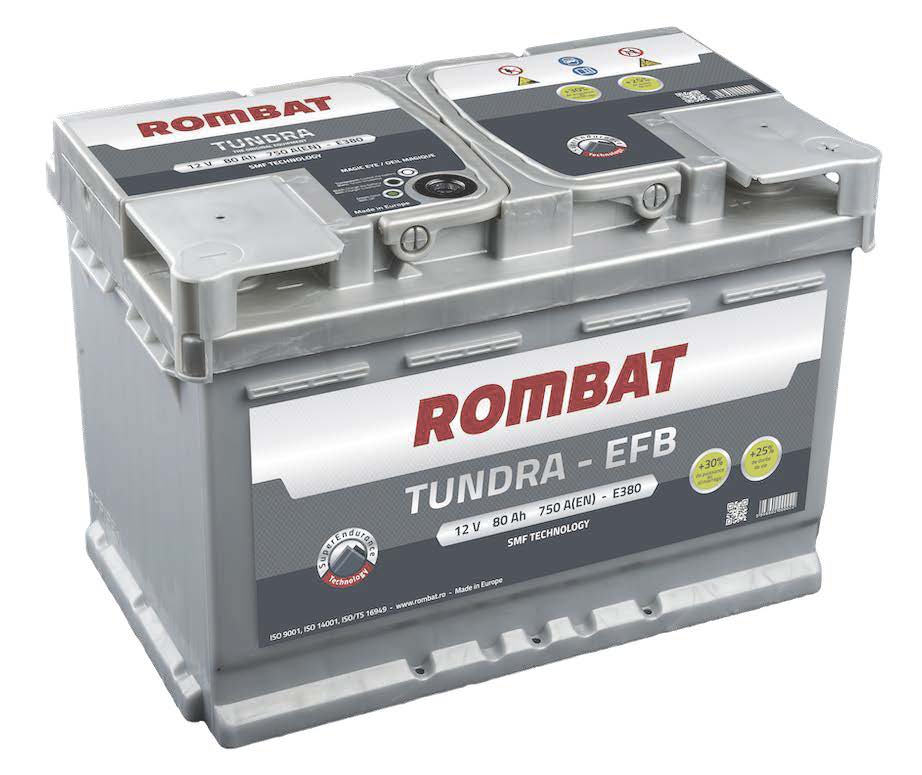
An old or weak battery. Most car batteries last 3 to 5 years, according to AutoZone. As they age, the plates inside degrade and hold less charge, especially in extreme heat or cold. A battery older than 3 years that needs frequent jump-starts has often simply reached the end of its life, according to Instant Car Fix. Age alone is the most common explanation, so check the date sticker on the battery case before chasing anything complicated.
Parasitic drain. This is a component drawing power after shutdown. Typical culprits include interior or trunk lights stuck on, a glove box light that never switches off, stuck relays, and aftermarket accessories wired to constant power instead of ignition-switched power, according to AutoZone. Remote starters, alarms, GPS trackers, dash cams, amplifiers, and LED kits are frequent offenders when installed incorrectly, according to CarProblemFix.
Modules that never sleep. Modern cars have dozens of computer modules. A faulty door or hood switch can trick the body control module into thinking the car is still open, keeping it awake all night, according to Rick's Free Auto Repair Advice. A glitch on the data lines can make modules keep asking each other for status updates forever.
A failing alternator. The alternator recharges the battery while you drive. If it is weak, the battery starts every evening half empty and cannot survive the night. Signs include a battery warning light on the dashboard and dim headlights that brighten when you rev the engine, according to Instant Car Fix. Shorted diodes inside the alternator can also cause a drain with the engine off, according to Rick's Free Auto Repair Advice.
Lights and accessories left on. The simplest cause is the most embarrassing: a dome light, headlight, or phone charger left plugged in overnight. Even small lights, like a trunk or glove compartment bulb, can kill a battery over several hours, according to Lemonade's car guide.
Corroded or loose terminals. Corrosion on the terminals blocks the flow of electricity and can prevent a full charge. Drivers notice flickering dashboard lights or intermittent starting, according to Instant Car Fix. Cleaning the terminals with baking soda and water often restores normal charging, according to AutoZone.
How to diagnose the drain yourself
You can run the basic tests at home with a cheap multimeter. The whole sequence usually takes under an hour, according to Lemonade.
Test 1: battery voltage. With the engine off and everything switched off, set the multimeter to DC volts and touch the leads to the battery terminals. A fully charged battery reads between 12.6 and 12.8 volts, according to AutoZone. Lemonade puts the healthy threshold at 12.6 volts or above. A reading well below 12 volts means the battery is discharged or dying. If the battery is old, charge it fully and test again: if it will not hold 12.6 volts, replace it.
Test 2: charging voltage. Start the engine and measure again at the terminals. You should see the voltage climb clearly above the resting reading, which means the alternator is charging the battery. No rise over the resting reading points at the alternator or its wiring.
Test 3: parasitic draw. This is the key test. Turn everything off, remove the key, and close the doors. Set the multimeter to DC amps, disconnect the negative battery cable, and place the multimeter in series between the terminal and the cable, following AutoZone's procedure. Wait 20 to 30 minutes first, since modules need time to fall asleep. A normal reading is below 50 milliamps. Anything much higher means something is awake that should not be.
Test 4: find the circuit. With the meter still connected, pull fuses one at a time and watch the reading. When the reading drops sharply, the last fuse you pulled feeds the faulty circuit, according to AutoZone. Then check what that fuse powers: a light, a module, or an aftermarket accessory. Common finds are trunk lights with bad latch switches and aftermarket stereos wired to constant power, according to CarProblemFix.
A word of caution: the amp test routes the car's entire sleeping current through your meter. Use the meter's proper amp input and never try to start the car while connected this way. If that makes you uneasy, a shop can run the same test quickly.
How to stop it happening again
Once you know the cause, the fix is usually straightforward.
- Replace a battery older than 3 to 5 years that will not hold 12.6 volts. Match the group size and cranking amps to your car.
- Clean corroded terminals with a baking soda and water mixture, then tighten the clamps, according to AutoZone.
- Rewire aftermarket accessories to ignition-switched power, or add a cutoff switch for dash cams and trackers.
- Fix faulty door, hood, and trunk switches so modules can enter sleep mode.
- Replace stuck relays, which can keep circuits like cooling fans or the fuel pump powered with the key off, according to CarProblemFix.
- For a car that sits for weeks, use a battery maintainer (trickle charger) to keep it topped up, according to AutoZone.
Also watch your driving pattern. If you only take short trips, the alternator may never fully recharge the battery between starts, according to Lemonade. An occasional longer drive, or a maintainer, closes that gap.
Related electrical gremlins can mask a battery problem. A clicking noise when turning is usually a CV joint, not the battery, but dim electrics can make any fault harder to read.
When voltage runs low at idle, it can even show up as warm air from the AC at stoplights if the fan or clutch is starved of power. If the battery warning light glows on the dash, treat it as an alternator suspect first.

Frequently asked questions
How fast can a parasitic drain kill a battery?
A weak or old battery can lose its charge within 8 to 12 hours if there is a significant parasitic draw, according to AutoZone. A minor draw might take days or weeks, while a major one, like an awake module pulling several amps, can do it overnight.
Can leaving lights on overnight drain a car battery?
Yes. Interior lights, headlights, or even a phone charger left plugged in overnight will drain a battery, according to Lemonade. Small lights in the trunk or glove compartment are sneaky because you cannot see them from the driver's seat.
How do I know if my car has a parasitic drain?
Frequent dead batteries, dim headlights, and slow engine cranking are the signs, and a multimeter confirms it, according to AutoZone. The definitive test is the parked current draw: under 50 milliamps is normal.
Does cold weather drain car batteries?
Cold slows the chemical reactions inside a battery and reduces its output, according to Lemonade. Cold rarely kills a healthy battery overnight by itself, but it will finish off an old or half-charged one.
The bottom line
A battery that dies overnight is almost always one of three things: a battery past its prime, a parasitic drain, or an alternator that is not charging. Test the voltage, test the parked current draw, and pull fuses to find the circuit.
Most fixes are cheap once the culprit is identified. If you would rather not do the amp test yourself, ask a shop to check the draw, and go in knowing what the numbers should be.
Related stories

Why Does Tire Pressure Drop in Cold Weather?
Cold weather can cut tire pressure by 1 psi for every 10°F drop, thanks to the ideal gas law. Here is what happens inside the tire and what

Why Do Brake Rotors Warp, or Do They Actually?
Mechanics rarely see a truly warped rotor. The shudder usually comes from uneven pad deposits a few thousandths of an inch thick. Here

How to Buy a Used Car Without Getting Scammed: The Checklist
Over 450,000 cars a year have rolled-back odometers, NHTSA says. This checklist covers VIN checks, title washing, and the inspection that