
How to Buy a Used Car Without Getting Scammed: The Checklist
Key takeaways
- More than 450,000 vehicles a year are sold with false odometer readings, costing buyers over $1 billion, according to NHTSA.
- The cheapest defenses are free: NICB VINCheck for theft and salvage records, and matching the VIN on the dash, door jamb, and title.
- An independent pre-purchase inspection, typically $100 to $200, is the single step that catches what paperwork cannot.

Used car lots reward careful buyers; most scams fail against a short, disciplined checklist. Photograph: Richard Dorrell/Wikimedia Commons
Image Credits: Wikimedia Commons
Buying a used car is one of the biggest cash transactions most people make, and it is also one of the least regulated. The seller knows the car's history and you do not. That information gap is where scams live: rolled-back odometers, washed titles, undisclosed flood damage, and curbstoners flipping wrecks as clean cars.
The good news is that almost every common scam has a matching check, and most of the checks are cheap or free. This article walks through how used-car scams actually work, including the paperwork checks that catch them, what a VIN check can and cannot tell you, the pre-purchase inspection, and a final walkaway list.
How used-car scams actually work
The classic scams all exploit the same gap between the car's story and its reality.
Odometer fraud is the biggest by the numbers. The National Highway Traffic Safety Administration estimates that more than 450,000 vehicles are sold each year with false odometer readings, costing American consumers more than $1 billion annually. Digital odometers did not end the practice: they can be reprogrammed, and NHTSA's own tips warn buyers that a digital display is no guarantee.
Title washing is the paperwork version. A car totaled in one state gets re-registered in another state whose rules drop the "salvage" brand, so the new title looks clean. The tell is a title issued in a different state within weeks of a total-loss event, with a brand history that does not match the national record.
Curbstoning is the people version. Unlicensed dealers pose as private sellers, flipping problem cars with no lot, no warranty, and no accountability. The ad says "selling for a friend" or "only selling because I'm moving.
" The title is in someone else's name.
Then there are the payment scams, mostly aimed at private-party buyers: fake escrow sites, requests for wire transfers or gift cards, and prices far below market designed to create urgency. A legitimate seller accepts a cashier's check at a bank or a verified payment method. Nobody legitimate needs a wire transfer tonight.
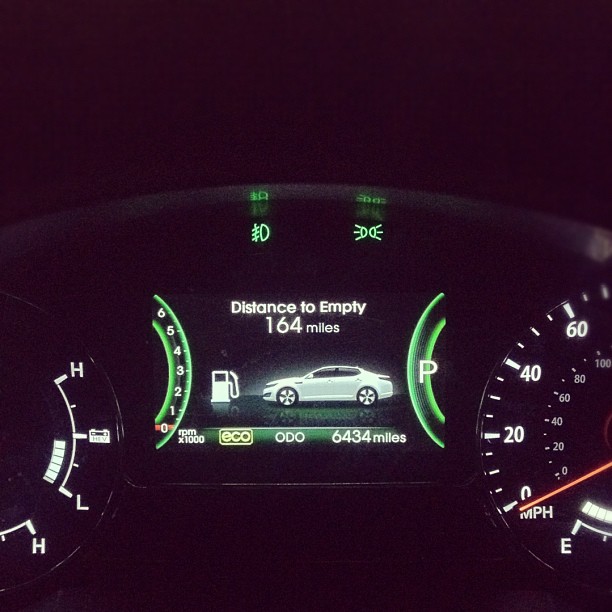
Odometer fraud affects more than 450,000 vehicles a year in the United States, according to NHTSA. Photograph: Tony Webster/Wikimedia Commons
Image Credits: Wikimedia Commons
Step 1: check the paperwork before the car
Do the documents before the test drive. Paperwork is faster than inspection and it filters out the worst cars for free.
Get the VIN and decode it. The free NHTSA VIN decoder confirms the year, make, model, engine, and body style the car was built with. If the listing says V8 and the VIN says V6, the car has been modified or misrepresented.
Match the VIN everywhere. The dashboard plate (visible through the windshield), the driver-side door jamb sticker, and the title must all agree. Any mismatch is an immediate stop.
Read the title like a detective.
- The seller's name on the title must match their ID, and if two owners are listed, both need to sign.
- Look for title brands: salvage, rebuilt, flood, lemon, or manufacturer buyback.
- Check the odometer statement on the title against the car's current reading.
- An open lien with no release letter means the seller cannot transfer the car cleanly.
If you are buying from a dealer, find the FTC Buyer's Guide. Dealers are required to post this window sticker on every used car, and it discloses whether the car is sold as-is or with a warranty. New York City's consumer protection office also advises checking the state inspection sticker and refusing any dealer that will not let an independent mechanic inspect the car.
Step 2: run the VIN through free and paid checks
Free first. The National Insurance Crime Bureau's VINCheck is free and tells you whether participating insurers reported the car stolen and not recovered, or as a salvage or flood total loss. NICB limits it to five searches per IP address in a 24-hour period, which is plenty for one purchase, and it takes seconds.
Understand what the free check misses: VINCheck only covers insurer-reported theft and total losses from NICB member companies. A fender bender repaired out of pocket, a flood car that never went through insurance, or damage in a slow-reporting state will not appear. A clean VINCheck is good news, not a clean bill of health.
Then pay for the title history. For a serious purchase, buy a report from an NMVTIS-approved provider, which draws on the federal title database: state title brands, odometer readings over time, and junk or salvage yard reports. Consumers cannot get NMVTIS reports from Carfax, DMVDesk, or Experian, despite the familiar names, so a commercial history report such as Carfax, about $49.99 for a single report, is the usual add-on for accidents and service records.
Read the report for patterns, not just flags. One minor accident is common, but several events in a short time, long gaps with no records, or a title that moved states right after a total loss all deserve questions. That last pattern is the classic signature of title washing.
Step 3: inspect the car like a skeptic
With paperwork clean, inspect the car in daylight. Start cold: a warm engine hides starting problems, so ask the seller not to warm it up before you arrive.
Outside, look for mismatched paint, uneven panel gaps, and overspray on trim, all signs of body repair. Check tire wear; a car showing 20,000 miles should still wear its original tires, per NHTSA's fraud tips. Look under the car for rust, leaks, and fresh undercoating that might hide flood or frame damage.
Inside, smell for mildew and check for dampness under the mats, silt in the trunk, and corrosion on seat bolts, all flood indicators. Test every electronic: windows, locks, lights, wipers, air conditioning, and heat. Watch the dashboard at startup, where warning lights should illuminate and then turn off; a light that never appears may have had its bulb removed to hide a fault.
On the test drive, cover both city and highway. Listen for unusual noises, check that the steering tracks straight, brake hard once to feel for pulling, and run the transmission through every gear. After parking, let the engine idle and check underneath for fresh leaks.
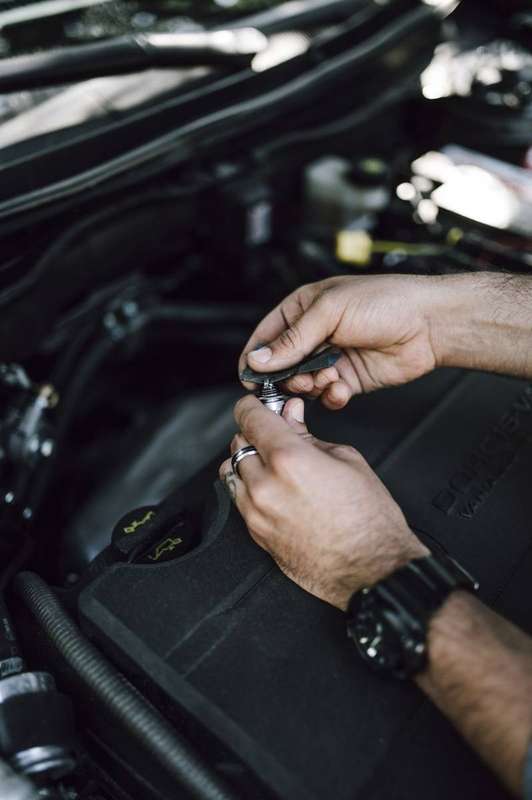
A pre-purchase inspection by an independent mechanic typically costs $100 to $200 and catches what paperwork misses. Photograph: Shixart1985/Wikimedia Commons
Image Credits: Wikimedia Commons
Step 4: get a pre-purchase inspection
This is the single most important step on the list. A pre-purchase inspection (PPI) puts the car on a lift in front of a mechanic who has no stake in the sale. They check for prior accident repair, fluid leaks, suspension and steering wear, brake and tire condition, diagnostic trouble codes, and open recalls.
Budget roughly $100 to $200 at an independent shop, or $150 to $300 at a dealership service department. Choose a mechanic you trust, not one the seller recommends. If the seller refuses an independent inspection, treat the refusal as information: as New York City's consumer office puts it, if the dealer won't let you, walk away.
Use the inspection report as leverage or as an exit. A short list of wear items is normal on a used car and can justify a lower price. Frame damage, flood evidence, or a failing transmission are reasons to walk away no matter how much you like the car.
Red flags that mean walk away
Keep this short list on your phone during every viewing.
- The VIN does not match across the dash, door jamb, and title.
- The seller's name is not on the title, or the title is missing.
- A fresh out-of-state title appears right after a total-loss record: the title-washing pattern.
- The odometer reading is lower than a previous title or service record.
- The seller refuses an independent inspection or a test drive.
- The price is far below market and the seller demands urgency or a wire transfer.
- Flood signs: mildew smell, silt in the trunk, corroded seat bolts.
- Warning lights that never illuminate at startup.
Any one of these is enough. There is always another car.
Frequently asked questions
Is a clean vehicle history report enough to trust a car?
No. A history report is a record of records: it only shows what was reported to that provider. Accidents repaired out of pocket and damage that never went through insurance will not appear.
Pair the report with an independent inspection.
What does title washing look like in practice?
A car declared a total loss in one state is re-titled in another state with looser branding rules, and the salvage brand disappears. The warning pattern is a title issued in a new state within weeks of the total loss, with a brand history that disagrees with the national record.
Should I buy a car with a rebuilt title?
Only with eyes open and a steep discount. A rebuilt brand means an insurer once declared the car a total loss. Have it inspected, confirm the repairs with receipts, and expect lower resale value and possible insurance complications.
Do I need an inspection if the dealer offers a warranty?
Yes. A warranty covers specific future failures, but it does not tell you the car was flooded or poorly repaired. The inspection tells you what you are actually buying, so get both.
The bottom line
Used-car scams are not sophisticated: they are odometer rollbacks, washed titles, and sellers who count on you skipping the checks. The defense is a sequence, not a single trick: verify the VIN everywhere, read the title, run the free NICB check, pay for the title history, inspect the car in daylight, and finish with an independent mechanic. Budget a few hundred dollars and an afternoon for the process, because against a purchase worth thousands, it is the cheapest insurance you will ever buy.
Tags: used cars, car buying, scams, VIN check, car inspection
Rive News is the research desk behind these explainers, writing evidence-based answers to everyday questions.
Latest in auto
- Why Am I Not Losing Weight Despite Exercising?
- What Is Companion Planting and Does It Work?
- Why Do I Understand in Class but Fail the Exam?
- How Does Inflation Eat Savings Account Interest?
Subscribe for one evidence-based explainer in your inbox every morning.
Rive News publishes corrections transparently. Spot an error? We review every report.
Related stories

Why Does Tire Pressure Drop in Cold Weather?
Cold weather can cut tire pressure by 1 psi for every 10°F drop, thanks to the ideal gas law. Here is what happens inside the tire and what

Why Do Brake Rotors Warp, or Do They Actually?
Mechanics rarely see a truly warped rotor. The shudder usually comes from uneven pad deposits a few thousandths of an inch thick. Here
Why Does My Car Pull to One Side When Braking?
A car that pulls when you brake has a brake force imbalance, usually a sticking caliper or collapsed hose. Learn the causes, the heat test