
What Is the Difference Between a Hybrid and an Electric Car
Key takeaways
- A hybrid pairs a gasoline engine with an electric motor, while an electric car runs on battery power alone.
- A standard hybrid never needs plugging in, but an electric car must be charged from an external source.
- An electric car has no tailpipe emissions, while a hybrid still burns gasoline and emits less than a gas-only car.
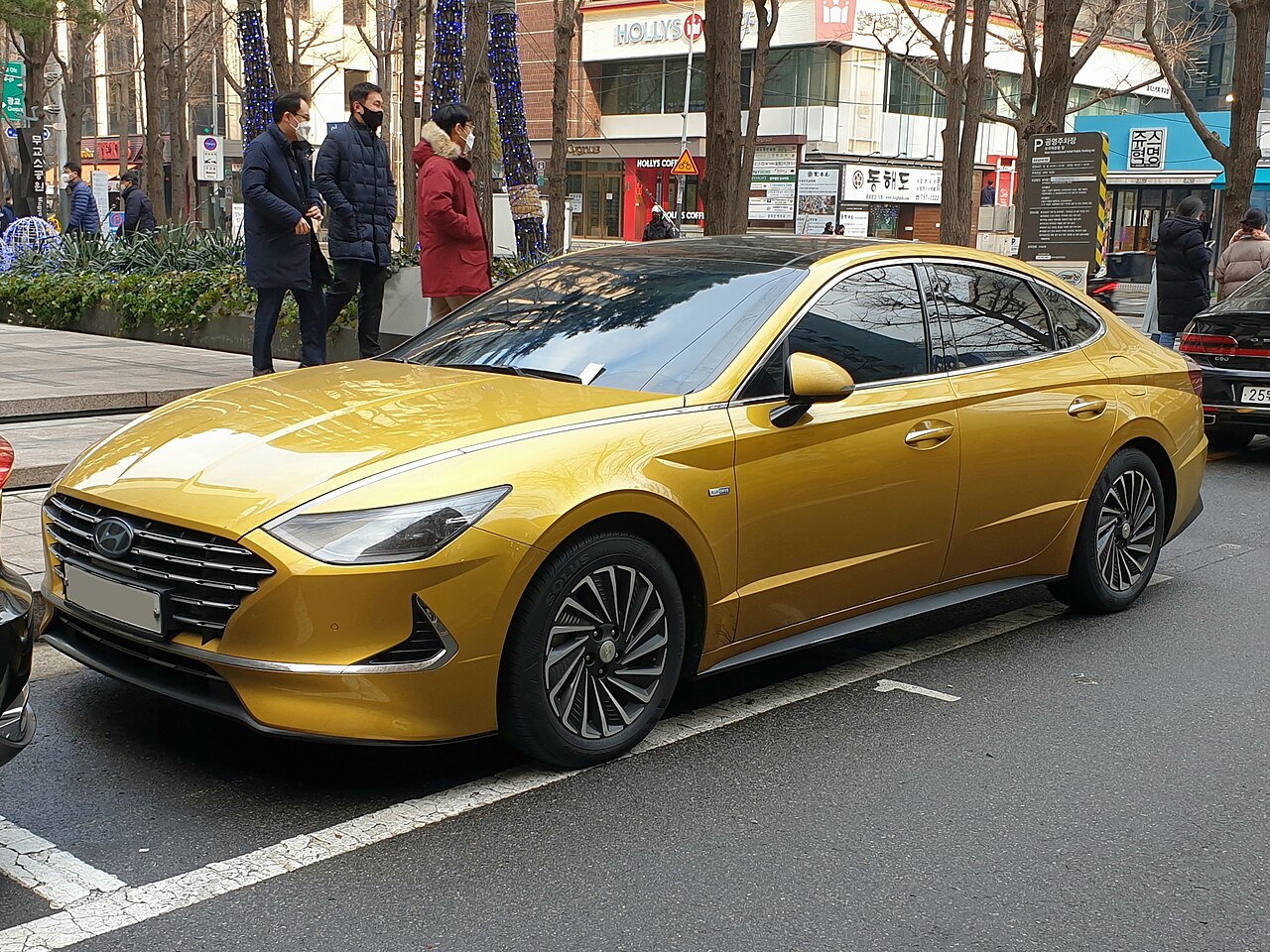
A hybrid and an electric car both use electricity to move, but they are not the same kind of vehicle. One still burns gasoline. The other never does.
The difference shapes everything about ownership: how you fuel the car, how far it goes, what it costs to run, and what it emits. Picking between them starts with how you drive and where you can charge.
This article explains what is the difference between a hybrid and an electric car, including how each works, the types of hybrid, charging, range, costs, and emissions. It ends with a simple decision check.
What is a hybrid car?
A hybrid electric vehicle, or HEV, has a gasoline engine, an electric motor, and a relatively small battery. Depending on the vehicle and driving conditions, the engine and motor can work independently or together. The battery recharges through regenerative braking and from the gasoline engine.
A standard hybrid never needs to be plugged in. You fuel it just like a conventional gas car, at any gas station. Kelley Blue Book names the Toyota Prius, Toyota Camry, Honda CR-V Hybrid, and Hyundai Elantra Hybrid as popular examples.
Hybrids come in three main forms. Full hybrids can drive on the engine, the motor, or both together. They use the motor at low speeds and the engine at higher speeds or when the charge is low.
Mild hybrids add an electric motor and a larger battery to a gas engine, but the motor cannot drive the car on its own. It powers electrical systems and gives a boost when accelerating. The battery charges when the car coasts or brakes.
Plug-in hybrids, or PHEVs, work differently. Their larger batteries can drive the car a limited distance on electricity alone before the gasoline engine is needed. A PHEV can be plugged in to charge, so it needs both gasoline and a charger.
All three types share one trait: they can always fall back on the gasoline engine. That is the core difference from a pure electric car.
What is an electric car?
A battery electric vehicle, or BEV, usually just called an EV, runs entirely on electricity. In place of a gasoline engine and fuel tank, an EV has one or more electric motors powered by a large battery pack. Owners recharge it with home or public charging equipment.
EVs produce no tailpipe emissions and use no gasoline. Renault puts it plainly: an electric car runs solely on an electric motor powered by a rechargeable battery, and it emits no CO2 or fine particulate matter while driving.
There is no gearbox, no clutch, and no exhaust system in most EVs. Power delivery is immediate and smooth, which makes electric cars feel quick from a standstill. The drive is quiet, with little vibration.
A separate type, the fuel cell electric vehicle, or FCEV, runs on an electric motor but uses a hydrogen-powered fuel cell. It has no tailpipe emissions, but hydrogen stations are rare, so FCEVs suit very few buyers today.
The battery is the defining part of an EV. Traditional hybrids use much smaller battery packs than EVs. EV batteries require far more raw materials because they must store enough energy to drive a car hundreds of miles.
Fueling and charging
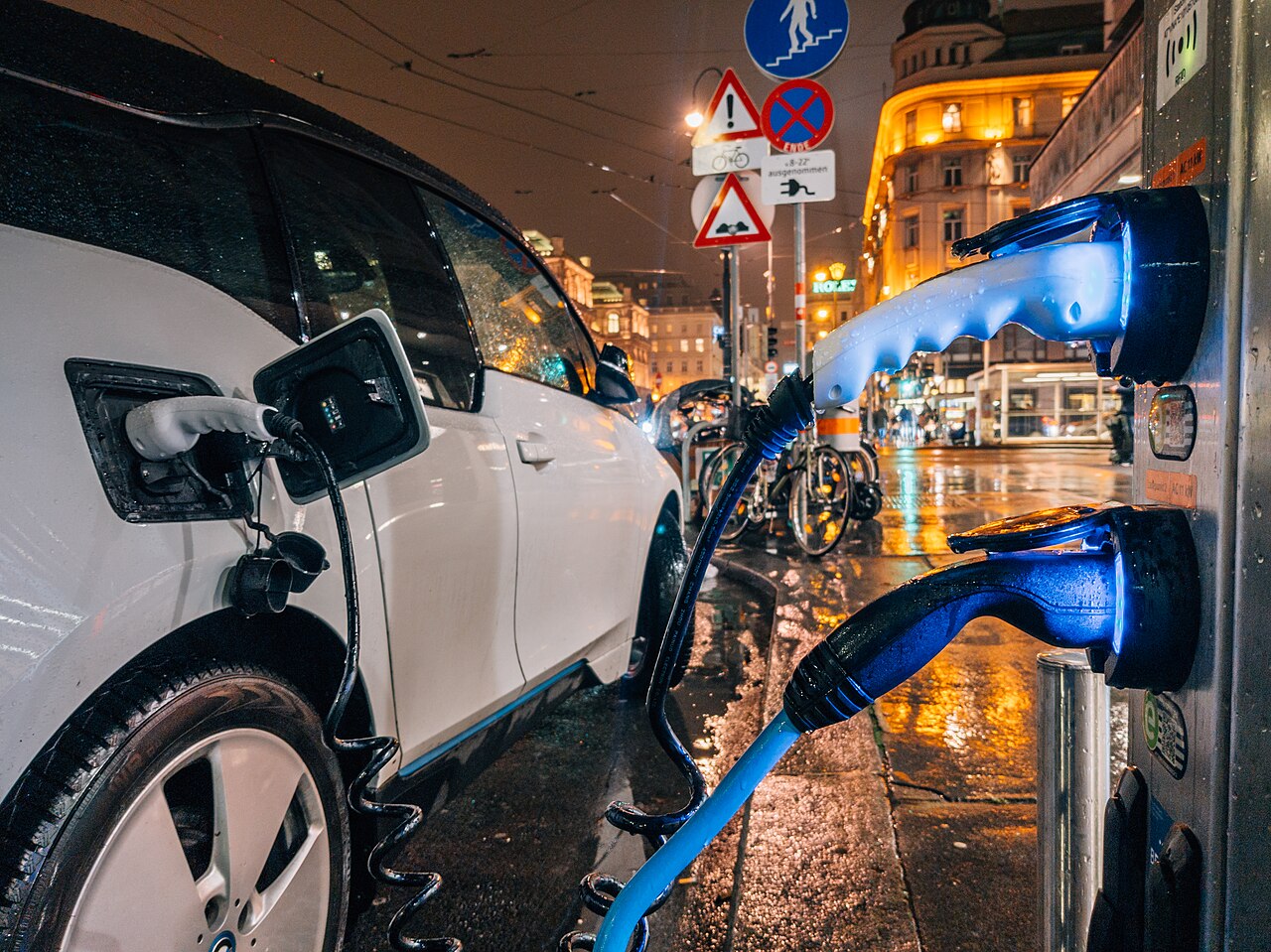
Fueling is where daily life with the two cars splits apart. A hybrid refuels in minutes at any gas station. An EV charges from the grid, and charging takes longer.
Kelley Blue Book lists three charging levels for EVs. Level 1 uses a 120-volt household outlet and is the slowest option, generally adding only a few miles of range per hour. It suits drivers who cover short distances and can leave the car plugged in for a long stretch.
Level 2 uses a 240-volt home or public charger and is the common choice for overnight home charging. A driver with a garage and a Level 2 charger can plug in at night and wake up to a full battery.
DC fast charging happens at public fast-charging stations and can add significant range in about 30 minutes, depending on the vehicle and charger. It is the option for road trips, not daily use.
A standard hybrid avoids this whole question because it never needs to be plugged in. A PHEV sits in the middle: it can charge at home for short electric trips and still run on gasoline for longer ones.
Charging access matters more than any spec sheet. A driver with a garage and a Level 2 charger may rarely visit a public station. An apartment dweller without reliable home or workplace charging may rely heavily on public chargers, where availability, reliability, speed, and pricing vary.
If you jump-start a car with another car, you already know the basics of a 12-volt battery. EV and hybrid high-voltage batteries are a different system, and only trained technicians should service them.
Range and road trips
Range is one of the clearest practical differences. Many newer EVs can travel hundreds of miles on a single charge, making them practical for daily commuting and many road trips. Charging still takes more planning than filling a tank.
Cold weather, highway speeds, hilly terrain, and heavy use of climate control can all reduce EV range. A winter highway trip can return noticeably less range than the same car manages in mild city driving.
Hybrids mostly avoid this concern. The gasoline engine is always available, and many popular hybrids can go well over 500 miles on a tank, according to Kelley Blue Book. When it is time to refuel, a stop at a gas station takes just a few minutes.
For drivers who often take long trips or travel through areas with few chargers, that flexibility matters. Route planning around chargers is part of EV road tripping, and it is not a factor at all for a hybrid.
Running costs
EVs can have real operating-cost advantages. Electricity often costs less per mile than gasoline, and EVs skip routine maintenance like oil changes. Kelley Blue Book notes that EVs have no engine oil changes, spark plug replacements, or fuel filter changes.
Hybrids still need engine maintenance because they still have an engine. Oil changes, spark plugs, and exhaust parts remain on the service schedule, just as in a gas car.
Purchase price, depreciation, insurance, financing, electricity rates, gas prices, incentives, and resale value all swing total cost of ownership. Insurance is often higher for EVs. Electricity rates vary by region and by time of day.
Incentives have also changed. The federal tax credit of up to 7,500 dollars for new EVs, and up to 4,000 dollars for used EVs, ended for vehicles acquired after September 30, 2025, according to Kelley Blue Book. Some states, cities, and utilities still offer their own rebates or charging incentives, so checking local offers is part of the math.
Kelley Blue Book advises comparing the 5-Year Cost to Own figures for the specific vehicles you are considering. Do not assume one powertrain will always be cheaper.
Emissions
EVs have no tailpipe emissions. Hybrids still produce tailpipe emissions because they burn gasoline, but their advantage is efficiency. With an electric motor assisting the engine, a hybrid can use far less fuel than a comparable conventional vehicle.
Zero tailpipe emissions does not mean zero environmental impact. Generating electricity, building the vehicle, and producing the battery all add to an EV's overall footprint. US electricity still comes partly from fossil fuels, and the mix varies a lot by region.
The honest summary is that both types cut emissions compared with similar gas-only vehicles, but EVs generally have more potential to reduce overall greenhouse gas emissions. The size of that advantage depends on how clean the local grid is.
Battery materials add another layer. Because each hybrid uses only a small battery, the same supply of battery materials can go into far more hybrids than EVs. Automakers are working to cut those costs with new battery chemistries, recycling, and more efficient manufacturing.
Which one fits your driving
Four questions decide the answer for most buyers.
First, can you reliably charge at home or work? If yes, an EV becomes easy to live with. If no, a hybrid avoids the problem entirely.
Second, do you often take long road trips or drive where chargers are scarce? If yes, a hybrid refuels in minutes with no charging stops. If your driving is predictable and local, an EV handles it well.
Third, can you find an EV that fits your budget and range needs? Purchase price still runs higher for many EVs, and the federal credit that softened that gap has ended for vehicles acquired after September 30, 2025.
Fourth, do you want to stop using gasoline entirely? Only an EV does that. A hybrid cuts gasoline use without ending it.
A hybrid makes sense when charging is unreliable, trips are long, or budget matters most. An EV makes sense when charging is easy, driving is predictable, and going gas-free is the goal.
FAQ
Do hybrid cars need to be plugged in?
Standard hybrids do not. Plug-in hybrids can be plugged in for a limited range of pure-electric driving before the gasoline engine takes over.
Do electric cars need oil changes?
No. EVs have no internal combustion engine, so they never need engine oil changes, spark plug replacements, or fuel filter changes. Maintenance covers tires, brakes, cabin filters, and battery cooling.
Which is better for the environment?
EVs have no tailpipe emissions and generally more potential to cut overall greenhouse gas emissions. Hybrids still emit CO2 but use far less fuel than gas-only cars. The EV advantage grows where the electricity grid is cleaner.
Can a hybrid run on electricity alone?
A full hybrid can run on the motor alone at low speeds for short stretches. A plug-in hybrid can run on electricity alone for a longer limited distance. A mild hybrid cannot drive on the motor alone.
The bottom line
A hybrid pairs a gasoline engine with an electric motor and never needs plugging in, unless it is a plug-in model. An electric car runs on battery power alone, has no tailpipe emissions, and must be charged from the grid.
If you can charge easily and an EV fits your budget and range, going fully electric makes sense. If not, a hybrid delivers much of the efficiency gain with none of the charging hassle.
Tags: hybrid cars, electric cars, EV, car buying
Latest in Auto
- Jump-Start a Car With Another Car
- Check Before a Long Road Trip in Your Car
- Tell If Your Car Tyres Need Replacing
Subscribe for one practical car guide in your inbox each week.
Related stories

Why Does Tire Pressure Drop in Cold Weather?
Cold weather can cut tire pressure by 1 psi for every 10°F drop, thanks to the ideal gas law. Here is what happens inside the tire and what
Why Do Brake Rotors Warp, or Do They Actually?
Mechanics rarely see a truly warped rotor. The shudder usually comes from uneven pad deposits a few thousandths of an inch thick. Here

How to Buy a Used Car Without Getting Scammed: The Checklist
Over 450,000 cars a year have rolled-back odometers, NHTSA says. This checklist covers VIN checks, title washing, and the inspection that