
How a phone interview differs from a video interview
By Rive News / Research desk | Rive News / Published October 28, 2026 at 9:00 AM PKT
Key takeaways
- Phone interviews assess voice, tone, and clarity alone, while video interviews also assess appearance, setting, and body language.
- Phone screens usually come first and are shorter; video interviews usually follow and go deeper.
- Video adds bias risks and technical failure points that phone calls avoid, but it gives interviewers far more information.

[A person talking on the phone while holding a coffee cup and writing notes.] Photograph: phone call with notes
Image Credits: Wikimedia Commons
A phone interview and a video interview may cover the same questions, but they are not the same test. The phone removes everything visual, so the interviewer judges you on voice alone. Video restores the visual layer, and with it comes a different set of judgements, preparations, and risks.
This article explains how the two formats differ in what they assess, where each sits in the hiring process, how to prepare for each, and where bias and technology change the outcome.
What each format actually tests
InterviewAce puts the core difference plainly: on the phone, the interviewer forms an impression entirely from how you sound, including tone, pacing, clarity, and confidence. On video, the interviewer also sees you, your environment, and your non-verbal communication, including eye contact, facial expression, and background.
That changes what counts as a good performance. On the phone, a clear, well-paced voice with natural pauses carries the whole impression. Monotone delivery, filler words, and rushing all stand out more, because there is nothing else to look at.
On video, a candidate can compensate for a shaky voice with engaged body language, but a distracted gaze or a chaotic background can undo strong answers.
The formats also differ in how much they reveal about the interviewer. On the phone, you cannot read facial reactions, so you must listen for verbal cues such as follow-up questions or changes in tone. On video, you can see whether an answer landed, and adjust your next point accordingly.
Where each sits in the hiring sequence
Phone interviews usually come first. Indeed's hiring guidance describes the common sequence: short phone interviews first to narrow the candidate pool, followed by longer video interviews for deeper assessment, with in-person interviews reserved for final evaluation.
The phone screen is typically a filter. It checks basic fit: availability, salary expectations, location, and whether the CV matches reality. InterviewAce notes that phone screens and video interviews reward different preparation, and that what gets a candidate through a phone screen can hurt them on video, and vice versa.
Video interviews sit later because they cost both sides more time and attention. They are used when the employer wants to assess communication style, professionalism, and cultural fit in more depth, or when a role involves regular video contact with clients or colleagues.
How preparation differs
Phone preparation is light on technology and heavy on voice. You need a reliable signal, a quiet space, and your notes in front of you. InterviewAce notes that phone candidates can keep a CV, talking points, and key stories visible without the interviewer seeing them, which is a real advantage.
Video preparation is heavier on every front. InterviewAce lists camera, lighting, background, internet connection, and audio as items to check in advance. Indeed's guidance adds testing the software and preparing the background before the interview starts.
Notes work differently too. On the phone, glancing at notes is invisible. On video, looking away from the camera frequently reads as disengagement or nervousness, according to InterviewAce.
If you use notes on video, keep them brief, close to the camera, and glance at them rarely.
Appearance is another dividing line. Staffing Advisors points out that a candidate need not dress up for a phone call, and therefore need not risk raising suspicion from colleagues if they are currently employed. A video interview requires the full visual presentation, including clothing, grooming, and setting, even when the role itself is remote.
Bias and fairness
The visual layer brings bias risks that phone calls reduce. Staffing Advisors argues that appearance bias is the most significant consideration in favour of phone interviews, because interviewers, however hard they try, are prone to judging appearance. Phone conversations are not free of bias, since speech patterns can also trigger judgements, but they remove a whole category of visual signals.
Video also raises access questions. A candidate needs a quiet private space, a decent camera, and stable internet. Candidates without those things, including people interviewing from shared housing or with unreliable connections, start at a disadvantage that has nothing to do with their ability to do the job.
Phone interviews are more forgiving on access. Staffing Advisors notes that a candidate can take a phone call from a car or an empty conference room, which matters for people who cannot easily find a private video setting. That lower barrier also widens the candidate pool, since passive candidates who are not actively job hunting are more likely to agree to a quick call than to a video meeting.
On the other side, video can reduce a different kind of unfairness: it lets interviewers verify identity and engagement more directly, and it gives candidates a fuller sense of the company and the people they would work with.
Completion rates and efficiency
Format affects whether candidates finish the process at all. Classet, an AI screening company, reports that voice completion rates for phone-based screening reach 80% or higher, while video formats typically land between 40% and 60%. That gap matters for employers hiring at volume, because a format candidates abandon shrinks the qualified pool.
Video can be more efficient in a different way. Recorded one-way video interviews, where candidates answer set questions on camera, let hiring teams review many candidates quickly. Wamly, a video-interview platform, reports that reviewers can assess up to 30 one-way video interviews in an hour, against roughly one traditional interview in the same time.
That efficiency comes with its own fairness questions, since candidates get no live interaction.
For live two-way interviews, the time cost is similar in both formats. The difference is where the time goes: phone preparation is short, while video preparation, including setup and troubleshooting, adds overhead before the conversation even starts.
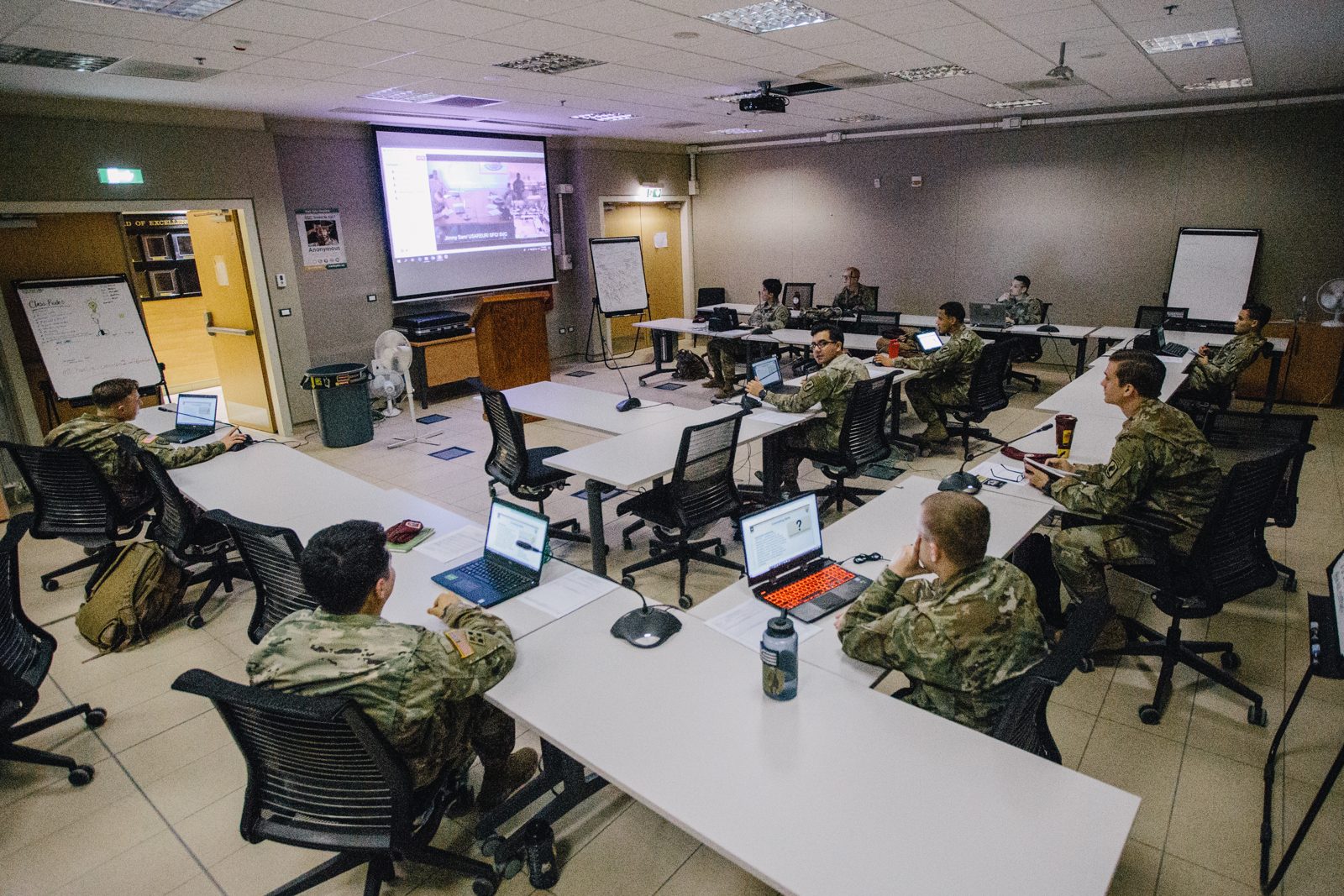
[A video teleconference in progress.] Photograph: video teleconference
Image Credits: Wikimedia Commons
Which format suits which role
The choice often follows the role. Phone screening suits high-volume, frontline, and trades hiring, where candidates may be on job sites or on breaks and value speed. Classet's analysis recommends phone screening for frontline and hourly roles, and video for corporate roles where visual presentation matters and candidates have reliable access to cameras and private spaces.
Video suits roles where communication style and presence are part of the job, such as client-facing positions, sales, and management. It also suits later rounds, where the employer is choosing between a small number of strong candidates and wants the richest possible impression.
Many employers use both, in sequence. The phone screen filters, the video interview deepens, and the final round, often in person, confirms. Candidates who understand that sequence can prepare for each stage on its own terms rather than treating every interview alike.
Practical preparation checklist
For a phone interview, prepare a quiet room, a charged phone, water, and your notes. Stand or sit upright, since posture affects vocal energy even though the interviewer cannot see you. Smile when you greet the interviewer; it changes vocal tone in a way listeners can hear.
For a video interview, test the platform the day before, not minutes before. Position the camera at eye level, face a light source rather than sitting against a window, and clear the background of anything distracting. Close other applications, silence notifications, and have a backup plan, such as a phone number to call if the connection drops.
In both formats, the fundamentals are the same. Indeed's guidance stresses preparing questions in advance, asking consistent questions as an interviewer, introducing yourself clearly, and explaining the process and timeline. Candidates should mirror that discipline: know the role, prepare examples, and have questions ready for the end.
Frequently asked questions
Is a phone interview easier than a video interview?
It is different, not easier. Phone interviews remove visual pressure but demand stronger vocal delivery, since voice carries the entire impression. Video interviews add visual preparation but give you body language and facial feedback to work with.
Should I treat a phone screen as a real interview?
Yes. Phone screens decide who advances, and a weak screen ends the process. Prepare answers, research the company, and treat the call with the same seriousness as a later round.
Can I use notes in a video interview?
You can, but sparingly. Looking away from the camera often reads as disengagement. Keep notes short, place them near the camera, and glance at them only between answers.
Which format do employers prefer?
Most use both in sequence: phone first for screening, video later for depth. The choice depends on the role, the volume of hiring, and how much visual information the employer needs at each stage.
The bottom line
A phone interview tests how you sound; a video interview tests how you sound and how you present. Phone screens come earlier, cost less to run, and carry fewer bias and technology risks. Video interviews come later, reveal more, and demand more preparation.
Candidates do best when they prepare for the format in front of them rather than recycling one approach for both. On the phone, invest in voice, clarity, and notes. On video, invest in setting, camera, and presence.
The questions may be the same, but the test is not.
Tags: phone interview, video interview, job interviews, hiring
The Rive News research desk covers work, hiring, and money explainers from public sources, with every key claim tied to a named source.
Related
- How to prepare for a video interview at home
- What to wear to a video interview: colours, fit, and setup
- How recruiters decide who gets a phone screen
- How to answer tell me about yourself in an interview
Subscribe to the Rive News newsletter for one practical work explainer each week.
Rive News standards: every factual claim in this article traces to a public source listed above; corrections are published with a visible update note.
Related stories

How to Ask for a Raise With Data, Not Emotions
Ask for a raise with market data and documented results, not emotions. Research your rate from BLS wage tables, build an evidence file, run

How to Explain a Career Gap on Your Resume Honestly
A career gap is not a red flag if you explain it honestly: give a reason, show what you did, and point forward. Recruiters reveal the exact

How to Switch Careers at 30 With No Experience in the Field
A career change at 30 means repackaging a decade of transferable skills, not starting over. Map your skills, earn one certification,