
What Is Gardening Leave and Why Does It Exist: A Complete Guide
Filed under: Career & Jobs · Reading time: 8 minutes
Rive News's research desk publishes plain-English explainers on work, money and technology.
Key takeaways
- Gardening leave means your employer tells you not to work during your notice period while you stay employed and paid in full.
- In the UK there is no statute creating it, so it only works if your employment contract contains a garden leave clause.
- It pairs with restrictive covenants: paid time away lets your inside knowledge age before post-employment restrictions begin.
Gardening leave means your employer tells you to stay home during your notice period while you remain employed and paid. The name is a joke about a departing employee with nothing to do but tend the garden.
It is most familiar in UK workplaces, where contracts often let employers keep departing staff away from systems, clients and confidential information until the last day. Anyone asking what is gardening leave and why does it exist is really asking how employers protect their business while an employee works out notice.
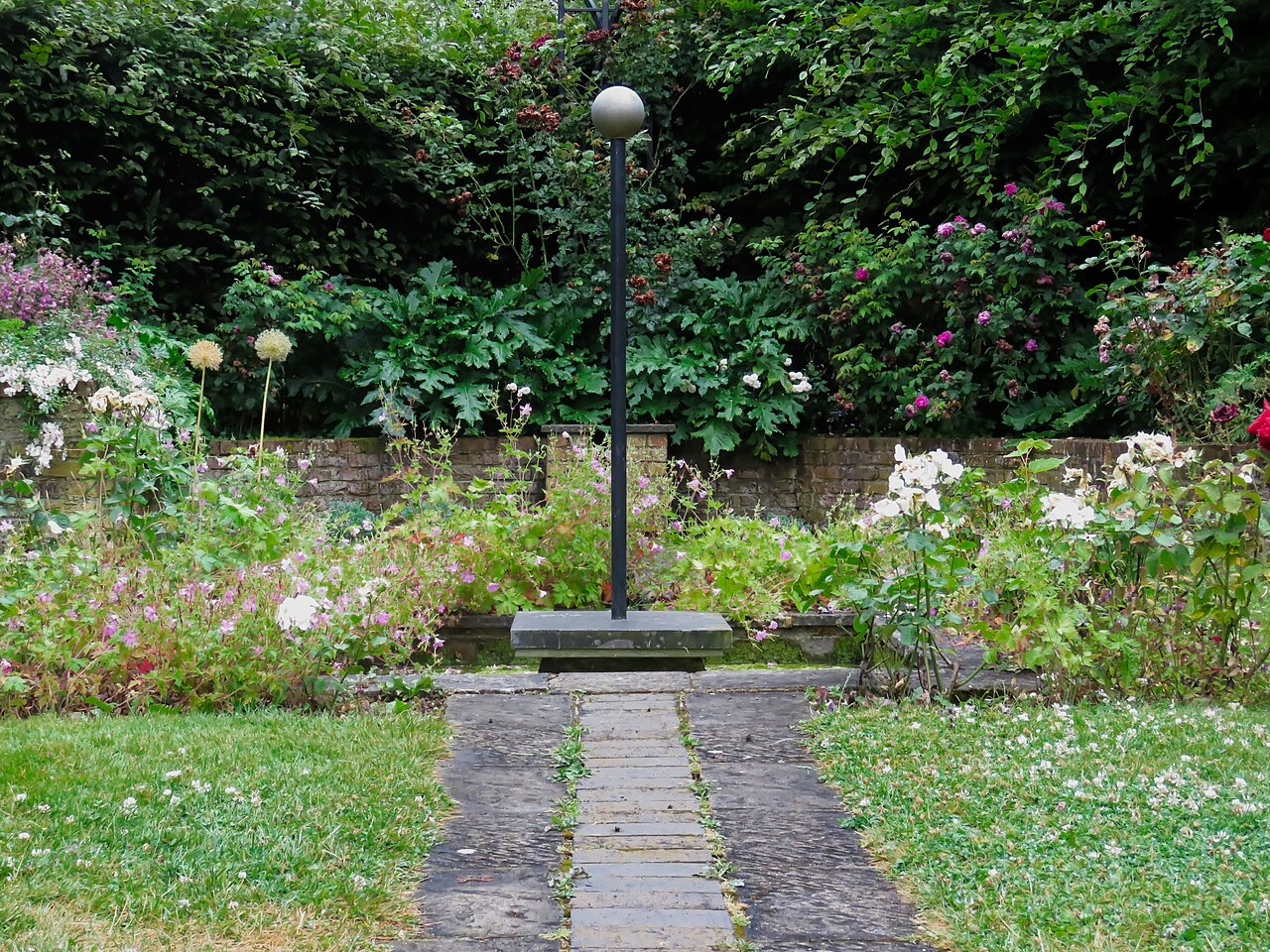
A quiet garden path in Enfield, London. The term "gardening leave" imagines a departing employee sent home to tend the garden while serving out notice. Photograph: Acabashi
This article explains gardening leave, including what it is and why it exists, how it works during a notice period, how it connects to restrictive covenants, and what employees should know.
What gardening leave is and why it exists
Acas, the UK employment relations body, describes garden leave (or gardening leave) as a period when an employer tells an employee not to work some or all of their notice period. The employee is not fired and has not quit early; they are simply told to stay away.
The reason, in the employer's mind, is control. According to Acas, the employer may not want the person to keep accessing sensitive or confidential information that could be useful in a new job.
The name comes from the old joke that a paid employee with nothing to do might as well tend their garden. In practice, the arrangement is common in finance, technology, media and sales, anywhere a single departure can carry clients, pricing or strategy to a competitor.
There is no UK statute that creates gardening leave. PayFit's 2026 employer guide warns that without a contractual clause, employers have no automatic right to enforce it.
So the whole arrangement turns on the employment contract. A well-drafted garden leave clause states when the leave can begin, how long it can run, and what obligations continue while the employee waits at home.
How gardening leave works during a notice period
Garden leave can only run inside a notice period. It begins after notice has been given, whether by the employee resigning or by the employer ending the contract.
For context, UK statutory notice runs from one week, for employees with at least a month of service, up to 12 weeks for those with 12 or more years of service, according to government and Acas guidance cited by PayFit. Contracts for senior roles often set longer notice periods, which is why garden leave of three or six months is possible even though statutory minimums are far shorter.
Throughout the period the contract stays alive. Acas guidance is clear: the employee must be paid as usual, including contractual benefits, and remains employed even though they are not working.

Office development in London at dusk. When notice is given, some UK employers use garden leave instead of letting a departing employee work to their last day. Photograph: Diliff
Day-to-day access usually disappears. Email accounts are frozen, system logins are removed, and the employee is told not to contact clients, suppliers or colleagues without permission.
The employer can usually recall the person, for example to help with a handover or answer questions. Holiday keeps accruing, and the employer can require some of it to be taken during the leave.
Pay arrives through your usual payroll and bank channels, taxed as normal earnings. Gardening leave is not payment in lieu of notice, known as PILON: with PILON the contract ends immediately and the employee is paid off, while on garden leave the employee stays on the payroll until the notice period runs out.
Restrictive covenants: the reason employers reach for it
The part of gardening leave that plain explainers usually skip is the restrictive covenant. These are promises in the contract that survive employment, such as non-compete, non-solicitation and non-dealing clauses.
Garden leave and covenants work as a pair. During the weeks at home, the employee's inside knowledge ages: prices change, staff move on, and deals close or collapse.
That ageing is the point. By the time the person can work for a rival, what they knew is out of date, and the covenant then guards the next stretch of time. This is why the practice exists at all: it is cheaper to pay someone to wait than to watch them walk today's client list into a competitor.
The interaction most people miss is timing. Tribunal Claim Solicitors notes that garden leave delays the start of restrictive covenants unless the contract sets the two periods off against each other.
So a six-month garden leave followed by a six-month non-compete can keep a person out of the market for a full year. Employees joining a competitor should check this clause before signing a new offer.
An empty office chair. On gardening leave, the employee stays employed but is told not to come in, cutting off access to clients and systems. Photograph: Lee Haywood
Employers reach for the tool where the stakes justify paying someone to stay home: staff joining a competitor, people with commercially sensitive information, those managing key client or supplier relationships, and senior or specialist roles, according to PayFit's employer guide.
Garden leave also works as a cleaner alternative to keeping a departing employee in the building. Trust has broken down, yet the contract demands notice; paid absence solves both problems at once.
What employees should know before it happens
You usually cannot start the new job while the leave runs. You are still employed, so joining a competitor in that window can breach the contract.
Read the garden leave clause before you resign. Check the maximum length, whether pay and benefits continue in full, and whether garden leave time counts against your restrictive covenants.
Keep the paperwork. Note when notice was given, when employment ends, and the exact instruction placing you on garden leave. According to the UK employment guide Labour Laws, being told not to come in for a day or two does not by itself mean you are on garden leave.
The wider market makes these clauses worth reading early. UK job vacancies fell to 712,000 in April to June 2026, down 2.5% on the year, according to Office for National Statistics figures cited by PayFit, and hiring freezes can make notice periods overlap with slow recruitment.
Unlike a redundancy, which ends the job for business reasons, garden leave keeps every obligation alive. Stories of mass layoffs are a reminder that departure terms are set long before the farewell.
This article is general information, not legal advice. Contracts differ, and if the wording is unclear, speaking to an employment solicitor is the sensible next step.
Frequently asked questions
Do you get paid during gardening leave?
Yes. Acas states that the employee must be paid as usual during the notice period, including contractual benefits. Holiday also continues to accrue, so it is paid time away rather than unpaid suspension.
Can an employer put you on gardening leave without a contract clause?
There is no safe way to do it without one. No UK law creates gardening leave, and PayFit's employer guide warns that an employer without a contractual clause has no automatic right to enforce it. Attempting it anyway can trigger a breach-of-contract claim.
Can you start a new job while on gardening leave?
Usually not. You are still employed and bound by confidentiality, good faith and any restrictive covenants. Joining a competitor early can breach the contract and expose you to a damages claim.
How long can gardening leave last?
Never longer than the notice period itself. Statutory notice runs from one week to a maximum of 12 weeks depending on length of service, though senior contracts often set much longer notice periods.
The bottom line
Gardening leave is paid time away during a notice period, used mainly to protect confidential information and client relationships, and it works hand in hand with restrictive covenants. It exists only if the contract allows it, it keeps you employed and paid, and it can delay the start of your non-compete. Before you resign, read your garden leave and covenant clauses line by line, and get advice if the wording is unclear.
Latest in Career & Jobs
- How a hiring freeze actually changes the interview process
- Reese Witherspoon's Hello Sunshine layoffs
- How a contactless payment reaches your bank after you tap
- Bank of Canada rate hike, October 2026
Subscribe to the Rive News newsletter for plain-English explainers on work, money and careers.
Image Credits: Wikimedia Commons / Acabashi, Diliff, Lee Haywood
Related stories

How to Ask for a Raise With Data, Not Emotions
Ask for a raise with market data and documented results, not emotions. Research your rate from BLS wage tables, build an evidence file, run

How to Explain a Career Gap on Your Resume Honestly
A career gap is not a red flag if you explain it honestly: give a reason, show what you did, and point forward. Recruiters reveal the exact

How to Switch Careers at 30 With No Experience in the Field
A career change at 30 means repackaging a decade of transferable skills, not starting over. Map your skills, earn one certification,