
Purdue team starts underwater search for Amelia Earhart's lost plane
Web StoryWatch this story in 15 seconds →Key takeaways
- A 17-person team started an underwater survey on Nikumaroro on October 14. It seeks clues to Amelia Earhart's lost plane.
- The team studies the Taraia Object. It is a shape in a lagoon first seen in satellite images in 2020.
- New 1938 aerial photos of the island are now public. They may help, but they prove nothing yet.
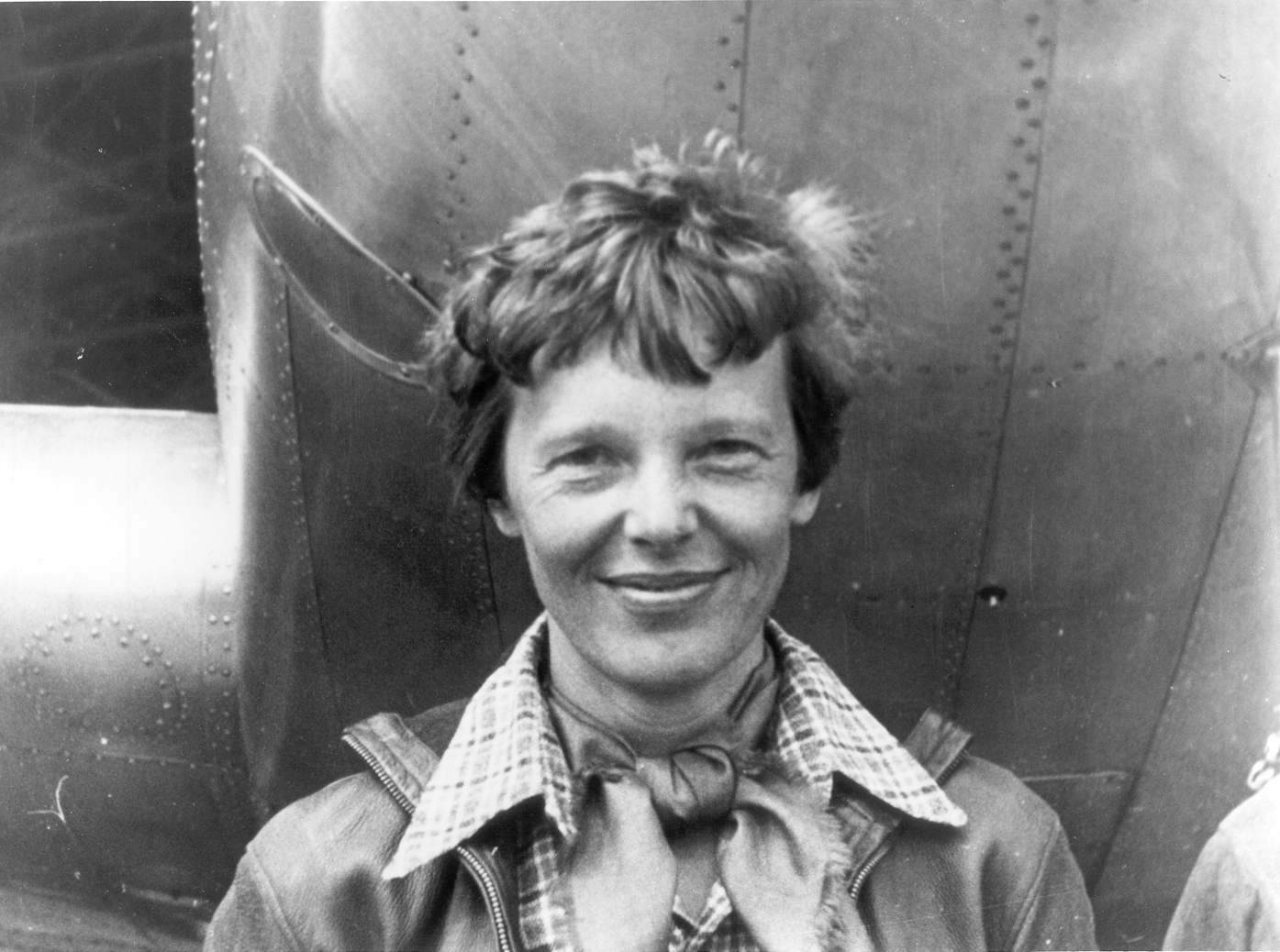
A search team has started work under the water. It hunts for clues to Amelia Earhart's lost plane. The team works in a lagoon on Nikumaroro, a remote Pacific atoll.
A lagoon is a shallow pool of salt water near land. Work began on Wednesday, October 14.
What happened
Three groups run the trip. They are the Archaeological Legacy Institute, the Purdue Research Foundation, and Purdue University. The team has 17 people.
The team sailed for five days to reach the island. It left from Tarawa, in Kiribati. The trip by sea took five days.
On Tuesday, October 13, the team set up camp. It cleared a trail across the island. It built staging areas for gear.
It reached the Taraia Peninsula ahead of plan. Team members also made a first check for items on the surface.
On Wednesday, October 14, the underwater survey began. This is the key phase of the trip. The team now scans the lagoon floor for signs of a plane.
The team uses two main tools. The first tool is a magnetometer. It hunts for metal in the water.
It can pick up steel parts such as cables. The plane itself was mostly aluminum. But steel parts could still point to it.
It works a bit like magnets in everyday life.
The second tool is side-scan sonar. It builds a picture of the lagoon floor. It can spot objects under mud and sand.
The data from both tools will shape the next steps.
Later steps may use a hydroprobe and a water induction dredge. These tools clear mud from objects. They let the team see what lies below the surface.
Rick Pettigrew leads the effort. He is the executive director of the Archaeological Legacy Institute. He said the team follows its plan.
He said it is too early to reach conclusions. He said a lot of science still lies ahead.
On land, the team set up a solar-powered tech system. It links a remote camera and a water level gauge. These tools track weather and tides on the island.
Purdue says this kind of live data has never been on hand before.
Each night, the team sleeps on its ship. The ship is called Marin Mainiku. The team leaves the island at night for safety.
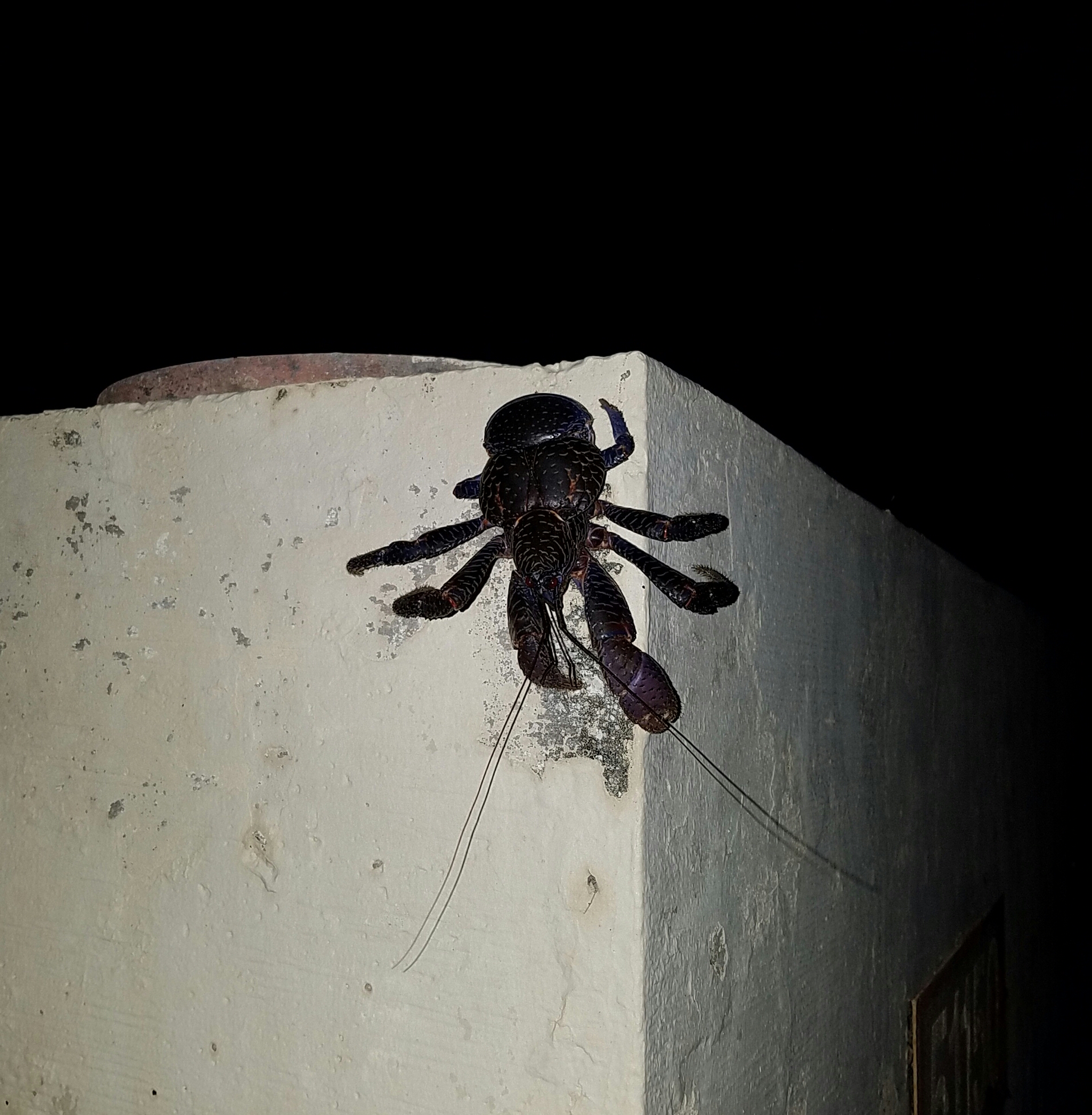
Giant coconut crabs come out after dark. The crabs are large and strong. They make a night camp on land hard to run.
Three members of the team come from Kiribati. The island sits in the Phoenix Islands Protected Area. It is also an Important Bird Area.
That status marks it as key ground for birds.
The Taraia Object
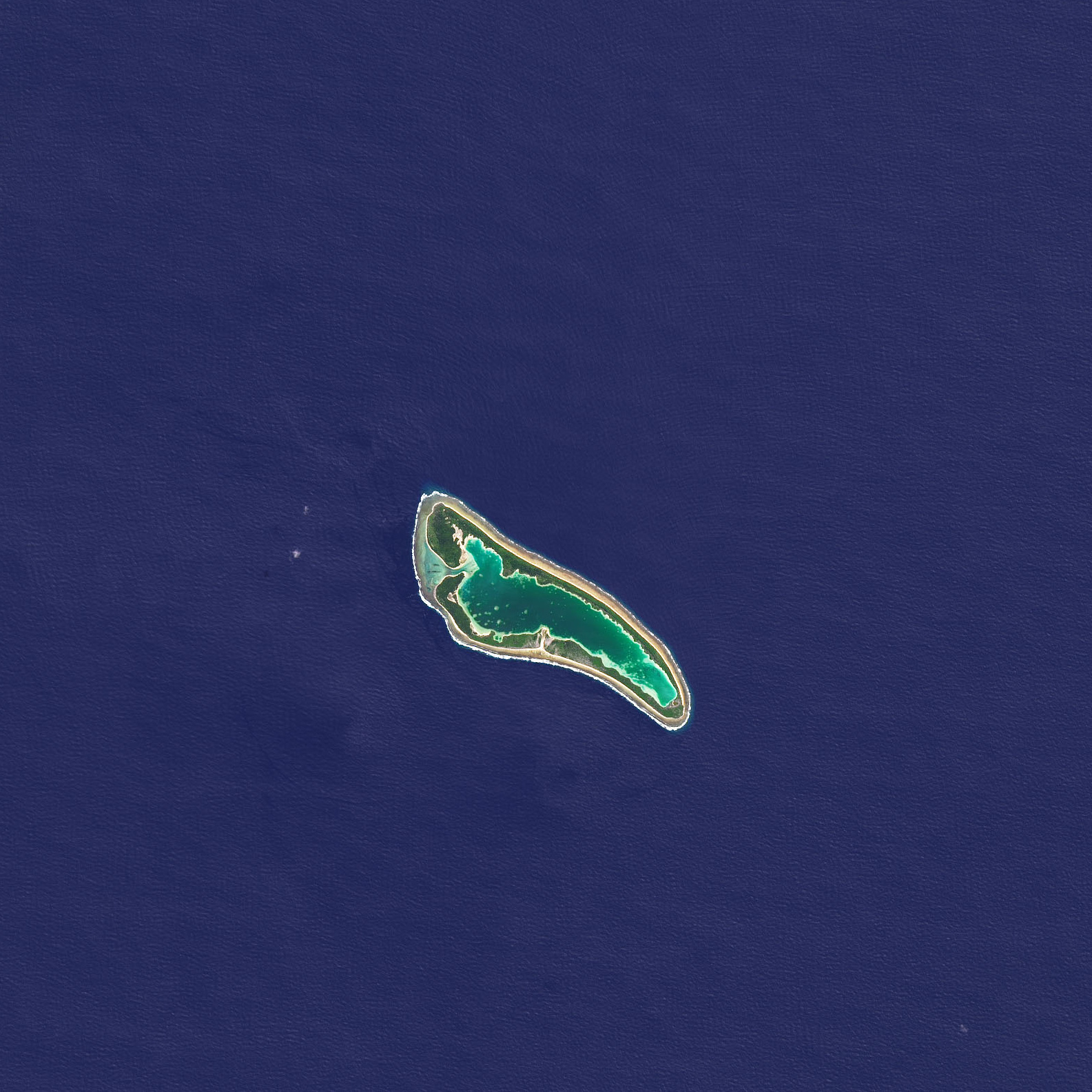
The survey centers on one shape in the lagoon. It is called the Taraia Object. It is long and thin in images.
It sits near the Taraia Peninsula.
People first noticed it in satellite images in 2020. Later checks found it in aerial photos from 1938. That means the shape has sat in the lagoon for a long time.
Some researchers think it may be part of Earhart's plane. Others say it may be a fallen tree or plain debris. Ric Gillespie is a leading Earhart investigator.
He is not sold on the plane link. He says the shape is most likely a fallen tree.
The object sits close to shore. It lies about three meters from land. At low tide, the water above it can be just 1.5 meters deep.
That shallow spot makes the work easier. It also makes boat access tricky on some days.
The field work should take about five days. The team expects an update on the object within about 48 hours. That update will say what the first scans show.
It will not settle the full mystery.
This is the first approved visit to the island in seven years. It is the first trip to the Taraia Peninsula in more than 15 years. That gap is one reason the trip draws wide notice.
Why the old photos matter
A second find made news this week. The Air Force Museum of New Zealand released 47 old aerial photos. It put them online in high-res digital form.
The museum acted after it got several requests for the set.
The photos show Nikumaroro from the air. They were taken on December 1, 1938. A New Zealand survey plane took them.
The plane was an amphibious biplane. It could land on water and land. The survey sought spots for airbases in the Pacific.
The photos are among the first images of the island.
The photo negatives surfaced more than ten years ago. Matthew O'Sullivan found them. He is the keeper of photographs at the museum in Christchurch.
Gillespie called the photos a goldmine in his blog. They give a clear view of the island in 1938. That view can help the team compare then and now.
But the photos do not prove the plane link. The Guardian reports no clear sign of an object there. It found none in the New Zealand military images.
So the photos help with maps and context. They do not settle what the Taraia Object is.
Why it matters
Earhart vanished in July 1937. She flew with navigator Fred Noonan. They left Papua New Guinea on July 2.
They aimed for Howland Island to refuel. They never got there.
In 1932, Earhart became the first woman to fly solo across the Atlantic. Five years later, she tried to circle the globe at the equator. The official account blames navigation and radio trouble.
The plane ran out of fuel. It crashed into the sea.
A second theory says the pair reached Nikumaroro. The island was then called Gardner Island. The theory says they landed on the reef.
They then lived as castaways for a time. This is called the castaway theory.
In 1940, British colonists found 13 bones on the island. They found them near the remains of a fire. The bones were later lost.
Later study of the old bone notes hinted at a match. The notes fit a woman of Earhart's size. That hint is not proof.
Bad weather still makes flying hard today. Pilots face low cloud, poor sight, and rough air. Our guide to how pilots land when they cannot see shows what crews do.
The Purdue link runs deep. Earhart came to Purdue in 1935. She worked there for two years.
She served as a women's career counselor. She also advised the aeronautics department. The Purdue Research Foundation funded her plane.
It paid for the Lockheed Electra Flying Laboratory. The plan was for the plane to return to Purdue after the flight. It never came back.
Past searches have found no wreckage. Explorer Robert Ballard led one search. It found no plane.
Most experts still favor the ocean crash near Howland. That view may be right. The new team does not claim otherwise.
Still, this trip is the first close look at the Taraia Object. It pairs new scan tools with old photos. It also has fresh access to the site.
That mix makes it worth watching.
What happens next
The survey runs for a few more days. The team will read the scan data. It will mark spots that merit a closer look.
It will then use the dredge to clear mud from those spots.
Severe weather has already slowed metal checks on some days. The team plans two more days of field work. Then it will share what it found.
What would proof look like? A plane part with a serial number would count. A match to the Electra's parts would count.
A clear shape on sonar would not be enough on its own. The team must dig, test, and check each find.
If the object turns out to be a tree, the search may shift. The team may scan other parts of the lagoon. If the object turns out to be plane wreckage, the news will be huge.
Even then, full proof would take more work.
For now, the facts are simple. A team is on the island. It scans a lagoon shape.
It has new photos to guide it. It has found no plane yet.
Watch Purdue's newsroom for the next update. Treat bold claims with care until the team shows proof. The mystery has lasted 89 years.
A few more days of careful science will not hurt it.
Related stories

Why Do I Blank Out During Tests Despite Studying: Test Anxiety and Retrieval Failure
Blanking out in exams is retrieval failure, not missing knowledge. Anxiety drains working memory; rereading builds false confidence. Here

How to Study for Exams Without Burning Out
Sleep 7-8 hours, study in 25-50 minute blocks, and exercise daily. The science-backed way to study for exams without burning out, and what

Why Do I Forget What I Just Read? Science Has an Answer
You forget what you just read because of the forgetting curve, mapped by Ebbinghaus in 1885. Science explains why memory fades fast and how