
How to Stay Focused While Studying at Home
Key takeaways
- Study in one fixed spot that your brain links with work, never in bed.
- Work in 25-minute blocks with 5-minute breaks, and keep your phone in another room.
- Use active recall, such as practice questions, since passive rereading lets the mind wander.

Staying focused while studying at home means holding your attention on one task in a place full of comfort and interruptions. Home has a bed, a TV, a fridge, a phone, and family members, all within a few steps. The brain treats home as a place to rest, so it drifts unless you give it clear cues to work.
Focus is not a talent that some students have and others lack. It is a setup: a fixed spot, a single task, a timer, and a phone out of reach. Small changes to the setup beat willpower, because willpower runs out and the setup stays.
This article explains how to stay focused while studying at home, including designing your study spot, using timed sessions, removing the phone, studying actively, and protecting sleep and energy.
Design one spot for study only
Pick one place in your home and use it only for study. It can be a desk, a table in a quiet corner, or a chair at the kitchen table during set hours. The key is that your brain starts to link that spot with work.
SchoolMyKids notes that a designated study area helps the mind associate that space with focus and readiness to study.
Never study in bed. The bed tells your body it is time to sleep, and the body usually wins. If you have no desk, a floor cushion and a low table still work, as long as the spot is used for study and nothing else.
Keep the spot for study, and keep rest somewhere else.
Clear the desk before each session. A cluttered desk competes for attention, and every stray object is a small invitation to drift. Keep only what the session needs: the book, the notes, a pen, and water.
Put everything else out of sight, not just out of reach.
Face the desk away from the TV and the busiest part of the room when you can. If the desk faces a window with street activity, angle it so the view is not in your direct line of sight. Good light matters too.
Natural light helps, and a desk lamp stops eye strain after dark.
Tell the household your study hours. A simple "I am studying until 5, please knock first" removes most interruptions. A closed door, a headphone cue, or a small "studying" sign on the door all send the same message without a long talk each day.
Work in short timed blocks
Long, open ended study sessions invite drifting. A timer fixes that by giving the brain a finish line. The Pomodoro Technique, described by Save My Exams, runs in a simple loop: study for 25 minutes, take a 5-minute break, and after four cycles take a longer break of 20 to 30 minutes.
The 25-minute block works because it is short enough to stay sharp. You can promise yourself full focus for 25 minutes in a way you cannot promise for three hours. The timer also creates a small sense of urgency, which helps you start instead of circling the task.
Use breaks for real rest, not for a second screen. A short walk, a stretch, a glass of water, or a look out of the window lets the brain reset. Scrolling social media during a break is not rest.
It keeps the brain in a reactive state and makes the next block harder to start.
End each block with a one line note about where you stopped. "Halfway through chapter 4, stuck on question 6" means the next block starts in seconds. A vague stop point means the next block starts with ten minutes of finding your place again.
Get the phone out of the room
The phone is the biggest focus leak at home. Save My Exams calls removing it from the room the single most impactful study focus habit, citing a 2017 paper in the Journal of the Association for Consumer Research which found that even a face down phone on the desk reduces available attention. The phone does not need to buzz to cost you focus.
Its presence alone is enough.
Put the phone in another room during study blocks. If you need it for a timer, use a kitchen timer or a watch instead. If you need it for study apps, turn on Do Not Disturb, silence notifications, and keep it face down and out of reach.
Close the tabs you do not need. One study tab and one notes tab are enough for most sessions. Social media, shopping, and video tabs are not "background noise.
" They are open doors, and the brain walks through them whenever the work gets hard.
The Times of India reports that even brief distractions can break the flow of learning, forcing the brain to take up to 25 minutes to fully refocus. Save My Exams cites University of California research with a similar finding: about 23 minutes to fully regain concentration after an interruption. One ping can cost half a study block, so prevention beats recovery.
Set one clear goal per session
"Do some biology revision" is too vague to focus on. The brain needs a target it can see. Save My Exams gives a better version: "Complete the revision notes for cell division and answer ten exam questions on it.
" That goal tells you when the session is done.
Write the goal down before you start. One sentence is enough. Put it on a sticky note or at the top of the page.
When your mind drifts, the written goal is a short walk back to the task.
Match hard tasks to your best hours. Most people focus best in the morning or in the early evening, but the pattern varies. Notice when you feel sharpest over a few days, and put the hardest subject there.
Save easy review and organizing for low energy hours.
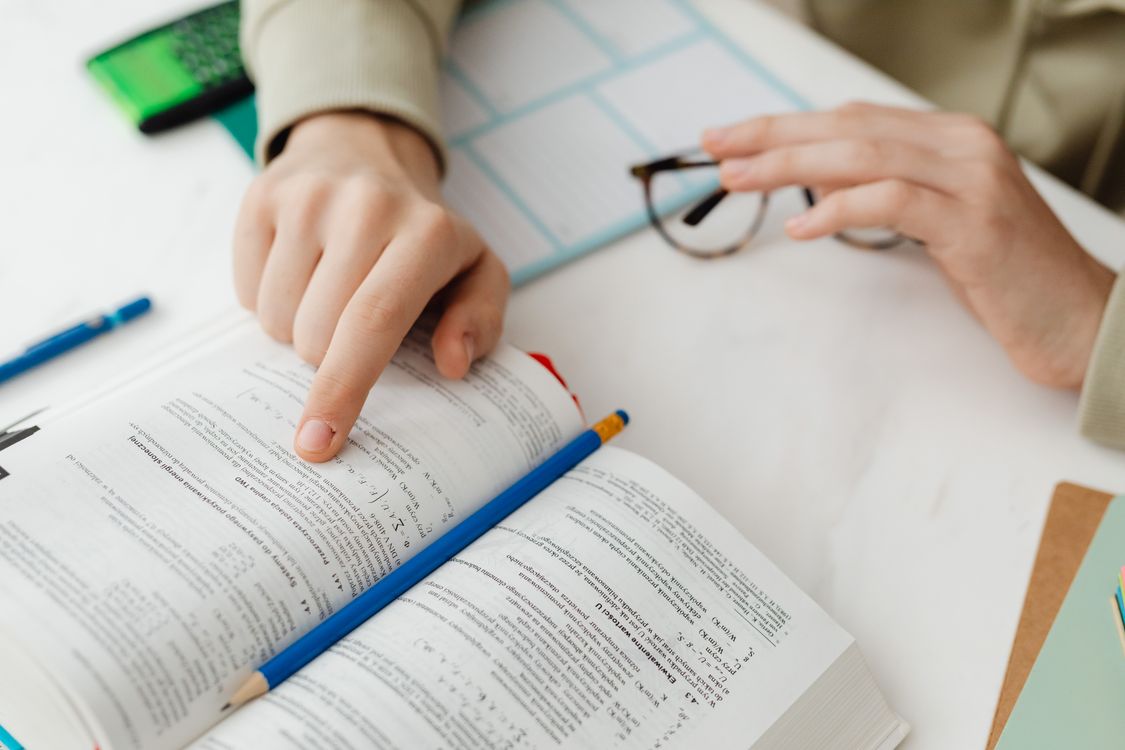
Study actively, not passively
Passive rereading is the fastest way to lose focus. Reading the same page three times needs little effort, so the mind wanders. Active methods force the brain to work, which keeps attention in the room.
Active recall is the strongest tool here. Close the book and try to write down what you remember. Use flashcards, self testing, or practice questions under timed conditions.
Save My Exams notes that research links active recall with stronger retention, and it keeps you engaged because the brain has a job to do.
Try the Feynman Technique for hard topics. Explain the idea in simple words, as if teaching a friend. The gaps in your explanation show exactly what you have not learned yet.
Go back to the book for those gaps only, then explain again.
Use past papers the way exams use them. Work through questions under timed, silent conditions, then mark them. Past papers show the gaps that rereading hides, and they train the brain to focus under pressure.
One timed paper teaches more than three hours of rereading.
Mix methods within a session to keep the brain fresh. Read for 10 minutes, test yourself for 10 minutes, then write a short summary. Changing the task keeps attention up without changing the subject.
The change of pace is often all a tired brain needs.
Protect sleep, food, and breaks
Sleep is part of studying, not a break from it. Save My Exams notes that during sleep, the brain consolidates what it met during the day. A healthy adult needs 7 to 9 hours of sleep per night, according to the NHS, as cited by Save My Exams.
An all nighter before an exam costs more recall than it buys in hours.
Eat and drink before you sit down. A hungry or thirsty brain drifts fast. Keep water on the desk and eat a light snack at breaks.
Heavy meals and sugary drinks can cause energy crashes, so keep break snacks simple: fruit, nuts, or whole grains.
Move between sessions. A 10-minute walk, a few stretches, or a short set of stairs raises energy more than another coffee. Movement is also a real break, unlike scrolling, which keeps the brain stimulated.
Build a start ritual that cues focus
A short ritual before each session tells the brain that study time has begun. Save My Exams suggests a simple version: make a drink, tidy the desk, and review the goal for the session. Three small actions, done in the same order each time, become a switch.
Keep the ritual short, under five minutes. A long ritual becomes a way to delay starting. The ritual is a doorway, not the work.
Walk through it and start the timer.
Use the same cue every time. The same playlist, the same drink, the same seat, and the same first action all build the link. After a week or two, sitting down in the spot starts to bring focus with it, the way a gym bag by the door brings the thought of training.
If you still cannot start, shrink the first step. Open the book. Read one paragraph.
Answer one question. A tiny start breaks the freeze, and the timer takes over from there. Most sessions feel easier after the first five minutes than they did before they began.
How long should I study without a break?
The Pomodoro Technique recommends 25 minutes of study followed by a 5-minute break, with a longer 20 to 30 minute break after four cycles. If 25 minutes feels too long, start with 10 to 15 minutes and build up over a week.
Can music help me focus while studying at home?
Music helps some people, mainly instrumental or ambient sound without lyrics. Lyrics compete with reading and writing, so keep them out of study sessions. Test one kind of background sound for a few sessions and keep it only if focus holds.
Is multitasking during revision a bad idea?
Yes. Sticking to one task at a time improves concentration and retention, according to Save My Exams. Switching between tasks costs refocus time each time, so finish one block on one subject before moving on.
The bottom line
Focus at home is a setup, not a gift. Pick one study spot, clear the desk, put the phone in another room, and work in 25-minute blocks with a written goal for each one. Study actively with recall and practice questions, and protect sleep and breaks so the brain can do its job.
Start with one change in your next session, then add the rest as the habit holds. For more study methods, see our guide to using past papers to revise for exams, how to beat procrastination when studying feels boring, and how to learn from a failed exam.
Tags: studying, focus, home study, revision
Latest in Education
- How to use past papers to revise for exams effectively
- How to beat procrastination when studying feels boring
- How to learn from a failed exam
- How to learn maths as an adult from scratch
Subscribe to the Rive News newsletter for one practical guide each week.
Related stories

Why Do I Blank Out During Tests Despite Studying: Test Anxiety and Retrieval Failure
Blanking out in exams is retrieval failure, not missing knowledge. Anxiety drains working memory; rereading builds false confidence. Here

How to Study for Exams Without Burning Out
Sleep 7-8 hours, study in 25-50 minute blocks, and exercise daily. The science-backed way to study for exams without burning out, and what

Why Do I Forget What I Just Read? Science Has an Answer
You forget what you just read because of the forgetting curve, mapped by Ebbinghaus in 1885. Science explains why memory fades fast and how