
Buy now pay later refunds: how they work
By Rive News / Research desk | Rive News / Published October 29, 2026 at 9:00 AM PKT
Key takeaways
- A buy now, pay later refund goes to the lender first, not straight to your bank account.
- A full refund usually cancels the payments you still owe and returns money you already paid.
- Keep paying on schedule until the lender confirms the refund, unless it tells you to pause.
[Online shopping involves several parties between the buyer and the seller.] Photograph: Wikimedia Commons contributor
Image Credits: Wikimedia Commons
A buy now, pay later refund is a refund on a purchase that was split into instalments. The store returns the money, but the money travels through the lender first. That extra step is why these refunds can feel slower and less direct than a refund on a card purchase paid in full.
This article explains how buy now, pay later refunds work, including full refunds, partial refunds, return timing, and disputes. It covers the chain from the store to the lender to your payment schedule, and what to check at each stage.
This is general educational information, not financial advice.
What is a buy now, pay later refund?
A buy now, pay later plan, often shortened to BNPL, lets a shopper take goods now and pay in instalments. The lender usually pays the store in full at checkout. The shopper then repays the lender over a set schedule, commonly in four payments.
When the shopper returns the goods, the store does not refund the shopper directly in most cases. Experian explains that any refund is sent to the BNPL lender first. The lender then applies that refund to the shopper's plan, which is a different route from a straightforward card refund.
That distinction matters for timing. The shopper must wait for two handoffs: the store confirming the return, and the lender applying it.
How a refund moves from store to lender
Returning a BNPL purchase starts in the same way as any other return. The shopper follows the store's return policy, including its deadlines and any restocking fee. Experian notes that all BNPL returns are subject to the store's policy, so the store decides whether a refund, an exchange or store credit is on offer.
Once the retailer accepts the return, it notifies the BNPL provider. After the lender receives confirmation from the store, it processes the refund. Experian puts normal refund processing at between 3 and 14 days once the provider has that confirmation.
Klarna gives a similar picture in its own help pages. It says a refund is processed within 5 to 7 business days once the store has registered the return or cancellation. It also warns that, depending on the bank involved, it can take up to 14 days for funds to show in an account.
The practical point is simple. The clock that matters most is not the day the parcel is posted back. It is the day the store confirms the return to the lender.
Keeping the return receipt and any tracking number makes that stage easier to prove if it stalls.
What happens to a full refund
A full refund is the cleanest case. Klarna says that once a full refund is registered against an order, any remaining payments are cancelled. Any amount already paid is refunded to the original payment method.
Consider a four-payment plan for a $200 item, with $50 paid at checkout and three $50 payments left. A full refund would cancel the three remaining payments. The $50 already paid would go back to the original payment method.
Timing still varies. Future-payment cancellations usually show in the lender's app first, while cash back to a card or bank account can take longer.
What happens to a partial refund
Partial refunds are where shoppers most often get confused, because the answer depends on the size of the refund compared with the balance left to pay. Klarna sets out two cases, and they are worth learning before returning part of an order.
If the partial refund is larger than the remaining balance, the refund first clears what is left to pay. The difference is then credited to the original payment method. A shopper who owes $40 and receives a $60 partial refund would see the $40 cleared and $20 returned.
If the partial refund is smaller than the remaining balance, the refund is deducted from the outstanding balance. The reduction is then spread evenly across the remaining payments. A shopper who owes $120 across three payments and receives a $30 partial refund would see each remaining payment fall by $10, rather than receiving $30 in cash.
This is why a partial return does not always feel like money back. In the second case, the benefit arrives as smaller future payments, not as a lump sum in a bank account.
Store credit is not the same as a refund
Store credit creates a trap that catches some shoppers out. Experian is blunt on this point: if the store issues store credit instead of a refund, the shopper will not receive a credit to the BNPL balance. The shopper remains responsible for paying the BNPL loan on its original terms.
That outcome surprises people, because they feel refunded. From the lender's view nothing has changed, since no money came back, so the loan still needs repaying.
Before accepting store credit on a BNPL purchase, it is worth asking whether a refund to the original payment route is available instead. If store credit is the only option, the shopper should plan to keep paying the instalments as scheduled.
Should you keep paying during a return?
In most cases, yes, until the lender confirms otherwise. Experian advises shoppers to continue making scheduled payments until the refund is applied, unless the lender says otherwise. Stopping payments early can trigger late fees, even if the item is already on its way back.
Some lenders let a shopper report a return in progress through the app. Klarna's help pages say reporting a return may allow it to pause payments while the return is processed. The pause is not automatic, and it depends on the lender and the store confirming the return.
The safe sequence is to return the item, report the return in the lender's app where that option exists, and keep paying until the schedule changes. Once the app shows the adjusted schedule, the shopper can stop worrying about the old payment dates.
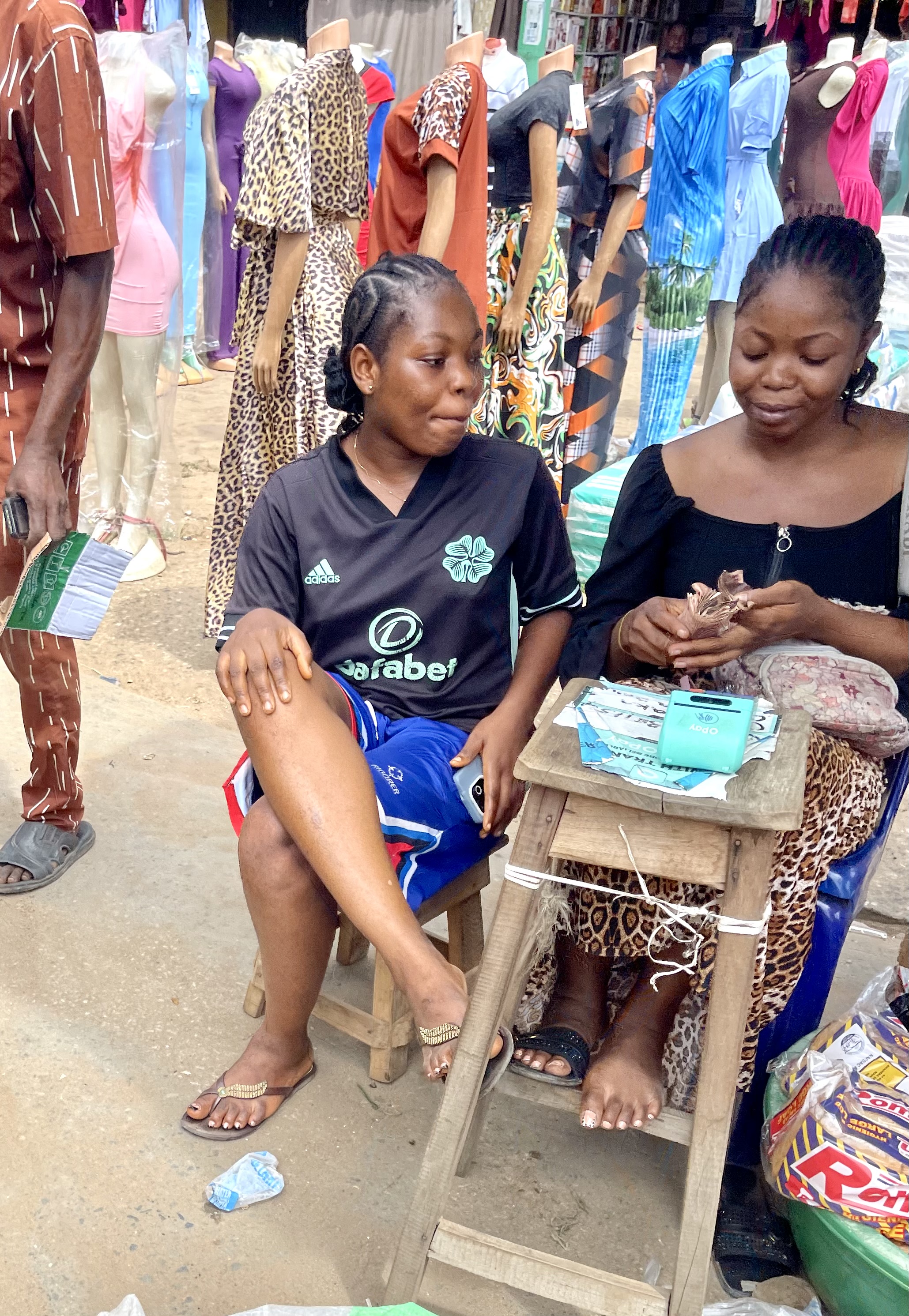
[A payment terminal of the kind used when a purchase is made.] Photograph: Wikimedia Commons contributor
Image Credits: Wikimedia Commons
What if the item never arrived or is faulty?
A return and a dispute are not the same thing, although they overlap. A return applies when the shopper sends goods back under the store's policy. A dispute applies when something has gone wrong, such as goods that never arrived or arrived faulty, and the store is not sorting it out.
In May 2024, the US Consumer Financial Protection Bureau (CFPB) issued an interpretive rule treating BNPL lenders as credit card providers for certain protections. In prepared remarks, then-director Rohit Chopra said consumers should be able to dispute a charge with the BNPL lender, which would then have to investigate. He also said consumers would not have to make payments on the loan while a dispute was being investigated, and that a return should be reflected as a credit on the loan.
Provider policies still vary, and rules in this area have been contested since that announcement. Shoppers should read their lender's current dispute terms rather than assuming every protection applies everywhere.
How common are BNPL returns?
Returns are not a rare edge case in this market. Experian, citing the CFPB, reports that at least part of an order was returned on an estimated 13.7% of individual BNPL loans in 2021.
That figure covers partial returns as well as full ones, so it does not mean that one order in seven was sent back in full.
The scale explains why lenders built return-reporting tools into their apps. Shoppers should treat the return process as part of the purchase decision, not an afterthought.
A checklist for a smooth refund
Start with the store's return window and keep proof of postage or the in-store receipt. Report the return in the lender's app if that option is offered, and note the date the store confirms it. Keep paying until the schedule changes, then check the new schedule line by line.
If the refund has not appeared after the lender's stated window, contact the lender with the order number and return proof. If the store and the lender each blame the other, a written complaint with dates and reference numbers creates a record that is easier to escalate.
Shoppers who paid instalments with a credit card should also watch that card statement. A refund can appear as a separate credit days after the app shows the plan as settled.
Frequently asked questions
How long does a buy now, pay later refund take?
Once the lender has confirmation from the store, Experian puts normal processing at 3 to 14 days. Klarna says 5 to 7 business days, with up to 14 days before funds show in an account. Mail-in returns take longer than in-store returns, because shipping and inspection come first.
Does a refund go back to my bank account?
Not always. The refund goes to the lender first. It then cancels remaining payments, reduces future payments, or returns money already paid, depending on how much is left to pay and how much was already paid.
Can I return part of an order bought with buy now, pay later?
Yes, in most cases, subject to the store's policy. A partial refund first reduces the balance left to pay. Only any excess over that balance comes back to the original payment method.
What happens if I get store credit instead of a refund?
The BNPL balance usually stays unchanged, because the lender received no money back. The shopper still owes the instalments on the original terms, alongside whatever voucher the store issued.
Do I have to keep paying while waiting for a refund?
Usually yes, unless the lender confirms a pause. Stopping payments before the refund is applied can trigger late fees, even when the return is already in transit.
The bottom line
A buy now, pay later refund is a chain, not a single payment. The store refunds the lender, and the lender adjusts the plan.
Full refunds cancel what is left and return what was paid. Partial refunds shrink future payments first and return cash only when the refund exceeds the balance left.
The habit that saves the most trouble is unglamorous: keep paying until the app shows the change, keep the return proof, and check the new schedule before assuming the matter is closed. Readers comparing payment methods may also want to understand how a credit card grace period works and how buy now, pay later firms make money.
Tags: buy now pay later, refunds, consumer credit
Rive News is a research desk that writes plain-English explainers from public sources, with claims checked against the documents cited.
Related
- How buy now, pay later firms make money without charging interest
- How a credit card grace period actually works
- Why paying only the minimum keeps you in debt
- How a cash advance differs from a normal card purchase
Subscribe for a weekly explainer on the money topics readers ask about most.
Rive News publishes general educational explainers. Figures and policies cited here come from the public sources listed above and can change; check the lender's current terms before acting.
Related stories

How your APR is divided by 365 to get daily interest
Lenders divide your APR by 365 for a daily rate, then apply it to your average daily balance. This guide walks through every step

What is the difference between APR and effective annual rate?
APR ignores compounding inside the year; the effective annual rate includes it. A 12.99% APR card really costs 13.80% a year. Worked

APY vs interest rate: what compounding does to your money
APY includes compounding; the interest rate does not. A 5% rate compounded monthly is really 5.12% APY. Here is how the math works and what