
Why Credit Card Rewards Cost You Money If You Carry a Balance
Key takeaways
- A 2% cash-back card pays about $200 on $10,000 of yearly spending, while a $2,000 balance at 22% APR costs roughly $440 a year in interest.
- Accounts that carry balances pay an average APR of 22.15%, per Federal Reserve data for Q2 2026.
- Rewards cards tend to charge higher interest rates than plain cards, so the rewards themselves come with a steeper price.
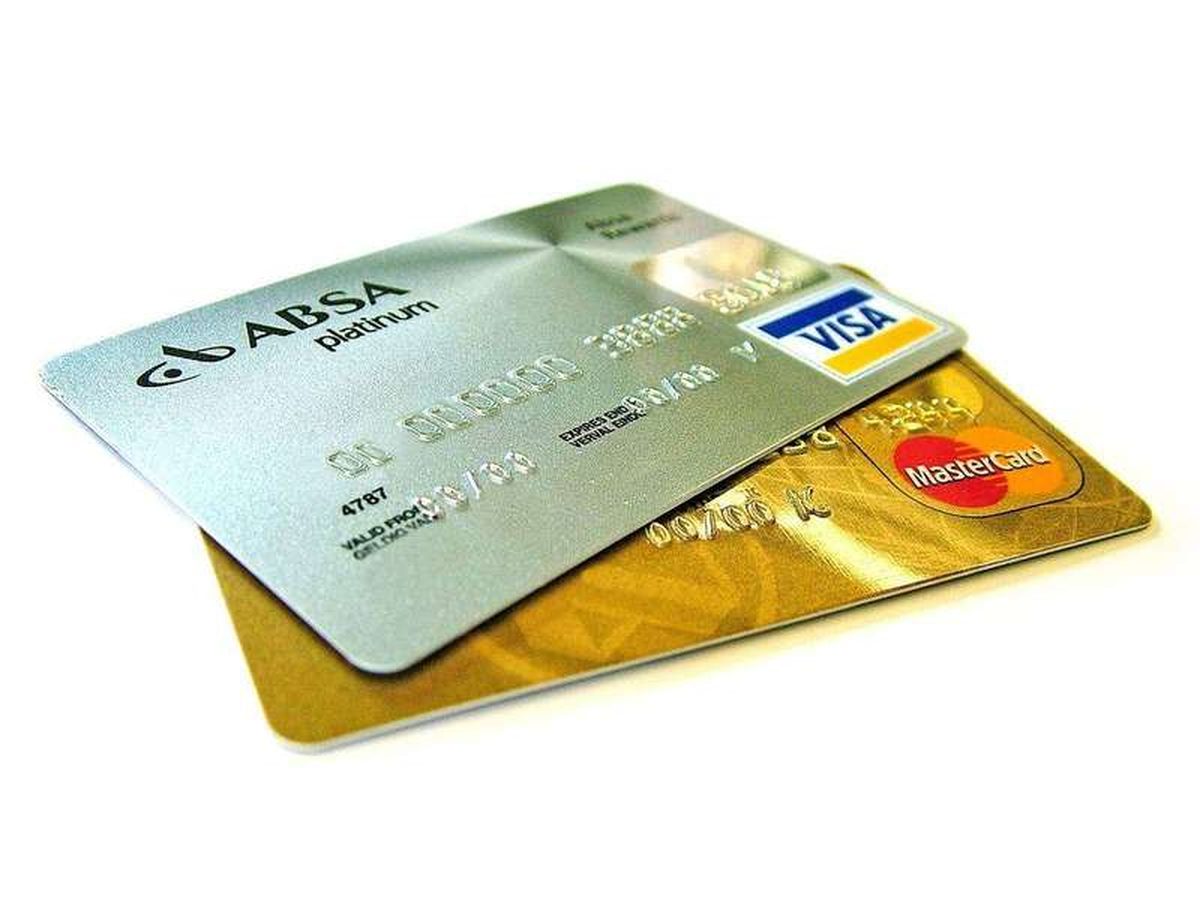
A rewards credit card pays you a percentage of your spending back as cash, points, or miles. That deal only works in your favor if you pay the full balance every month. The moment you carry a balance, interest charges start piling up at rates that dwarf whatever the rewards pay out.
This article explains what rewards cards actually pay, what carrying a balance actually costs, the math worked out side by side, why rewards cards charge higher rates, and how to tell if your card is costing you.
What rewards cards actually pay
Most rewards cards pay a modest percentage of each purchase. NerdWallet notes that "flat-rate cards typically pay 1.5% to 2% on everything." Experian puts the range slightly wider: most flat-rate cards offer 1% to 2.5% back.
Bonus category cards can pay more, as much as 5% or 6% at specific merchants like grocery stores or restaurants, with a lower rate (usually 1%) everywhere else, according to NerdWallet. But the headline rate applies to narrow slices of spending, not the whole budget.
In practice, the average household earns around $500 a year in credit card rewards, per an analysis by The Motley Fool. That analysis used Bureau of Labor Statistics data showing the average U. S.
household spends a little over $70,000 per year, Federal Reserve payments diary data showing cards account for roughly 40% of consumer purchases, and a 2% rewards rate to arrive at about $560 a year.
So the upside of a rewards card is real but small: a few hundred dollars a year for a typical household.
What carrying a balance actually costs
Interest works against you at a much higher rate than rewards work for you. The Federal Reserve's quarterly consumer-credit data, reviewed by LendingTree, put the average APR on accounts assessed interest at 22.15% in the second quarter of 2026.
That measure covers exactly the people this article is about: cardholders who carry balances from month to month and incur interest charges.
The average across all accounts was 20.94% in the same quarter, down slightly from 21.00% in Q1 2026. Experian, using Curinos data for September 2026, put the overall average at 19.25%, roughly flat through the year.
To translate that into dollars: a $2,000 balance carried for a full year at 22% APR costs roughly $440 in interest alone, before any fees. That is a ballpark figure, but the order of magnitude is what matters. Interest on carried balances is measured in hundreds of dollars per year for balances in the low thousands.
The math, side by side
Put the two together and the comparison is stark. Take a cardholder who charges $10,000 a year and earns 2% cash back on all of it. Rewards earned: about $200 for the year.
Now suppose that same person carries a $2,000 balance through the year at 22% APR. Interest cost: roughly $440. Subtract the $200 in rewards and the card still costs about $240 for the year.
The rewards did not cancel the interest; they barely dented it.
Scale it up and it gets worse. A $5,000 balance at 22% costs around $1,100 a year in interest.
Earning 2% back on $28,000 of annual spending, the Motley Fool's example of a typical household, pays about $560. The cardholder is still down roughly $540.
The reason is simple arithmetic. Interest rates are roughly ten times the rewards rates, so any balance that survives more than a few months wipes out the rewards earned on new spending. Rewards only win when the balance gets paid in full each month, because then the interest side of the equation is zero.
Why rewards cards charge higher rates
There is a second, less noticed cost. Rewards cards tend to carry higher APRs than plain cards, according to The Motley Fool's review of rate data.
Experian's breakdown of Curinos data makes the gap concrete: as of September 2026, bank-issued personal cards without rewards averaged 16.48% APR, while bank-issued rewards cards averaged 19.25%. That is nearly three percentage points more, before you carry a single dollar.
The logic is straightforward. The issuer has to fund the rewards somehow, and higher interest on balances is one of the ways. A card that pays you 2% back while charging 19% on balances is a good deal only for the cardholder who never pays the 19%.
How to tell if your card is costing you
Start with two numbers from your own statements: the total rewards you earned last year, and the total interest you paid. If you do not track them separately, your monthly statements list both. Compare the two totals.
If interest exceeds rewards, the card is a net cost, no matter how good the rewards rate sounds. The fix is not a better rewards card. It is getting the balance to zero, either by paying it down or by moving it to a lower-rate option.
Balance transfer cards with 0% introductory APR offers, which CardCritics notes can run up to 18 months, exist for exactly this purpose, though they carry their own fees and terms.
One more check: rewards only stay valuable while the account is in good standing. Let the account fall past due and penalty APRs can reach as high as 29.99%, per The Motley Fool, while rewards keep flowing at the same small percentage. The gap widens in exactly the wrong direction.
Frequently asked questions
Are credit card rewards worth it if I carry a balance?
For most people, no. The interest on a carried balance almost always exceeds the rewards earned on new spending, because APRs are roughly ten times the rewards rates.
What is the average credit card APR right now?
The Federal Reserve's Q2 2026 data put the average at 20.94% across all accounts and 22.15% on accounts that carry balances, per LendingTree's review. Experian's September 2026 figures put the overall average at 19.25%.
Do rewards cards have higher interest rates?
Yes, on average. Experian's data shows bank rewards cards averaging 19.25% APR versus 16.48% for comparable non-rewards cards as of September 2026.
Can rewards ever outweigh interest?
Only in edge cases: a large sign-up bonus in the first year, or a 0% introductory APR period during which no interest accrues. On an ongoing basis, carrying a balance at standard rates costs more than rewards pay.
The bottom line
Rewards cards pay 1% to 2.5% on spending while charging around 22% on carried balances, so any balance that lasts more than a few months costs more in interest than the rewards are worth. Rewards cards also tend to charge higher APRs than plain cards.
If you carry a balance, compare last year's interest paid against rewards earned, and treat getting to zero as the priority.
This article is an explainer, not financial advice; for decisions about your own debt, consider speaking with a qualified financial professional.
Tags: credit cards, rewards, APR, interest, personal finance, finance explainer
Rive News is a research desk producing verified explainers on science, money, and technology.
Related stories
- How Buy Now, Pay Later Makes Money Without Charging You Interest
- Can You Use an eSIM and a Physical SIM at the Same Time?
- Why Hot Water Can Freeze Faster Than Cold: The Mpemba Effect Explained
Subscribe to the Rive News newsletter for one clear, verified explainer every week.
Rive News follows a verification-first standard: every statistic above traces to a cited public source.
Related stories

How your APR is divided by 365 to get daily interest
Lenders divide your APR by 365 for a daily rate, then apply it to your average daily balance. This guide walks through every step

What is the difference between APR and effective annual rate?
APR ignores compounding inside the year; the effective annual rate includes it. A 12.99% APR card really costs 13.80% a year. Worked

APY vs interest rate: what compounding does to your money
APY includes compounding; the interest rate does not. A 5% rate compounded monthly is really 5.12% APY. Here is how the math works and what