
Dollar General sued over checkout prices: what the FTC case claims
Web StoryWatch this story in 15 seconds →Key takeaways
- The FTC and 20 states sued Dollar General on October 26, 2026.
- The case says shelf prices and checkout prices did not match.
- Dollar General disputes the claims and says it will defend the case.
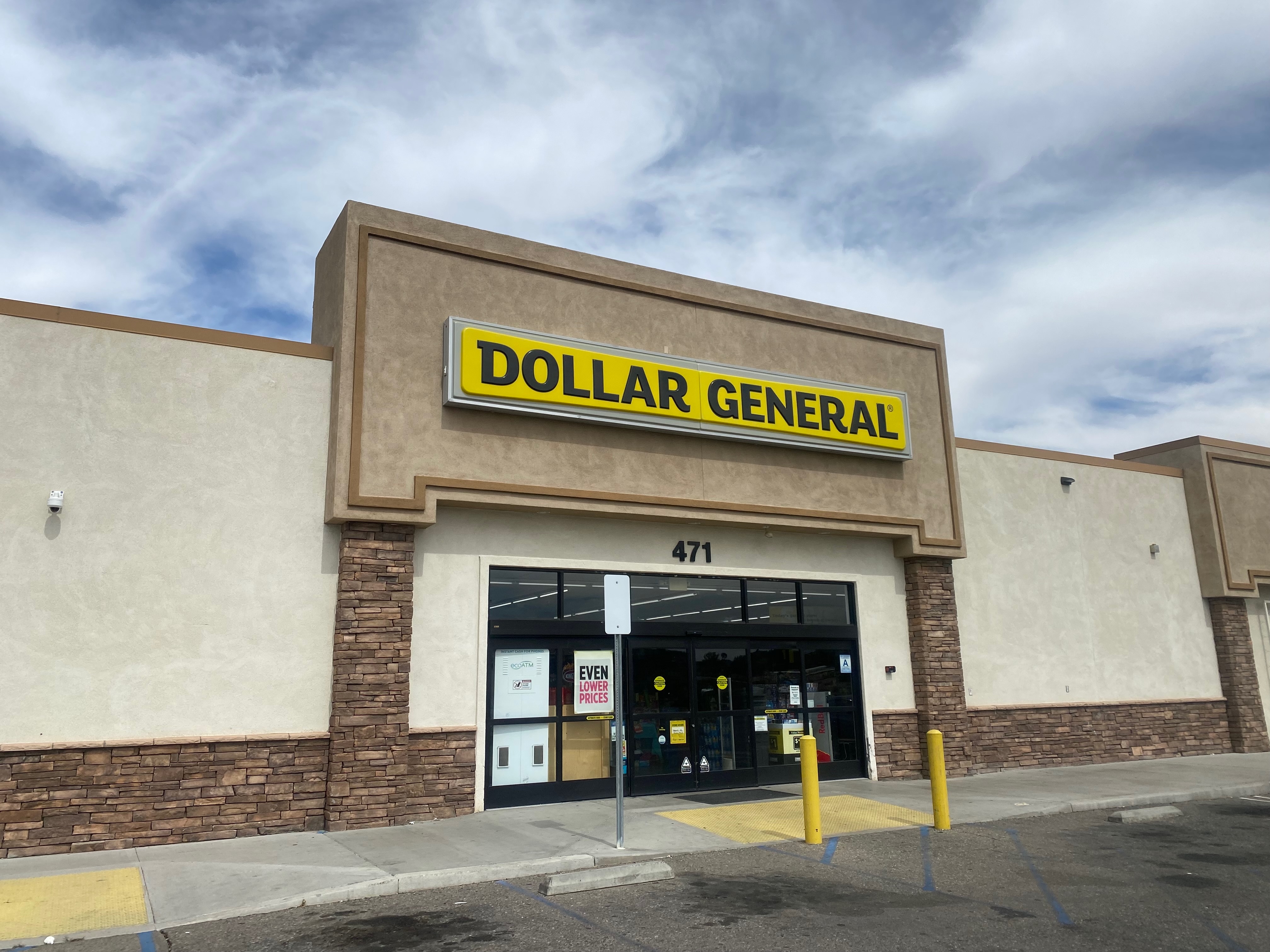
The Federal Trade Commission and 20 states sued Dollar General on October 26, 2026. The case is about prices at the checkout. It says shoppers paid more at the register than the price on the shelf.
Dollar General runs more than 21,000 stores across the United States. The company disputes the claims in the case. It says it will defend the case in court.
This article is for information only. It is not legal or financial advice.
What happened
The Federal Trade Commission is the FTC for short. The FTC is a US agency that protects shoppers. It joined 20 states in this case.
The case was filed in the US District Court for the Middle District of Tennessee. That court is in Tennessee. Dollar General is based in Tennessee, according to CBS News.
The main claim is simple to state. The shelf price and the register price should match. The case says they often did not match at Dollar General stores.
The case says the price on a shelf, a price tag, or an ad was lower. Then the price at the register was higher. Shoppers paid the higher price at checkout.
The FTC says this pattern lasted for years. It says the pattern affected millions of purchases across the country.
These are claims in the case. A court has not yet decided them.
The numbers in the complaint
The complaint gives a large complaint count. It says Dollar General got at least 29,265 complaints about marked prices. The complaints cover January 1, 2023 to March 31, 2026.
The complaints came from all 48 states where the chain runs stores. The complaints said the chain did not honor the marked price. That point comes from ConsumerAffairs, which read the complaint.
The complaint also gives two shopper examples. One shopper in Ohio reported milk marked at $3.95. The milk rang up at $4.25 at the register.
A second shopper in Massachusetts reported trail mix advertised for $2.75. The trail mix scanned at $5 at the register. The complaint says the wrong signs stayed up the next week.
These two examples are claims in the complaint. They are not court findings. They show the kind of price gap the case is about.
The case also says the total harm was large. It says shoppers lost millions of dollars in overcharges. It does not give one exact total in the reports we read.
Why the FTC says it matters
Dollar General sells low-cost food and home goods. Many shoppers use it for basic needs. A small price gap can add up fast on a tight budget.
The FTC says low-income shoppers feel this harm most. They plan each trip with care. They count on the shelf price to stay true at checkout.
Christopher Mufarrige leads the FTC Bureau of Consumer Protection. He said Dollar General had betrayed the trust of millions of shoppers. He said the harm hit people who struggle to make pay last.
The FTC also points to past cases. The complaint says Dollar General made seven pricing deals with six states. Those deals ran from 2019 to 2026.
The deals cost more than $6 million in penalties. That figure comes from ConsumerAffairs and Reuters, as reported by USA Today. Past deals did not end the problem, the case says.
The FTC says the chain knew about the price gaps. It says the chain failed to add strong safeguards. That claim is central to the case.
Which states joined the case
Twenty states joined the FTC in the case. The list comes from Fox Business and USA Today. The states are Alabama, Arizona, and Arkansas.
The list also includes California, Connecticut, and Florida. It includes Illinois, Iowa, and Kansas.
It includes Louisiana, Michigan, and Mississippi. It includes Nebraska, New Jersey, and North Carolina.
It also includes Ohio, Oklahoma, and Tennessee. The last three states are Utah, Wisconsin, and the state list is now full at 20.
Shoppers in other states can still read the case with care. The complaint says complaints came from all 48 states where the chain runs stores. That does not mean each state joined the case.
What Dollar General says
Dollar General disputes the claims in full. It says the case suggests it gave up its mission. It says that claim is not true.
The company says its goal is full price accuracy. It wants the shelf price and the register price to match in each store. It says occasional gaps can still happen.
Store teams are told to fix gaps for shoppers, the company says. Teams are empowered to make things right at the store. That is the company position in its statement.
The company says it learned of the FTC probe in early February 2026. It says it worked with the FTC in good faith. It gave sworn testimony from company staff.
It says it then got a draft complaint and a draft deal. It says the money demand in that draft was far too high. It says the demand did not match a fair count of price gaps.
The company says it made a counteroffer for a money deal. The FTC then filed the case. Dollar General says it will defend the case with vigor.
What happens next
The case now moves through the court process. No trial date was given in the reports we read. No hearing date was given either.
The FTC and the states seek a permanent injunction. An injunction is a court order to stop a practice. They also seek money relief and state penalties.
USA Today reports one key limit. The FTC did not say if shoppers will get money back. It did not say when any payout could happen.
Shoppers should not expect a payout soon. Court cases can take a long time. The claims must first be tested in court.
The case could also end in a deal. Dollar General says it stays open to a fair resolution. It also says it will fight the case at the same time.
What shoppers can check now
A shopper can check the receipt before leaving the store. That check is easiest while still in the store. A gap is simpler to fix on the spot.
A photo of the shelf label can help. A photo of a sale sign can help too. The photo shows the price the shopper saw.
If the register price is higher, ask staff to fix it. Dollar General says staff should make things right. Keep the receipt if the issue stays unsolved.
Shoppers can report a lasting problem to their state consumer office. They can also report it on the FTC fraud report site.
ConsumerAffairs lists both routes for shoppers.
Checkout costs can surprise shoppers in other ways too. Some shops add a fee for card payments. A receipt can also show a balance that looks wrong, as in this guide to ATM receipts.
Price labels matter when you compare deals in any store. The same care helps when you check duty-free prices against street prices on a trip.
Why this case is being watched
Price trust is the core of a discount store. Shoppers pick a discount store to save money. A wrong price breaks that trust at once.
The case tests a basic rule for retail. The price you see should be the price you pay. The court will test if Dollar General broke that rule at scale.
The FTC case also follows years of smaller deals. Six states made pricing deals with the chain since 2019. The new case is far larger than those deals.
For now, the facts are claims, not findings. The FTC and the states must prove their case. Dollar General will present its own defense.
Shoppers can watch the court case for the next step. They can also check each receipt in the meantime. A quick check costs little time and can catch a gap early.
Related stories
How your APR is divided by 365 to get daily interest
Lenders divide your APR by 365 for a daily rate, then apply it to your average daily balance. This guide walks through every step
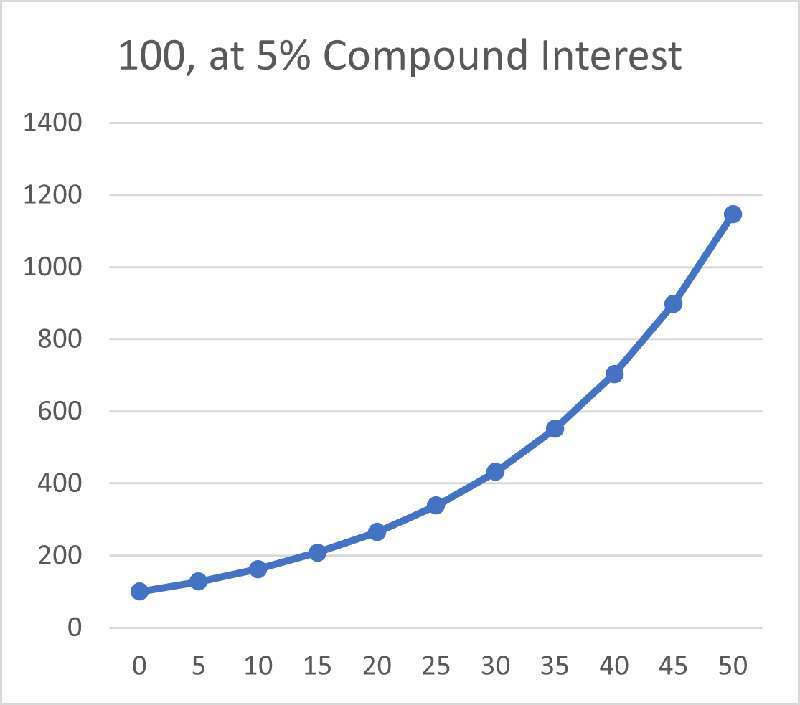
What is the difference between APR and effective annual rate?
APR ignores compounding inside the year; the effective annual rate includes it. A 12.99% APR card really costs 13.80% a year. Worked
APY vs interest rate: what compounding does to your money
APY includes compounding; the interest rate does not. A 5% rate compounded monthly is really 5.12% APY. Here is how the math works and what