
Dublin Marathon 2026 faces strong winds as 22,500 runners race today
Web StoryWatch this story in 15 seconds →Key takeaways
- 22,500 runners race the 2026 Dublin Marathon in Ireland today, on Sunday.
- The race starts at 8:45 in the morning, with later waves at 9:05, 9:25, and 9:45 in the morning.
- Strong wind from Storm Boelo is the big race-day test, with gusts up to 70 km per hour forecast.
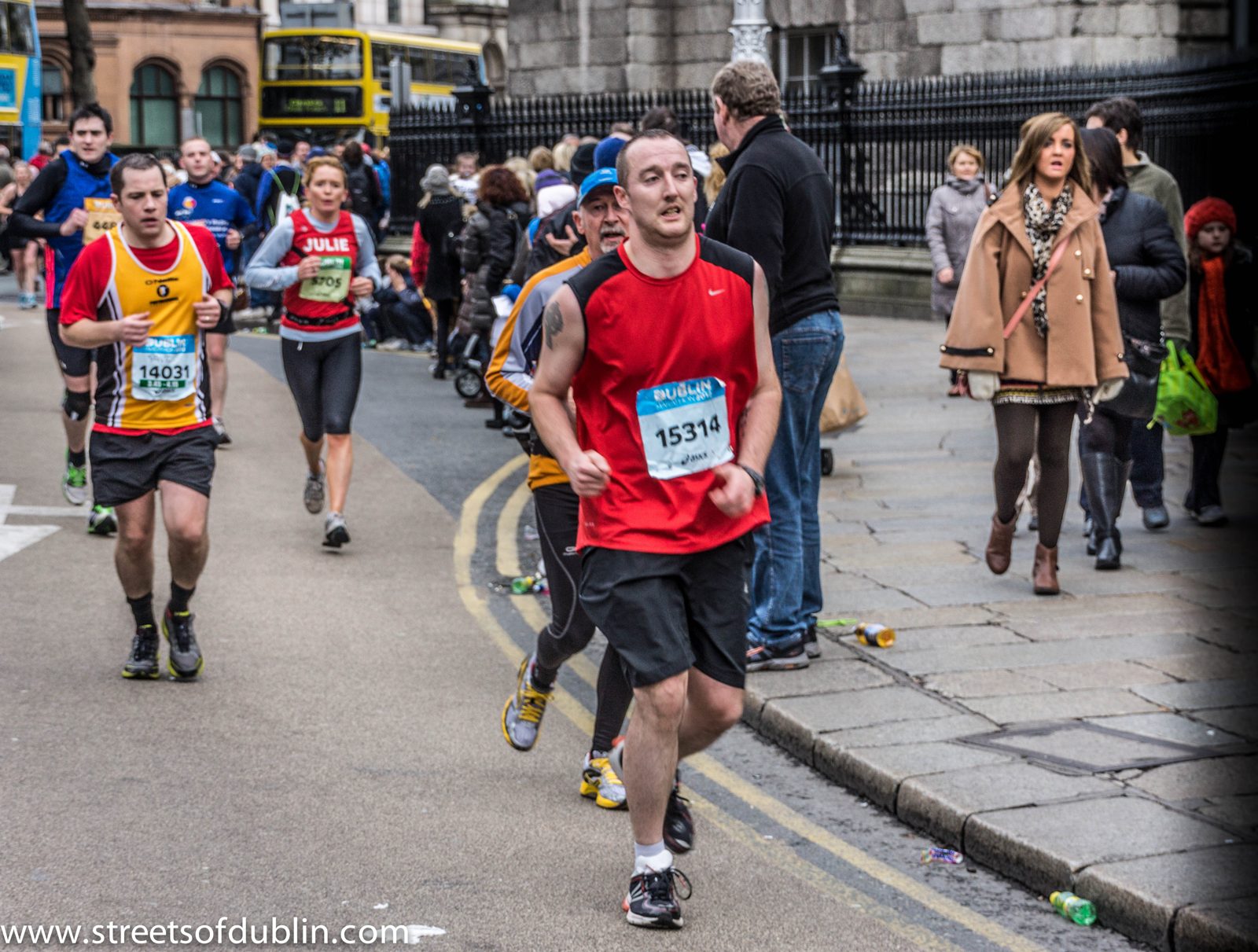
The 2026 Dublin Marathon takes place in Ireland today. About 22,500 runners will cover a 42.2 km course through Dublin streets. Strong wind is the main challenge they face on the course.
The race is the Irish Life Dublin Marathon. It starts at 8:45 in the morning Dublin time. Runners set off in waves to keep the start safe and smooth.
What happened
Storm Boelo hit Ireland in the days before the race. Storm Austen also caused trouble across Ireland and Britain. The two storms made race week rough for runners and fans.
Race day itself looks calmer than many people feared. Race director Jim Aughney said there is a break in the weather. He said runners should have a good day on Sunday.
The wind is still a real factor on the course. Carlow Weather forecaster Alan O'Reilly forecast steady west winds of 35 to 40 km per hour. He said gusts could reach 70 km per hour during the race.
MeteoPace gave a similar race-day forecast. It put the wind at about 41 km per hour. It put gusts near 75 km per hour at the start.
Sunny spells are also in the forecast. Daytime temperatures should sit between 7 and 9 degrees Celsius. The wind chill could make it feel colder than that.
The route runners face
The race starts on Leeson Street Lower in Dublin. It finishes on Mount Street Upper in Dublin. The course is 42.2 km long from start to finish.
The route passes famous Dublin landmarks. Runners pass Saint Stephen's Green early in the race. They also pass Saint Patrick's Cathedral and Phoenix Park.
Kilmainham Gaol is another landmark on the route. The course is rolling rather than flat. MeteoPace put total climbing at about 161 metres.
There are 15 support zones along the course. Fans can cheer runners at these marked spots. Phoenix Monument at 5 miles is one popular zone.
KCR Garage at 17 miles is another support zone. Roebuck Road at 21.5 miles is the last big cheer spot. Fans near the finish have two viewing points to pick from.
One viewing point is on Herbert Street on the south side. The other is on Stephen's Lane on the north side. Both give a clear view of the finish area.
Why the wind matters
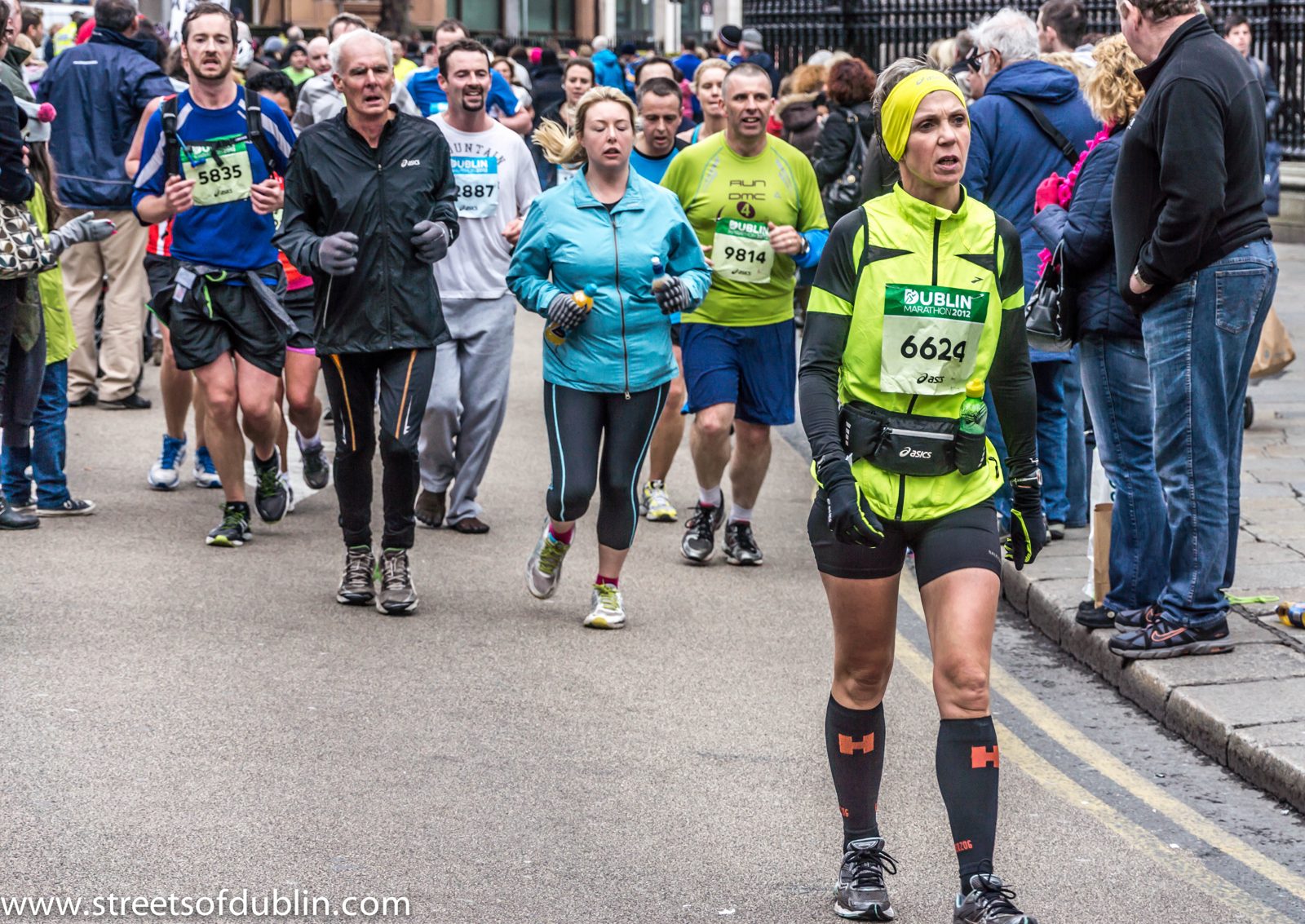
Wind changes how a marathon feels for runners. A headwind early in the race costs extra energy. Runners face a headwind on the opening stretch toward Phoenix Park.
The wind then turns in their favour later on. Runners get the wind at their backs in parts of the second half. Smart pacing matters more on a windy day like this.
Runners should start a little slower than planned. A fast start in a headwind can hurt later in the race. Saving energy early leaves more for the last 10 km.
Warm clothes matter before and after the race. Race organisers told runners to bring layers for the start. They also told runners to have warm, dry clothes ready at the finish.
Runners should follow official race channels for updates. Organisers, stewards, and marshals give instructions on the day. Weather can still shift during a long race morning.
Good breathing technique helps runners stay calm in tough conditions. Steady breathing keeps effort even when the wind pushes back. It is a simple skill that pays off over 42.2 km.
Travel and road closures
Road closures are in place across Dublin on race day. Course setup began on Friday, two days before the race. The closures let crews set up the course safely.
Public transport is also affected during the race. The DART train service faces disruption from engineering works. The Luas Red Line has a partial closure during the race.
No Luas Red Line trains run between Heuston and Connolly. Fans should plan extra time for every trip. Walking may be faster than driving near the course.
Clocks went back one hour at 2 in the morning on Sunday. Runners got an extra hour of sleep before race day. Race organisers still told runners to set alarms with care.
The charity story behind the race
Charity is a huge part of the Dublin Marathon. The charity run began in 2022 and still grows each year. The event has raised over 9 million euros a year in recent years.
This year, runners raised 1 million euros in just three months. That fundraising happened before race day even started. A total of 208 groups take part in the charity programme.
About 110 of those groups are Irish groups. Each runner has a personal reason to run. Many run for a charity close to their heart.
Long runs test the body in simple ways. Heavy legs are a common problem late in a race. Our guide explains why legs feel heavy during a run and how to cope with it.
Hands can also swell during a long run. That problem is common and mostly harmless. Our guide explains why hands swell on long runs and when to seek help.
What happens next
The race runs through Sunday morning in Dublin. The first wave starts at 8:45 in the morning. Later waves follow at 9:05, 9:25, and 9:45 in the morning.
Runners will reach the finish on Mount Street Upper through the day. Race results will follow once runners cross the line. The wind will shape many finish times today.
The Dublin Marathon is one of Ireland's biggest sporting days. Thousands of fans line the streets each year. Today is no different, even with the wind.
Runners who pace well will enjoy the second half. The wind at their backs should help tired legs. A steady finish in Dublin is a prize in itself.
Related stories

How long does it really take to build noticeable muscle?
Strength gains start in week one, but visible muscle takes 8-12 weeks for most beginners. What the Oklahoma CT-scan study measured,

Why you feel dizzy after a workout: the 5 common causes
Post-workout dizziness usually comes from a blood pressure dip, dehydration, or low blood sugar. The numbers behind each cause, and when
Why Do Knees Hurt When Squatting but Not Running?
Knees hurt when squatting but not running because deep bends multiply force on the kneecap. Learn the mechanics, common causes, fixes,