
Why Do Your Hands Swell During Long Runs?
Key takeaways
- Swollen hands on long runs are common and usually harmless, caused by blood flow shifts and heat.
- Gravity and idle hand muscles let fluid pool in the fingers while the legs do the work.
- Swelling plus confusion, vomiting, or nausea can signal low blood sodium, which needs urgent care.
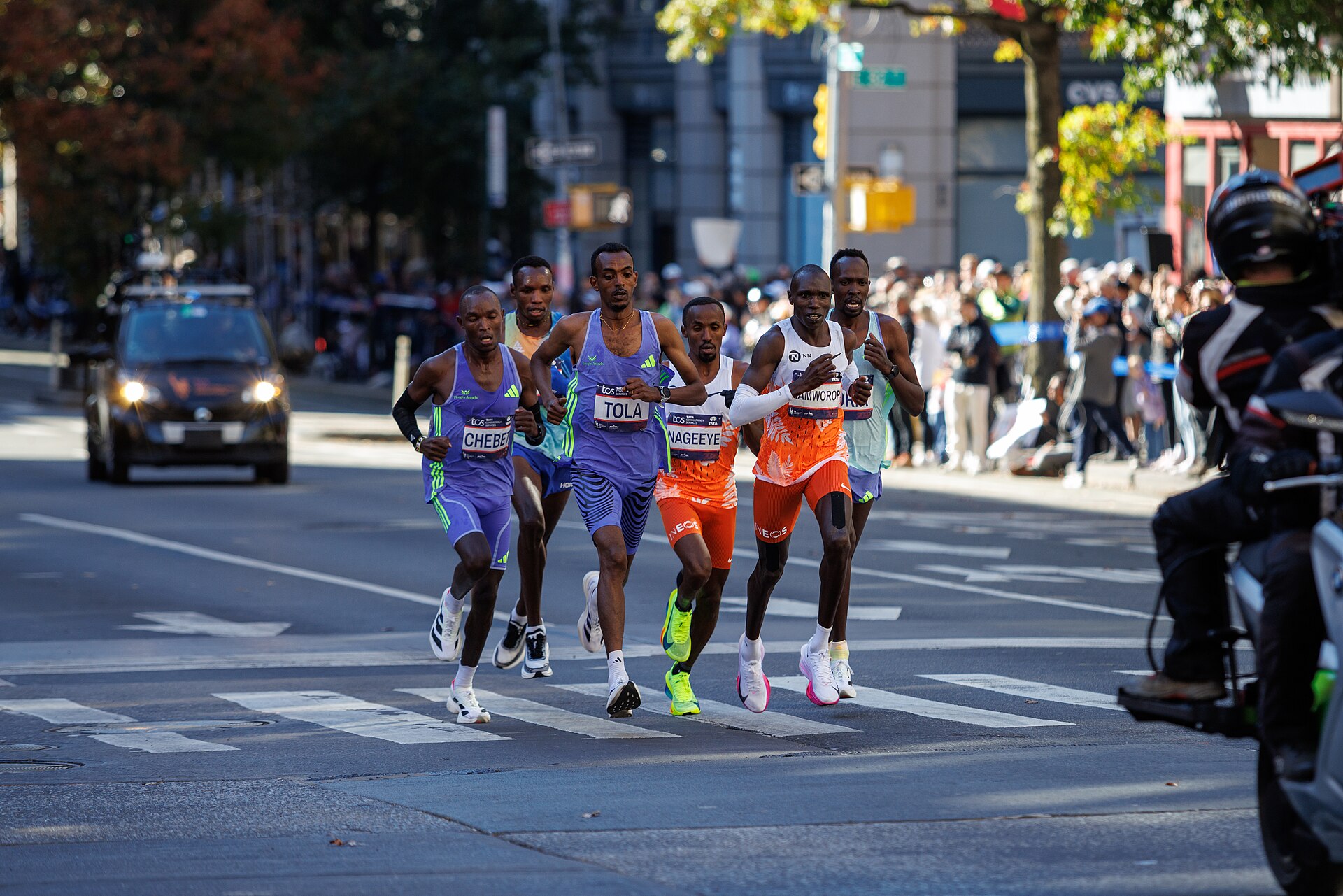
You finish a long run and your wedding ring feels tight. Your fingers look puffy, and your hands feel stiff when you try to make a fist. The swelling fades within an hour, and you wonder whether something went wrong.
This article explains why your hands swell during long runs, including blood flow changes, heat, gravity, and idle hand muscles. It also covers the rare warning sign of low blood sodium, what helps during a run, and when to seek care.
What happens to your hands on a long run
Hand swelling during exercise is a fairly common problem. Mayo Clinic physician Edward Laskowski has said the cause is not completely clear, but it appears tied to how the body and blood vessels respond to the energy demands of working muscles.
Your legs do most of the work on a run. Your hands mostly swing at your sides. That mismatch sets up the swelling.
The swelling is usually mild and temporary. It often clears soon after you stop running and move your hands normally again.
Why blood flow shifts away from your hands
Exercise sends more blood to your heart, lungs, and working muscles. That shift can reduce blood flow to your hands, which makes them cooler.
In response, the blood vessels in your hands may open wider. This widening is called vasodilation, and it can lead to swelling.
As you keep running, your muscles generate heat. Your system then pushes blood to vessels near the surface of your body to release that heat. This response triggers sweating, and it may also add to hand swelling.
So the same cooling system that keeps you from overheating can leave your fingers puffy. The body is trading a small amount of hand comfort for temperature control.
Heat and gravity add to the problem
Warm weather makes the effect stronger. On a hot day, your body sends even more blood toward the skin to shed heat. Your hands sit at the end of that circuit.
Gravity adds a second pull. Your hands hang below your heart for most of a run. Blood and fluid must travel back uphill to return to the heart.
That return trip depends on muscle contractions. Your leg muscles squeeze veins with every stride and help push blood back up. Your hand muscles stay mostly relaxed while you run, so fluid pools more easily in the fingers.
This is one reason hikers report the same problem. Their legs work hard while their hands swing gently at their sides, and the same pooling shows up.
The backpack factor
A heavy or poorly fitted pack can make hand swelling worse. Research reported by Science Daily found that even a backpack weighing only 10 percent of body weight can obstruct blood flow to the arms and hands.
Poor circulation can cause fluid to pool, a condition known as edema. If you run with a hydration vest or pack, check the fit.
The straps should sit so the weight rides on your torso without pinching the shoulders. A pack that digs into the shoulders can restrict the same vessels your hands depend on.
The rare warning sign: low blood sodium
Most hand swelling on runs is harmless. One exception deserves attention. Endurance athletes can develop hyponatremia, an abnormally low level of sodium in the blood.
Swollen fingers and hands may be a sign of hyponatremia. Laskowski has noted that other signs, such as confusion and vomiting, are more prominent than swelling. Drinking too much water, especially during a marathon or similar long event, can dilute blood sodium to a dangerous level.
Exercise-associated hyponatremia is defined by a blood sodium level below 135 millimoles per liter. It can develop during or up to 24 hours after prolonged activity, according to a review of the condition.
The numbers show it is uncommon but real. In one study, 13 percent of runners in the 2002 Boston Marathon had the condition, and most cases were mild. Eight deaths from exercise-associated hyponatremia have been documented since 1985.
Do not try to treat suspected hyponatremia on your own. Hyponatremia requires immediate medical attention, so seek emergency care if swelling comes with confusion, nausea, vomiting, headache, or unusual drowsiness.
What helps during a run
There is no proven way to prevent or reduce most exercise-related hand swelling. A few simple habits may ease the discomfort, according to Mayo Clinic guidance shared by Laskowski.
Remove your rings and loosen your watchband before exercise. Tight bands trap swelling and make it feel worse.
Perform occasional forward and backward arm circles during exercise. The movement helps push fluid back toward the heart.
Stretch your fingers wide and then make fists several times during exercise. Each squeeze works like a small pump for the hand.
Trekking poles help hikers for the same reason. They keep the arms working, which keeps the muscle pump active. Runners can get a similar effect by pumping the arms and opening and closing the hands every few minutes.

Drinking: thirst is a useful guide
Overdrinking is a common mistake in endurance events. Many runners drink on a fixed schedule and take in more fluid than their kidneys can clear.
The Third International Exercise-Associated Hyponatremia Consensus Development Conference concluded that drinking according to thirst is enough to prevent both dehydration and hyponatremia. Thirst is not perfect, but it is a better guide than forcing fluids.
A practical approach is to drink when thirsty and stop when you feel sloshy or bloated. Salty food after a long run can help replace sodium lost in sweat, but it is not a treatment for hyponatremia.
If you gain weight during a race, that is a warning sign. Weight gain during exercise usually means fluid retention, not fitness.
When to seek care
Seek prompt care if swelling comes with confusion, vomiting, severe headache, trouble breathing, or fainting. Those symptoms point past ordinary swelling.
See a clinician soon if swelling is new, severe, or affects only one hand. One-sided swelling can have a different cause, such as an injury or a circulation problem.
Also get checked if swelling does not fade after rest, or if it keeps returning with joint pain. A clinician can check for causes such as arthritis or a heart or vessel problem.
This article is for general information, not medical advice. It cannot replace an exam, and it does not diagnose any condition.
How this connects to other workout symptoms
Hand swelling often travels with other endurance complaints. Runners who overheat may also feel sick to the stomach during hard efforts, and the causes overlap. You can read more about why you feel nauseous during intense workouts and how heat and effort strain the body.
For general training load, see why some people build muscle faster than others.
FAQ
Is hand swelling during a long run normal?
Yes, in most cases. Mild swelling that fades after the run is common and usually harmless. It reflects blood flow shifts, heat, and gravity.
Does hand swelling mean I drank too much water?
Not usually. Ordinary swelling is more often caused by blood vessel widening and fluid pooling. Overdrinking becomes a concern when swelling comes with confusion, nausea, or vomiting.
Should I take salt tablets to stop hand swelling?
Salt tablets are not a proven fix for ordinary hand swelling. They do not address the blood flow and gravity causes. Talk to a clinician before using salt tablets, since excess sodium carries its own risks.
Will hand swelling go away if I get fitter?
It may lessen, but fitness does not remove it entirely. Even experienced runners report puffy hands on long, hot runs. The arm circles and fist pumps help at any fitness level.
Outlook
Swollen hands on a long run look alarming, but they are usually a normal side effect of hard exercise. Blood shifts to working muscles, heat pushes blood to the skin, and gravity lets fluid pool in idle hands. Simple habits such as removing rings, circling the arms, and pumping the fists can ease the discomfort.
Watch for the exception. Swelling plus confusion, vomiting, or severe headache is a medical emergency, not ordinary puffiness. Learn the difference, drink to thirst, and let a clinician sort out anything that does not fade after rest.
Tags: running, hand swelling, endurance, exercise
Latest in Fitness
- Why do you feel nauseous during intense workouts?
- How does caffeine improve workout performance?
- Why does stretching feel different before vs after a workout?
Subscribe for one practical fitness explainer each week.
Related stories

How long does it really take to build noticeable muscle?
Strength gains start in week one, but visible muscle takes 8-12 weeks for most beginners. What the Oklahoma CT-scan study measured,

Why you feel dizzy after a workout: the 5 common causes
Post-workout dizziness usually comes from a blood pressure dip, dehydration, or low blood sugar. The numbers behind each cause, and when

Why Do Knees Hurt When Squatting but Not Running?
Knees hurt when squatting but not running because deep bends multiply force on the kneecap. Learn the mechanics, common causes, fixes,