
Why You Feel Nauseous During Intense Workouts and How to Stop It
Key takeaways
- Hard exercise diverts blood from the gut to working muscles, which slows digestion and triggers nausea.
- Eating too close to training, heat, dehydration, and going too hard too fast all make nausea more likely.
- A proper warm-up, smart meal timing, and steady pacing prevent most cases.
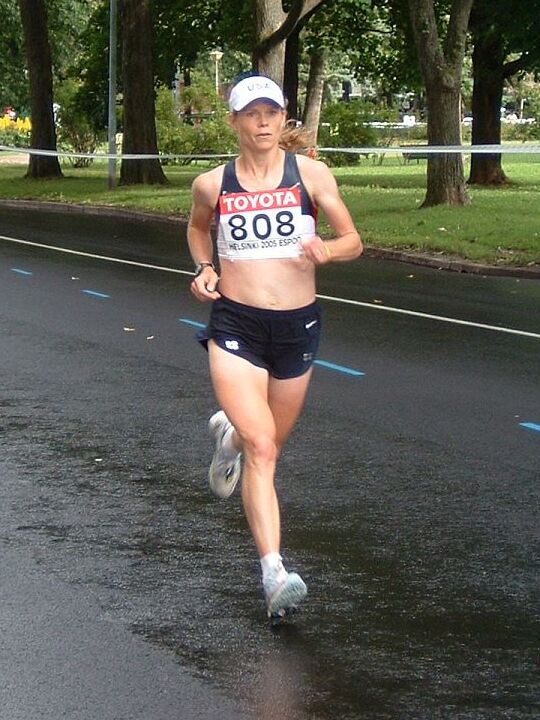
You are halfway through a hard session when your stomach turns. The effort that felt fine a minute ago now feels like too much, and the only thing you want is to stop.
You are not alone, and you are probably not sick. Exercise-induced nausea is one of the most common complaints in training.
This article explains why intense workouts make people nauseous, which triggers matter most, and what actually helps. This article is for general information, not medical advice.
The main cause: blood leaves the gut
When you exercise hard, your muscles, heart, lungs, and brain all demand more oxygen. Your body answers by redirecting blood toward them.
Blood flow to less active tissues, including the gastrointestinal tract, drops. Even if your stomach is still digesting a meal, it gets less blood, less oxygen, and fewer nutrients.
That drop has consequences. Digestion slows. Food sits in the stomach longer.
The intestinal nerves sense the change and send signals that the brain reads as nausea. ScienceAlert describes this conflict between tissues demanding oxygen as a likely reason nausea happens during or after a workout.
Maxine Yeung, a dietitian and certified personal trainer, explained the same mechanism to Health: less blood, oxygen, and nutrients flow to the stomach and digestive tract during hard exercise, which can slow digestion and contribute to symptoms like nausea, bloating, cramping, vomiting, and diarrhea. As long as you keep working at least moderately hard, gut blood flow keeps dropping the longer you go, which helps explain why nausea can get worse in long sessions.
The effect scales with intensity. Easy exercise barely disturbs the gut.
Hard intervals, sprints, all-out efforts, and sessions with short rest periods redirect the most blood. Running, swimming, cycling, rowing, and HIIT can all trigger it, because all of them can push intensity high enough to starve the gut of blood.
Why some workouts trigger it more than others
Overexertion is one of the key drivers. Yeung told Health that almost any type of exercise can cause nausea if the body is not prepared for that intensity or duration. Workouts that push you to the limit are the most likely culprits: sprints, high-intensity intervals, all-out efforts, and short recovery periods.
Running adds a second problem on top of blood diversion. High-impact activity jostles the stomach with every step.
Yeung explained that the repeated up-and-down motion increases pressure inside the abdomen, compressing the stomach and intestines and triggering nausea and other gut symptoms. That is one reason runners report nausea more often than cyclists or swimmers doing similar efforts.
Squatting and heavy lifting can compress the gut another way. ScienceAlert notes that the diaphragm pushes down harder on the abdominal organs as breathing deepens, and the abdominal wall muscles squeeze them further with every breath. The result can be significant nausea and even vomiting, even on an empty stomach.
Fitness level matters. A body that is not used to hard intervals copes worse with the sudden shift in blood flow.
A trained athlete handles the same effort with less distress. One trainer quoted by Mic put it plainly: the more high-intensity interval training you do, the better your body becomes at using lactate as fuel, so it does not build up as quickly and you are less likely to feel nauseous.
Food, drink, and timing
What you eat before training matters as much as how hard you train. A study of 20 volunteers at Nagoya University in Japan found that exercise-induced nausea was exaggerated by eating.
A full stomach plus reduced gut blood flow is a bad combination. Food sits, churns, and complains.
The standard advice is to finish large meals two to three hours before exercising, according to Verywell Health. A light snack 30 to 60 minutes before a session is usually fine. Around 30 minutes before a workout, carbohydrates and fluid are a better choice than high-fat or protein-rich foods, because carbohydrates are the body's preferred energy source.
Drinking too little is also a problem. Dehydration is a very common cause of nausea, especially during longer sessions, in hot weather, or for heavy sweaters, Yeung told Health. Dehydration may trigger the release of arginine vasopressin, a hormone that helps maintain fluid balance but can also evoke feelings of nausea.
Drinking too much water is the opposite trap. Excessive water during extreme exercise dilutes electrolyte levels in the body, causing hyponatremia, or low blood sodium. Nausea is a symptom of hyponatremia.
During long endurance sessions, electrolytes matter as much as water, which is why sports drinks exist. For sessions under an hour, plain water is usually enough.
Sports drinks and energy gels can also backfire. Some people react to the sugars, such as fructose or lactose, or to other ingredients in them.
If nausea shows up only when you use a particular product, the product itself may be the trigger. Switching to a simpler option, or to water and real food, can settle it.
Heat makes everything worse
Exercise produces internal heat, and the body works hard to dump it. In hot, humid weather, the cooling system strains further.
More blood is sent to the skin to release heat, which means even less reaches the gut. That shift in blood flow can cause nausea or vomiting.
Sweating in the heat also accelerates fluid loss, which deepens dehydration and further cuts gut blood flow. Together, heat and dehydration explain why a workout that feels fine in cool weather can make you sick on a hot day.
The fix is straightforward. Avoid hard outdoor sessions when temperatures, humidity, or the UV index are high. If you must train in the heat, slow the pace, take longer rests, and drink on a schedule rather than waiting for thirst.
Shade and airflow help. So does wearing light clothing that lets sweat evaporate.

How common is it
Exercise nausea is not rare, and it is not a sign of weakness. It is a normal response of a body pushed hard, and it shows up across sports and fitness levels.
ScienceAlert notes that the upset stomach feeling potentially affects up to 90 percent of endurance athletes, a figure that shows how common the issue becomes in longer, harder events. The exact number varies by study and definition, but the direction is clear: the longer and harder the effort, the more likely the gut is to protest.
Occasional nausea after a hard session is usually nothing to worry about. Frequent nausea, vomiting, chest pain, fainting, or nausea that appears during easy exercise is different. Those symptoms deserve a conversation with a doctor.
So does nausea paired with blood in vomit or stool, black stools, or symptoms that keep getting worse over weeks. This article is general information, not a substitute for medical advice, and a professional should evaluate anything that worries you.
What actually helps
Most cases of workout nausea respond to a few practical changes. None of them require supplements or special gear.
Warm up properly. Going from zero to full effort shocks the system.
A trainer quoted by Mic recommended warming up for at least five to ten minutes before an hour-long HIIT session, saying you cannot really overdo the warm-up. A gradual warm-up raises core temperature, moves blood to the muscles slowly, and primes the body for intensity instead of ambushing it.
Time your meals. Finish large meals two to three hours before training.
Keep pre-workout snacks small, familiar, and rich in carbohydrates rather than fat or protein. Avoid trying new foods on the day of a hard session.
Pace yourself. Nausea often means the effort is beyond what your body is ready for that day.
Slow down, extend rest periods, or split the session. Fitness builds gradually, and a session you can finish beats a session that ends with you bent over.
Manage heat and fluids. Drink steadily, replace electrolytes on long sessions, and back off in hot weather.
Do not force huge volumes of water. Sip, and match intake to sweat loss.
Cool down instead of stopping dead. Ending a hard session abruptly can also trigger nausea. A few minutes of easy movement lets blood flow return to normal gradually instead of all at once.
Choose lower-impact options when needed. If running reliably makes you nauseous, cycling, swimming, rowing, or the elliptical deliver the same fitness with less stomach jostling.
You do not have to give up running forever. Use low-impact sessions while your fitness and gut tolerance build, then reintroduce running gradually.

FAQ
Why do I feel nauseous during HIIT but not easy workouts?
HIIT pushes intensity high enough to divert a large share of blood from the gut to the muscles. Easy workouts do not redirect nearly as much blood, so digestion continues normally and nausea stays away.
Is it normal to vomit during a workout?
Vomiting happens, especially after all-out efforts, but it is a sign the effort exceeded what the body could handle that day. Occasional vomiting after a maximal effort is not unusual. Frequent vomiting, or vomiting during easy exercise, should be checked by a doctor.
Should I eat before a workout if it makes me nauseous?
You still need fuel, but timing and size matter. Finish large meals two to three hours before training, and keep pre-workout snacks small and rich in carbohydrates. Experiment with timing to find the window that works for you.
Does drinking water during a workout cause nausea?
Drinking too much water too fast can cause nausea, and so can dehydration. Sip steadily rather than gulping large amounts. On long sessions, include electrolytes, since water alone can dilute blood sodium.
Why do I feel nauseous after a workout, not during it?
Blood flow shifts back to the gut after exercise, and digestion restarts while the body is still recovering. The after-effects of heat, dehydration, and accumulated lactate can keep nausea going for a while after you stop. A gradual cool-down and steady fluids help.
Outlook
Nausea during intense workouts is usually a sign that the gut lost the competition for blood, not a sign that something is broken. Blood diversion, meal timing, heat, dehydration, and going too hard too fast explain most cases. The fixes are practical: warm up, time your meals, pace the session, manage heat and fluids, and cool down gradually.
If nausea is frequent, severe, or shows up during easy exercise, see a doctor. For everyone else, a little patience and a few adjustments usually settle the stomach and let the training continue.
Tags: workouts, nausea, training, exercise
Latest in Fitness
- How Caffeine Improves Workout Performance and When It Helps Most
- Why Do Your Hands Swell During Long Runs
- What Is Rhabdomyolysis in Simple Terms
- Why Does Stretching Feel Different Before vs After a Workout
Subscribe for one practical fitness explainer in your inbox each week.
Related stories

How long does it really take to build noticeable muscle?
Strength gains start in week one, but visible muscle takes 8-12 weeks for most beginners. What the Oklahoma CT-scan study measured,

Why you feel dizzy after a workout: the 5 common causes
Post-workout dizziness usually comes from a blood pressure dip, dehydration, or low blood sugar. The numbers behind each cause, and when

Why Do Knees Hurt When Squatting but Not Running?
Knees hurt when squatting but not running because deep bends multiply force on the kneecap. Learn the mechanics, common causes, fixes,