
What Is Rhabdomyolysis in Simple Terms and Warning Signs?
Key takeaways
- Rhabdomyolysis is rapid muscle breakdown that leaks harmful substances into the blood.
- The warning signs are severe muscle pain, weakness, and dark or cola colored urine.
- It is a medical emergency, and fast treatment with IV fluids can protect the kidneys.
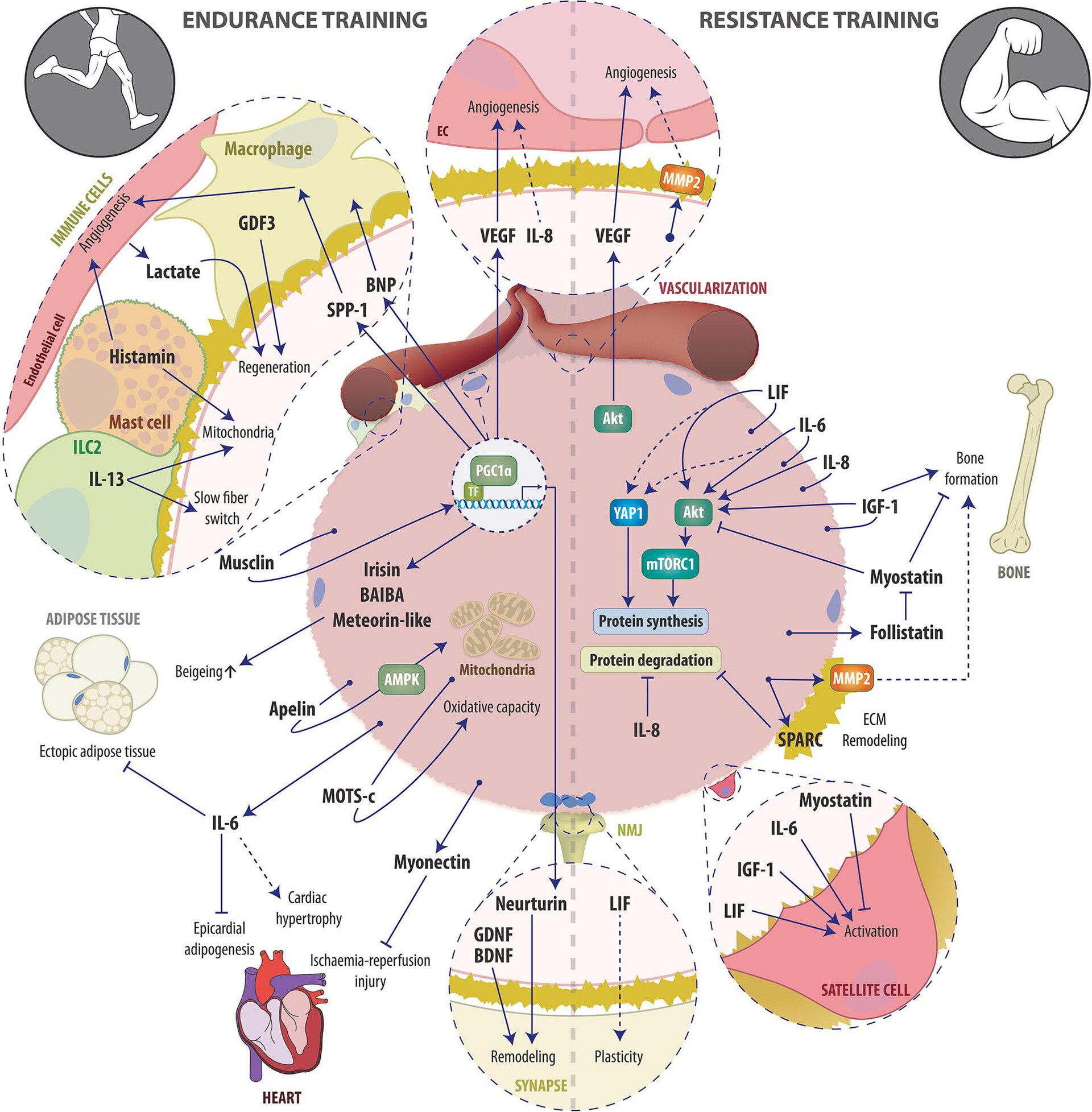
Rhabdomyolysis is a mouthful of a word for a simple idea. Muscle tissue breaks down fast, and the contents of the damaged muscle leak into the bloodstream. Those contents can harm the kidneys and other organs.
Think of a muscle cell as a sealed bag. When the bag tears open on a large scale, everything inside spills out at once. The kidneys then have to filter that spill, and they can get clogged or damaged in the process.
This article explains what rhabdomyolysis is in simple terms, including what causes it, the warning signs, how doctors diagnose it, and how it is treated.
What rhabdomyolysis means in plain words
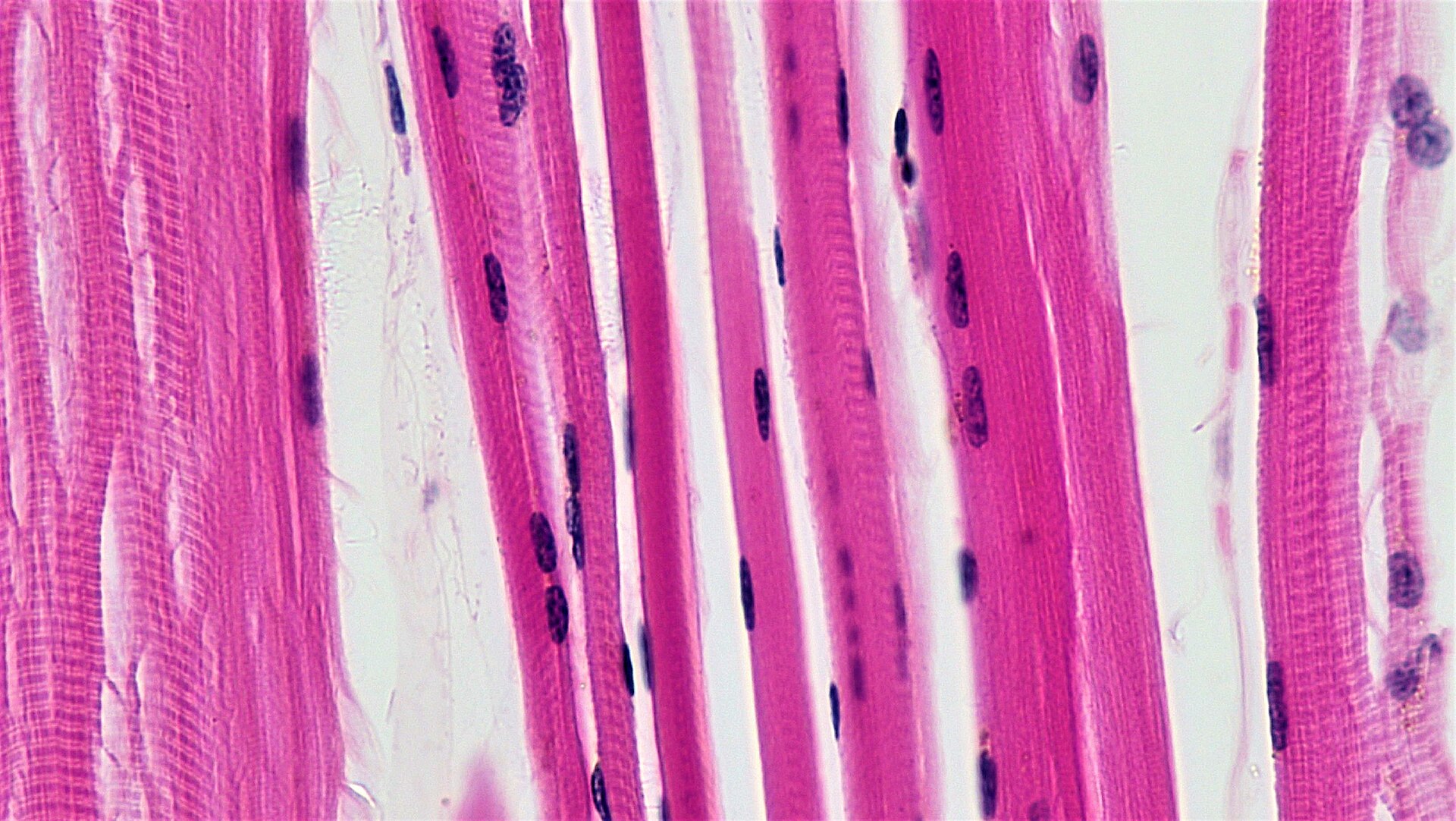
The name breaks into parts. "Rhabdo" refers to striped muscle, which is the skeletal muscle that moves your body.
"Myo" means muscle, and "lysis" means breaking apart. Put together, the word means striped muscle breaking apart.
In a healthy body, muscle cells hold their contents inside. In rhabdomyolysis, injured muscle cells release potassium, phosphate, creatine kinase, and a protein called myoglobin into the blood, according to Drugs.
com. Large amounts of these substances may damage the kidneys and other organs.
Myoglobin is the biggest concern. It is a protein that stores oxygen inside muscle.
When it reaches the kidneys, it can block the tiny tubes within them, according to Mayo Clinic. That blockage can lead to serious kidney damage and, in some cases, kidney failure.
Damaged muscle also holds on to fluid. Mayo Clinic explains that a severely damaged muscle often retains a large amount of fluid from the blood. That lowers the body's fluid supply and reduces blood flow to the kidneys, which can cause further kidney damage.
What causes it
Rhabdomyolysis has many causes. They fall into two broad groups: direct muscle injury and extreme strain without a single blow.
Direct injury causes include crush injuries from vehicle accidents or building collapses. Long-lasting muscle compression can also trigger it, such as lying unconscious on a hard surface for hours. Electrical shock, lightning strikes, third-degree burns, and venom from snake or insect bites are other traumatic causes listed by WebMD.
Strain causes are more familiar to exercisers. Extreme muscle strain can trigger rhabdomyolysis, especially in people who exercise regularly with a body mass index over 30, whether from being overweight or very muscular. WebMD notes it can happen in elite athletes too, and it can be more dangerous when there is more muscle mass to break down.
Heat is another trigger. A very high body temperature or heat stroke raises the risk. Outdoor workers in hot weather face higher risk, including construction workers, military service members, farmers, firefighters, and first responders.
Medicines and substances can also play a role. Mayo Clinic notes that cholesterol lowering statin medicines have been linked to rhabdomyolysis, although this side effect is uncommon.
Excessive alcohol use and overdoses of drugs such as cocaine, heroin, and amphetamines may cause the severe muscle damage that triggers the condition. Some nutritional supplements and performance enhancing drugs have also been associated with it.
Other causes include seizures, infections such as the flu or COVID-19, and muscle diseases such as Duchenne muscular dystrophy. A previous episode of rhabdomyolysis also raises the risk of having it again.
Who is at risk in the gym
Athletes who push beyond their physical limits are at particular risk, according to Mayo Clinic. People who lift weights may develop rhabdomyolysis if they lift more than their muscles can handle. The risk grows higher if they lift in a confined space with poor ventilation where they can become dehydrated.
Marathon runners face risk too. Mayo Clinic reports that some studies have shown kidney function can drop by almost 60 percent at the end of a marathon. Many runners also experience profound dehydration, which can quickly lead to full-blown rhabdomyolysis.
Doctors have also seen a rise in cases linked to extreme exercise, according to WebMD. The report names high-intensity interval training, spinning, CrossFit, and ultrarunning as activities behind the uptick.
The pattern is consistent. A sudden jump in intensity, a return after a long break, heat, and dehydration together create the worst conditions. A workout that is hard but familiar is far less risky than a brutal first session after months off.
The warning signs: the classic triad
The classic triad of rhabdomyolysis symptoms has three parts, according to WebMD. They are muscle pain in the shoulders, thighs, or lower back, muscle weakness or trouble moving the arms and legs, and dark red or brown urine or decreased urination.
One catch matters. Half of people with the condition may have no muscle-related symptoms at all. The absence of pain does not rule it out.
Other common signs include abdominal pain, nausea or vomiting, fever, rapid heart rate, confusion, dehydration, and loss of consciousness. Symptoms often begin about 24 to 72 hours after exercise or an injury, WebMD reports.
The urine change is the most distinctive clue. Healthy urine is pale yellow.
In rhabdomyolysis, urine can turn dark, tea colored, or cola colored. That color comes from myoglobin spilling into the urine.
Pain is the second clue. Ordinary soreness after a workout is dull and spreads across the muscles you trained. Rhabdomyolysis pain is often far worse than expected, and it may come with swelling, bruising, or weakness in the affected area.
How doctors diagnose it
Diagnosis starts with an exam and a history. A clinician will ask about symptoms, recent injuries, medicines, and exercise. Blood and urine tests then check for muscle, kidney, or liver damage.
The key blood test measures creatine kinase, often called CK. CK is a product of muscle breakdown, and levels run higher in rhabdomyolysis. Patients may need repeated blood tests during treatment to confirm levels are falling.
A urine test can check for myoglobin. These tests are less reliable than blood tests because myoglobin moves quickly through the body, WebMD notes. A person can get a negative urine test and still have rhabdomyolysis.
Other tests may rule out complications. They can include liver function tests, an EKG to check heart rhythm, and a chest X-ray.
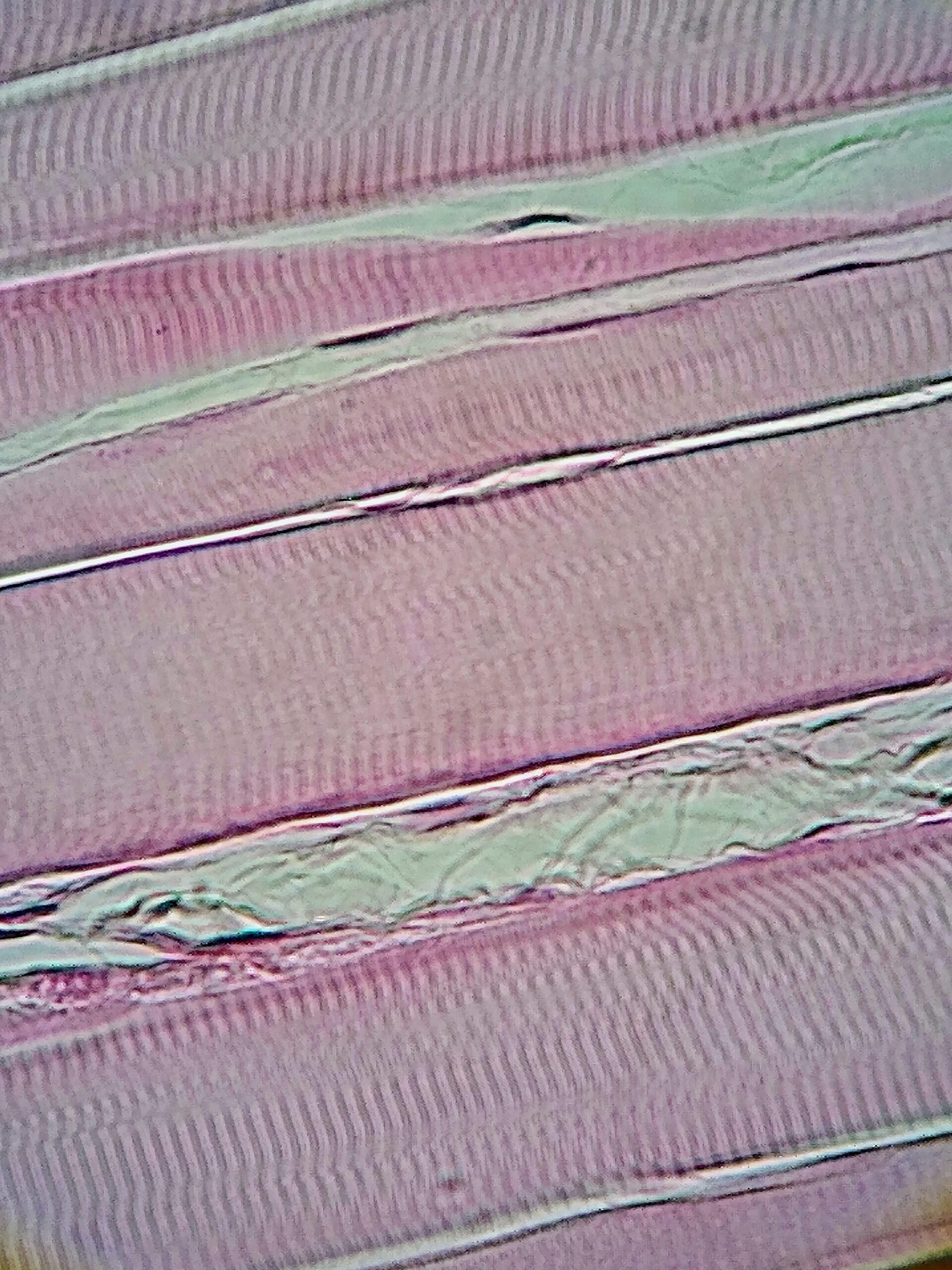
A muscle biopsy is sometimes used to show which substances are being released, according to Drugs. com.
How it is treated
Rhabdomyolysis requires immediate medical attention, and people with the condition are usually hospitalized, Mayo Clinic states. The main treatment is large quantities of intravenous fluids.
IV fluids help maintain urine production and prevent kidney failure. They flush myoglobin through the system, rehydrate the body, and protect the kidneys. In severe cases, dialysis may be needed to help the kidneys filter waste while they recover.
Doctors also manage electrolyte problems. High potassium, low calcium, and abnormal phosphorus levels can threaten the heart and other organs. If compartment syndrome develops, which is dangerous pressure inside an enclosed muscle space, surgery may be needed to relieve it.
Recovery takes time. It may take a few weeks before a person feels back to normal, even without complications, WebMD reports.
A clinician may advise against exercise for several weeks to months until blood and urine tests and hydration return to normal. Physical therapy can help rebuild strength after time off.
Prevention: stay inside your limits
Prevention starts with respecting your limits, according to Mayo Clinic. Pay attention to your body as you work out and stay within what it can handle. If you are training for a marathon for the first time or starting strenuous weight lifting, consider working with a sports trainer.
Build intensity gradually. Avoid a sudden leap from no training to an extreme session. This matters most in heat, where dehydration raises the risk.
Hydration helps. Drink liquids as directed by your clinician, and drink more when doing strenuous work or exercising in warm weather, Drugs.
com advises. Liquids help flush substances from the body.
Do not drink alcohol heavily, since heavy alcohol use may raise the risk.
Be cautious with supplements, especially performance enhancing substances. Mayo Clinic warns that some nutritional supplements and anabolic steroids have been associated with rhabdomyolysis and kidney failure. Stop and rest if you feel fatigued or faint during exercise, WebMD advises.
When to seek emergency care
Call your local emergency number if you have chest pain or a heart beating faster than usual, Drugs. com advises.
Seek immediate care if your urine is dark, tea colored, or bloody. Get help at once if pain, swelling, or weakness in the arms or legs does not go away or gets worse.
Also seek immediate care if you are urinating less than usual or not at all. Early diagnosis and treatment are keys to a successful outcome, and doctors can even reverse kidney damage when treatment starts promptly, WebMD reports.
Complications grow more likely with delay. Kidney damage occurs in up to half of people treated for rhabdomyolysis. Early complications can include very high potassium, low calcium, irregular heartbeat, and abnormal blood clotting.
This article is for general information, not medical advice. It cannot diagnose rhabdomyolysis or replace emergency care. If you suspect it, get help right away.
FAQ
Can rhabdomyolysis go away on its own?
No. It needs medical care.
Without treatment, kidney damage can become permanent. Early treatment usually leads to a good outcome.
How long does recovery take?
Recovery may take a few weeks to several months or longer, according to WebMD. Complications can delay it further. A clinician decides when exercise can resume.
Is rhabdomyolysis only an athlete problem?
No. Crush injuries, infections, medicines, and heat stroke can all cause it. Exercise is one cause among many, and most cases follow trauma or other medical triggers.
Can you get rhabdomyolysis twice?
Yes. A previous episode raises the risk of another one. People who have had it should return to exercise gradually and discuss limits with a clinician.
Outlook
Rhabdomyolysis sounds complex, but the core idea is simple. Muscle breaks down too fast, the spill reaches the blood, and the kidneys take the hit.
The warning signs are severe pain, weakness, and dark urine. Fast care with IV fluids can protect the kidneys and often leads to full recovery.
The best defense is steady progress. Build intensity slowly, respect heat and dehydration, and treat extreme pain or dark urine as an emergency, not as proof of a good workout.
Tags: rhabdomyolysis, muscle injury, kidneys, exercise safety
Latest in Fitness
- Why do your hands swell during long runs?
- Why do you feel nauseous during intense workouts?
- How does caffeine improve workout performance?
- Why does stretching feel different before vs after a workout?
Subscribe for one practical fitness explainer each week.
Related stories

How long does it really take to build noticeable muscle?
Strength gains start in week one, but visible muscle takes 8-12 weeks for most beginners. What the Oklahoma CT-scan study measured,

Why you feel dizzy after a workout: the 5 common causes
Post-workout dizziness usually comes from a blood pressure dip, dehydration, or low blood sugar. The numbers behind each cause, and when

Why Do Knees Hurt When Squatting but Not Running?
Knees hurt when squatting but not running because deep bends multiply force on the kneecap. Learn the mechanics, common causes, fixes,