
How Caffeine Improves Workout Performance and When It Helps Most
Key takeaways
- Caffeine blocks adenosine receptors in the brain, which lowers perceived effort and fatigue during exercise.
- The best-supported dose is 3 to 6 milligrams per kilogram of body weight, taken 30 to 60 minutes before training.
- Tolerance, late timing, and genetics change the effect, so more caffeine is not always better.
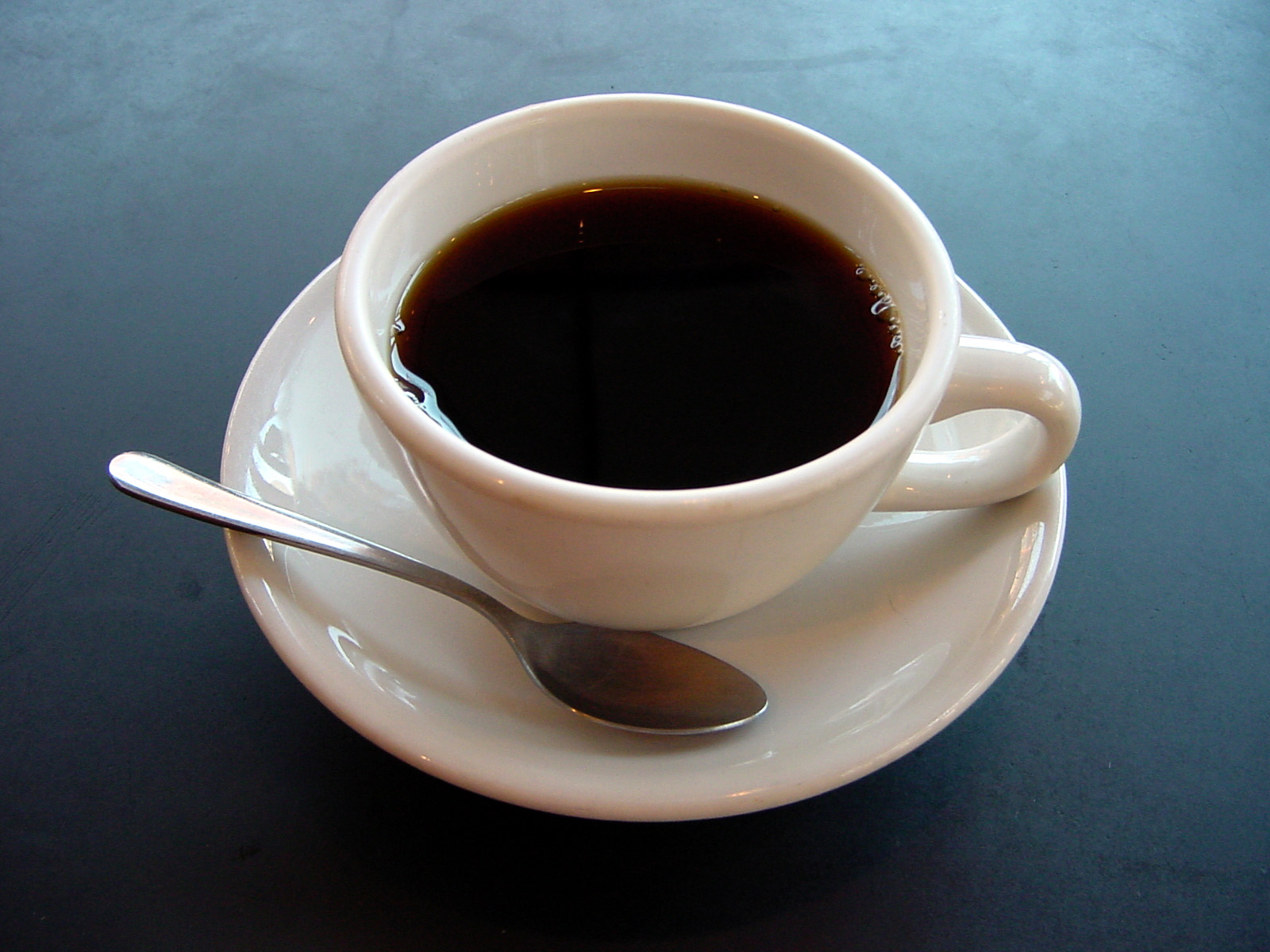
Caffeine is the most widely used performance aid in sports. It sits in coffee, tea, energy drinks, gels, gum, and pre-workout powders, and it is one of the few supplements with a deep base of research behind it.
Athletes do not use it because it adds energy. They use it because it changes how hard exercise feels.
This article explains how caffeine improves workout performance, what dose and timing the evidence supports, and where the limits are. This article is for general information, not medical advice.
How caffeine works in the brain
Caffeine does not give your muscles new energy. It changes the signals your brain receives.
The key player is adenosine, a chemical that builds up in the brain through the day and makes you feel tired. Adenosine docks onto receptors and dampens neural firing, which produces sleepiness and a sense of fatigue.
Caffeine blocks those receptors. Its shape is similar enough to adenosine that it fits the same receptors without activating them. With the receptors blocked, the fatigue signal does not get through.
Neural drive rises, alertness improves, and perceived exertion falls. The same workout simply feels easier with caffeine on board.
The Gatorade Sports Science Institute, in a review by Lawrence Spriet of the University of Guelph, puts it this way: the ergogenic effects of caffeine appear to result from antagonistic interactions with adenosine receptors in the central and peripheral nervous systems, increasing central drive and reducing the perception of effort and pain during exercise. That reduction in perceived effort is the core benefit. Everything else follows from it.
There are smaller effects elsewhere in the body. Caffeine can increase free fatty acid mobilization, which may spare muscle carbohydrate stores slightly during endurance work. It can also alter calcium handling inside muscle fibers.
These effects are real but secondary. The brain effect does most of the work.
Caffeine moves fast. It passes easily throughout the body and reaches the brain within minutes of swallowing.
It is eventually broken down in the liver. Its half-life is about five hours in most adults, which means half of a dose is still active five hours later.
What the evidence shows for performance
Caffeine improves performance across a surprising range of exercise types. The GSSI review finds it well established that moderate to high doses increase endurance performance in laboratory and field settings. It also finds caffeine ergogenic in short-term high-intensity exercise and in team stop-and-go sports, where anaerobic energy plays a large role.
One large review of studies found that caffeine modestly improves endurance when used in moderate doses of 1.4 to 2.7 milligrams per pound, which is 3 to 6 milligrams per kilogram of body weight, according to Healthline. The improvements are typically a few percent. That sounds small on paper, but in competition a few percent decides races.
Smaller doses help too. The GSSI review notes that lower doses below 3 milligrams per kilogram, roughly 200 milligrams, taken before, during, and late in exercise also increase endurance performance, and they do so without the physiological changes and side effects seen at higher doses in most people.
A concrete example comes from cycling research cited by Healthline. Trained cyclists who consumed 100- and 200-milligram doses of caffeine along with a carbohydrate-electrolyte solution late in exercise completed a time trial faster than those who drank only the carbohydrate-electrolyte solution. The cyclists who took the 200-milligram dose finished faster than those who took 100 milligrams, showing a dose response.
Coffee works as well as capsules. Research suggests both caffeine and caffeinated coffee produce similar benefits for endurance exercise performance. Caffeine in capsules, tablets, coffee, sports and energy drinks, gels, gum, bars, and dissolvable strips all show ergogenic effects, according to the GSSI review.
The effect is strong enough that some organizations have taken notice. Healthline notes that due to caffeine's positive effects on exercise performance, organizations such as the National Collegiate Athletic Association have restricted it in high doses.
The dose and timing that work
The dose most consistently supported for performance benefits is 3 to 6 milligrams per kilogram of body weight, taken 30 to 60 minutes before training, according to The Bodybuilding Dietitians. For a 70-kilogram person, that is 210 to 420 milligrams. A strong cup of filter coffee holds roughly 80 to 120 milligrams, so the effective range is roughly two to four cups, depending on strength.
Starting at the low end is the sensible move. Lower doses of 1 to 3 milligrams per kilogram can still be effective and are a good starting point for assessing individual sensitivity.
There is no need to jump to the top of the range on day one. The goal is the smallest dose that produces a clear benefit.
Timing matters because caffeine needs time to reach the brain and peak in the blood. Thirty to sixty minutes before training covers most people. Caffeine gum and dissolvable strips act faster because some caffeine absorbs through the mouth.
Coffee and capsules take longer. Taking caffeine after the workout starts is too late to help that session.
Daily habits change the math. If you already drink two or three cups of coffee a day, your tolerance is probably high enough that a standard pre-workout dose adds little. Habitual caffeine users get significantly less performance benefit than people who use caffeine strategically.
Tolerance, genetics, and the sleep trade-off
Tolerance is the biggest trap in caffeine use. With sustained daily use, the body adapts, and the acute performance benefit of any given dose shrinks.
The Bodybuilding Dietitians note that periodic tolerance breaks of one to two weeks of substantially reduced or eliminated caffeine can restore responsiveness. Starting at the lower end of the recommended range preserves responsiveness over time.
Genetics also shape the response. Individual variation in caffeine metabolism comes partly from CYP1A2, the liver enzyme that breaks caffeine down. Fast metabolizers clear caffeine quickly and tolerate late-day doses with less sleep disruption.
Slow metabolizers pay a larger sleep cost for the same intake. Genetic variation in adenosine receptor sensitivity also plays a role.
In one study cited by Healthline, competitive male athletes took 2 or 4 milligrams per kilogram before a 10-kilometer cycling time trial. All who consumed caffeine improved, but those with a particular genetic variation saw significantly greater dose-dependent improvements than those without it.
Sleep is the trade-off that decides whether caffeine helps or hurts. Caffeine has a half-life of about five hours, so an afternoon dose can meaningfully disrupt sleep quality.
The Bodybuilding Dietitians suggest stopping caffeine by early afternoon, roughly eight hours before intended sleep, for lifters concerned about sleep. A pre-workout taken at 7 PM for an 8 PM session that ruins sleep at midnight is a net negative, since training performance depends directly on sleep quality.
Side effects grow with dose. Higher doses bring gastrointestinal upset, nervousness, mental confusion, inability to focus, and disturbed sleep, according to the GSSI review.
Anxiety and elevated heart rate are the most common complaints. Anyone with a heart condition, anxiety disorder, or sensitivity to stimulants should be cautious, and should talk to a doctor before using caffeine as a performance aid.
How to use caffeine for training
Treat caffeine as a tool for key sessions, not a daily crutch. The most useful pattern is to use it before hard workouts, races, or sessions where performance matters, and to skip it or keep it low on easy days. That preserves sensitivity and keeps the benefit available when it counts.
Test the dose in training, never on race day. A dose that works for someone else can cause jitters or stomach trouble for you.
Start low, at 1 to 3 milligrams per kilogram, and raise it only if the benefit is unclear. Note how you feel, how you sleep, and whether the session genuinely went better.
Watch the clock. Keep caffeine at least eight hours away from bedtime.
Morning sessions are the easiest fit. For evening training, a smaller dose earlier in the day, or none at all, is usually the better call.
Do not use caffeine to cover for missing sleep. The Bodybuilding Dietitians draw a sharp line here: using caffeine to enhance an already well-supported training session produces sustained benefits, while relying on it to make an under-recovered athlete feel ready to train progressively compromises recovery, sleep, and long-term adaptation. Sleep is the performance aid that caffeine can never replace.
Remember that caffeine pairs with other causes of workout misery. If hard sessions regularly make you feel sick, the problem may be pacing, meal timing, or heat rather than a lack of stimulants. Feeling nauseous during intense workouts has its own causes and fixes, and no amount of caffeine fixes a mistimed meal.
FAQ
How much caffeine should I take before a workout?
The best-supported range is 3 to 6 milligrams per kilogram of body weight, taken 30 to 60 minutes before training. Start at the low end, 1 to 3 milligrams per kilogram, and raise the dose only if needed. For a 70-kilogram person, 3 to 6 milligrams per kilogram is 210 to 420 milligrams.
Does coffee work as well as caffeine pills for exercise?
Yes. Research finds caffeinated coffee and caffeine capsules produce similar benefits for endurance exercise.
The dose matters more than the delivery form. Coffee, gels, gum, bars, and capsules all work.
How long before a workout should I drink coffee?
Thirty to sixty minutes before training is the usual window. That gives caffeine time to reach the brain and peak in the blood. Gum and dissolvable strips act a little faster.
Will caffeine still help if I drink coffee every day?
Less so. Daily use builds tolerance, which shrinks the performance benefit of any given dose. Using caffeine strategically for hard sessions, and taking occasional one- to two-week breaks, keeps it effective.
Can caffeine hurt my sleep if I train in the evening?
Yes. Caffeine has a half-life of about five hours, so an evening dose can still be active at bedtime. Keeping caffeine at least eight hours away from sleep protects recovery, which matters more than any single session.
The bottom line
Caffeine improves workout performance by blocking adenosine receptors in the brain, which lowers perceived effort and fatigue. The evidence supports 3 to 6 milligrams per kilogram taken 30 to 60 minutes before training, with smaller doses also helping. Tolerance, genetics, and sleep shape the real-world result.
Use the smallest effective dose, save it for sessions that matter, keep it away from bedtime, and never let it substitute for sleep. Used that way, caffeine is one of the simplest and best-supported performance tools available.
Tags: caffeine, performance, training, supplements
Latest in Fitness
- Why You Feel Nauseous During Intense Workouts and How to Stop It
- Why Do Your Hands Swell During Long Runs
- What Is Rhabdomyolysis in Simple Terms
- Why Does Stretching Feel Different Before vs After a Workout
Subscribe for one practical fitness explainer in your inbox each week.
Related stories

How long does it really take to build noticeable muscle?
Strength gains start in week one, but visible muscle takes 8-12 weeks for most beginners. What the Oklahoma CT-scan study measured,

Why you feel dizzy after a workout: the 5 common causes
Post-workout dizziness usually comes from a blood pressure dip, dehydration, or low blood sugar. The numbers behind each cause, and when

Why Do Knees Hurt When Squatting but Not Running?
Knees hurt when squatting but not running because deep bends multiply force on the kneecap. Learn the mechanics, common causes, fixes,