
Why Does Stretching Feel Different Before vs After a Workout?
Key takeaways
- Cold muscles resist long holds, so stretching before a workout feels tight and can cut power.
- Warm muscles lengthen more easily, so stretching after a workout feels looser and builds flexibility.
- Use dynamic movement before training and static holds after training for the best mix.

Touch your toes before a workout and the stretch feels stiff and resistant. Touch your toes after the same workout and the same stretch feels looser and deeper. The stretch did not change, but the state of your muscles did.
Stretching feels different before and after a workout because muscle temperature, blood flow, and nervous system readiness all change during exercise. Cold tissue resists lengthening, while warm tissue gives more easily.
This article explains why stretching feels different before vs after a workout, including the two main stretch types, the science behind the difference, and how to time each one.
The two types of stretching
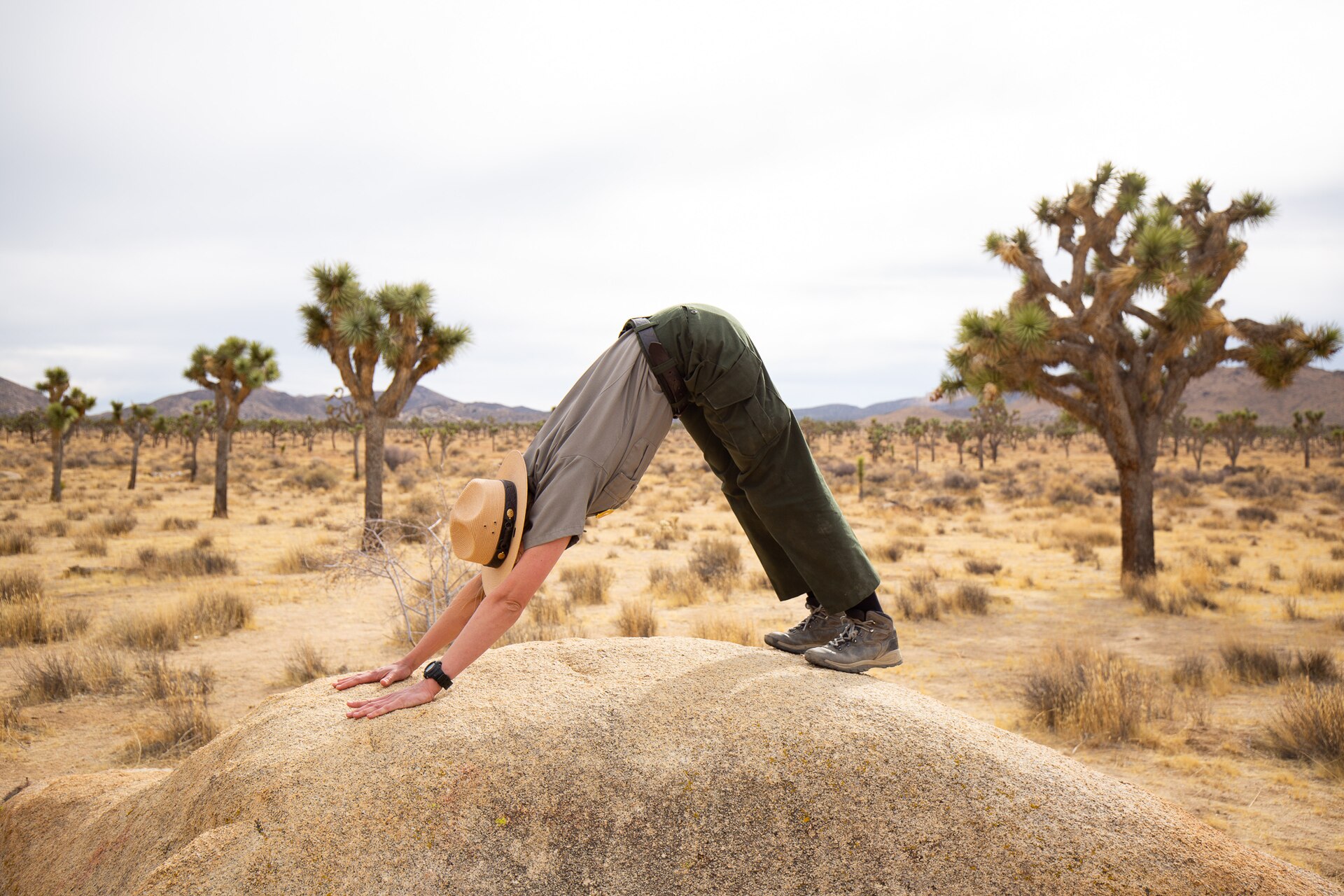
Static stretching means holding a position without moving. You reach a lengthened position, feel tension but not pain, and hold still while the muscle relaxes. A seated hamstring stretch or a standing quad pull are classic examples.
Dynamic stretching means moving joints and muscles through a controlled range of motion. You never hold a position. Leg swings, walking lunges, arm circles, and high knees are dynamic stretches.
The difference is movement. Static stretching is passive, while dynamic stretching is active. That single difference explains why each type belongs at a different point in the session.
Static stretching works through stress relaxation. When a muscle is held at a constant length, tension inside it gradually falls as the elastic parts of the fiber relax, according to Daily Burn. Over time, that leads to lasting gains in muscle length and flexibility.
Dynamic stretching works by warming the tissue. It raises muscle temperature, increases blood flow, and wakes up the nervous system. It also rehearses the movement patterns of the workout to come.
Why stretching before a workout feels tight
Before a workout, your muscles are cool. Blood flow to them is at resting levels. The tissue is less pliable, so a long hold meets resistance early.
Cold stretching can also reduce power. A 2023 meta-analysis in Sports Medicine analyzed 109 studies and found that pre-exercise static stretching reduced strength by an average of 5.4 percent and power output by 2.6 percent, according to Daily Burn. Dynamic stretching improved both measures by similar margins.
The mechanism is the stretch shortening cycle. This is the spring-like system that stores and releases elastic energy during movement.
A long static hold makes the muscle-tendon unit more compliant, which sounds helpful but actually weakens that spring. Runners who static stretch before running tend to run slightly slower than those who warm up dynamically.
Research also suggests static stretching before exercise does not prevent injury or soreness. Move Well Health reports that in some cases it may slightly raise the risk of strain. The old habit of long toe touches before a run came from tradition, not evidence.
There is one exception. If your range of motion is so limited that you cannot perform an exercise safely, a brief static stretch can help. Daily Burn notes that holds of 15 to 20 seconds can open enough range to squat safely, as long as dynamic movement follows right away.
Why stretching after a workout feels looser
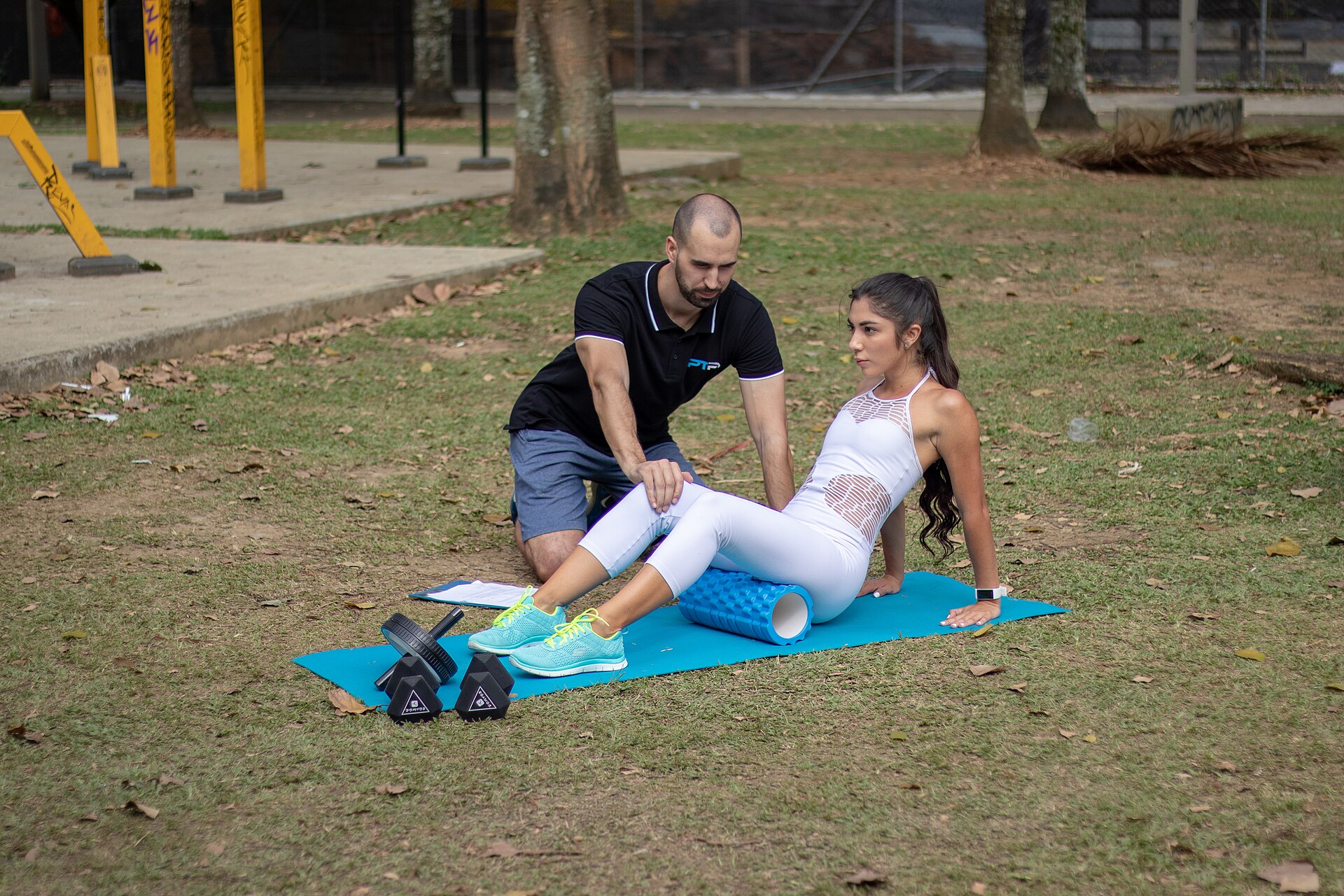
After a workout, everything has changed. Your muscles are warm, blood flow is high, and the tissue is pliable. The same stretch that felt stiff before now reaches further with less effort.
Warm muscles respond to holds. The American College of Sports Medicine recommends holding each static stretch for at least 30 seconds, with 60 seconds as optimal for flexibility gains, according to Daily Burn. Each stretch should be repeated 2 to 4 times per session.
Holds shorter than 15 seconds produce minimal lasting flexibility improvement. Holds longer than 60 seconds give diminishing returns and may cause excess muscle fatigue.
The nervous system also plays a role. Stretching activates sensory receptors in muscles, tendons, and ligaments, such as muscle spindles and Golgi tendon organs.
Marathon Handbook explains that these receptors send a signal to the spinal cord, and the parasympathetic nervous system answers by telling the tissues to relax. As fibers and tendons relax, tissues lengthen and joints move more freely.
Post-workout stretching may also cut soreness. Research from the University of North Carolina found that static stretching after exercise reduced delayed-onset muscle soreness by 20 percent compared with no post-workout stretching, according to Daily Burn.
The 90 minute effect of a dynamic warm-up
Dynamic stretching does more than warm you up for a few minutes. A 2019 study by Iwata and colleagues found that a dynamic stretching routine before exercise increased hamstring flexibility and reduced passive stiffness, according to Marathon Handbook. The benefits persisted for 90 minutes.
That lasting effect matters for training. A warm-up done at the start of a session keeps paying off through the main work. It is one reason coaches treat the warm-up as part of the workout, not as optional filler.
Dynamic stretches also activate muscles. A 2020 randomized trial by Lee and colleagues found that dynamic stretching with strengthening exercises helped activate muscles in people with knee pain and inflexible hamstrings, Marathon Handbook reports. Muscles that are "turned on" contract more powerfully and absorb impact forces better.
For runners, the practical effect is clear. A few minutes of leg swings, walking lunges, and hip circles before a run prepares the exact tissues the run will stress. The body rehearses the pattern at low load before the real load arrives.
How long each part should take
A good warm-up does not need to eat up your session. Move Well Health suggests 3 to 5 minutes of dynamic movement before a workout. Pick moves that mimic the session ahead, such as walking lunges before leg day or arm circles before an upper body session.
Daily Burn gives a slightly longer range of 5 to 10 minutes for a full dynamic warm-up. Either way, the goal is the same: raise temperature, increase blood flow, and rehearse movement. Stop when you feel warm and loose, not tired.
For the cool-down, Move Well Health suggests 2 to 3 minutes of static stretching. Hold each stretch for 20 to 30 seconds. Marathon Handbook gives a similar recipe: 1 to 3 rounds of 15 to 30 seconds per stretch after the workout.
Daily Burn offers a longer 5 minute static routine with 30 second holds per side. The exact numbers matter less than the order. Dynamic first, static second, and short holds if you must stretch cold.
A simple session template
Before the workout, do 3 to 5 dynamic moves for 30 to 60 seconds each. Leg swings, walking lunges with rotation, arm circles, high knees, and torso rotations cover most sessions. Choose the ones that match the muscles you will train.
During the workout, skip long static holds between sets. Brief holds under 20 seconds are fine if a joint feels too stiff to move safely. Follow them at once with dynamic moves for the same muscle group.
After the workout, pick 4 to 6 static stretches for the muscles you trained. Hold each for 30 seconds per side.
A runner might pick quad, hamstring, calf, and hip flexor stretches. A lifter might add chest and shoulder stretches after an upper body day.
On rest days, static stretching works well on its own. Warm up first with 2 minutes of easy movement, such as walking in place.
Then stretch at full length. This is a good way to build flexibility without adding training stress.
Common mistakes
The most common mistake is stretching cold and long. A 60 second toe touch before a sprint is the worst version of this. It dulls power and does little for flexibility.
The second mistake is skipping the cool-down. Many people finish a workout and walk straight to the shower. They lose the best window for flexibility work, when muscles are warmest and most responsive.
The third mistake is chasing pain. A stretch should feel like tension, not sharp pain.
Pain means you have gone too far, and pushing through it risks a strain. Back off to the point where you feel a firm pull, then hold there.
A fourth mistake is bouncing. Ballistic stretching uses jerky bouncing at the end range.
It can trigger a protective reflex that tightens the muscle, which is the opposite of the goal. Keep static stretches still and smooth.
Does stretching prevent injury?
The honest answer is mixed. Stretching improves range of motion, and better range can help some movements. But static stretching before exercise has not been shown to prevent injury on its own.
Dynamic warm-ups look more useful for injury risk. They raise temperature, improve coordination, and prepare tissues for load. That combination is a better shield than a cold hold.
After exercise, static stretching supports long-term flexibility. Flexible tissue is not injury-proof, but it makes daily movement and training positions easier to reach. Think of stretching as one tool in a larger kit that includes strength, sleep, and sensible load.
Related reading helps here too. Why some people build muscle faster than others explains why the same training load produces different results. And why your hands swell during long runs shows how blood flow shifts during exercise, which is part of why warm tissue behaves so differently.
FAQ
Should I stretch before or after a workout?
Do both, in the right order. Use dynamic stretching before the workout and static stretching after. This sequencing is endorsed by the American College of Sports Medicine and the National Strength and Conditioning Association.
Can I static stretch before a workout if I feel stiff?
Yes, with limits. Keep holds under 20 seconds and follow them with dynamic movement for the same muscles. Save the long holds for after the session.
How long should I hold a static stretch?
Hold for at least 30 seconds, with 60 seconds as optimal for flexibility gains, per the American College of Sports Medicine. Repeat each stretch 2 to 4 times.
Does stretching after a workout reduce soreness?
It may help a little. One study found a 20 percent reduction in delayed-onset muscle soreness with post-workout static stretching. The effect is modest, not a cure.
Is dynamic stretching just a warm-up?
Mostly yes. Dynamic stretching is a warm-up method that also improves range of motion. It prepares muscles, joints, and the nervous system for the work ahead.
The bottom line
Stretching feels different before and after a workout because your muscles are in different states. Cold muscles resist holds and lose power when stretched long.
Warm muscles lengthen more easily, relax under holds, and keep flexibility gains better. Use movement to prepare and holds to recover, and your stretching will work with your body instead of against it.
Tags: stretching, warm-up, cool-down, flexibility
Latest in Fitness
- Why do your hands swell during long runs?
- What is rhabdomyolysis in simple terms?
- How does caffeine improve workout performance?
Subscribe for one practical fitness explainer each week.
Related stories

How long does it really take to build noticeable muscle?
Strength gains start in week one, but visible muscle takes 8-12 weeks for most beginners. What the Oklahoma CT-scan study measured,

Why you feel dizzy after a workout: the 5 common causes
Post-workout dizziness usually comes from a blood pressure dip, dehydration, or low blood sugar. The numbers behind each cause, and when

Why Do Knees Hurt When Squatting but Not Running?
Knees hurt when squatting but not running because deep bends multiply force on the kneecap. Learn the mechanics, common causes, fixes,