
Why Does Heat Make Workouts Feel Much Harder?
Key takeaways
- In the heat your heart serves two masters: working muscles and skin cooling, so heart rate climbs at the same pace.
- Around 80 percent of the energy your muscles produce during exercise is released as heat, not movement.
- Losing about 2 percent of body mass in sweat is where endurance performance starts to decline consistently.

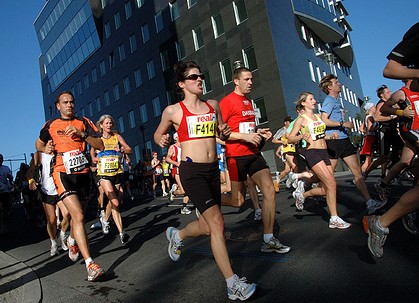
The pace on your watch is identical to last week. The route is the same, the shoes are the same, and yet every step feels heavier and your breathing runs away from you. The only thing that changed is the temperature.
This is not weakness or lost fitness. It is your cardiovascular system doing double duty, and the physiology behind it is well mapped. This article explains why heat makes the same workout feel much harder, including the heart's cooling job, how sweat and dehydration raise the cost, what humidity changes, and how to adjust, plus answers to common questions.
Your heart gets a second job
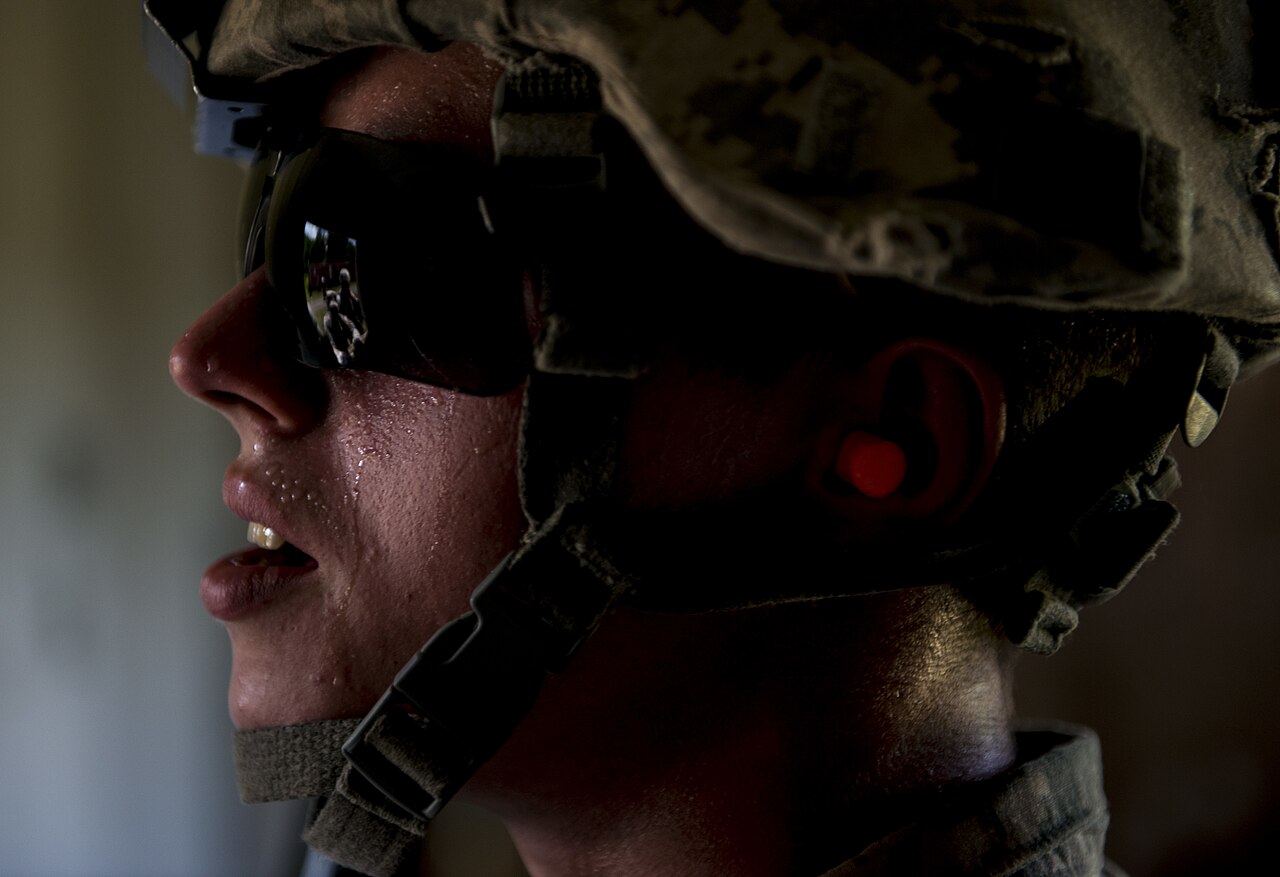
In cool weather your heart has one main task during exercise: pumping oxygen-rich blood to working muscles. In the heat it picks up a second job of equal importance: sending blood to the skin so excess heat can escape and core temperature stays near 37 degrees Celsius.
That split delivery is the core problem. Blood sent to the skin is blood not available to the muscles, so the heart must beat faster to serve both. Your easy pace suddenly sits at a higher heart rate, and a run that normally feels comfortable can drift from an easy effort into a moderate one with no change in speed.
Sweat loss compounds the strain. As plasma volume falls, stroke volume, the amount of blood pumped with each beat, can drop.
To keep total cardiac output steady, heart rate climbs further. Exercise physiologists call this pattern cardiovascular drift: heart rate rising over time even though intensity stays fixed.
The drift is driven by three overlapping mechanisms. Blood keeps getting diverted to the skin as core temperature rises, and sweating drains plasma volume.
Plasma also shifts from the bloodstream into surrounding tissues. Together they force the heart to work harder for the same mechanical output.
Why exercise makes you a furnace
Muscles are inefficient engines. Roughly 80 percent of the energy your body produces during exercise is released as heat rather than movement, which means a hard workout is also a massive internal heating event. Your core temperature climbs from the inside even before the weather contributes anything.
The body answers with a coordinated cooling response. Eccrine sweat glands release sweat, and evaporation off the skin carries heat away.
Skin arterioles dilate under sympathetic nervous system control, flooding the surface with warm blood. Breathing rate rises to dump additional heat.
All of this costs energy and fluid. A long session in the heat can cost liters of sweat, and with it sodium and other electrolytes. That is why runners hit the wall far earlier on hot days: fuel, fluid, and cooling all run short at once.
Humidity changes the math because sweat only cools you when it evaporates. In humid air, evaporation slows, sweat drips off uselessly, and the body keeps pumping out more in a losing effort. Dry heat at the same temperature feels easier precisely because evaporation works.
The brain joins the slowdown
Heat does not only tax the heart and muscles; it changes how the brain regulates effort. As core temperature rises toward 38.5 to 39.5 degrees Celsius, the range associated with heat exhaustion, the brain receives strong signals that the body is under thermal stress and begins to dial down muscle recruitment.
This is protective, not defective. Reducing output limits further heat production, which guards the brain and organs against dangerous overheating. The subjective experience is the familiar one: weights feel heavier, rest between sets stretches longer, and the usual training pace feels oddly demanding.
Normal core temperature sits between 36.5 and 37 degrees. Once it pushes past 40, the territory is heat stroke, a medical emergency. The gap between "this feels awful" and "this is dangerous" is narrower than most recreational athletes assume, which is why the body's early warning system feels so aggressive.
There is a nuance worth noting. Warm muscles themselves work better: blood flow rises, joints feel looser, and nerve signaling speeds up.
That is part of why a good warm-up helps. The problem in hot weather is not warm muscles but a hot core, and the two diverge quickly once cooling cannot keep up.
How much performance heat actually costs
The cost is measurable and consistent. Endurance performance declines as dehydration passes about 2 percent of body mass lost, a threshold where the drop becomes reliable across studies, especially in warm conditions. For a 70-kilogram runner that is roughly 1.4 liters of sweat.
Short all-out sprints are less affected, because a single 10-second effort ends before heat accumulation matters. Repeated sprints and sustained efforts suffer most, since each bout starts from a higher core temperature and a lower plasma volume than the last.
If your heart rate stays elevated after exercise on hot days, that lingering elevation is often cardiovascular drift unwinding slowly, not a fitness problem. Give it time and fluids before judging the session.
How to adjust training for the heat
Slow the pace and keep the effort honest. On hot days, rate of perceived exertion becomes more trustworthy than heart-rate zones, because heat inflates heart rate without changing the actual metabolic cost. If the effort feels easy and you can speak in full sentences, it is easy, regardless of what the watch says.
Shorten sessions or move them earlier. Morning workouts dodge peak heat, and a shorter session caps total fluid loss. When neither is possible, cut intensity rather than skipping entirely; consistency preserved at lower effort beats a heroic session followed by three days of fatigue.
Hydrate before, during, and after. Drink to a plan on sessions over an hour rather than relying on thirst, which lags behind actual losses. For long or very sweaty sessions, include electrolytes, since plain water alone can dilute blood sodium.
Give adaptation time. Meaningful heat acclimation builds over 3 to 6 days of exposure, raising plasma volume and stabilizing the cardiovascular response. Performance in the heat improves noticeably across that first week, which is why the first hot workout of the season always feels the worst.
FAQ
Why is my heart rate so much higher in the heat?
Because your heart is pumping blood to both your muscles and your skin for cooling. Sweat loss also shrinks plasma volume, so each beat moves less blood and the heart beats faster to compensate. This is cardiovascular drift.
Does humidity really make that big a difference?
Yes. Sweat cools you only when it evaporates, and humid air slows evaporation sharply. The same temperature with high humidity produces higher heart rates, higher perceived effort, and slower sustainable paces than dry heat.
Will I adapt if I keep training in the heat?
Mostly, within about a week. Plasma volume expands, sweating starts earlier and becomes more dilute, and heart rate at a given pace falls. The first 3 to 6 days of heat exposure drive most of the adaptation.
Is it dangerous to push hard in the heat?
It can be. Core temperatures in the 38.5 to 39.5 degree range bring heat exhaustion, and past 40 degrees is heat-stroke territory. Dizziness, confusion, nausea, or goosebumps in the heat are stop signals, not toughness tests.
The bottom line
Heat makes the same workout feel much harder because your heart splits its output between muscles and cooling, sweat shrinks your plasma volume, and your brain deliberately caps effort to protect your core temperature. Slow down, drink to a plan, and give yourself a week to adapt. The fitness is still there; it is just busy keeping you cool.
Latest in Fitness
- Why your heart rate stays elevated after exercise
- Why do some people build muscle faster than others?
- Why do runners get a second wind?
- Does warming up actually prepare your muscles?
Get one practical training explainer like this every morning. Subscribe to the Rive News newsletter.
Image Credits: Wikimedia Commons / Filip Bossuyt, KJohansson, Master Sgt. Michel Sauret
Related stories
How long does it really take to build noticeable muscle?
Strength gains start in week one, but visible muscle takes 8-12 weeks for most beginners. What the Oklahoma CT-scan study measured,
Why you feel dizzy after a workout: the 5 common causes
Post-workout dizziness usually comes from a blood pressure dip, dehydration, or low blood sugar. The numbers behind each cause, and when
Why Do Knees Hurt When Squatting but Not Running?
Knees hurt when squatting but not running because deep bends multiply force on the kneecap. Learn the mechanics, common causes, fixes,