
Why runners get a second wind during exercise
By Rive News / Research desk | Rive News / Published October 27, 2026 at 9:00 AM PKT
Key takeaways
- A second wind is the shift, usually in the first 10 to 20 minutes, from gasping anaerobic effort to steadier aerobic running.
- Endorphins are not the main cause, since they rise later and are linked more to the runner's high.
- Fitter runners reach the switch sooner, and pacing, warm-ups, and training all move it earlier.
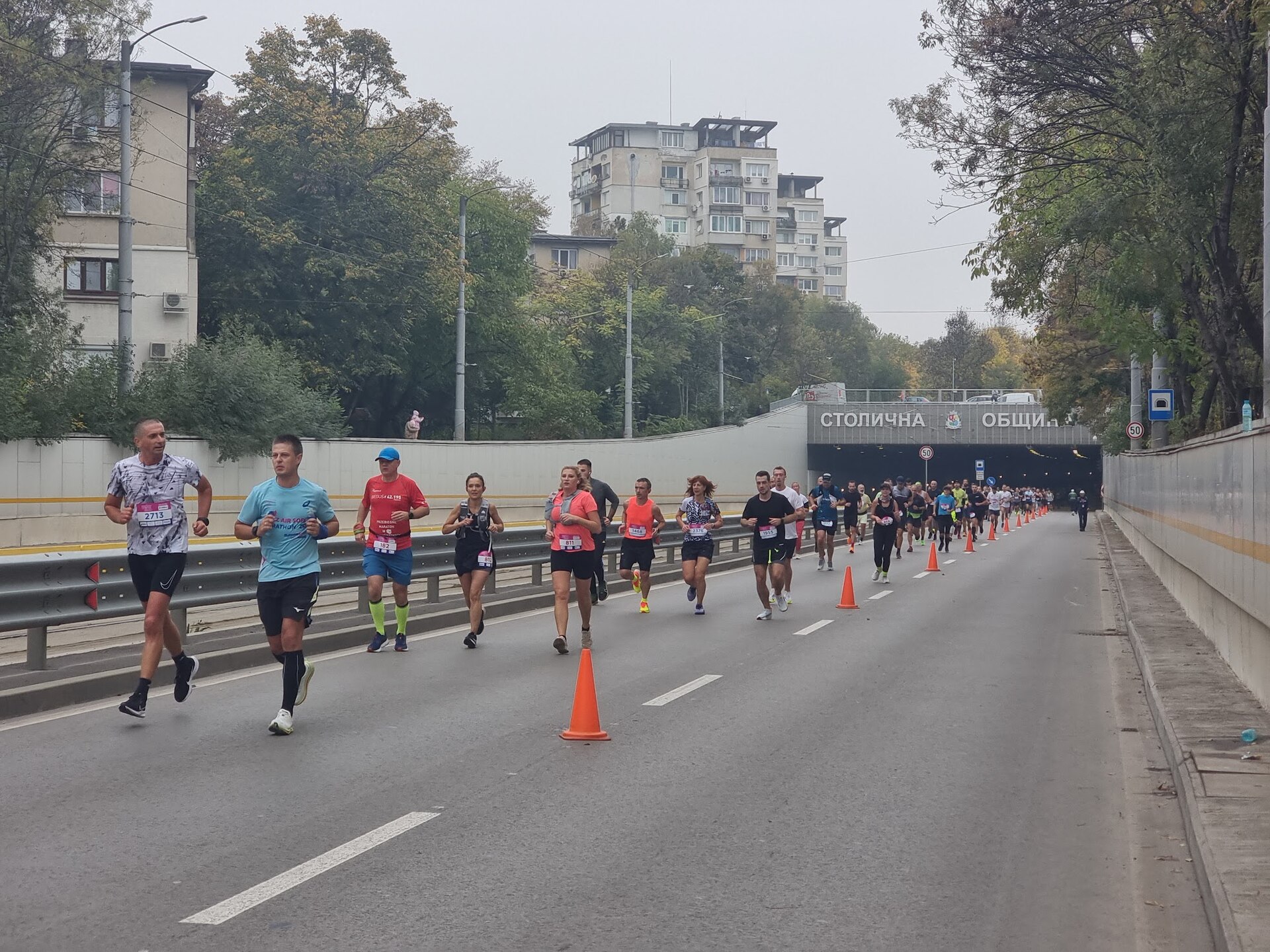
[Marathon runners on a road course during a race.] Photograph: marathon event photo
Image Credits: Wikimedia Commons
A second wind is the moment a run stops feeling terrible and starts feeling possible. The runner has been gasping, heavy-legged, and tempted to stop, and then, without any obvious change in speed, breathing settles and the legs feel lighter. It is not imagination, and it is not a burst of willpower.
This article explains why runners get a second wind, including the oxygen switch, the lactate balance, and the role of brain chemicals. It also separates the second wind from the runner's high, which arrives later and works differently, and covers how training changes when the switch happens.
What a second wind feels like
The classic pattern is well described by runners and coaches: the first minutes of a run feel disproportionately hard, even at a pace the runner can hold for an hour. Breathing is ragged, the chest feels tight, and the legs feel heavy, as if the body is protesting the sudden demand. Then the protest fades, and the same pace feels sustainable.
Sports Medicine Weekly, in an article authored by Zach Meeker, a research assistant at Midwest Orthopaedics at Rush University Medical Center, puts the timing at the first 10 to 20 minutes of exercise. The article describes the change as the point when the body starts to use aerobic energy production, after which exercise starts to feel good. That timing is the key clue to the cause.
The feeling is not the same as the runner's high. A second wind is mainly about effort becoming manageable, while the runner's high is a later mood effect involving euphoria and reduced pain sensitivity. Confusing the two is common, because both feel like a reward for pushing through, but they run on different clocks.
The oxygen deficit at the start
When a run starts, the muscles need far more energy than they did at rest, but oxygen delivery cannot jump instantly. The heart takes time to raise its output, blood vessels take time to widen, and the lungs take time to match the new demand. That gap between what the muscles need and what oxygen can supply is called the oxygen deficit.
During the deficit, the body covers the shortfall with stored energy and anaerobic metabolism, which produces energy without oxygen. Anaerobic metabolism is fast but inefficient, and it produces lactate and acid as byproducts, which contribute to the burning, heavy feeling in the early minutes. The body is, in effect, borrowing energy it cannot yet supply cleanly.
As the minutes pass, oxygen delivery catches up. Heart rate rises, breathing deepens, and blood flow to working muscles increases, until oxygen supply matches demand.
Exercise physiology calls that balance the steady state, and once it is reached, aerobic metabolism can carry most of the load. The run feels easier because the energy system finally fits the effort.
Why the switch feels sudden
The switch can feel sudden even though the underlying changes are gradual, because several systems settle at roughly the same time. Breathing finds a rhythm, the heart rate plateaus instead of climbing, and lactate production falls into balance with lactate clearance. No single switch flips, but the combined effect crosses a threshold the runner can feel.
Intensity matters more than willpower here. If the runner stays at a moderate pace, the aerobic system can hold the steady state and the second wind lasts. If the runner speeds up sharply, anaerobic metabolism takes over again, lactate rises, and breathing hardens, which is why a sprint at the end of a comfortable run feels like starting over.
Fitter runners reach the steady state sooner, according to the same Sports Medicine Weekly account, because their bodies switch to aerobic metabolism more quickly. Training builds more capillaries around muscle fibres, more mitochondria inside them, and a faster rise in oxygen uptake at the start of exercise. Each of those changes shrinks the oxygen deficit, so the miserable opening minutes get shorter.
What about endorphins
Endorphins are the body's own pain-dulling chemicals, and they are often credited with the second wind. The evidence points elsewhere, at least for the early switch. Sports Medicine Weekly notes that endorphins are generally released later in a run, not in the first 10 to 20 minutes when most people feel their second wind, though small early amounts may play a minor role.
The runner's high, which comes later, has its own updated explanation. Johns Hopkins Medicine, quoting Davy Phrathep, a sports and performance psychologist, explains that sustained aerobic exercise over 30 to 60 minutes raises endocannabinoids in the bloodstream.
Those molecules can cross into the brain, unlike endorphins, which are too large to pass the blood-brain barrier easily. The result is reduced anxiety, lower pain sensitivity, and a sense of calm.
That distinction clears up a common confusion. The second wind is mostly a fuel-system story, while the runner's high is mostly a brain-chemistry story. Both reward persistence, but they are not the same event, and training for one is not quite training for the other.
The lactate balance
Lactate is often blamed for the early misery, and it deserves part of the blame, but the picture is more balanced than the old "lactic acid burn" story. Lactate itself is also a fuel, and trained muscles clear it efficiently once the aerobic system is running. The problem in the opening minutes is the rate of production outrunning clearance, not lactate alone.
Once the steady state arrives, production and clearance balance, and blood lactate stops climbing. That balance is why a comfortable pace can be held for a long time, while a pace just above it cannot. The difference between those two paces can be small, which is why pacing discipline matters so much in distance running.
Breathing plays a supporting role in the same balance. Early in a run, breathing feels out of control because carbon dioxide is rising faster than the lungs can clear it. As ventilation catches up, the urge to gasp fades, and the runner can often talk in short sentences, a practical sign that the aerobic system is in charge.
How to reach your second wind sooner
A warm-up is the most direct shortcut, because it starts the oxygen-delivery ramp before the run proper begins. Ten minutes of easy jogging, walking, or light movement raises heart rate and blood flow gradually, so the hard switch happens during the warm-up rather than during the timed run. Many runners report that a good warm-up removes the worst of the opening minutes entirely.
Pacing is the second lever. Starting slower than the target pace, then easing up to it, keeps the oxygen deficit small and avoids an early lactate spike. Starting too fast does the opposite, and no amount of determination rescues a run that opens with a sprint.
Training is the slow lever, and it is the one that moves the switch permanently earlier. Regular aerobic running increases capillary density, mitochondrial content, and the speed of oxygen uptake, all of which shrink the deficit. That is why experienced runners often describe their second wind arriving in minutes, while beginners wait longer for the same relief.

[Runners passing a water station during a marathon.] Photograph: marathon event photo
Image Credits: Wikimedia Commons
Frequently asked questions
Is a second wind the same as a runner's high?
No, since the second wind is the early shift to steady aerobic effort, usually in the first 10 to 20 minutes, while the runner's high is a later mood effect. The runner's high involves endocannabinoids and euphoria after 30 to 60 minutes of sustained exercise. Both feel rewarding, but they run on different systems and clocks.
Why do I feel worse at the start of every run?
The start is hard because oxygen delivery lags behind muscle demand, creating an oxygen deficit covered by anaerobic metabolism. That gap produces the heavy legs and ragged breathing of the opening minutes. A warm-up and a slower start both shrink the deficit.
Can beginners get a second wind?
Yes, though it usually takes longer and feels less dramatic than in trained runners. Beginners have a slower rise in oxygen uptake and less efficient lactate clearance, so the steady state arrives later. Regular easy running shortens the wait over weeks, not days.
Should I push through if the second wind never comes?
Not always, since a run that stays miserable may be too fast, too hot, or started without fuel or rest. Slow down, walk briefly, and see whether breathing settles at an easier pace. Chest pain, dizziness, or pain that worsens with effort are reasons to stop and seek medical advice, not to push on.
The bottom line
A second wind is the body catching up with the run, not a mystery chemical kicking in. The oxygen deficit of the opening minutes gives way to a steady aerobic state, lactate production balances with clearance, and the same pace suddenly feels sustainable.
Endorphins and endocannabinoids matter later, for the runner's high, but the early relief belongs to the fuel system. Warm up, start sensibly, and train consistently, and the switch will come sooner.
Tags: running, exercise, physiology
The Rive News research desk writes plain-language explainers from published sources, with no invented experts or first-hand claims.
Related
- How to breathe properly while running without getting winded
- Why do runners hit the wall in marathons?
- Why do you get a stitch in your side while running?
- How to cool down properly after a run
Subscribe for one plain-language explainer a day, drawn from published sources.
Rive News publishes explainers from public sources; corrections are noted on the article when a sourced fact changes.
Related stories

Why Is Altitude Sickness Worse for Some People?
Altitude sickness hits some people harder because of genetics, ascent speed, and prior history, not fitness level. Here is what raises risk
Why Do You Get Blisters When Hiking and How to Prevent Them
Friction plus moisture plus heat equals a blister. Learn why hiking breeds all three, and the boots, socks, and tape system that keeps
How to choose hiking boots for beginners: fit, features, and break-in
Beginners should buy for fit first: snug everywhere, tight nowhere, with a thumb's width at the toes. Here is how to size, test,