
Why Do You Get a Stitch in Your Side While Running?
Key takeaways
- A side stitch is a sharp pain under the ribs during exercise, most often on the right side.
- Irritation of the abdominal lining is the leading explanation, with the diaphragm and ligaments also involved.
- Slowing down, breathing deeply, and pressing the sore spot usually ease a stitch within minutes.

A side stitch is a sharp, stabbing pain under the lower edge of the rib cage that shows up during exercise. Doctors call it exercise-related transient abdominal pain, or ETAP for short. It is most common during running, and it can also appear during swimming and horseback riding.
The pain usually sits on one side, more often the right. It can range from a mild cramp to a stab strong enough to make a runner stop. Most stitches fade within a few minutes once the runner slows down or stops.
This article explains what a side stitch is, why it happens, what makes one more likely, how to ease a stitch mid-run, how to lower the risk, and when pain needs medical care.
What a side stitch is
A side stitch is a short-lived pain in the upper side of the abdomen that starts during exercise. The medical term, exercise-related transient abdominal pain, describes the pattern well. The pain comes on during activity and passes after the activity eases.
About two-thirds of runners report at least one stitch each year, according to the Wikipedia summary of the research on side stitches. That figure matches other reports that put the share near 70 percent of runners. New runners get them more often, but trained athletes are not immune.
The pain is usually felt just below the ribs. Some runners also feel pain at the tip of the shoulder on the same side. That shoulder tip pain may come from the phrenic nerve, which runs from the neck and supplies the diaphragm.
A stitch is not the same as a muscle cramp in the leg. It is tied to the abdomen and to breathing, and it follows the rhythm of a run. When the run stops, the pain usually goes away.
Why it happens
The exact cause is still not settled, but one explanation fits the evidence best. That explanation is irritation of the parietal peritoneum, the membrane that lines the inside of the abdominal wall. Running jostles the organs inside the abdomen.
The movement can rub the two layers of this lining against each other and irritate the tissue.
Two other mechanisms may add to the problem. The first is stress on the ligaments that link the diaphragm to the liver and other organs. Each foot strike tugs on those ligaments as the organs move down and the diaphragm moves with breathing.
The second is strain on the diaphragm itself. The diaphragm is the main muscle of breathing, and it sits just below the rib cage. During a hard run it works much harder than at rest, and it can cramp or tire.
Shallow, fast breathing may make this worse by keeping the diaphragm from moving through its full range.
Eating or drinking shortly before a run also raises the risk. A full stomach adds weight and movement inside the abdomen. Sugary drinks in particular are linked to stitches in the research summaries, so timing and choice of pre-run food and drink both matter.
What makes one more likely
Several triggers show up again and again in reports of stitches. A fast start without a warm-up is one of the most common. Going straight into a hard pace shocks the breathing muscles before they have settled into a rhythm.
A large meal eaten one to three hours before a run is another trigger. Healthline advises avoiding heavy meals and large volumes of liquid in that window before exercise. High-fat and high-fiber foods before a run are also on the list of things to avoid.
Poor posture may play a part too. Runners who hunch forward compress the abdomen and restrict breathing. Staying tall with relaxed shoulders gives the diaphragm more room to move.
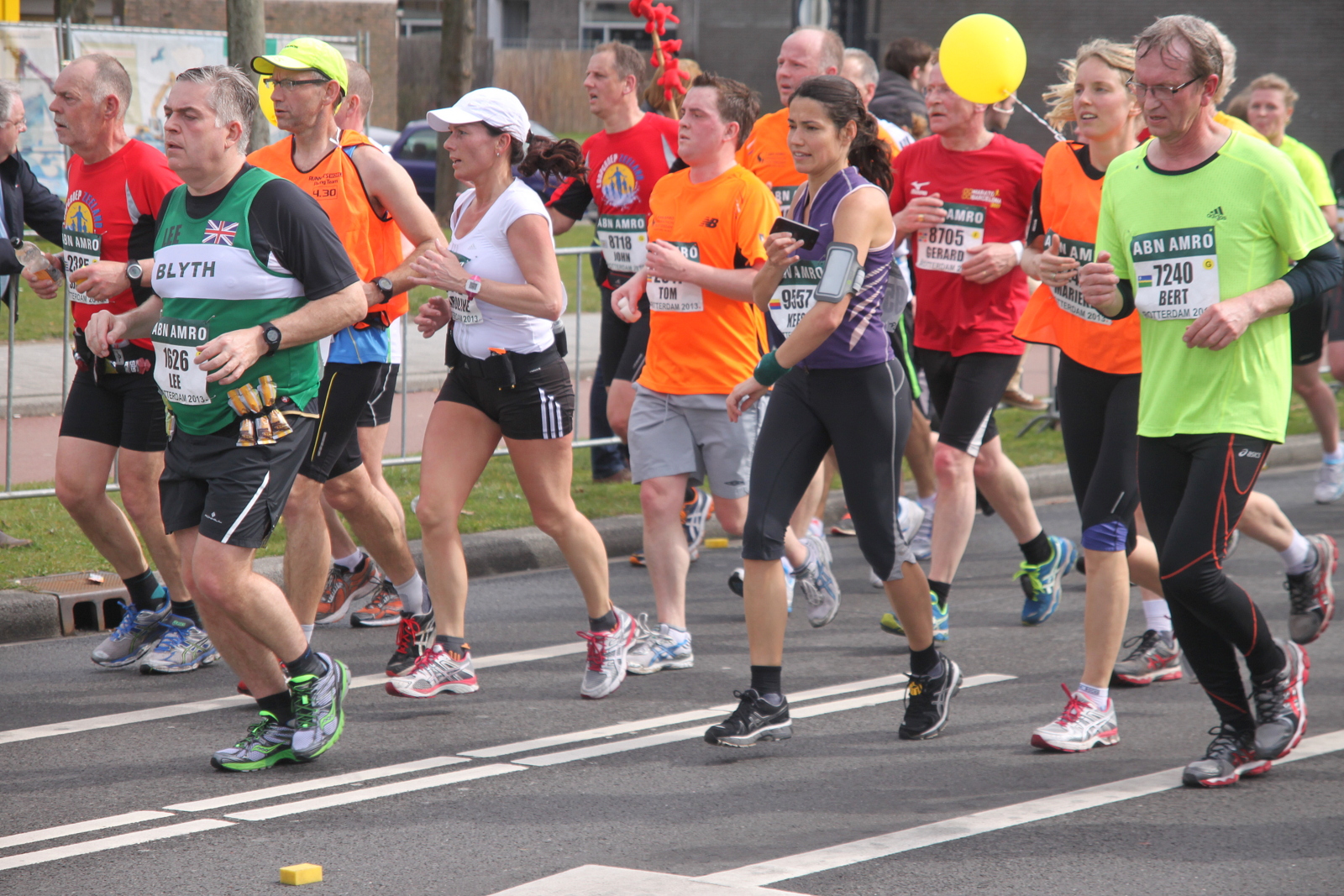
Low fitness raises the risk as well. Beginners breathe harder at a given pace, and their core muscles tire sooner. As fitness improves, many runners find that stitches become rarer, though they can still strike on a hard day.
How to ease a stitch mid-run
The first step is simple: slow down. Drop to an easy jog or a walk until the pain fades. Most stitches ease within minutes once the pace comes down, and pushing through at full speed usually makes the pain worse.
Next, breathe deeply and exhale slowly. Deep belly breathing helps the diaphragm move through a fuller range. Breathing out through pursed lips, as if sipping through a straw, is one technique that Verywell Health lists for easing a stitch.
Pressing the sore spot can help too. Use two or three fingers to press firmly into the painful area while bending the torso slightly forward. Some runners also tighten their abdominal muscles while they press, which adds gentle support to the area.
Another trick is to change the breathing pattern so the exhale lands on the opposite foot strike. If the stitch is on the right side, try exhaling when the left foot hits the ground. This shifts the tug of the organs away from the sore side, and many runners feel relief within a minute.
Raising the arm on the sore side overhead while breathing deeply can stretch the muscles between the ribs. This opens up the side of the torso and gives the cramped area more room. If none of this helps, stop and rest until the pain clears.
How to lower the risk
A proper warm-up is the best place to start. Begin with a brisk walk or an easy jog, and let the pace build over several minutes. A good warm-up before a gym session follows the same idea: ease into effort instead of jumping straight to hard work.
Time your pre-run meals. Leave one to three hours after a heavy meal before running, and keep pre-run drinks modest. Water in small sips during a long run is better than a large volume right before the start.
Build fitness gradually. Sudden jumps in distance or pace stress the breathing muscles and the core at the same time. A steady build gives the diaphragm and the abdominal muscles time to adapt, and it also helps with heavy legs during a run.
Work on posture and core strength. A tall, relaxed running posture keeps the chest open and the abdomen free to move. Core work such as planks supports the trunk and reduces excess movement in the abdomen.
Good habits after the run matter too, including recovering faster after a hard workout.
Practice belly breathing before you need it. A few minutes of slow, deep breathing during easy runs trains the pattern. Then, when a stitch threatens on a hard day, the deep breathing response is already familiar.
When to get care
Most side stitches are harmless and pass quickly. Verywell Health notes that a benign stitch is transient, which means the pain does not last. Once you stop or ease off, it should fade within minutes.
Get medical care if the pain does not go away after several hours, even after you stop exercising. Pain that appears when you are at rest, or that keeps coming back in the same spot outside exercise, also deserves a check. A fever or swelling on the side of the abdomen along with sharp pain needs prompt care.
Pain in the lower right abdomen that is severe and persistent is a separate warning sign. It could point to appendicitis rather than a stitch. Do not wait it out if the pain is severe, keeps getting worse, or comes with fever, vomiting, or tenderness that makes it hard to move.
This article is for general information, not medical advice. If you are unsure about pain during exercise, talk to a clinician about your symptoms.
Frequently asked questions
Why does a stitch usually hit the right side?
The right side is the more common site, and one reason may be the liver. The liver sits on the right side of the abdomen and connects to the diaphragm through ligaments. The tug of the liver during running may irritate the lining or the ligaments on that side more than the left.
Does drinking water during a run cause a stitch?
Water itself is not the main problem. Large volumes of fluid, especially sugary drinks taken just before running, are linked to stitches in the research summaries. Small sips during a run are a better pattern than a big drink right before the start.
Can beginners prevent stitches completely?
No method guarantees a stitch-free run. Beginners can cut the risk a lot with a warm-up, sensible meal timing, and a gradual build in pace. As fitness and breathing rhythm improve, stitches usually become less frequent and less severe.
Should you stop running if a stitch keeps coming back?
If stitches keep returning despite slower starts and better warm-ups, talk to a clinician. Frequent stitches are still usually harmless, but a check can rule out other causes. Bring notes on when the pain starts, where it sits, and what eases it.
The bottom line
A side stitch is a common, short-lived pain under the ribs that comes from irritation in the abdomen and strain on the breathing muscles. It hits about two-thirds of runners each year, and it usually fades within minutes once the pace comes down. Slow down, breathe deeply, press the sore spot, and let the pain pass.
With a warm-up, sensible meal timing, and gradual training, most runners can keep stitches rare. If pain lingers for hours, appears at rest, or comes with fever or severe tenderness, get medical care rather than running through it.
Tags: running, side stitch, exercise pain, breathing
Latest in Fitness
- Warm Up Properly in 5 Minutes Before a Gym Session
- Why Legs Feel Heavy During a Run
- How to Recover Faster After a Hard Workout
- How to Start Strength Training Safely After 40
Subscribe for weekly fitness explainers that separate what works from what only sounds good.
Related stories

How long does it really take to build noticeable muscle?
Strength gains start in week one, but visible muscle takes 8-12 weeks for most beginners. What the Oklahoma CT-scan study measured,

Why you feel dizzy after a workout: the 5 common causes
Post-workout dizziness usually comes from a blood pressure dip, dehydration, or low blood sugar. The numbers behind each cause, and when

Why Do Knees Hurt When Squatting but Not Running?
Knees hurt when squatting but not running because deep bends multiply force on the kneecap. Learn the mechanics, common causes, fixes,