
How to Recover Faster After a Hard Workout Session
Key takeaways
- Sleep is the strongest recovery tool, with most muscle repair happening overnight.
- Total daily protein and steady hydration matter more than any single post-workout window.
- Light movement on rest days beats lying still for easing soreness.
This article is for general information, not medical advice. See a clinician if pain is severe, sudden, or does not improve.
A hard workout ends when you leave the gym. Recovery starts there.
The ache you feel a day or two later has a name: delayed onset muscle soreness, or DOMS. Men's Journal describes it as a normal response to micro-tears in muscle fibers caused by resistance training, with soreness rising as the body repairs the damage.
This article explains how to recover faster after a hard workout, including sleep, food, water, light movement, and the tools that help a little, so your next session starts from a stronger place.
Why recovery matters
Training breaks muscle down. Recovery builds it back stronger.
Without enough recovery, workouts feel harder, soreness lingers, and injuries creep in. The Nutrients special issue on nutrition and muscle recovery states that muscle recovery has become a priority for athletes in different sports, and that the nutritional plan has a decisive influence on stimulating muscle recovery.
The repair process needs raw materials and time. Protein supplies amino acids for rebuilding fibers. Carbohydrates refill glycogen, the stored fuel muscles run on.
Sleep provides the long stretch of quiet hours when much of the repair work happens. Water carries nutrients and clears waste.
Skipping recovery does not make you tougher. It makes the next workout worse.
A muscle that is still repairing cannot produce full force, and tired muscles with poor coordination are easier to strain. The fastest way to train hard again is to recover properly first.
Sleep first
Sleep is the single most powerful recovery tool available. Men's Journal reports that most of the body's muscle repair happens while you are asleep, and that one night of poor sleep lowers muscle protein synthesis by about 20 percent. Deep sleep triggers the release of growth hormone, which helps rebuild muscle tissue.
Aim for 7 to 9 hours of quality sleep, especially after intense training sessions. Parsley Health gives the same range, noting that sufficient rest gives the body time to repair. Keep a consistent sleep schedule, even on weekends, so your body learns when repair time starts.
Make the bedroom work for sleep. Keep it dark, cool, and quiet. Avoid screens for an hour before bed.
Skip caffeine in the late afternoon and evening. Schedule hard sessions earlier in the day when you can, since a very late intense workout can leave you wired at bedtime.
Short naps can help on days when night sleep falls short. A 20- to 30-minute nap after lunch can top up alertness without leaving you groggy. Longer naps late in the day can steal from the night's sleep, so keep them short and early.
Eat enough protein across the day
Protein repairs and rebuilds damaged muscle fibers. Men's Journal reports that recent research says total daily protein matters more than timing, and suggests aiming for 20 grams of high-quality protein every few hours throughout the day. Sources include whey shakes, eggs, Greek yogurt, and lean meat.
The Nutrients review adds useful numbers. The authors state that adequate protein intake per day of 1.2 to 1.6 grams per kilogram of body weight, or 1.4 to 2.0 grams per kilogram, along with protein intake close to physical activity, stimulates muscle recovery. For a 70-kilogram person, that range works out to roughly 84 to 140 grams per day.
Spread the protein across meals rather than loading it into one. A palm-sized portion of protein at breakfast, lunch, dinner, and a snack keeps amino acids available through the day.
Plant eaters can use lentils, beans, tofu, tempeh, and plant-based protein powders. Dairy-free options exist for people who are sensitive to whey.
Carbohydrates matter too. Hard training drains glycogen, and a meal with protein and carbohydrates within a couple of hours after training helps kickstart muscle repair and refill those stores. Rice, oats, fruit, potatoes, and bread all work.
The post-workout meal does not need to be fancy. It needs to be enough.
Do not chase supplements before the basics are covered. Protein powder is convenient, but it is not magic. Ordinary food supplies the same amino acids, plus the vitamins and minerals that a powder leaves out.
Stay hydrated
Even mild dehydration can make soreness worse and slow recovery. Men's Journal reports that one study found dehydrated athletes felt more sore after workouts than those who stayed hydrated, and that losing just 2 to 3 percent of body weight in fluids reduced strength and power.
A quick test: if your urine looks dark yellow, like apple juice, you need more water. Pale straw color is a good target. Drink water through the day, not just during the workout.
Electrolytes help after sweaty sessions. Parsley Health quotes dietitian Kelly Johnston explaining that electrolytes are essential minerals, such as sodium, chloride, and potassium, and that they help replenish nutrients lost through sweat and urine. A pinch of sea salt and a squeeze of citrus in water can help, and salty food at the next meal covers much of the same ground.
Be wary of sports drinks, Johnston adds, since they often contain a lot of added sugar. Water plus a normal meal usually covers recovery hydration for most gym sessions. Long, hot sessions are the exception, where an electrolyte drink earns its place.
Move gently on rest days
Active recovery means light movement on rest days. Parsley Health quotes Johnston saying that active recovery helps accelerate recovery, sometimes more so than rest, because it supports circulation of blood to sore areas, which helps mobilize nutrients for speedier healing.
Good active recovery is easy. Walk for 20 to 30 minutes. Cycle slowly.
Swim at a relaxed pace. Do light yoga or gentle mobility work. The effort should feel like a 3 or 4 out of 10, never a second workout.
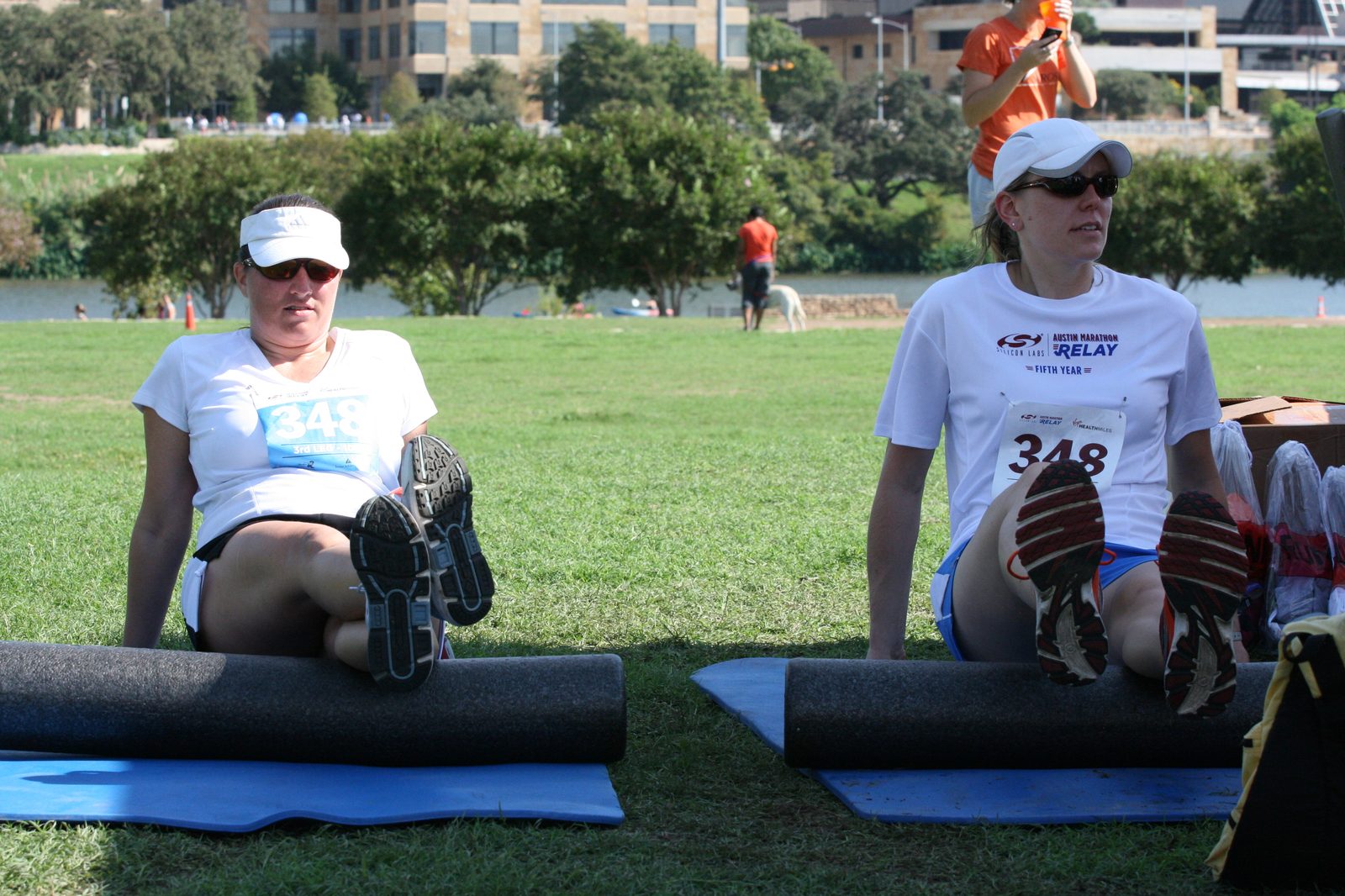
Foam rolling fits here too. Men's Journal reports that rolling out muscles improves blood flow and helps flush out waste products that cause stiffness, and suggests spending 90 seconds rolling each sore area.
Roll slowly, pause on tender spots, and breathe. Sharp pain means you should stop and move elsewhere.
Stretching is useful, with one honest correction. Parsley Health notes that stretching does not reduce soreness or boost recovery, according to research, but it can help you relax after an intense workout. Gentle stretching after training is still worth doing for mobility and for the calm-down effect, just not as a soreness cure.
What about cold, heat, and compression?
Cold therapy helps reduce swelling and inflammation. A cold shower or a brief cold soak after a hard session can ease the heavy-legged feeling. Heat relaxes muscles and can help them rebuild, and Men's Journal notes that foam rolling plus heat relaxes muscles and helps them rebuild.
Compression gear may help a little. Men's Journal reports that studies show wearing compression garments can lessen muscle pain and speed recovery, and that graded compression, tighter near the ankle and looser near the top, works best. Compression sleeves or leggings are a low-risk option if they feel good.
Massage is another option. A 20- to 30-minute massage can ease soreness, and a foam roller or massage gun covers much of the same ground at home.
None of these tools replace sleep, food, and water. Think of them as the last 10 percent, not the foundation.
Plan the week, not just the day
Recovery is a weekly pattern, not a single shake. The American College of Sports Medicine advises giving the body two to three days of rest before repeating the same exercise, to allow for proper muscle recovery and growth.
That does not mean three days on the couch. It means three days before hammering the same muscles again.
Rotate the stress. Train legs hard on Monday, upper body on Tuesday, and legs again on Thursday.
Hard days alternate with easy days. The easy days are when the adaptation from the hard days actually happens.
Watch for the warning signs of under-recovery: persistent fatigue, workouts that keep getting worse, mood changes, poor sleep, and soreness that never fades. Those signals mean the training load is outrunning recovery. The fix is usually more sleep, more food, and a lighter week, not a new supplement.
Track the basics for two weeks: hours slept, protein at each meal, water intake, and soreness on a 1 to 10 scale. Patterns show up fast. Many people find that the nights they sleep six hours are the mornings they feel wrecked, which is all the evidence they need.
This kind of planning pairs well with the warm-up habits that keep sessions safe. See how to warm up properly in 5 minutes before a gym session and why your legs feel heavy during a run.
Questions people ask about workout recovery
How long does muscle soreness last?
Typical delayed onset muscle soreness peaks 24 to 72 hours after a hard or unfamiliar session, then fades over the next day or two. Soreness that keeps getting worse after three days, or comes with swelling, dark urine, or weakness, needs medical attention.
Should I work out while sore?
Light training is fine if the soreness is mild. Train a different muscle group, or do an easy version of the same workout. Skip hard training on a muscle group that is still very sore, since it has not finished repairing.
Is an ice bath worth it?
Cold water can reduce soreness after very hard sessions, but it is not essential for most gym training. A cool shower, good sleep, and a protein-rich meal cover the basics. Save ice baths for peak weeks or competition blocks.
Do I need protein within 30 minutes of training?
No. Total daily protein matters more than a narrow window.
Eating a balanced meal with protein within a couple of hours after training is plenty. Spreading protein across the day beats obsessing over the clock.
Does stretching prevent soreness?
Research says stretching does not reduce soreness. It still helps you relax and keeps joints moving through a full range. Treat stretching as mobility and cool-down work, not as a soreness cure.
Outlook
Recovery is not a luxury add-on to training. It is the half of training that makes you stronger. Sleep 7 to 9 hours, eat enough protein across the day, stay hydrated, move gently on rest days, and give each muscle group two to three days before training it hard again.
Do those basics well and the gadgets matter far less. If soreness stays severe, or you notice swelling, weakness, or dark urine, talk to a clinician promptly rather than pushing through.
Tags: recovery, workouts, muscle soreness, sleep
Latest in Fitness
- How to get a stitch in your side while running
- Why your legs feel heavy during a run
- How to start strength training safely after 40
- How to warm up properly in 5 minutes before a gym session
Subscribe for one practical fitness recovery tip in your inbox each week.
Related stories

How long does it really take to build noticeable muscle?
Strength gains start in week one, but visible muscle takes 8-12 weeks for most beginners. What the Oklahoma CT-scan study measured,

Why you feel dizzy after a workout: the 5 common causes
Post-workout dizziness usually comes from a blood pressure dip, dehydration, or low blood sugar. The numbers behind each cause, and when

Why Do Knees Hurt When Squatting but Not Running?
Knees hurt when squatting but not running because deep bends multiply force on the kneecap. Learn the mechanics, common causes, fixes,