
How to Warm Up Properly in 5 Minutes Before a Gym Session
Key takeaways
- A good warm-up has three parts: raise your pulse, move your joints dynamically, and rehearse the lifts you will do.
- Skip static stretching before training. Save long holds for after the session.
- Five minutes covers most gym sessions. Give heavy lifting or explosive work closer to ten.
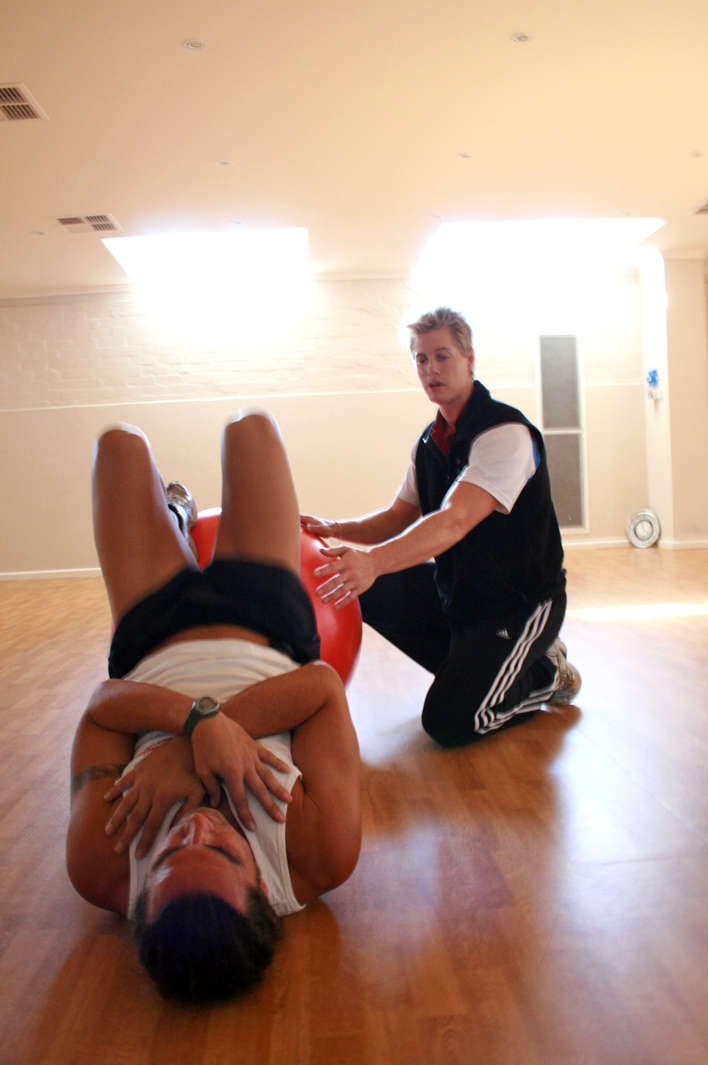
Five minutes feels too short to matter. It is not. A focused five minutes raises muscle temperature, wakes up the nervous system, and rehearses the moves you are about to load.
Skipping it is the fastest way to turn a short workout into a long layoff.
This article explains how to warm up properly in 5 minutes before a gym session, including the three-part structure, a minute-by-minute routine, and the mistakes that undo the benefit.
What a warm-up actually does
A warm-up does three specific jobs, according to RepWheel. It raises the temperature of muscles and connective tissue so they are more elastic. It wakes up the nervous system so muscles fire faster and more forcefully.
It rehearses the movement patterns you are about to load, so your first working set is not the first time your body has done that motion that day.
Sodexo describes the same shift in plain terms. A warm-up moves the body from rest to activity. At rest, blood flow favours organs and the brain.
During exercise, the arms and legs need more fuel and flexibility, and the joints need greater range of motion. A warm-up delivers that shift before the hard work starts.
The payoff is measurable. Sodexo cites a review of 32 studies that found warming up improved performance by as much as 20 percent. Warmer muscles contract and relax more effectively, joints move through a fuller range, and the body meets the demands of exercise with less early strain.
The three-part structure
RepWheel lays out a structure that fits five minutes. First comes a pulse raiser of 1 to 3 minutes: light cardio to get blood moving, such as jogging in place, jumping jacks, or a brisk walk. The goal is a slight rise in breathing rate, not fatigue.
Second comes dynamic mobility for 2 to 3 minutes: controlled, moving stretches through a full range of motion, such as leg swings, arm circles, hip openers, and walking lunges with a twist. This is where you actually loosen up.
Third comes movement-specific prep for 1 to 2 minutes: a lighter version of what you are about to do. Before squats, do bodyweight squats. Before push-ups, do a few slow, easy reps.
RepWheel calls this the step people skip most, and says it matters most for anything loaded or explosive.
Revival Fitness lists the same building blocks: general movement to elevate heart rate, dynamic mobility drills, activation work for key muscle groups, and movement prep based on the workout. A solid warm-up, in its guide, takes about 5 to 10 minutes. The exact mix changes with the session, and the article advises tailoring the warm-up to the training ahead.
A minute-by-minute 5-minute routine
RepWheel gives a simple routine you can use today. Run it in order, keep moving, and keep the effort easy.
Minutes 0 to 1: pulse raiser. Do 30 seconds of jumping jacks or high knees, then 30 seconds of light jogging in place. You should breathe a little harder and feel warmer.
You should not feel tired.
Minutes 1 to 3: dynamic mobility. Do 10 walking lunges with a torso twist on each side, then 10 arm circles forward and 10 backward. Move through the full range, and let the range grow as your body loosens.
Sodexo advises starting with small, controlled motions and gradually increasing the range of movement.
Minutes 3 to 5: movement prep. Do 10 bodyweight squats, then 10 slow push-ups, or push-ups on knees. If your session is lower-body focused, swap the push-ups for extra squats and leg swings.
If it is upper-body focused, swap the squats for band pull-aparts or extra arm circles.
Finish the routine feeling warm, loose, and ready. RepWheel gives a practical check: a light sweat, a slightly elevated heart rate, and joints that feel looser than when you started. You should not feel fatigued.
A warm-up should leave you ready to perform, not tired before you have started.
Match the warm-up to the session
Five minutes covers most gym sessions, but the mix should follow the workout. Revival Fitness advises emphasizing mobility and joint prep for the hips, shoulders, and ankles before strength work, rhythmic dynamic moves like high knees or butt kicks before cardio, and core activation plus balance drills before functional training.
Sodexo makes the same point with a simple rule: mimic the moves. Warm up by simulating the motions of your workout. For weight training, do a few reps without weights.
For a sport, rehearse its swings or steps before going full speed.
Give yourself more time when the session demands more. RepWheel advises closer to ten minutes before heavy lifting or anything explosive, such as sprints, jumps, or kettlebell swings, since joints and the nervous system need more runway before max effort. A longer warm-up is also sensible when you train first thing in the morning, when the body starts cold and stiff.
Why static stretching waits until after
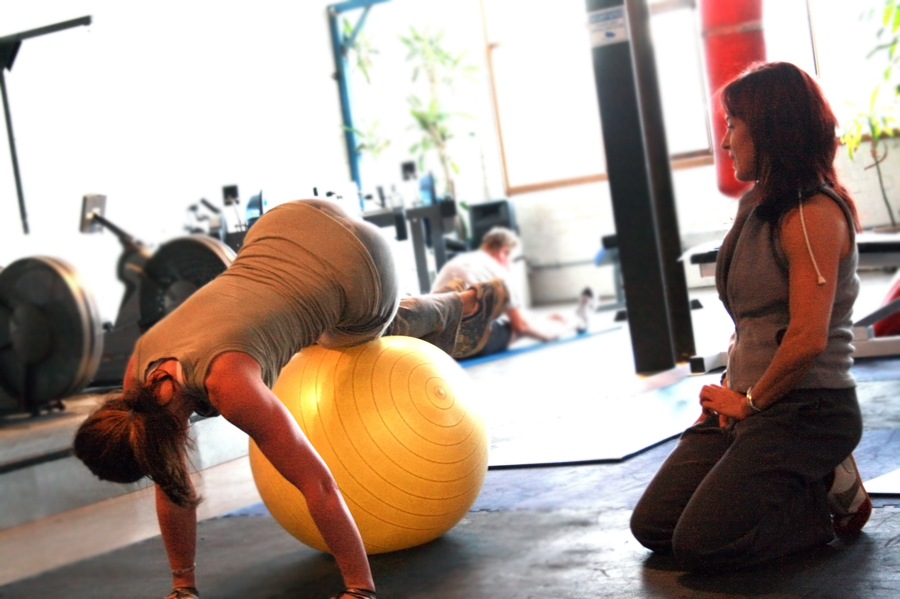
Static stretching means holding a stretch for a prolonged time. Before training, it is the wrong tool. RepWheel explains that holding a cold hamstring stretch for 30 seconds does not raise heart rate, does not prime the nervous system, and can even temporarily reduce the force a muscle can produce.
Revival Fitness agrees. Static stretches involve holding a position for 20 to 30 seconds, and they are better reserved for post-workout cool-downs, since they relax muscles and may reduce strength output when done before intense training. Sodexo gives the same advice: save static stretching for after the workout, when muscles are already warm, and use dynamic stretches and movement-based drills before exercise.
The rule is easy to remember. Before training, move through stretches. After training, hold them.
If your warm-up has you standing still, it is not warming you up.
Mistakes that waste a warm-up
Skipping the warm-up is the most common mistake. RepWheel calls cutting the warm-up to save five minutes the easiest way to turn a 25-minute workout into a two-week setback. Revival Fitness lists the same error first, alongside going too fast too soon, static stretching before lifting or sprinting, warm-up moves that do not match the workout, and rushing through with poor form.
Rushing is its own problem. A warm-up done at full speed with sloppy form rehearses sloppy patterns. Move with control, keep the range smooth, and treat the prep as part of the training rather than a chore before it.
Revival Fitness frames it well: warming up is part of the workout, not extra.
A generic warm-up is the subtler mistake. A warm-up for squat day should look different from a warm-up for an upper-body pushing day, as RepWheel notes. Bias the prep toward what you are about to train.
Your shoulders need more attention before pressing. Your hips and ankles need more before squatting.
FAQ
Can I skip the warm-up for a light session?
You can shorten it, but RepWheel advises against skipping it entirely. Even two to three minutes of light movement, such as marching in place, arm circles, and bodyweight squats, raises core temperature and primes the joints you are about to use. Light sessions still load joints and muscles.
Is stretching before a workout the same as warming up?
No. RepWheel states that static stretching, holding a stretch for 20 to 30 seconds, is best saved for after training. Before training, dynamic movement such as leg swings, walking lunges, and arm circles does a better job of preparing muscles and joints for work.
How do I know my warm-up is working?
Look for a light sweat, a slightly elevated heart rate, and joints that feel looser than when you started, according to RepWheel. You should feel ready to perform, not tired. If you feel fatigued, you pushed the warm-up too hard.
How long should a warm-up be before heavy lifting?
Give heavy lifting closer to ten minutes. RepWheel says five to ten minutes covers almost any bodyweight or moderate-intensity session, and advises closer to ten before heavy lifting or anything explosive. The heavier the session, the more runway your joints and nervous system need.
The bottom line
Warm up in three blocks: one minute to raise your pulse, two minutes of dynamic mobility, and two minutes rehearsing the moves you will load. Skip static stretching until after training, match the prep to the session, and finish feeling warm and loose rather than tired. Five minutes of preparation protects the whole workout that follows.
Tags: fitness, warm-up, gym, injury prevention
Latest in Fitness
- How to get a stitch in your side when running, and what to do
- Why do your legs feel heavy during a run?
- How to start strength training safely after 40
- How to recover faster after a hard workout
Subscribe for one practical fitness guide in your inbox each week.
Related stories

How long does it really take to build noticeable muscle?
Strength gains start in week one, but visible muscle takes 8-12 weeks for most beginners. What the Oklahoma CT-scan study measured,

Why you feel dizzy after a workout: the 5 common causes
Post-workout dizziness usually comes from a blood pressure dip, dehydration, or low blood sugar. The numbers behind each cause, and when

Why Do Knees Hurt When Squatting but Not Running?
Knees hurt when squatting but not running because deep bends multiply force on the kneecap. Learn the mechanics, common causes, fixes,