
How Long Should a Beginner Workout Actually Last
Key takeaways
- A beginner workout of 20 to 45 minutes, warm-up included, covers most first sessions well.
- Adults should aim for 150 to 300 minutes of moderate activity per week, plus muscle strengthening on 2 or more days.
- A focused 15 to 30 minute session beats a long unfocused one, and short bouts of 10 minutes still count.
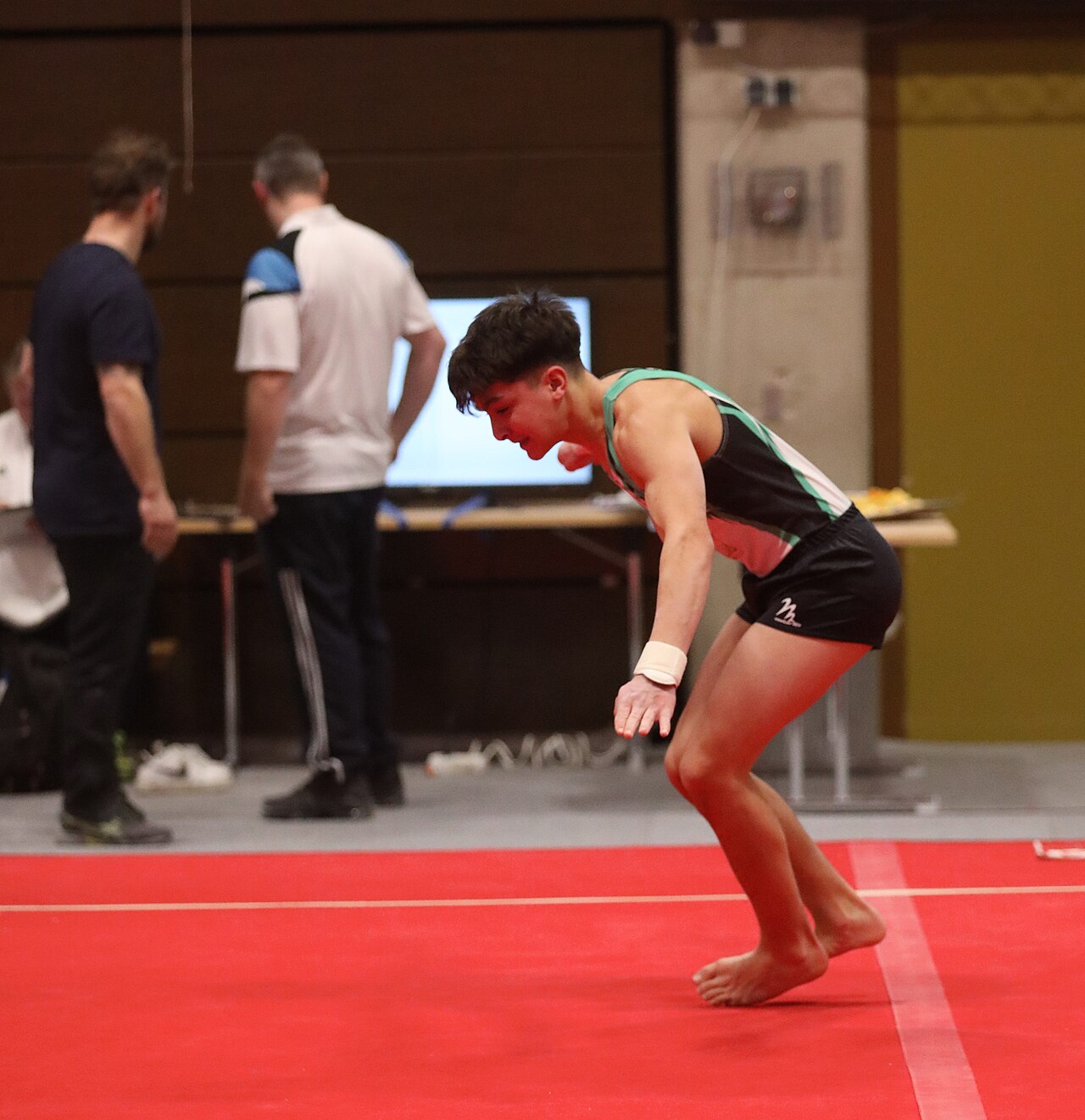
A beginner workout should last 20 to 45 minutes, including the warm-up. That range covers a short strength session, a brisk walk, or a simple cardio workout with room to cool down. Longer sessions exist, but they are not required to make progress in the first weeks.
This article explains the weekly targets behind that range, the minimum session that still counts, how to split the time inside a workout, and when to add minutes.
The weekly target that sets session length
Session length only makes sense against the weekly total. The World Health Organization 2020 guidelines recommend that adults get 150 to 300 minutes of moderate-intensity aerobic activity per week, or 75 to 150 minutes of vigorous-intensity activity, or an equivalent mix of the two. The same guidelines recommend muscle-strengthening activity on 2 or more days per week.
Divide 150 minutes across 5 days and you get 30 minutes a day. Divide it across 3 days and you get 50 minutes a day. Both splits meet the target.
A beginner does not need to start at the full total. The WHO message that some activity beats none is the starting point, and the weekly total is the direction to build toward.
Harvard Health adds a useful caution. The 150-minute target is a good aim, but the right amount depends on a person's condition and goals.
People returning from injury or living with health issues may need less time or lower intensity at first. A talk with a doctor or a qualified trainer can help set a personal target.
The minimum session that still counts
Short sessions count. The American College of Sports Medicine notes that aerobic sessions often run 30 to 60 minutes, but shorter bouts of at least 10 minutes can be effective, especially for beginners or people short on time. That 10-minute floor is the key fact for a nervous beginner.
A 10-minute walk is not a failed workout. It is a real bout.
Men's Fitness puts the minimum effective session at 15 to 30 minutes: a few major movement patterns done with care. That range fits a beginner strength session built on a squat, a push, a pull, and a hinge. Four moves, a few sets each, and the session is done.
The practical floor for a first workout is therefore about 20 minutes. Five minutes of easy warm-up, 10 to 15 minutes of main work, and a few minutes to cool down. That session is short enough to repeat, and repetition is what turns a workout into a habit.
How a 30-minute beginner session breaks down

Mitchell, Elmer Dayton, 1889-*
Image Credits: Wikimedia Commons
A clear structure keeps a short session honest. Without one, 30 minutes can dissolve into machine-hopping and phone checks. With one, every minute has a job.
Warm up for 5 minutes. Walk, pedal lightly, or march in place until breathing rises a little and joints feel loose. Add a few gentle arm circles and leg swings.
The warm-up is not wasted time. It raises body temperature and readies the muscles for work.
Do the main work for 15 to 25 minutes. For cardio, that means brisk walking, easy cycling, or slow jogging at a pace where talking is possible but singing is not.
For strength, that means 2 to 4 sets of 4 to 6 exercises, with rest between sets. The American College of Sports Medicine recommends training major muscle groups at least twice per week, so a full-body session twice a week covers the base.
Cool down for 3 to 5 minutes. Slow the pace, breathe easily, and stretch the muscles that worked hardest.
The cool-down also gives a moment to note how the session felt. That note guides the next session.
Strength, cardio, or both
Beginners often ask which type to pick. The honest answer is that both matter, and the split can stay simple. Two strength sessions and two or three cardio sessions per week cover the WHO targets for most healthy adults.
Strength sessions for beginners run 30 to 60 minutes, according to the Men's Fitness ranges. A beginner sits at the short end. General cardio sessions run 20 to 45 minutes.
A beginner walk of 20 minutes fits that range at the low end. Endurance sessions of 45 to 120 minutes belong to later goals, not to week one.
A combined session works too. A 10-minute walk, 15 minutes of bodyweight strength, and a 5-minute cool-down fits in 30 minutes.
The order matters little for a beginner. What matters is that both types appear across the week.
Rest between strength sets is part of the session, not a break from it. One to 2 minutes between sets of a beginner routine is normal.
Shorter rests raise the heart rate but can hurt form. Longer rests suit heavy lifts, which beginners rarely need in week one.
When to add time
Add time when the current session feels too easy for two sessions in a row. The test is simple.
If you finish a 20-minute session with plenty left and recover by the next day, add 5 minutes. If the session still feels hard, hold the length and add a little effort instead.
Add a session before adding length. Three 30-minute sessions beat one 90-minute session for most beginners.
Shorter frequent sessions build the habit, spread the load, and keep soreness manageable. The weekly total grows without any single day becoming a chore.
Watch for the signs that a session ran too long. Form falling apart, joints aching during the workout, or exhaustion that lasts past the next day all point to too much, too soon. Soreness a day or two after a new workout is normal.
Pain during the workout is not. Stop the exercise that hurts and check form or load before repeating it.
Progression has a standard order. First, repeat the same session until it feels steady. Then add a little effort, such as a faster pace or a heavier band.
Then add a set or a few minutes. Jumping all three at once invites soreness and missed sessions.
What a first week can look like
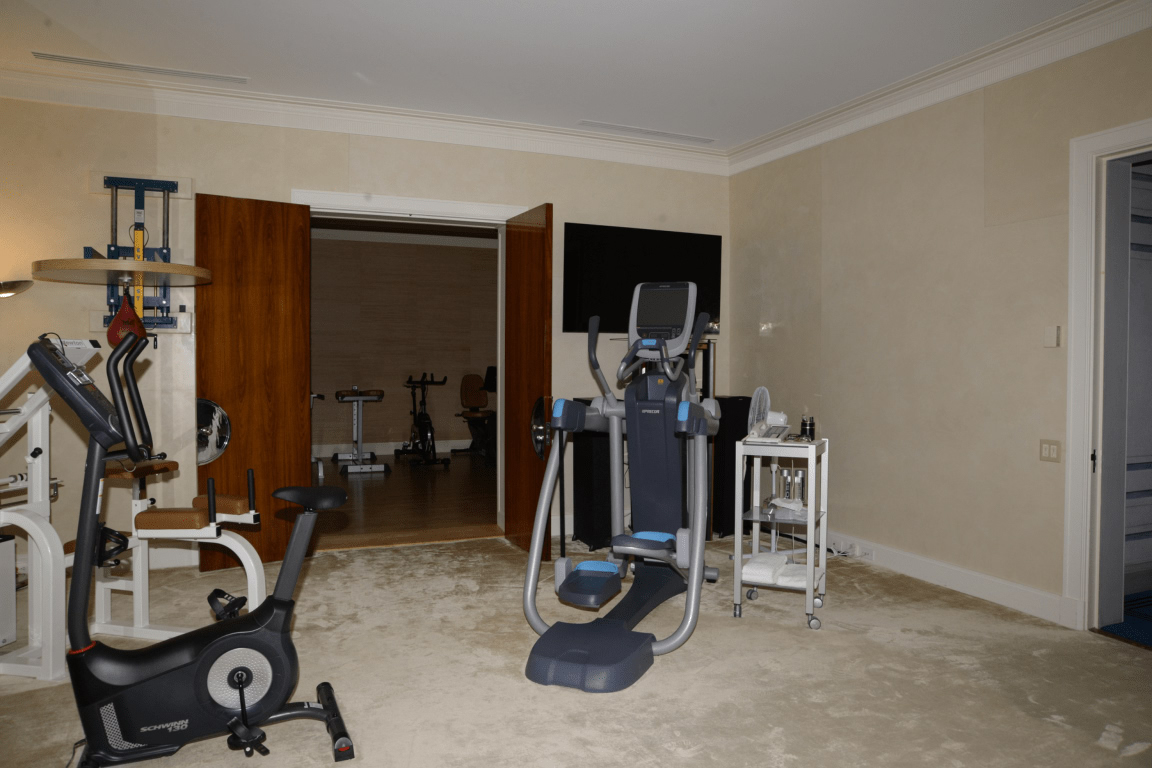
A realistic first week has three sessions and rest days between them. Day one is a 20-minute walk. Day three is a 25-minute bodyweight session with warm-up and cool-down.
Day five is a 30-minute walk with a few gentle hills. Total time lands near 75 minutes, about half the WHO weekly target, and that is a fine start.
Week two can add a fourth session. A second strength day joins the first, and the walks grow by 5 minutes each. Total time lands near 110 minutes.
Week three can reach five sessions and approach 150 minutes. This ladder works because each step is small and the body adapts between steps.
People with little free time can use a different ladder. Three 10-minute walks a day, five days a week, reach 150 minutes without any single session passing 10 minutes.
The ACSM note that short bouts count makes this plan legitimate. Walking meetings, stair climbs, and brisk errands all add up.
Common beginner mistakes
The first mistake is copying an advanced routine. A 90-minute bodybuilder split with 20 sets per muscle group is a poor first workout.
It produces crushing soreness and a strong urge to quit. A beginner needs a handful of moves, not a full catalogue.
The second mistake is treating rest as laziness. Muscles adapt between sessions, not during them.
Two strength sessions on back-to-back days leave little room for recovery. Rest days are part of the plan.
The third mistake is chasing sweat instead of form. A session that leaves you soaked but teaches poor squat form is a bad trade. Slow, controlled reps with good form build the base that later intensity needs.
The fourth mistake is skipping the warm-up to save time. Five easy minutes reduce stiffness and make the main work feel smoother. Cutting them saves 5 minutes and costs quality across the rest of the session.
FAQ
Is 20 minutes enough for a beginner workout?
Yes. A 20-minute session with a warm-up, focused main work, and a cool-down builds the habit and delivers real training. Short bouts of 10 minutes count toward the weekly total, so 20 minutes clears that floor with room to spare.
How many days per week should a beginner exercise?
Three days per week is a strong start. That allows rest between sessions and room for life. Build toward four or five days as the habit firms up, with muscle strengthening on at least 2 of those days.
Should beginners do cardio or strength first?
Either order works for a beginner. Pick the one you enjoy more and do it first, when energy is highest. The habit matters more than the order in the first weeks.
When will I see results?
Strength and stamina often improve within a few weeks of steady sessions, but visible changes take longer. Track what you can measure, such as walking pace, reps, or how fast you recover. Those numbers move before the mirror does.
The bottom line
A beginner workout should last 20 to 45 minutes, warm-up included. That range respects the WHO weekly target of 150 to 300 minutes of moderate activity plus strength work twice a week, without demanding a marathon first session.
Start near 20 minutes, repeat three times a week, and add 5 minutes or one session when the current plan feels easy twice in a row. Short and steady beats long and rare.
Tags: fitness, beginner workouts, exercise, strength training
Latest in Fitness
- Why muscles get sore two days after exercise
- How to start running when you have never run
- The difference between cardio and strength training
Subscribe for one practical fitness guide in your inbox each week.
Related stories

How long does it really take to build noticeable muscle?
Strength gains start in week one, but visible muscle takes 8-12 weeks for most beginners. What the Oklahoma CT-scan study measured,

Why you feel dizzy after a workout: the 5 common causes
Post-workout dizziness usually comes from a blood pressure dip, dehydration, or low blood sugar. The numbers behind each cause, and when

Why Do Knees Hurt When Squatting but Not Running?
Knees hurt when squatting but not running because deep bends multiply force on the kneecap. Learn the mechanics, common causes, fixes,