
Why Do Muscles Get Sore Two Days After Exercise?
Key takeaways
- Delayed onset muscle soreness peaks 24 to 72 hours after unfamiliar or intense exercise.
- Tiny damage to muscle fibers plus the repair response causes the ache, not lactic acid.
- Light movement, sleep, and protein ease it, and it usually fades within three to five days.
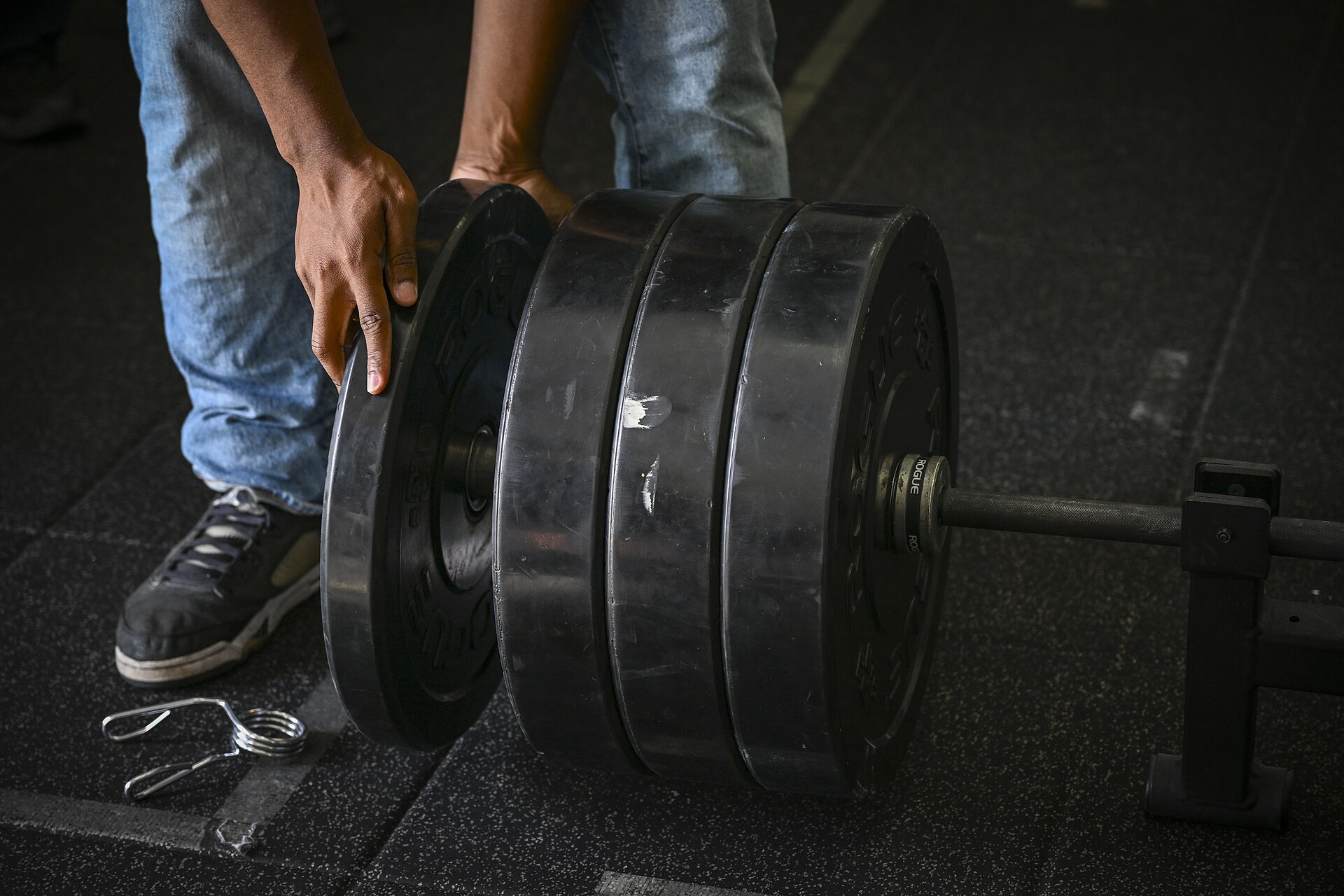
You finish a workout feeling fine. The next morning brings a mild stiffness. Then day two arrives, and the stairs turn into a negotiation.
Sitting down needs a plan. Sneezing hurts your core. The workout was two days ago, so why does the pain show up now?
The answer is delayed onset muscle soreness, known as DOMS. It is the dull ache and stiffness that appears hours after exercise and peaks one to three days later. This article explains why muscles get sore two days after exercise, including what happens inside the muscle, why the pain is delayed, and what helps.
What is DOMS?
DOMS is the pain and stiffness felt in muscles after unaccustomed or strenuous exercise. It is felt most strongly 24 to 72 hours after the workout, according to the medical literature summarized on Wikipedia. It usually fades on its own within three to five days, and can take up to seven days after a very hard session.
DOMS differs from the burn you feel during a workout. That burn comes from metabolites building up while the muscle works hard, and it clears within minutes of stopping. DOMS is a separate process.
It is one symptom of exercise-induced muscle damage, along with a temporary drop in strength and a smaller range of motion.
Anyone can get DOMS. Beginners feel it after a first session. Experienced lifters feel it after a new exercise, heavier weights, or a return from a break.
It is a sign that the muscles met something unfamiliar, not proof that a workout was good or bad.
What causes the soreness
The main driver is microscopic damage to muscle fibers. Eccentric contractions are the biggest trigger. An eccentric contraction is the lengthening phase of a movement, such as lowering a barbell during a squat or walking down a hill.
The muscle produces force while it gets longer, and that combination stresses the fibers.
That stress creates tiny disruptions in the muscle fibers and the connective tissue around them. The damage is small. A single fiber is far thinner than a hair, and the tears are measured at that scale.
But thousands of fibers share the load, so the total effect is a real ache.
The body then starts a repair process. Blood flow to the area increases. Immune cells move in to clear damaged material.
Signaling molecules linked to inflammation are released. That inflammatory response is part of healing, and it also sensitizes the nerve endings in the muscle. The result is tenderness when the muscle is stretched, contracted, or pressed.
At rest, it often feels fine. That pattern, pain on use but not at rest, is typical of DOMS.
Why the pain waits two days
The delay confuses people because most pain is instant. A stubbed toe hurts now. DOMS takes a day or two to peak because the repair process takes time to build.
The micro-damage happens during the workout. The inflammatory response builds over the following hours. Fluid collects in the tissue.
Nerve endings become more sensitive as the repair chemicals accumulate. Soreness rises through the first 24 hours, peaks between 24 and 72 hours, then falls as repair finishes.
Researchers have described this pattern since 1902, when Theodore Hough first wrote about it. More than a century later, the basic picture holds. The lag is not a mystery signal.
It is the time the body needs to mount a full repair response.
The lactic acid myth
A common belief says lactic acid causes next-day soreness. It does not. Lactate rises during hard exercise and clears within an hour or so after stopping.
It is long gone by the time DOMS peaks on day two.
Lactate is not a waste product either. The body reuses it as fuel. The burn during a hard set is real, but it comes from the working muscle, not from a chemical that sits in the tissue for days.
If someone sells a "lactic acid flush" for DOMS, that product is solving a problem that does not exist.
The real story is mechanical damage plus inflammation. That is less catchy than a toxin flush, but it matches the timing. Damage during exercise, inflammation over the next day, soreness peaking at 48 hours.
What makes DOMS more likely
Novelty is the biggest factor. Any movement your muscles have not done before can trigger DOMS, even if it feels easy at the time. New exercises, new rep ranges, and longer sessions all count.
Eccentric-heavy work is next. Downhill running, lowering weights slowly, and jump landings all load muscles while they lengthen. Isometric holds cause much less soreness.
Concentric-only work, such as cycling uphill with no downhill, causes very little.
Intensity and volume matter too. A sudden jump in weight or sets stresses fibers that were not ready for it. Returning after a break has the same effect.
The muscles have lost some of their conditioning, so a normal-looking session feels new again.
After the same workout is repeated, soreness drops sharply. This is the repeated bout effect. The muscle adapts quickly, adding structural support that resists the same damage next time.
That is why the second week of a program hurts less than the first, even at the same weights.
What actually helps
No method erases DOMS quickly. The evidence for most remedies is modest. Still, a few steps ease the discomfort while repair runs its course.
Keep moving gently. Light walking, easy cycling, or a relaxed swim increases blood flow without adding damage. Many people find that a sore muscle feels better once it warms up.
Avoid hard training on the same muscles until the soreness fades. Training through heavy DOMS with full loads can add damage faster than the body clears it.
Sleep matters. Repair runs hardest during sleep, and short nights slow recovery. A full night of sleep beats any supplement for a sore lifter.
Eat enough protein across the day. Protein supplies the building blocks for repair. No single meal fixes DOMS, but a steady intake across the day supports the process.
Stay hydrated too. Water supports circulation and tissue repair, and dehydration makes fatigue worse.
Massage may ease soreness modestly. Heat, such as a warm bath, can relax stiff muscles and feel good, though it does not speed repair much. Cold baths have mixed evidence.
Some people find them soothing. Others find the chill adds stress without clear benefit.
Painkillers such as ibuprofen can reduce soreness, but they may also blunt the repair signals the muscle uses to adapt. Occasional use for real discomfort is reasonable. Daily use to mask DOMS is a poor trade.
How to reduce DOMS next time
You cannot fully prevent DOMS when you try something new, and you should not want to. Some soreness is a normal part of adapting. But you can keep it manageable.
Progress gradually. Add weight, reps, or distance in small steps instead of big jumps. A 10 percent weekly increase is a common guide.
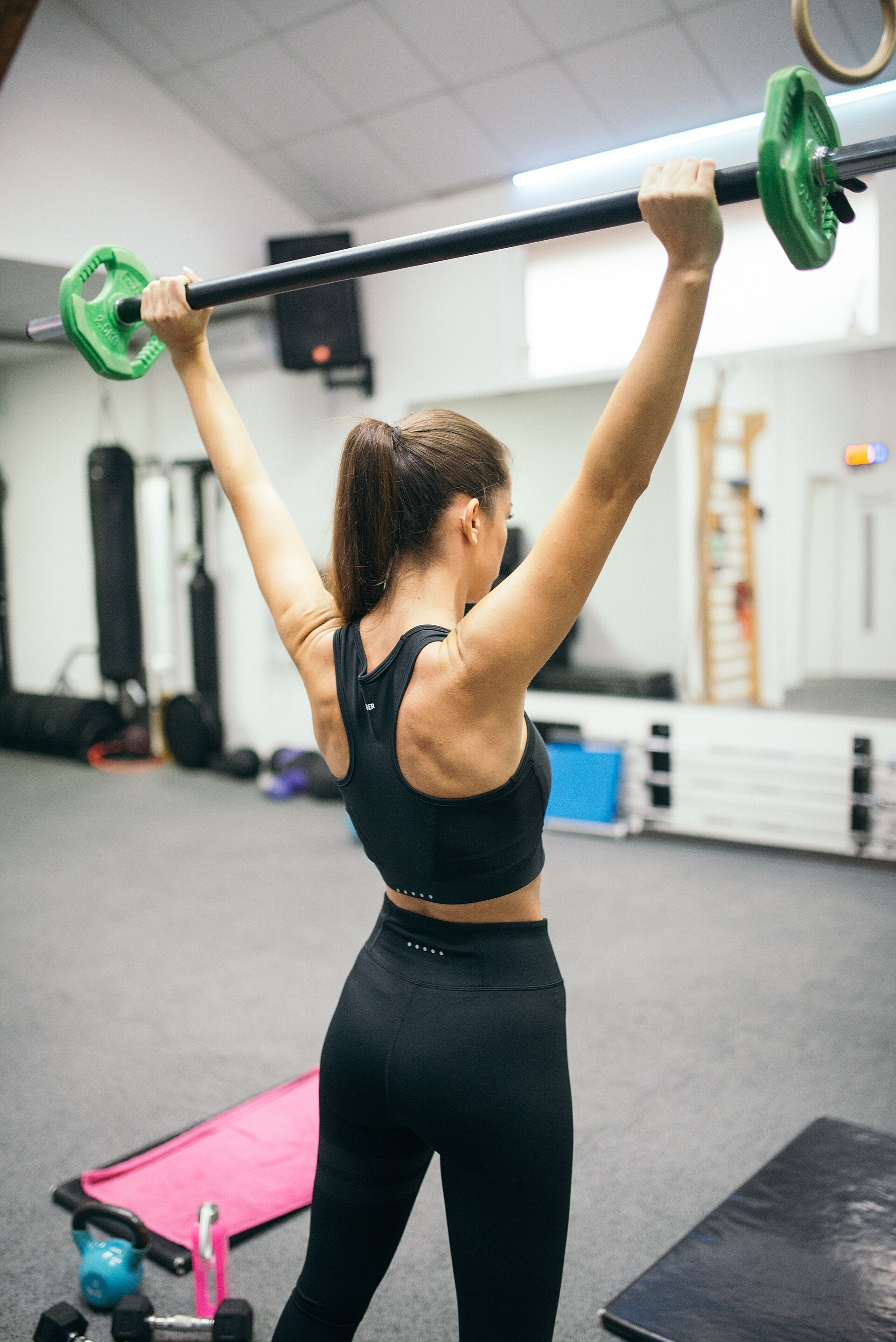
Warm up before hard sets. A few minutes of easy movement plus lighter warm-up sets prepares the muscles for heavier work.
Include eccentric work on purpose, but dose it. If downhill running or slow negatives are new, start with a short bout. The first exposure teaches the muscle to adapt.
The second exposure hurts far less.
Cool down with a few minutes of easy movement after a hard session. It will not prevent DOMS, but it helps you notice how your body feels while you are still warm.
When soreness is a warning sign
DOMS is dull, symmetrical, and tied to muscles you worked. It fades within a few days. Some symptoms deserve prompt medical attention.
See a clinician if your urine turns dark brown or cola-colored, or if you pass very little urine. That can signal rhabdomyolysis, a rare condition in which damaged muscle releases proteins that strain the kidneys. Severe swelling, numbness, or pain that keeps worsening after three days also warrants care.
So does a joint that will not bear weight, or pain centered in one spot that feels like a tear rather than a broad ache.
This article is for general information, not medical advice.
Frequently asked questions
Is DOMS a sign of a good workout?
Not by itself. Soreness means the muscles met an unfamiliar demand. A good program can produce progress with little soreness once the body adapts.
Chasing soreness for its own sake leads to junk volume and fatigue.
Should I train through DOMS?
Light movement is fine. Hard training on the same muscles can wait. If soreness is mild, a lighter session at reduced load works.
If stairs are a struggle, rest that muscle group one more day.
Does stretching cure DOMS?
Stretching feels good for some people, but the evidence that it prevents or cures DOMS is weak. Gentle stretching after a workout is harmless. It is not a cure.
Why do my legs hurt more than my arms?
Leg muscles are large and carry your body weight, so a new leg session damages more tissue. Downhill walking and stairs add eccentric load. Arms recover faster because the loads are smaller and the range of motion is shorter.
The bottom line
Muscles get sore two days after exercise because microscopic damage during the workout triggers a repair process that peaks 24 to 72 hours later. Lactic acid is not the cause. The soreness is normal, it fades within days, and light movement, sleep, and protein help while repair runs.
Progress slowly, and the same workout will hurt far less the second time. If you are new to training, start with a guide on how long a beginner workout should last and how to start running if you have never run.
Tags: DOMS, muscle soreness, recovery, exercise
Latest in Fitness
- How Long Should a Beginner Workout Last
- Start Running If You Have Never Run
- Cardio vs Strength Training
- Build a Home Workout With No Equipment
Subscribe for one practical fitness guide in your inbox each week.
Related stories

How long does it really take to build noticeable muscle?
Strength gains start in week one, but visible muscle takes 8-12 weeks for most beginners. What the Oklahoma CT-scan study measured,

Why you feel dizzy after a workout: the 5 common causes
Post-workout dizziness usually comes from a blood pressure dip, dehydration, or low blood sugar. The numbers behind each cause, and when

Why Do Knees Hurt When Squatting but Not Running?
Knees hurt when squatting but not running because deep bends multiply force on the kneecap. Learn the mechanics, common causes, fixes,