
What Is the Difference Between Cardio and Strength Training?
Key takeaways
- Cardio trains the heart and lungs through sustained rhythmic effort; strength training builds muscle and bone through resistance.
- Adults need at least 150 minutes of moderate cardio plus muscle-strengthening on two or more days each week.
- The two types adapt the body in different ways, so a routine with both covers more ground than either alone.

Cardio and strength training look like two ways to get tired, but they train different systems. Cardio asks your heart and lungs to keep up a steady effort. Strength training asks your muscles to push against resistance.
The body adapts to each demand in its own way, and those adaptations barely overlap.
This article explains what the difference between cardio and strength training is, including what each type does, how the body adapts, how much of each you need, and how to combine them.
What cardio is
Cardio, short for cardiovascular exercise, covers rhythmic activities that raise your heart rate and breathing for a sustained stretch: brisk walking, jogging, cycling, swimming, stair climbing, and dancing. The defining feature is duration. As strength coach Aja Campbell, CSCS, puts it, aerobic exercise is defined by a level of sustained effort or intensity over a duration of time.
During cardio, your heart pumps faster and harder to push oxygen-rich blood to working muscles. Your breathing deepens to match. Over weeks of regular sessions, the heart gets better at this job.
It moves more blood with each beat, and your muscles get better at pulling oxygen out of that blood.
The standard weekly target for adults is at least 150 minutes of moderate-intensity cardio, or 75 minutes of vigorous-intensity cardio, or an equivalent mix of the two. Moderate means you can talk but not sing. Vigorous means you can only get out a few words at a time.
What strength training is
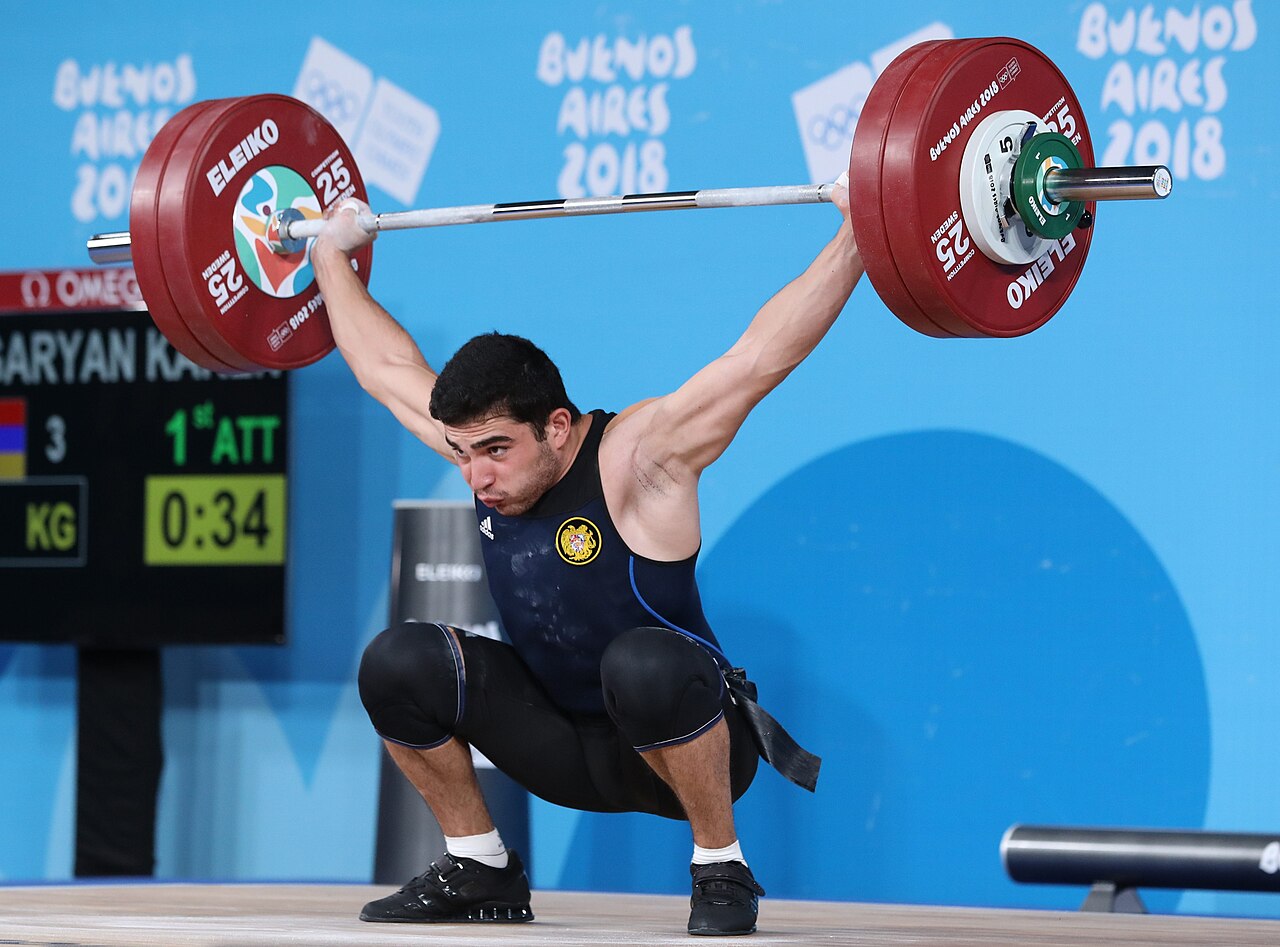
Strength training makes muscles work against resistance: free weights, machines, resistance bands, or your own body weight in moves like push-ups and squats. The defining feature is force. Each set asks muscles to generate far more force than walking or jogging requires, for a short burst, then rest.
The goal is not just bigger muscles. Depending on how you train, strength work improves muscular strength, endurance, power, and muscle mass. The Centers for Disease Control and Prevention (CDC) recommends muscle-strengthening activities that work all major muscle groups at least twice per week: legs, hips, back, chest, arms, shoulders, and core.
A strength session looks different from a cardio session. You work a muscle group through sets of repetitions, rest between sets, and stop when the muscles are fatigued. The heart rate rises during a hard set, but it does not stay elevated the way it does during a run.
How the body adapts: the core contrast
The clearest difference between the two types is what they build. Cardio builds an engine. Strength training builds the frame.
Cardio raises VO2 max, the measure of how much oxygen your body can take in and use to generate energy. A higher VO2 max tracks closely with heart health and longevity. Regular aerobic exercise also lowers blood pressure and improves cholesterol levels and other heart disease risk factors.
One study found that eight weeks of treadmill workouts reduced body fat and improved fitness and metabolic health among women with overweight or obesity.
Strength training builds functional strength: the strength needed for everyday tasks like carrying groceries or picking up heavy items from the floor. That strength protects independence as you age. A meta-analysis of studies in older adults found that training with resistance machines for a minimum of six weeks improved participants' functional capacity.
Strength training also fights muscle loss. Sarcopenia, the age-related loss of muscle mass and strength, raises the risk of falls, disability, and premature death. Regular strength work can slow that process, and research shows adults over 70 can maintain and gain muscle strength with resistance training and adequate nutrition.
Bones respond to strength training too. Strength work may improve bone mineral density, which tends to decline with age. A 2022 study found that six months of strength training improved bone density for postmenopausal women who had poor bone health.
Cardio alone does not load bones the same way, though running and jumping do help.
Balance is another strength-training win. According to the National Council on Aging, one in four adults over 65 falls every year, making falls the leading cause of fatal and nonfatal injuries in older adults. Strength training that targets the core and lower body supports balance, and research suggests core training can improve balance among older adults.
How many calories each burns
Cardio usually burns more calories during the session. A 30-minute run uses more energy minute by minute than a 30-minute lifting session with rest breaks. Strength training pays back differently.
More muscle mass raises the energy your body uses at rest, and the repair work after a hard session keeps energy use elevated.
Neither type wins this contest on its own. A 2024 review found that 8 to 12 weeks of resistance training may improve blood pressure and body composition, and results were even greater when strength training was combined with cardio and dietary changes. The combination, not either type alone, produced the strongest result.
Can one workout count as both?
Sometimes. A strength session with short rests and high effort can push the heart hard enough to count as cardio. Circuits that alternate strength moves with jumping jacks or jogging in place work this way.
High-intensity interval training (HIIT) mixes the two by design.
But there is a limit. Strength training performed at an intensity high enough to maximize strength gains generally cannot be sustained long enough to double as cardio. Heavy squats for 150 minutes a week is not realistic for anyone.
If your main goal is heart fitness, you still need dedicated cardio. If your main goal is strength, you still need heavy sets with real rest.
A simple weekly plan with both
You do not need separate days for everything. A workable week for a healthy adult:
- Monday: 30 minutes brisk walking or cycling, plus 20 minutes of strength work for legs and core.
- Tuesday: Rest or a gentle walk.
- Wednesday: 30 minutes of cardio at moderate effort.
- Thursday: 20 to 30 minutes of full-body strength work.
- Friday: 30 minutes of cardio, or a circuit mixing both.
- Weekend: One longer session of the type you enjoy most, plus one rest day.
If building strength is your priority, do the strength work first, when your muscles are fresh. If endurance is the priority, start with cardio. Short "exercise snacks" also count: 10-minute walks between meetings or a set of squats while dinner cooks add up across a week.
Which should you pick first?
Pick the one you will actually do. A beginner who hates running will not keep a running plan. A beginner who finds the weight room intimidating may start with walking and bodyweight moves at home.
Two rules help. First, cover both types each week, even in small doses. Second, progress slowly.
Add time, resistance, or variety only when the current level feels manageable. Pain that lasts more than a few days, chest pain, or dizziness during exercise are reasons to stop and talk to a clinician.
Frequently asked questions
Is cardio or strength training better for weight loss?
Both help, and the combination works best. Cardio burns more calories during the session. Strength training protects muscle while you lose weight, which keeps your resting energy use higher.
Can I do cardio and strength on the same day?
Yes. Split the session, for example 15 to 20 minutes of cardio followed by 20 minutes of strength work. Put the priority type first, when you are fresh.
How long before I see results?
Cardio fitness improves within weeks. Strength gains in everyday function can appear within about six weeks of consistent resistance training, based on the meta-analysis cited above. Bone density changes take months.
Does walking count as cardio?
Yes, if it is brisk enough to raise your heart rate and breathing. A slow stroll is still healthy movement, but it may not reach moderate intensity. Speed up until talking takes some effort.
Do I need a gym?
No. Walking, running, cycling, and stair climbing cover cardio. Push-ups, squats, lunges, and resistance bands cover strength.
A gym adds options, not requirements.
The bottom line
Cardio trains your heart and lungs through sustained effort. Strength training builds muscle, bone, and balance through resistance. Adults need at least 150 minutes of moderate cardio and two strength sessions each week.
Combine the two, progress slowly, and pick the mix you will keep doing.
Tags: cardio, strength training, exercise, fitness basics
Latest in Fitness
- How long should a beginner workout last?
- Why do muscles get sore two days after exercise?
- How to start running when you have never run
- How to build a home workout with no equipment
Subscribe for one practical fitness guide in your inbox each week.
Related stories

How long does it really take to build noticeable muscle?
Strength gains start in week one, but visible muscle takes 8-12 weeks for most beginners. What the Oklahoma CT-scan study measured,

Why you feel dizzy after a workout: the 5 common causes
Post-workout dizziness usually comes from a blood pressure dip, dehydration, or low blood sugar. The numbers behind each cause, and when

Why Do Knees Hurt When Squatting but Not Running?
Knees hurt when squatting but not running because deep bends multiply force on the kneecap. Learn the mechanics, common causes, fixes,