
Why does your lower back hurt after deadlifts
Key takeaways
- The most common cause is technique breakdown under fatigue: the lower back rounds as the back extensors tire.
- Normal muscle soreness eases with light movement; sharp, persistent, or radiating pain needs professional assessment.
- Heavy deadlifts load the L4-L5 and L5-S1 segments hardest, with peak demands at lift-off and lockout.
This article is for information only and is not medical advice.
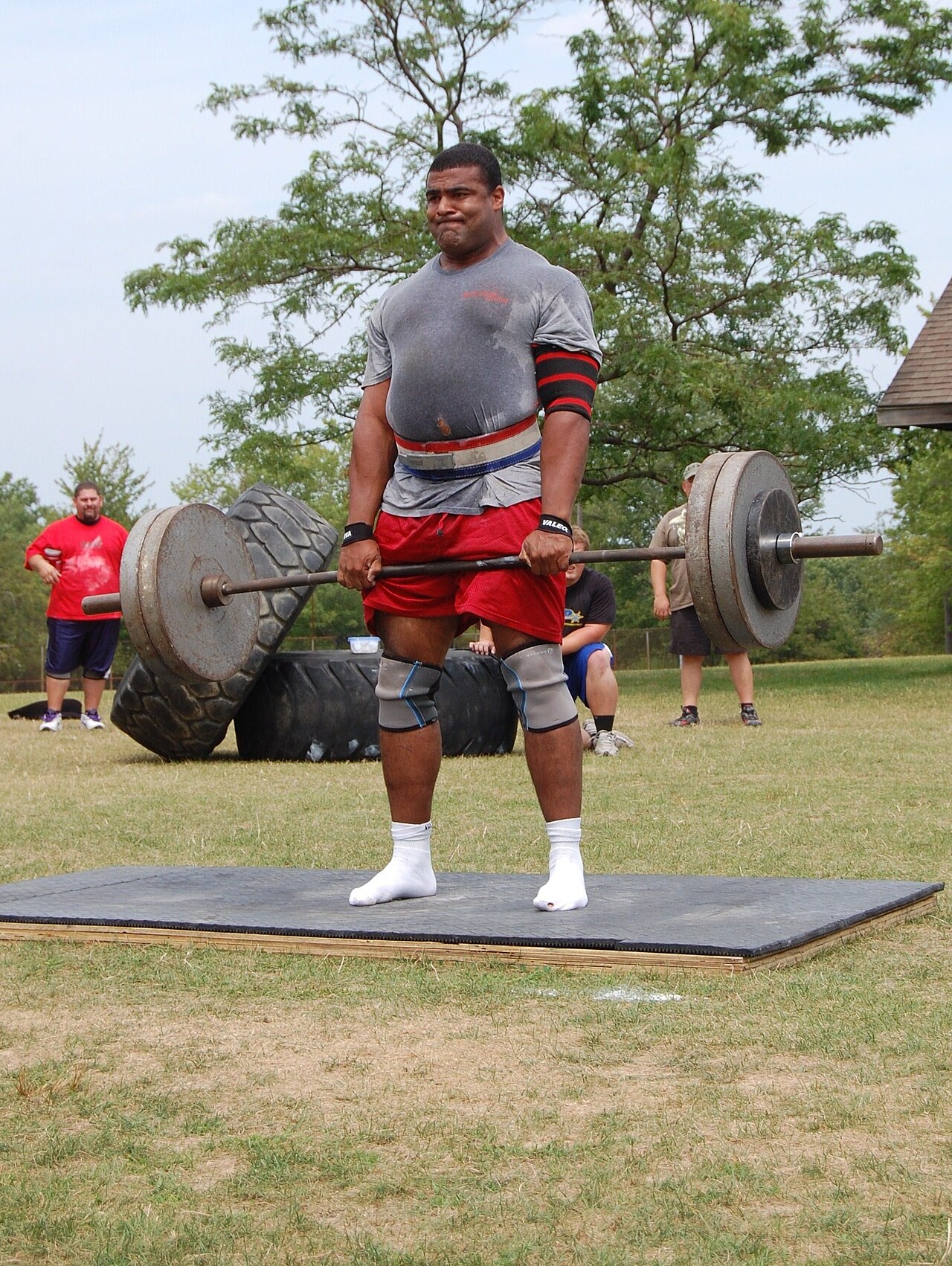
Lower back pain after deadlifts usually traces back to technique errors, loads the tissue is not ready for, or the blurry line between normal soreness and real injury. The deadlift loads the lumbar spine, discs, and ligaments in ways most other lifts do not, which is why this lift produces back complaints more than almost any other.
This article explains why your lower back hurts after deadlifts, including the six most common causes, how to tell normal soreness from warning signs, and the form fixes that take pressure off the spine.
Soreness or injury: the first distinction
Not every ache after deadlifts is a problem. Delayed-onset muscle soreness, the dull stiffness that peaks a day or two after hard training, is a normal response to intense work, and many lifters feel it in the lower back after heavy sessions, especially when returning from a break or increasing load, according to OR Mobility.
The dividing line is behavior, not intensity. Soreness that improves with light movement and rest is typically just fatigue. Sharp pain, persistent discomfort, or symptoms that worsen over time may suggest a strain, joint irritation, or disc involvement.
Red flags include weakness in the legs, numbness, tingling, or sharp pain that interferes with walking or standing, and these warrant medical advice and professional evaluation, OR Mobility reports.
Global health data puts the scale in perspective: nearly 620 million people were affected by low back pain in 2020, making it the leading cause of disability worldwide, as cited by OR Mobility. Most of those cases are not from deadlifts, but the statistic shows how common, and how worth understanding, back pain is.
The six reasons your back hurts after deadlifts
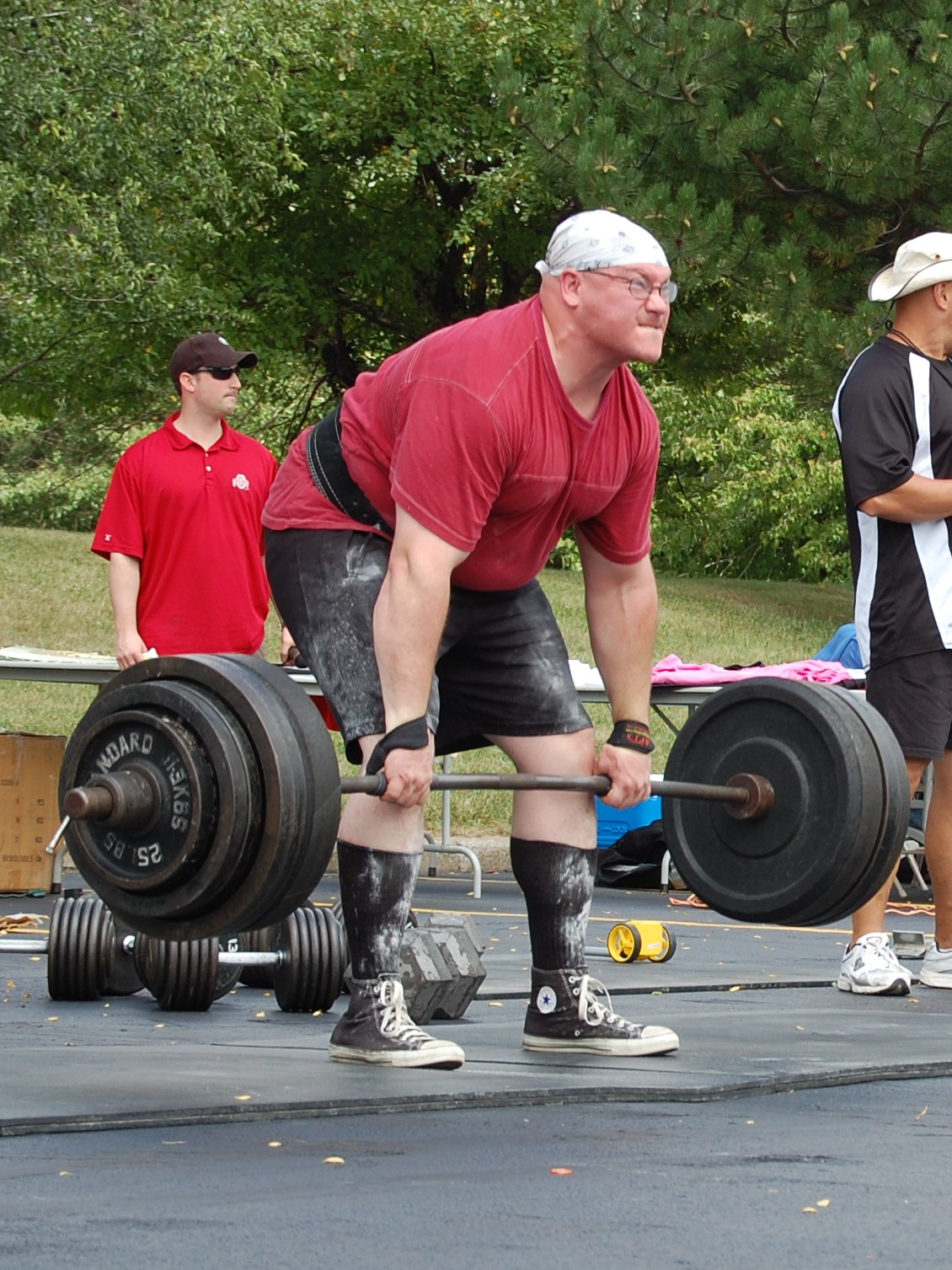
Technique and spinal position is the category clinicians end up correcting most often, according to Performance Sport Care. Lumbar rounding under load is the headline pattern: the lower back flexes during the pull off the floor or through the mid-lift, sharply increasing shear forces on the discs and ligaments, and it gets worse as the back extensors fatigue late in a set.
Over-arching at lockout is the mirror-image error. Snapping into excessive extension at the top to "finish" the lift jams the facet joints of the lower back. The deadlift ends with the back vertical and the shoulders in their normal position, not leaned back.
A poor setup creates the conditions for both errors. Hips starting too high turns the lift into a back-dominant movement. The bar drifting away from the shins increases leverage on the spine, and weak lat engagement lets the bar swing forward.
Ideally, the bar stays close to the shins and glides up the thighs, the Phoenix Rehab Group notes.
Under-bracing is the fourth cause. Without enough intra-abdominal pressure and a rigid torso, the spine has to absorb motion it should not. A big breath pushed against tight abdominal muscles protects the back and helps maintain a neutral spine throughout the lift, which is why breathing correctly when lifting weights matters far beyond comfort.
Load is the fifth. Heavy deadlifts generate shear and compressive loads at the lower lumbar segments, typically L4-L5 and L5-S1, that can exceed recognized injury thresholds, with the highest demands at lift-off and at lockout, Performance Sport Care reports.
Research from the University of Kentucky highlights that heavy loads exert intense pressure around the L5/S1 junction, which may exceed safe loading thresholds without proper technique, according to OR Mobility. The issue is rarely the load in isolation; it is the load relative to what your back is currently prepared to handle.
Fatigue is the sixth, and it multiplies the others. Notice how many form errors get worse as sets continue, which is why pain so often appears on the last reps of a set or the last set of a session, as form quietly breaks down, Performance Sport Care explains. Repeating reps amplifies risk because fatigue progressively increases trunk flexion and shifts more load onto passive tissues.
The fixes, in order of impact
Fix the setup first, because it is free and immediate. Stand with the bar over the midfoot, keep the spine neutral and the chest lifted, engage the lats before the bar moves, and keep the bar close to the body through the whole pull. Reset after each rep rather than bouncing the bar off the floor, which lets position drift rep by rep.
Then manage the load honestly. If pain appears only on the last reps, the working weight is heavier than your technique can sustain for the full set. Drop the weight, keep the reps, and rebuild volume with clean form.
This is progressive overload applied correctly: the stimulus grows only as fast as the tissue and technique can absorb it.
Bracing comes next as a trained skill, not a cue you remember mid-set. Practice taking a full breath and pressurizing the abdomen against the belt or abdominal wall before every rep, including warm-ups, so the pattern is automatic when the weight gets heavy.
Recovery and when to get checked
For ordinary soreness, light movement beats total rest. Walking, easy cycling, and gentle mobility keep blood flowing without loading the spine. Overtraining is a real contributor to back pain: when the body does not get adequate rest between sessions, the lower back muscles cannot repair and adapt, leading to cumulative fatigue, according to Fyzical.
Heat, sleep, and patience handle most mild cases within a few days. What should not be handled at home is anything on the red-flag list: leg weakness, numbness or tingling, pain that shoots down the leg, loss of bladder or bowel control, or pain that worsens over a week of rest. Those symptoms need a clinician, not a foam roller.
A pre-existing lower back condition also changes the calculus. Lifters with a history of disc or joint issues should treat any new deadlift-related pain as a reason to pause the lift and get assessed, rather than training through it.
Frequently asked questions
Is it normal for my lower back to be sore after deadlifts?
Mild soreness, especially after heavy sessions or a break from training, is normal delayed-onset muscle soreness. It should ease with light movement within a couple of days. Pain that is sharp, one-sided, or worsening is not normal soreness.
Should I deadlift with a rounded back?
No. Lumbar rounding under load sharply increases shear forces on the discs and ligaments, and the risk grows as the back extensors fatigue. Keep the spine neutral from setup to lockout.
Does a belt prevent lower back pain?
A belt helps you brace harder by giving the abdomen something to push against, but it does not fix technique. Lifters who rely on a belt while rounding will still get hurt; bracing skill matters more than the equipment.
How long should I rest a sore lower back?
For ordinary soreness, a few days of lighter training is usually enough. If pain has not clearly improved within a week, or if any red-flag symptoms appear, get a professional assessment rather than waiting longer.
Can I still train legs with a sore back?
Often yes, with movements that do not load the spine the same way, such as belt squats, leg presses, or single-leg work. Skip anything that reproduces the pain, and keep the deadlift itself out of the program until the back is calm.
Outlook
Most lower back pain after deadlifts is a technique and load-management problem, not a verdict on the lift. Clean up the setup, brace properly, respect fatigue, and add weight only as fast as clean form allows, and the deadlift goes back to building strength instead of producing pain.
When the symptoms cross from soreness into the red-flag list, the right move is a clinician, not another session. The same discipline that keeps nighttime muscle cramps or a charley horse in perspective applies here: understand the mechanism, respect the warning signs, and act early.
Related stories

How long does it really take to build noticeable muscle?
Strength gains start in week one, but visible muscle takes 8-12 weeks for most beginners. What the Oklahoma CT-scan study measured,

Why you feel dizzy after a workout: the 5 common causes
Post-workout dizziness usually comes from a blood pressure dip, dehydration, or low blood sugar. The numbers behind each cause, and when

Why Do Knees Hurt When Squatting but Not Running?
Knees hurt when squatting but not running because deep bends multiply force on the kneecap. Learn the mechanics, common causes, fixes,