
Why do your lungs burn in cold air when running? Dry air explained
Key takeaways
- The burning feeling comes from cold, dry air irritating and drying your airways, not from your lungs freezing.
- For some runners this becomes exercise-induced bronchoconstriction: airways tighten, causing cough, wheeze, or chest tightness.
- Breathing through a scarf, warming up indoors, and running when air is less frigid all reduce the burn.
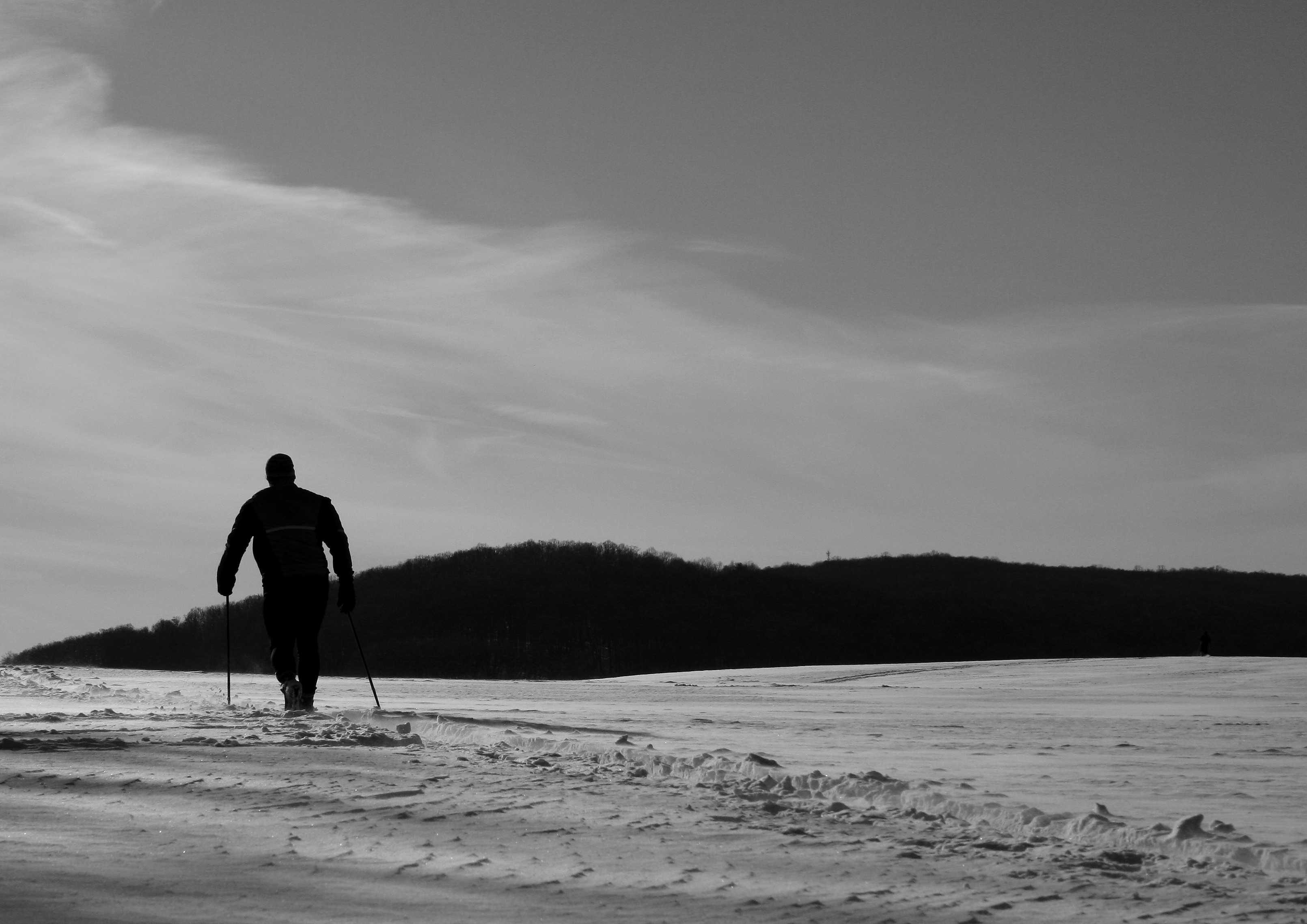
Lungs burning in cold air when running is the raw, scratchy feeling in your chest and throat on a winter run. It often arrives within minutes of picking up the pace and eases once you stop and warm up. The sensation is real, but its cause is widely misunderstood.
It is not your lungs freezing. It is dryness. This article explains how cold air dries and irritates the airways, when the burn signals exercise-induced bronchoconstriction, and what runners can do about it.
The burning sensation, explained
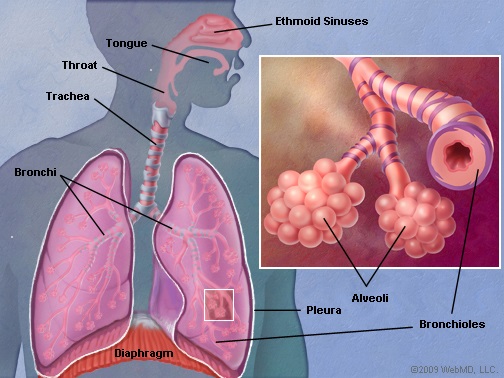
At rest you breathe mostly through your nose, which warms and moistens incoming air. Running changes the math completely. Ventilation skyrockets, and much of the air comes through the mouth, bypassing the nose's conditioning.
Your lungs still try to humidify every breath. The problem is volume.
Cold air holds very little moisture, and at high breathing rates the lungs cannot keep up. The airway lining dries out, and dried tissue gets irritated.
That irritation is the burn. "During exercise, airways dry out and become irritated as you breathe quicker and heavier," GoodRx explains in its guide to exercise-induced bronchoconstriction. The burning feeling is your airway lining telling you it is losing moisture faster than it can replace it.
Why the dryness matters more than the cold
Here is the counterintuitive part. Experts now point to dryness, not temperature, as the main trigger.
"More recent research shows that dry air appears to be the prime culprit that leads to exercise-induced bronchoconstriction," GoodRx reports. "Cold air is also dry, so exercise in cold weather can also trigger" symptoms.
A University of Alberta research team reached a similar conclusion. Their work, led by Michael Kennedy and reported by Knowridge, found that increasingly cold temperatures make it harder for the lungs to warm and humidify inhaled air, so the airway lining dries and, in some cases, becomes damaged. In a striking detail, athletes tested positive for airway constriction more often during a 5-kilometer outdoor run at -15 C than during a standard lab test: 7 of 16 versus 5 of 16.
The practical upshot: a dry desert run at a mild temperature can irritate airways much like a freezing one.
What happens inside your airways
The drying sets off a chain reaction in susceptible people. GoodRx describes it plainly: irritation leads to inflammation, and inflammation makes the airways clamp down. With the passages narrowed, air cannot pass through easily.
Healthline describes the same event as inhaling larger amounts of colder, drier air causing swelling and constriction in the airways, making it difficult to breathe.
This is exercise-induced bronchoconstriction, or EIB, previously called exercise-induced asthma. Its symptoms include cough, chest tightness, wheezing, shortness of breath, and an inability to keep up with others. GoodRx notes symptoms usually start a few minutes after exercise begins, worsen over the next 10 to 15 minutes, and ease 30 to 90 minutes after stopping.
How common is it
More common than most runners think. Research cited by GoodRx indicates that 5 to 20 percent of people with no history of asthma develop asthma-like symptoms during exercise.
Endurance athletes are hit hardest. The Alberta team noted that previous studies found between 40 and 50 percent of all Nordic or winter sports athletes reported some form of exercise-induced asthma from cold-weather exercise.
The researchers had first spotted the pattern preparing for the 2002 Salt Lake City Olympics, when many U.S. winter Olympians tested positive after outdoor time trials but not in the lab.
It is not a fitness failure either. GoodRx is explicit: EIB "isn't a sign of physical deconditioning, even Olympic athletes experience EIB."
How to run in cold air more comfortably
Several strategies reduce the burn, and none require quitting winter running.
Warm up indoors first. An indoor warm-up helps dilate the lungs, which reduces the shock of cold air, according to the Alberta team's guidance.
Cover your mouth. Breathing through a scarf or face mask pre-warms and humidifies inhaled air. GoodRx lists this among its management tips, and the Alberta researchers found that covering the mouth had a significant effect on reducing constriction.
Give yourself a real warm-up. GoodRx recommends warming up slowly for 10 to 15 minutes before exercising, which lets the airways adjust gradually rather than all at once.
Pick your conditions. Avoid running in air pollution, high pollen, or on low-air-quality days, all of which add irritants on top of dryness. On the bitterest days, moving the session indoors is the simple fix.
When the burn means more than dryness
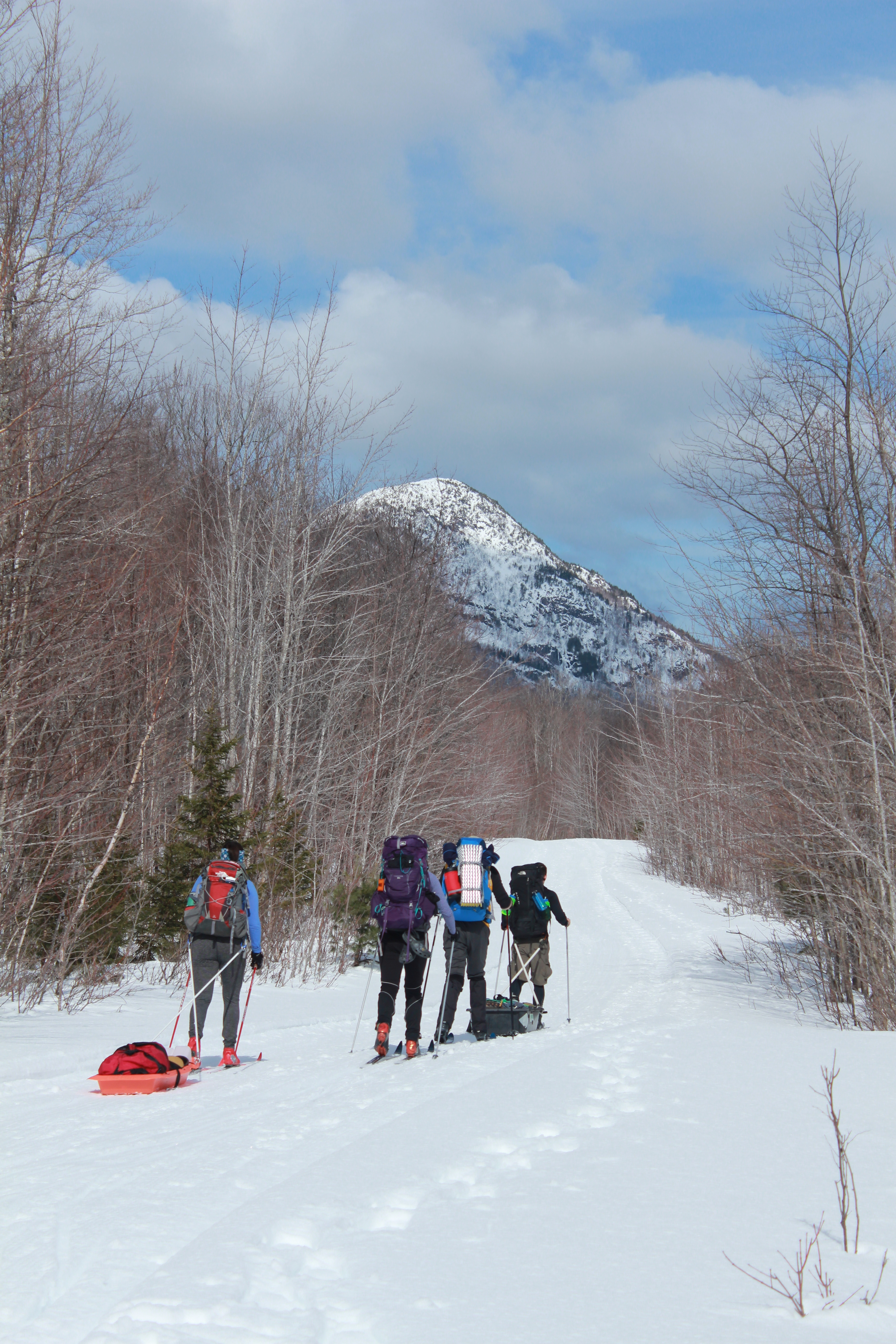
Ordinary winter burn fades soon after you stop running. EIB behaves differently: cough, wheeze, or chest tightness that builds during the run and lingers needs attention.
GoodRx notes that albuterol, an inhaled medication that relaxes airway muscles, can be used 15 minutes before exercise to prevent symptoms. But that is a prescription decision, not a DIY fix. Anyone who repeatedly coughs or wheezes during exercise, or who cannot keep up because of breathing, should talk to a clinician or lung specialist.
This article is for general information, not medical advice. Talk to a clinician about repeated coughing, wheezing, or chest tightness during exercise.
Outlook
Burning lungs in cold air almost always trace back to dryness, not freezing. Your airways lose moisture faster than they can replace it, and the irritated lining produces the familiar burn.
For most runners, a scarf, an indoor warm-up, and a gradual start solve it. If cough, wheeze, or chest tightness keep showing up, get evaluated for exercise-induced bronchoconstriction. Winter running stays on the table with the right precautions.
By Rive News, Research desk. Rive News publishes plain-language explainers built from named sources and verified facts.
Latest in Fitness
- Why Does Your Heart Rate Stay Elevated After Exercise?
- Why Do You Feel Nauseous During Intense Workouts?
- What Is Zone 2 Cardio and Why Is It Popular?
- Why Is Walking Uphill Harder Than It Looks?
Get one clear fitness explainer in your inbox each week. Subscribe to the Rive News newsletter.
Related stories

How long does it really take to build noticeable muscle?
Strength gains start in week one, but visible muscle takes 8-12 weeks for most beginners. What the Oklahoma CT-scan study measured,

Why you feel dizzy after a workout: the 5 common causes
Post-workout dizziness usually comes from a blood pressure dip, dehydration, or low blood sugar. The numbers behind each cause, and when

Why Do Knees Hurt When Squatting but Not Running?
Knees hurt when squatting but not running because deep bends multiply force on the kneecap. Learn the mechanics, common causes, fixes,